

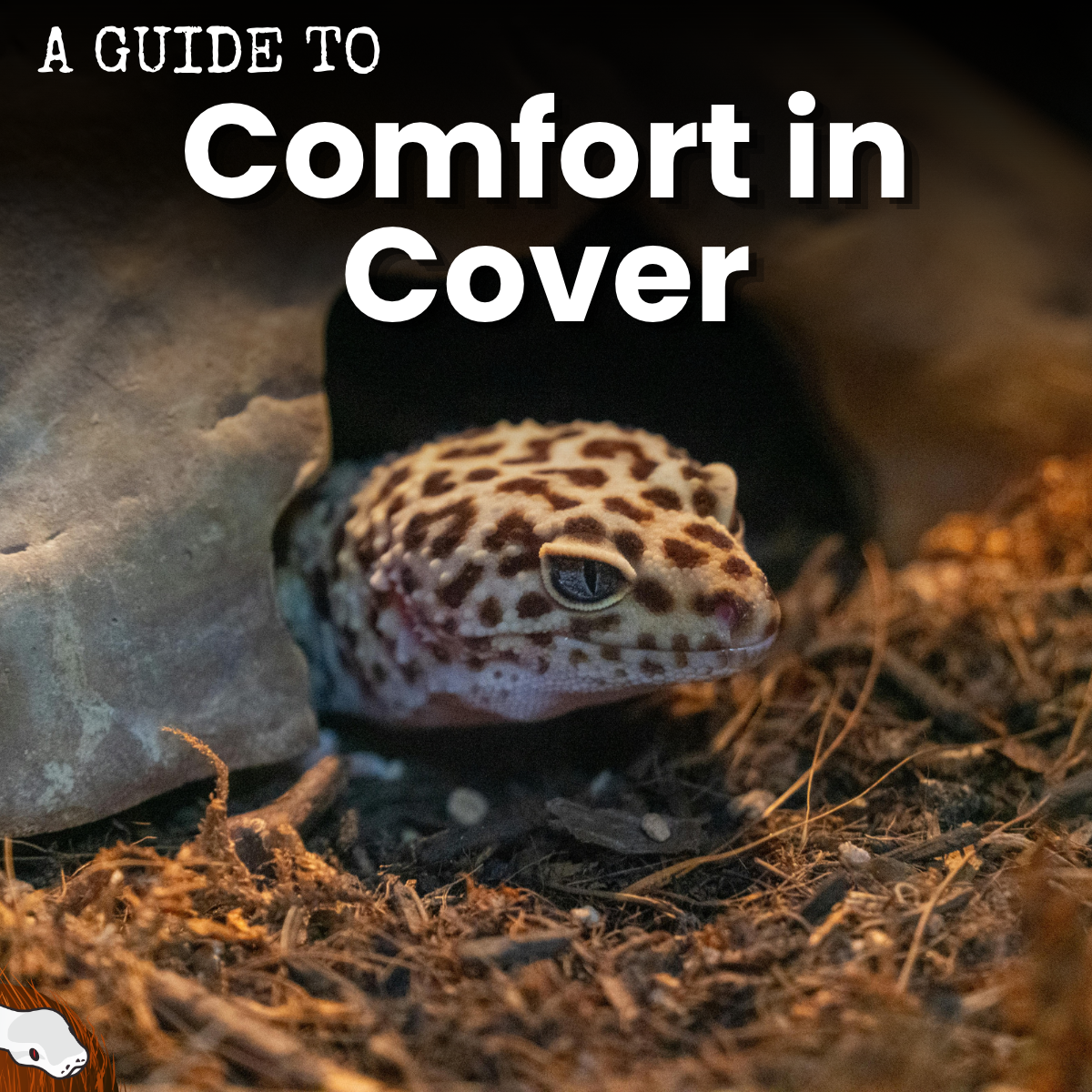

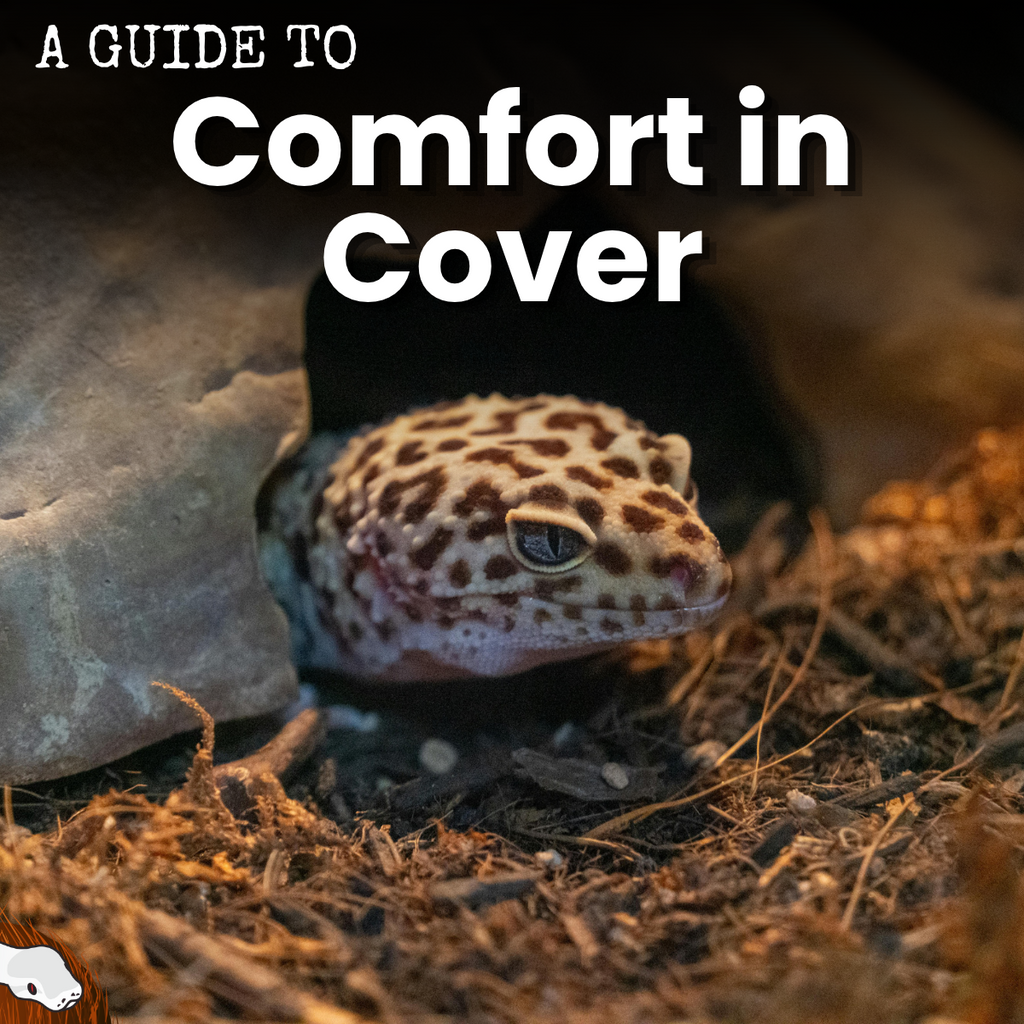
Ever notice your snake or gecko squeezing into the tiniest nook of their enclosure, even when you’ve given them a whole palace to roam? It’s not just quirky behavior, herps are hardwired to seek out safe, snug spaces. Yet, many keepers still wonder: do hides really matter, or are they just another accessory?
Let’s clear this up: hides aren’t just a “nice-to-have.” They’re essential for your animal’s health and happiness. Whether you’re a new keeper or a seasoned herp enthusiast, understanding why hides matter can make all the difference for your friends.
Why Hides Are a Game-Changer
In the wild, reptiles and amphibians spend much of their time tucked away under logs, rocks, or leaf litter. This isn’t laziness, it’s survival. Hides help them feel secure, regulate their body temperature, and avoid predators. Under humane care, a lack of hiding spots can lead to chronic stress, poor appetite, and even illness.
“A stressed herp is an unhealthy herp, hides are their safe zones.”
Stress Less, Thrive More
Imagine living in a glass box with nowhere to escape prying eyes. That’s what it’s like for herps without hides. Stress can suppress their immune system, making them more prone to infections and behavioral issues. Providing at least two hides (one on the warm side, one on the cool side) gives your pet the power to choose comfort and safety.
Thermal Choices Matter
Herps are masters of thermoregulation. They move between warm and cool spots to keep their bodies at the perfect temperature. Hides placed in different temperature zones let your herp self-regulate while still feeling secure. This is especially important for species like ball pythons and leopard geckos, who love to burrow and snuggle into tight spaces.
Encouraging Natural Behaviors
Hides aren’t just about stress relief, they encourage natural behaviors like burrowing, climbing, and exploring. This keeps your herp mentally stimulated and physically active. For example:
- Arboreal geckos love vertical cork bark hides.
- Burrowing species like sand boas appreciate deep substrate and tunnel hides.
- Tree frogs thrive with leaf clusters and canopy hides.
Choosing the Right Hide
Not all hides are created equal. Here’s what to look for:
- Size: Just big enough for your herp to fit snugly, but not so large that they feel exposed.
- Material: Plastic, cork, wood, or even DIY options, just make sure it’s easy to clean and safe.
- Placement: Offer at least two hides in different temperature zones.
Get creative! Mix and match hides to suit your pet’s personality and natural habitat.
Quick Tips for Hide Success
- Rotate hides occasionally to keep things interesting.
- Add moss or damp substrate for humidity-loving species.
- Check hides regularly for cleanliness and wear.
Conclusion
Providing hides isn’t just about making your enclosure look cool, it’s about giving your herp the security and comfort they crave. Happy, healthy reptiles are more active, eat better, and show off their best colors and personalities.