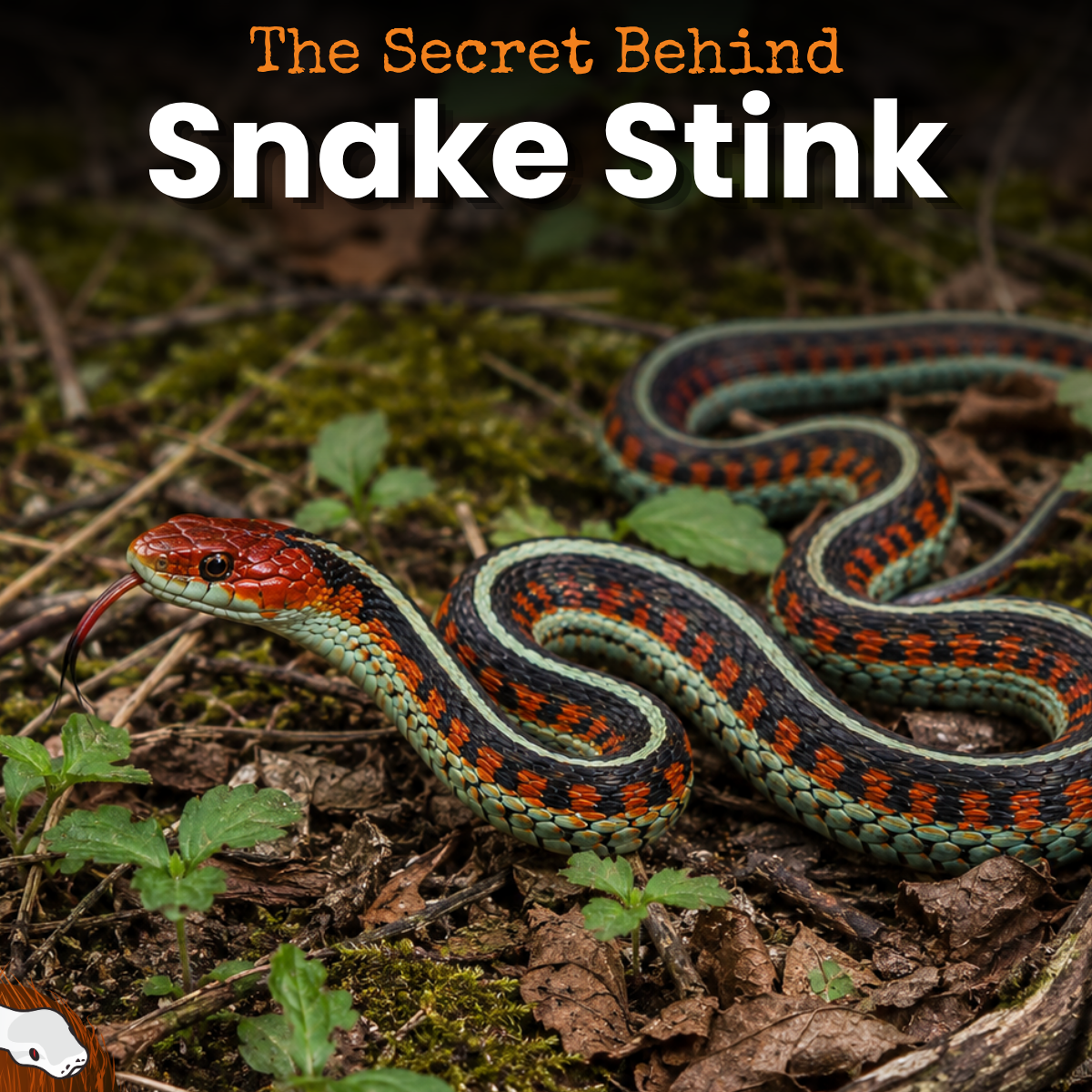

Ever picked up a snake and suddenly caught a whiff of something…funky? If you’ve ever wondered why your usually chill ball python suddenly smells like a skunk’s distant cousin, you’re not alone. Snake musk is one of those mysteries that surprises new keepers and even seasoned hobbyists from time to time.
Why Snake Musk Matters
Understanding snake musk isn’t just about avoiding a stinky surprise. It’s about reading your snake’s body language, building trust, and creating a stress-free environment for your scaly friend. Plus, knowing what’s normal (and what’s not) helps you spot health or husbandry issues before they become big problems.
What Exactly Is Snake Musk?
Snake musk is a strong-smelling substance released from glands near the base of a snake’s tail. It’s not poop, though it’s often released at the same time. Musk is a defense mechanism, think of it as your snake’s way of saying, “Back off, I’m not in the mood!” The scent can be musky, earthy, or even a bit like rotten eggs, depending on the species.
Why Do Snakes Musk?
Snakes usually musk when they feel threatened, stressed, or startled. Wild snakes use musk to deter predators, and the snake in your home relies on the same instinct when they’re nervous about handling or changes in their environment. Young snakes and new arrivals are especially prone to musking, but even old-timers can let loose if they’re surprised.
How to Prevent (or Survive) a Musk Attack
The good news: most snakes outgrow frequent musking as they get used to gentle handling and a calm environment. Here’s how to keep the peace:
- Handle your snake gently and confidently, no sudden grabs.
- Give new snakes time to settle in before handling.
- Wash your hands before and after handling to avoid transferring scents.
- Keep the enclosure in a low-traffic, quiet area.
- Learn your snake’s body language, if it’s coiling tightly or hissing, give it space.
If you do get musked, don’t panic! Wash your hands with soap and water, and clean any soiled surfaces with a reptile-safe disinfectant.
Is Musk Dangerous?
Musk smells bad, but it’s harmless to humans and other pets. If your snake is musking frequently, though, it’s a sign they’re stressed. Take it as a cue to review your husbandry and handling routine.
Customizing Care for Your Species
Some snakes, like garter snakes and corn snakes, are notorious muskers, while others rarely do it. Research your species’ temperament and adjust your approach. For example, hatchlings and wild-caught snakes need extra patience and gentle handling.
Quick Tips for a Musk-Free Experience
- Use slow, deliberate movements.
- Support your snake’s body fully.
- Avoid handling right after feeding or during shedding.
- Offer hiding spots in the enclosure to help your snake feel secure.
Conclusion
Snake musk might be a stinky surprise, but it’s also a window into your snake’s world. By understanding why snakes musk and how to minimize stress, you’ll build a stronger bond with your reptile, and keep your hands smelling fresh.