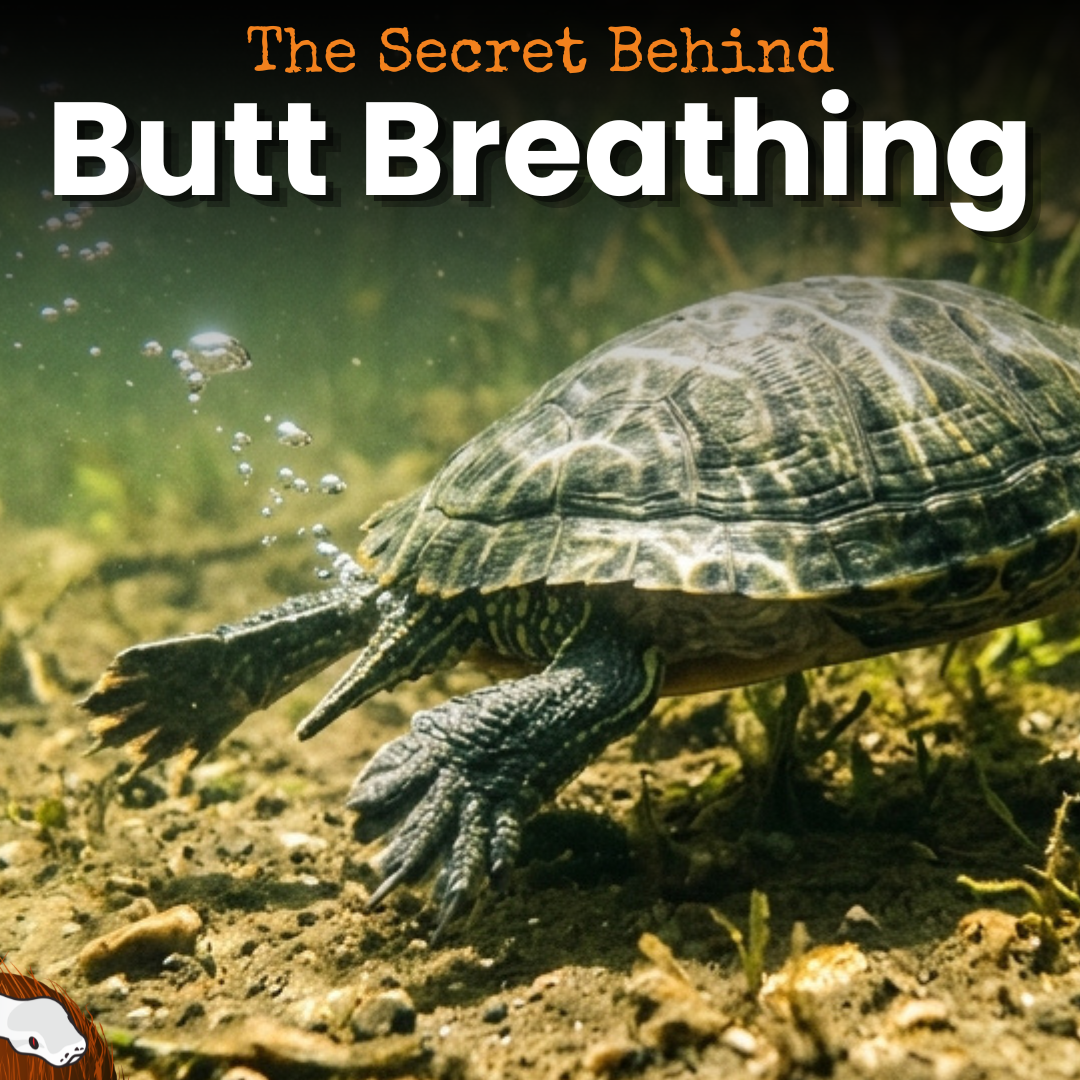

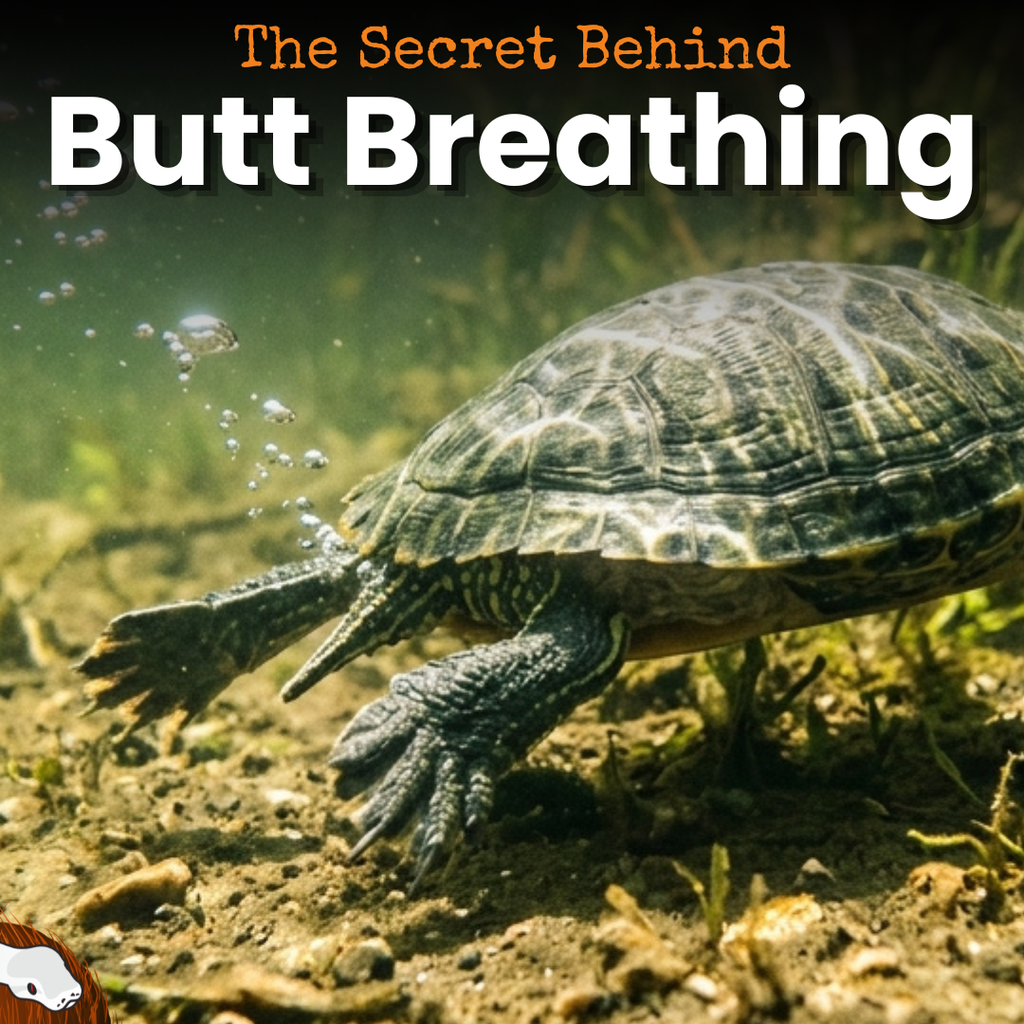
Ever heard someone say turtles can breathe through their butts? It sounds like a playground myth, but it’s actually true for some species! If you’ve ever wondered how turtles survive long, chilly winters underwater you’re about to discover one of the coolest superpowers out there.
Why Cloacal Breathing Matters
A turtle's survival trick is anything but boring. When ponds freeze over or oxygen levels drop, some turtles don’t have the luxury of surfacing for air. Instead, they rely on a unique adaptation: cloacal respiration. This isn’t just a fun fact, it’s a key to understanding how to keep aquatic turtles healthy and happy, especially if you’re setting up a winter habitat or planning a species-specific enclosure.
What Is Cloacal Breathing?
Let’s clear up the mystery. The cloaca is a multi-purpose opening at the rear end of a turtle, and other animals, used for excretion, reproduction, and yes breathing. Certain turtles, like the Australian Fitzroy River turtle and North American painted turtles, can absorb oxygen directly from water through specialized sacs in their cloaca called bursae.
“Some turtles can extract up to two-thirds of their oxygen needs through their cloaca while underwater.”
This adaptation allows them to stay submerged for months, especially during cold weather when their metabolism slows down.
How Does It Work?
Think of cloacal breathing as nature’s version of scuba gear. The bursae inside the cloaca are lined with blood vessels, making them perfect for gas exchange. When a turtle pumps water in and out of its cloaca, oxygen diffuses into the bloodstream, and carbon dioxide is released. It’s not quite as efficient as lung breathing, but it’s a lifesaver when surfacing isn’t an option.
Why Should Keepers Care?
Understanding cloacal respiration can help you:
- Choose the right turtle species for your setup.
- Design enclosures with proper water quality and oxygenation, since turtles still need clean, well-oxygenated water for this process.
- Recognize normal versus abnormal behavior, if your turtle is struggling to breathe or surfacing constantly, it might signal poor water conditions.
Tips for Supporting Your Turtle’s Natural Breathing
- Maintain clean, filtered water to support healthy cloacal respiration.
- Use aerators or water movement to keep oxygen levels high, especially in deeper tanks.
- Research your turtle’s natural habitat and seasonal needs, some species rely on cloacal breathing more than others.
- Monitor water temperature
Final Thoughts
Turtles never cease to amaze with their quirky adaptations. Cloacal breathing isn’t just a weird party fact, it’s a survival tool that helps these reptiles thrive in tough conditions. By understanding and supporting this natural behavior, you’ll set your turtles up for a healthier, happier life.
Next time you watch your turtle glide underwater, remember: there’s a lot more going on beneath the shell than meets the eye.