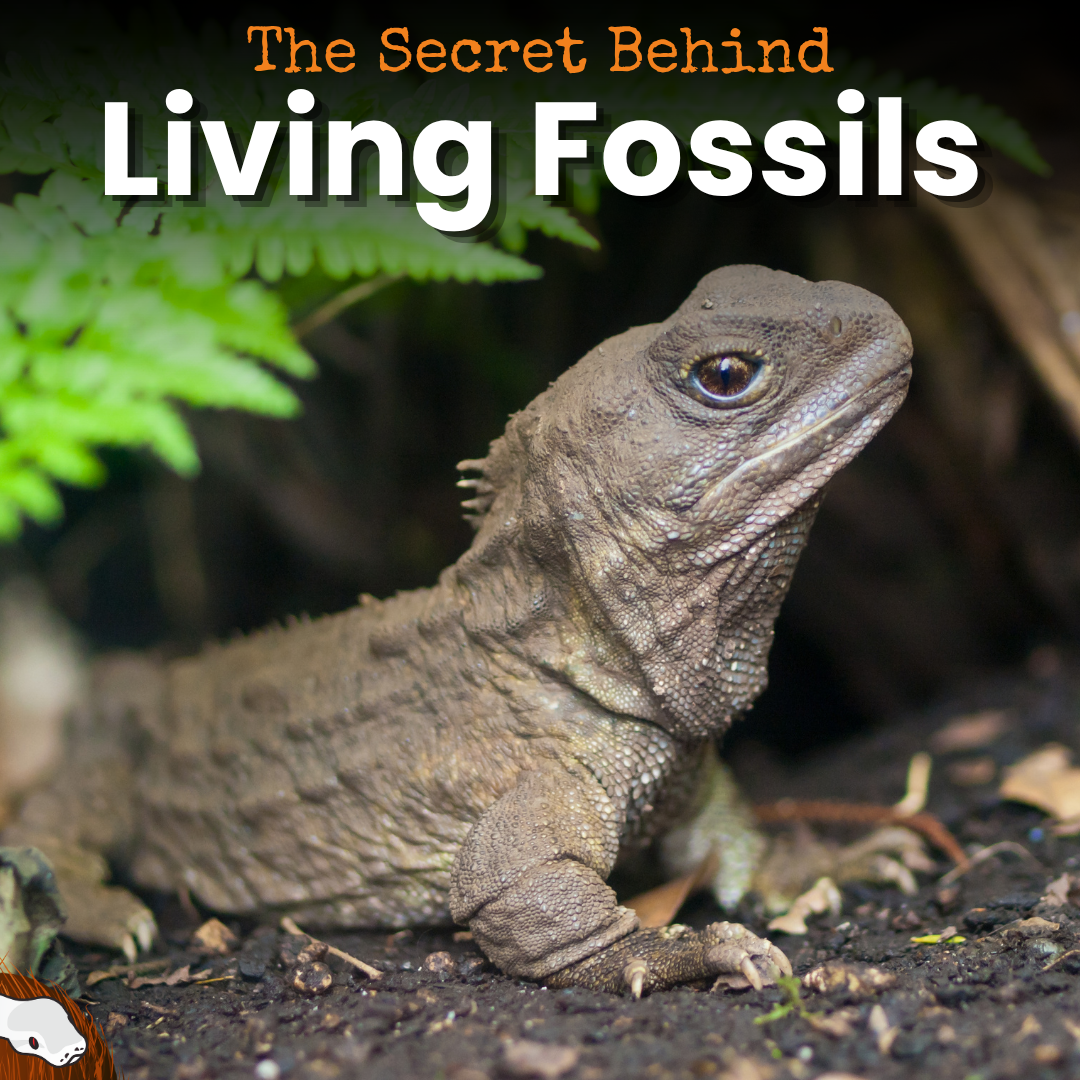

Ever heard someone call their bearded dragon a “living dinosaur”? It’s a fun idea, but if you really want to meet a reptile that’s practically a time traveler, let’s talk about the tuatara. These ancient reptiles from New Zealand aren’t just old, they’re the last survivors of a lineage that walked the earth with the dinosaurs. If you’re fascinated by unique reptiles or always on the hunt for the next cool fact to share, you’re in for a treat.
Why Should Reptile Keepers Care About Tuatara?
Tuatara are living fossils, and their story is a goldmine for anyone passionate about reptile care and natural history. Understanding how these animals have survived for over 200 million years can inspire us to create better, more naturalistic environments for our own scaly friends. Plus, their quirks and adaptations are just plain fascinating.
Meet the Tuatara: Not Your Average Lizard
Despite their lizard-like looks, tuatara aren’t lizards at all. They belong to their own ancient order, Rhynchocephalia, and are the only members left. Their closest relatives disappeared with the dinosaurs, making tuatara true one-of-a-kind reptiles.
“Tuatara have barely changed since the age of the dinosaurs, talk about the ultimate survivors!”
They sport a spiky crest down their backs, a beak-like mouth, and even a mysterious “third eye” on top of their heads. This parietal eye isn’t for seeing in the usual sense, but it helps them sense light and regulate their daily rhythms.
Survival Superpowers: What Makes Tuatara Unique
Tuatara are masters of adaptation. They thrive in cool climates, unlike most reptiles, and can live over 100 years. Their slow metabolism means they can go months without eating, and they’re most active at night, hunting insects, spiders, and even baby birds.
Some tuatara facts to wow your friends:
- They can hold their breath for up to an hour.
- Their teeth are fused to their jaws and never regrow.
- Tuatara eggs can take over a year to hatch, patience is their superpower!
Lessons for Reptile Keepers: Ancient Wisdom for Modern Setups
What can we learn from tuatara for our own reptile enclosures? Here are a few takeaways:
- Temperature matters: Tuatara thrive in cooler temps (50°F to 70°F). While most pet reptiles need warmth, always research your species’ ideal range and avoid overheating.
- Natural hiding spots: Tuatara love burrows and dense cover. Add hides, tunnels, and plants to help your reptiles feel secure.
- Patience with growth: Like tuatara, many reptiles grow slowly. Don’t rush their development, focus on steady, healthy progress!
Customize these tips for your species. Whether you keep geckos, skinks, or breadies, a little tuatara-inspired enrichment goes a long way.
Why Tuatara Still Matter
Tuatara reminds us that reptiles are survivors, each with their own ancient secrets. By learning from them, we can give our pets the best care possible and keep the spirit of these living fossils alive in our own homes!
Want to see a tuatara for yourself? Only six zoos outside of their native range of New Zealand house this special species. Four institutions are right here in the United States, San Diego, St. Louis, Toledo, and Dallas! Make sure you take a chance to see this living dinosaur.