

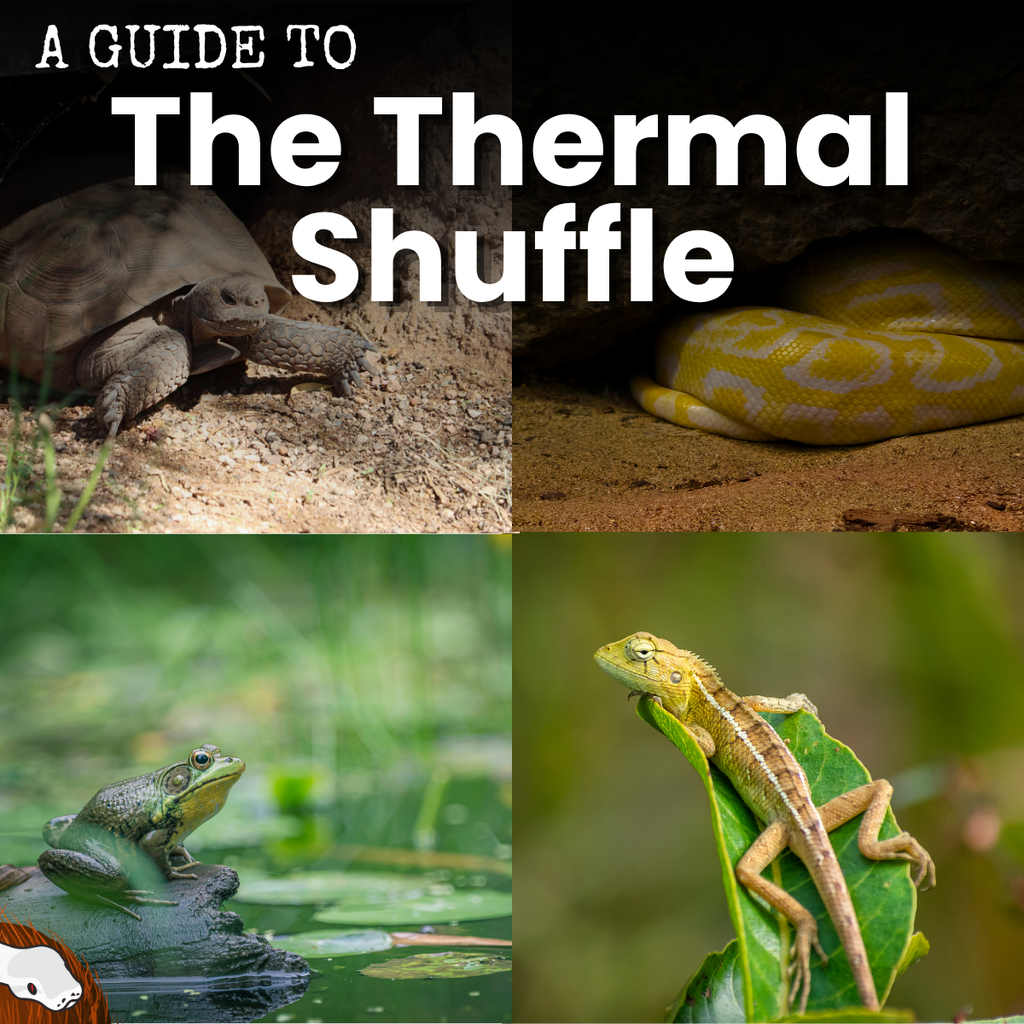
Ever wondered why your bearded dragon spends hours basking under its heat lamp, or why your frog seems to vanish into the cool, damp hide just when you want to show it off? If you’ve ever scratched your head over your pet’s odd temperature habits, you’re not alone. Thermoregulation is one of the most fascinating, and misunderstood, aspects of reptile and amphibian care.
Getting the temperature right isn’t just about comfort. It’s about survival. Reptiles and amphibians rely on their environment to regulate their body temperature, and understanding how they do this is the secret to keeping them healthy, active, and thriving.
Ectothermy: Nature’s Solar Panels
Unlike mammals, reptiles and amphibians are ectotherms. This means they don’t generate their own body heat. Instead, they soak up warmth from their surroundings. Think of them as living solar panels, constantly adjusting their position to catch the perfect amount of rays.
“A happy reptile is a reptile with options, warmth to bask in, and cool spots to chill out.”
Basking and Burrowing: The Art of Behavioral Thermoregulation
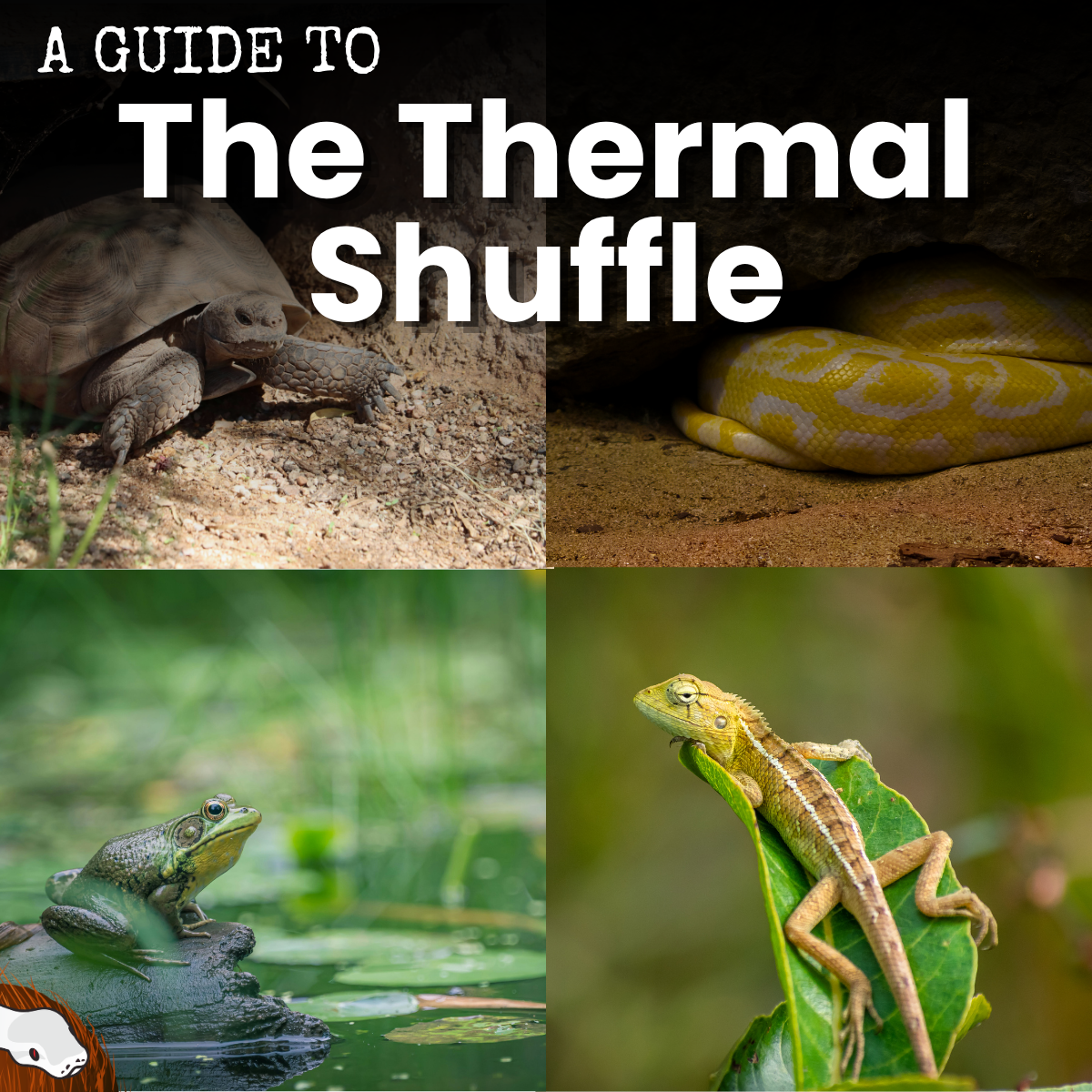
Reptiles are masters of using their environment to control their temperature. You’ll see lizards sprawled under heat lamps, snakes coiled on warm rocks, and turtles stretching out in the sun. When they get too warm, they retreat to shade, burrow underground, or slip into water.
Amphibians, on the other hand, often rely on moisture as much as temperature. Frogs and salamanders will seek out damp, cool spots to avoid overheating and dehydration.
Why It Matters: Health, Digestion, and Mood
Proper thermoregulation isn’t just about comfort, it’s essential for:
- Digestion: Without the right temperature, reptiles can’t process food properly.
- Immunity: Too cold, and their immune system slows down.
- Activity: The right temps mean more natural behaviors and a happier pet.
A cold reptile is a sluggish reptile, and a too-hot amphibian can quickly become stressed or ill.
Practical Tips: Creating the Perfect Thermal Gradient
Every enclosure should offer a range of temperatures, known as a thermal gradient. This lets your pet choose what feels best at any moment.
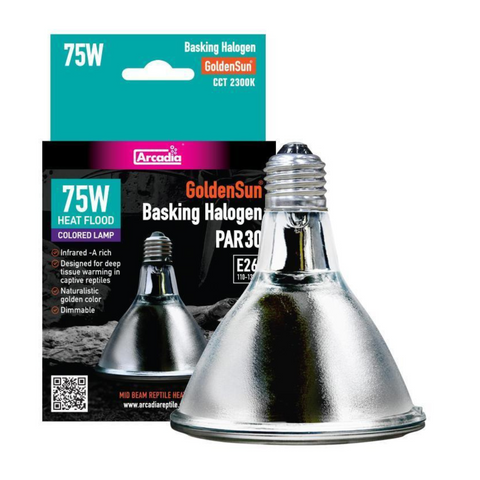
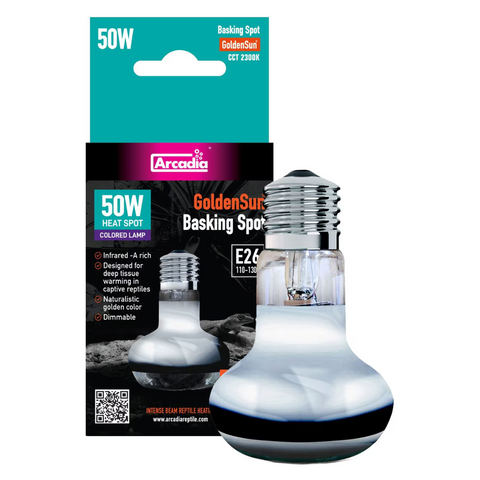
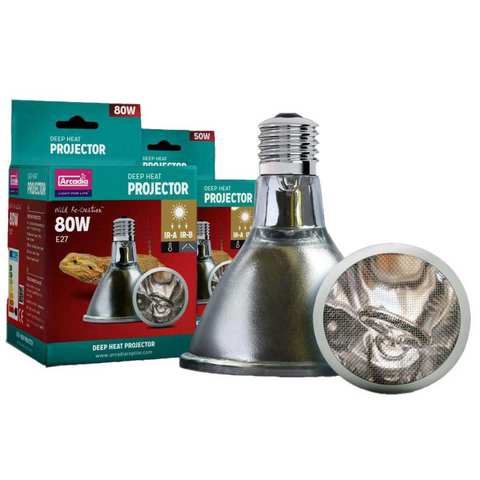
- Place a basking spot at one end of the enclosure with a heat lamp or mat.
- Provide hides and cooler areas at the opposite end.
- Use thermometers at both ends to monitor temps accurately.
- For amphibians, keep humidity high and offer moist hides or water features.
Remember, each species has its own ideal temperature range. Research your pet’s needs and adjust accordingly.
Surprising fact: some herps can even adjust their color to absorb more or less heat!
Customize for Success
No two reptiles or amphibians are exactly alike. Watch your pet’s behavior, if they’re always hiding, basking, or avoiding certain spots, tweak your setup. The goal is to give them choices so they can self-regulate like they would in the wild.
Conclusion
Mastering thermoregulation is the key to unlocking your reptile or amphibian’s best life. When you provide the right temperature options, you’ll see more natural behaviors, better health, and a pet that truly thrives.