

Ever heard someone say, “Just keep your animal warm and you’re good”? If only it were that simple! One of the biggest myths in the care of reptiles and amphibians is that a single temperature is enough for a happy, healthy pet. In reality, many of them need more than just warmth, they need options. That’s where temperature gradients come in, and trust me, they’re a total game-changer for your scaly friends.
Why Temperature Gradients Matter
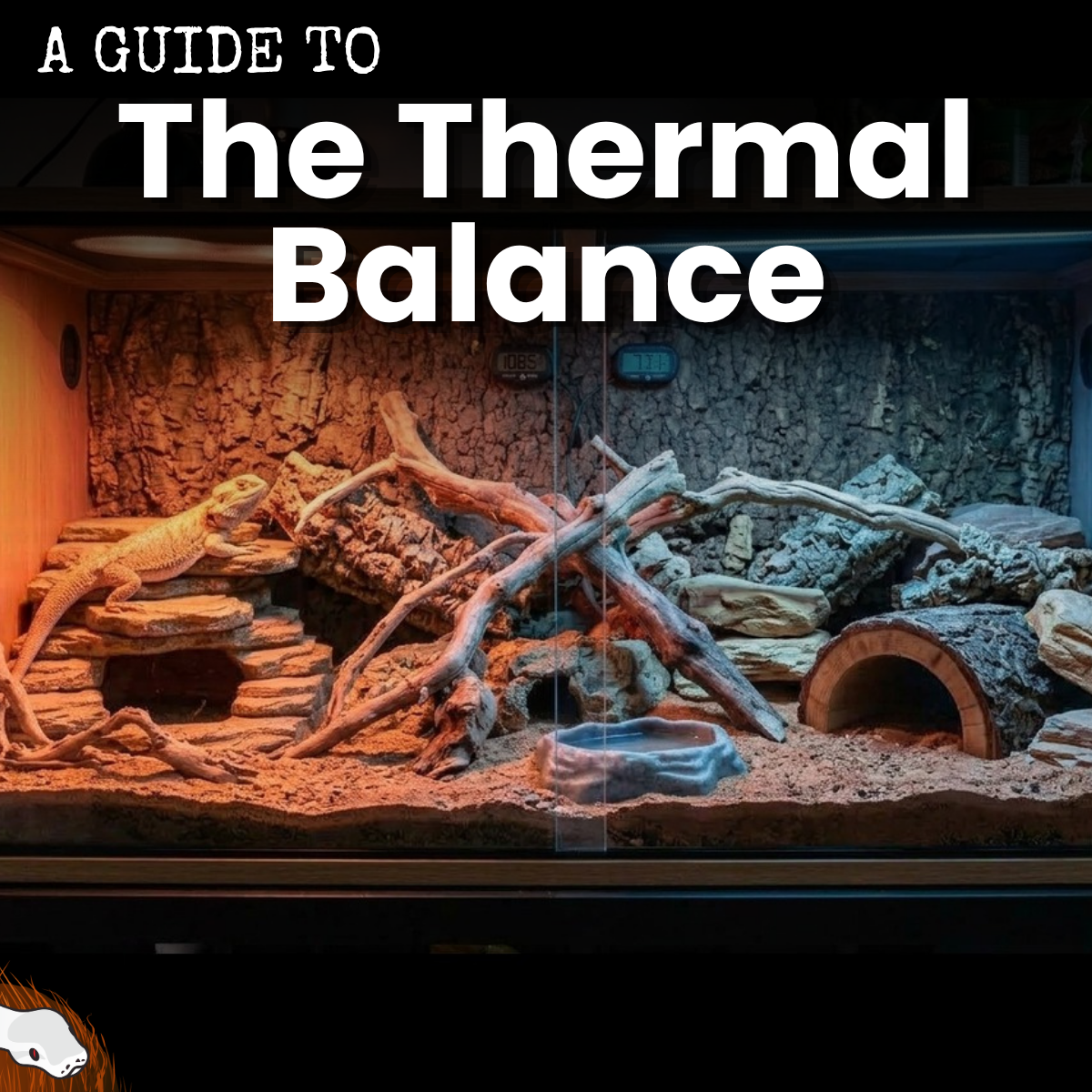
Reptiles and amphibians are masters of their environment, but they can’t regulate their body temperature like we do. Instead, they rely on their surroundings to warm up or cool down. A temperature gradient, simply put, a warm side and a cool side in the enclosure, lets your reptile choose what feels best at any moment. This isn’t just a comfort thing; it’s essential for digestion, immune health, and even mood.
“A well-set temperature gradient is like an all-you-can-eat buffet for your reptile, they get to pick exactly what they need, when they need it.”
How to Set Up a Gradient (Without Losing Your Mind)
Creating a gradient doesn’t have to be complicated. Here’s how to nail it:
- Place a heat source (like a heat lamp or mat) at one end of the enclosure.
- Leave the opposite end cooler, away from direct heat.
- Use thermometers on both sides to monitor temps, don’t guess!
- Adjust wattage or bulb placement until you hit the right range for your species.
For example, a bearded dragon might love a basking spot at 100°F, but needs a cool zone around 75°F. A ball python, on the other hand, prefers a warm side near 90°F and a cool side in the low 80s. Every species is different, so check what your pet needs.
Why a Flat Temperature is a Flat-Out Mistake
A single, uniform temperature can actually stress your reptile out. Without a gradient, they can’t thermoregulate, which can lead to poor digestion, sluggishness, and even illness. Think of it like being stuck in a room that’s always too hot or too cold, you’d be miserable, right? Your animal feels the same way.
Tips for Customizing Your Gradient
- Use hides on both the warm and cool sides so your pet feels secure wherever they go.
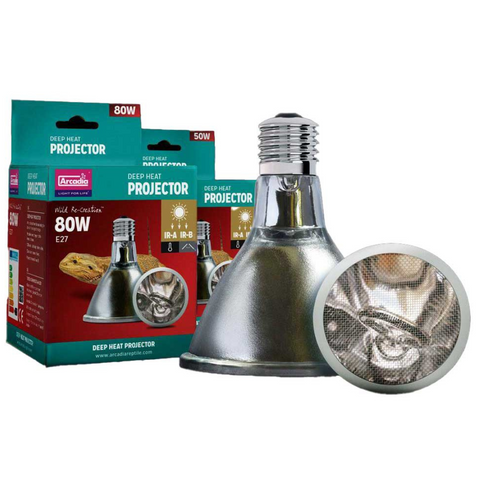
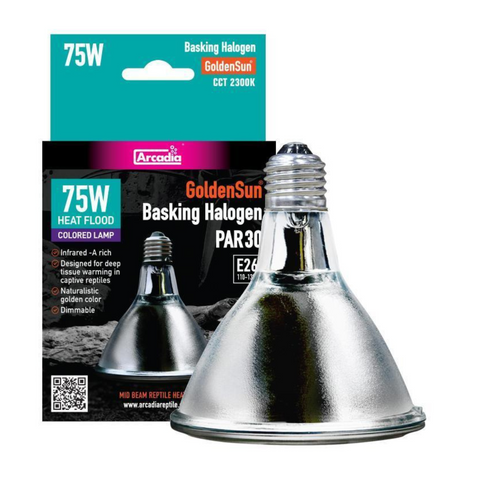
- Try different heat sources (ceramic emitters, radiant panels, under-tank heaters, deep heat projectors) to see what works best for your setup.
- Check temperatures regularly, thermometers are your best friends.
- Remember, gradients are for everyone! Lizards, snakes, turtles, and even amphibians benefit from having choices.
When you give your pet the power to choose, you’re setting them up for a longer, healthier, and happier life.
So, next time you peek into your herps enclosure, ask yourself: “Does my pet have the freedom to choose their perfect spot?” If not, it’s time to turn up the heat, on your husbandry game!