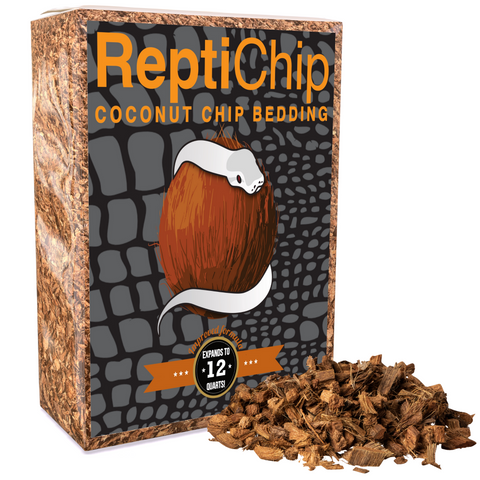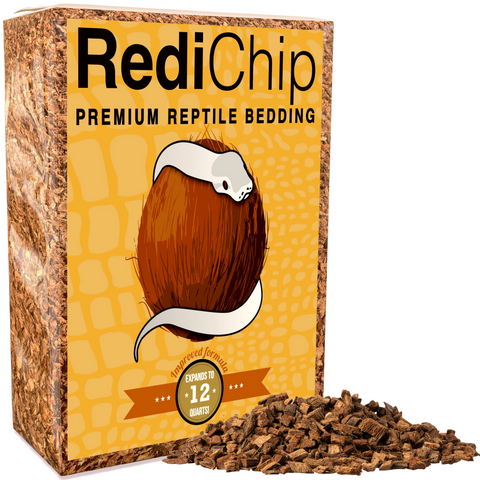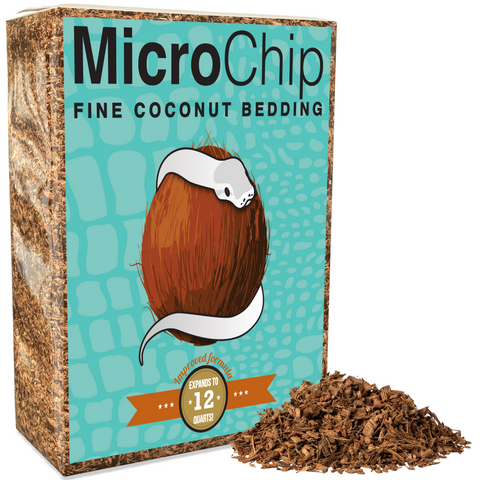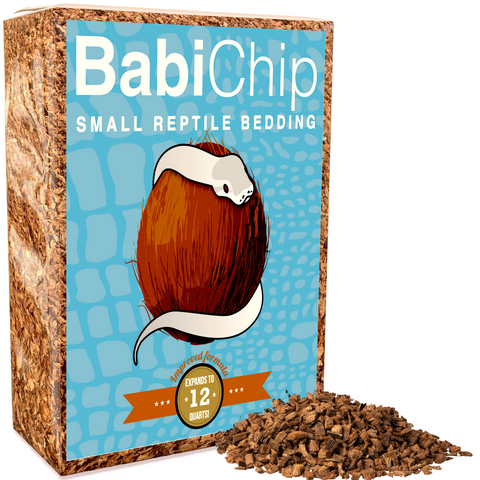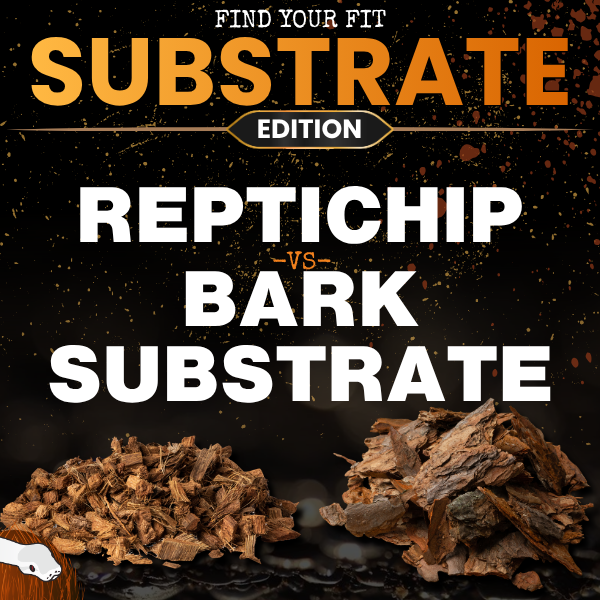

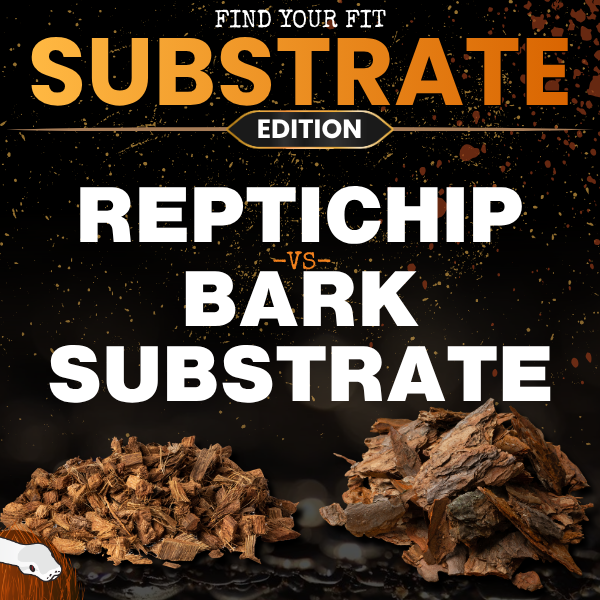
Ever found yourself staring at your animal’s enclosure, wondering if the bedding you chose is really the best for your pet? You’re not alone. The “substrate struggle” is real, and the debate between ReptiChip and bark substrates is hotter than a basking spot in July. Let’s break down the facts and help you make the right call for your animal’s comfort and health.
Why Substrate Matters More Than You Think
Substrate isn’t just something to cover the bottom of the tank, it’s your animal’s world. The right bedding can make the difference between a thriving, happy pet and one that’s stressed or unhealthy. From humidity control to odor management, your choice impacts everything.
ReptiChip: The Coconut Craze
ReptiChip is made from coconut husk, and it’s quickly become a favorite among reptile keepers. Why? It’s super absorbent, holds humidity like a champ, and is gentle on sensitive bellies. Plus, it’s easy to spot clean and doesn’t break down into dust.
“A happy animal starts with a healthy habitat, choose a substrate that works as hard as you do.”
- Holds moisture for higher humidity species
- Naturally resists mold and odors
- Soft texture is safe for burrowing and digging
- Eco-friendly and sustainable
Bark Substrate: Old School, But Not Always Cool
Bark substrates have been around forever, but not all bark is created equal. Aspen, pine, and cedar are common, but some can cause problems. Pine and cedar, for example, release oils that can irritate your animal’s skin and lungs. Even “safe” bark substrate can be dusty, messy, and tough to keep clean.
- Can dry out quickly, making humidity control tricky
- Some types may cause respiratory or skin issues
- Bark pieces can break apart and accidentally ingested, leading to impaction
- Not ideal for species that need to burrow or dig
What’s Best for Your Animal?
Every species has its own needs and ReptiChip has a substrate for everyone. Here’s how to decide:
- For tropical animals (like frogs and geckos): ReptiChip’s moisture-holding power is a game changer
- For arid species (like bearded dragons): ReptiChip works great if you use it dry and can still retain what moisture is needed.
- For burrowers: ReptiChip’s soft, loose texture is perfect for digging.
Tips for Substrate Success
- Always spot clean daily and change out substrate regularly.
- Monitor humidity and temperature to match your animal’s natural habitat.
- Mix and match: Some keepers blend ReptiChip with other ReptiChip substrates, like ReptiEarth or TropicalBase, to create custom setups.
The Bottom Line
Choosing the right substrate isn’t just about looks, it’s about creating a safe, healthy, and natural environment for your animal. ReptiChip offers a modern, reliable solution that outshines traditional bark substrates in most cases. Your pet deserves the best, so why settle for less? Explore ReptiChip and the full range of ReptiChip substrates to see the difference for yourself!