
Ever heard someone say, “Reptiles and amphibians don’t need much water!”? That myth has left more than a few scaly friends parched and cranky. Whether you keep a rainforest frog or a bearded dragon, hydration is just as crucial for herps as it is for us. Let’s bust the dry desert myth and dive into how to keep your herps happy, healthy, and hydrated.
Why Hydration Matters for Herps
Dehydration is sneaky. It can cause lethargy, poor sheds, kidney issues, and even shorten your pet’s lifespan. Reptiles and amphibians may not always look thirsty, but their bodies rely on water for digestion, shedding, and temperature regulation. A well-hydrated herp is more active, sheds cleanly, and shows off those vibrant colors we all love.
“A hydrated herp is a healthy herp, don’t let your pet become a raisin with legs!”
Spotting Signs of Dehydration
How do you know if your herp needs more water? Watch for:
- Wrinkled or loose skin
- Sunken eyes
- Dry, flaky sheds
- Lethargy or lack of appetite
If you notice any of these, it’s time to up your hydration game.
Water Bowls: More Than Just a Dish
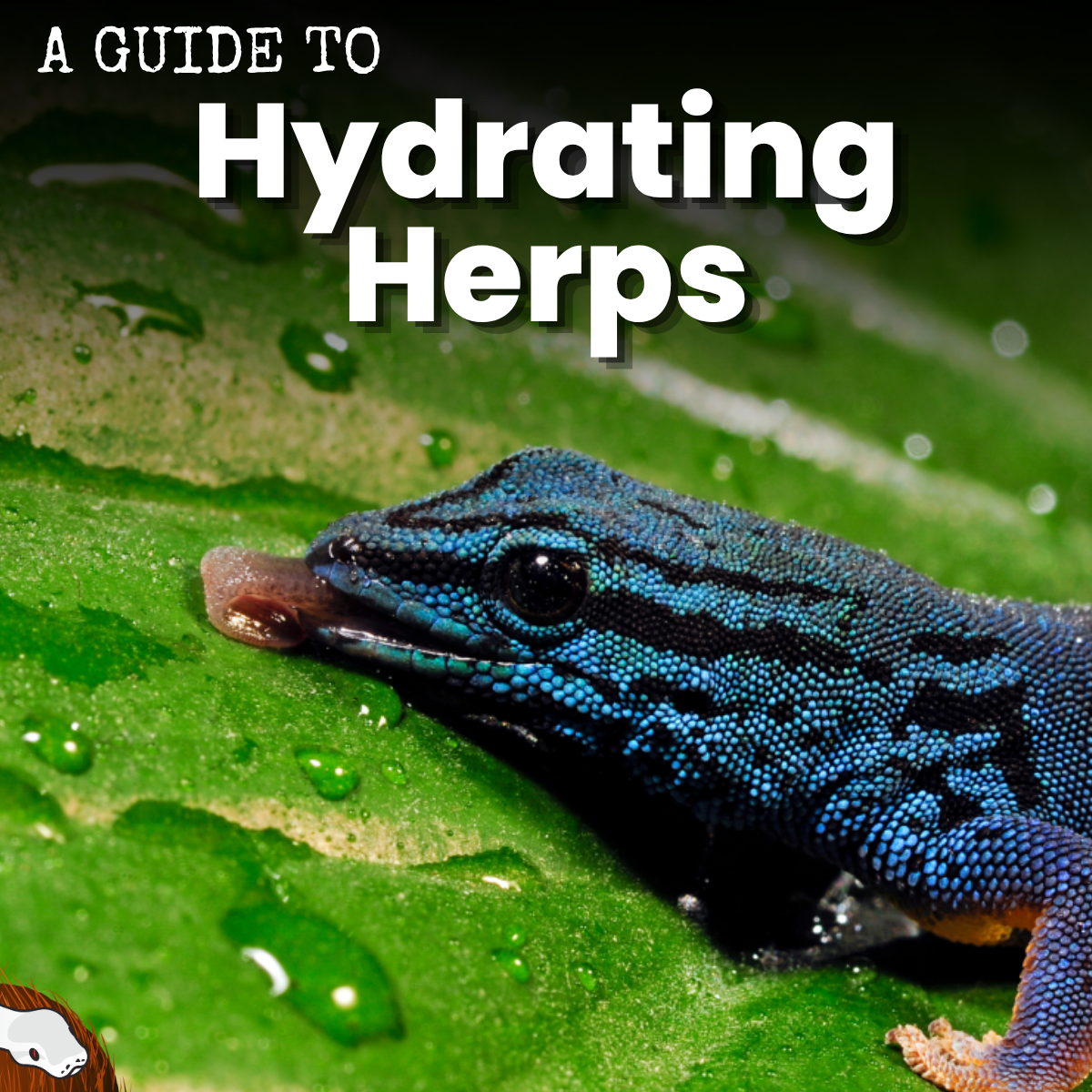
Every enclosure should have a clean, sturdy water bowl. But here’s the trick: not all herps drink standing water! Some, like chameleons, prefer droplets on leaves, while others soak in their bowls. Make sure the bowl is easy to access and not too deep for smaller species.
Boosting Humidity the Right Way
For tropical species, humidity is just as important as drinking water. Use these tips:
- Mist the enclosure daily or use an automatic mister such as MistKing
- Add live plants to help retain moisture
- Use a substrate that holds humidity, like ReptiChip
Monitor humidity with a reliable hygrometer and adjust as needed for your species.
Creative Hydration Hacks
Some animals need a little encouragement to drink. Try these tricks:
- Offer water-rich foods like cucumber or melon (safe for your species)
- Drip water onto rocks or leaves to mimic rain
- Provide a shallow soaking dish for species that enjoy bathing
Customize for Your Critter
Every herp is unique. Research your species’ natural habitat and hydration habits. Desert dwellers may need less humidity but still benefit from occasional soaks, while rainforest species thrive with daily misting and high humidity.
Quick Hydration Checklist
- Fresh, clean water available at all times
- Proper humidity levels for your species
- Regular misting or soaking as needed
- Watch for signs of dehydration
Conclusion
Keeping your herps hydrated isn’t just about filling a water bowl, it’s about understanding their natural behaviors and needs. When you get hydration right, you’ll see brighter colors, smoother sheds, and a more active, thriving pet.