

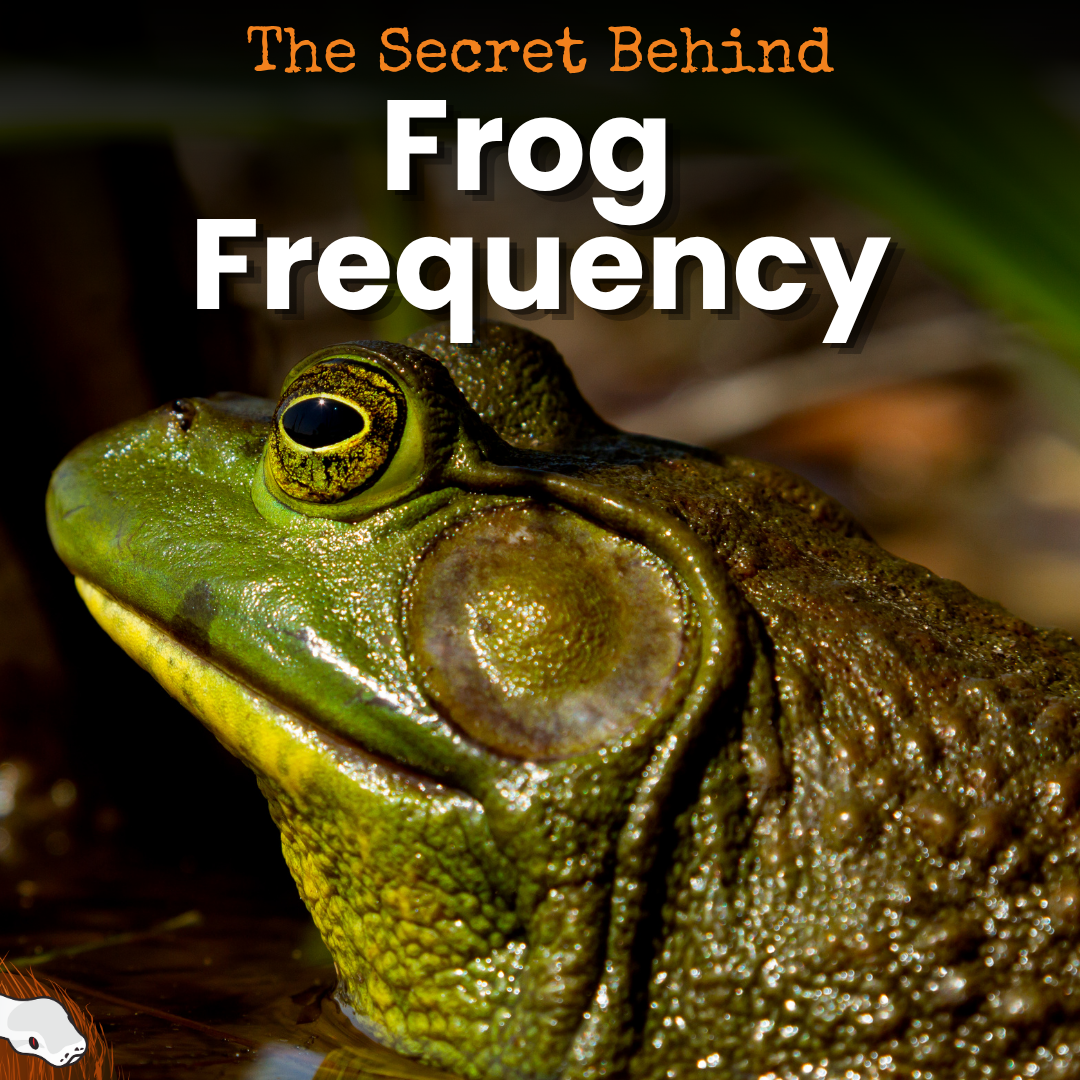

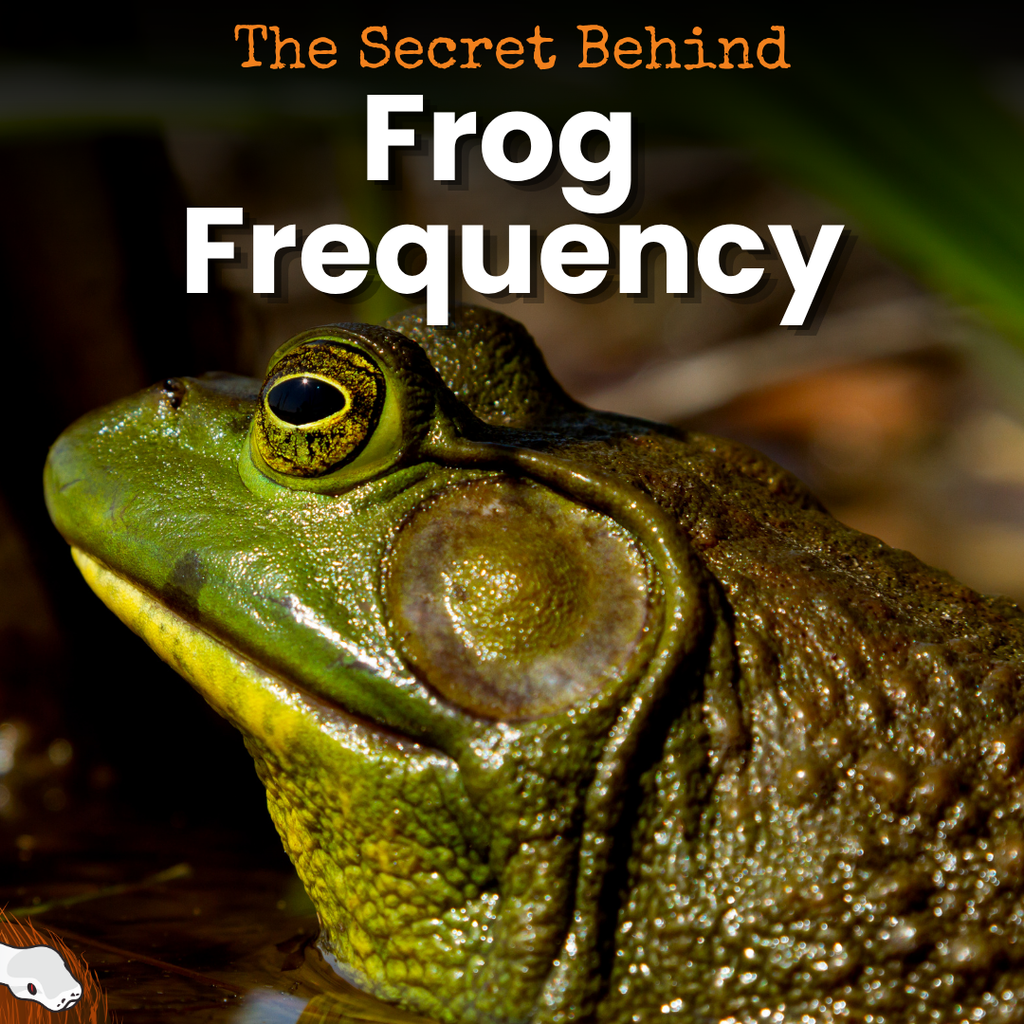
Ever wondered how your frogs hear you tapping on the glass or crooning to them during tank cleanings? The science behind a frog's ear is very fascinating, and it all comes down to their tympanic membranes.
Why Should Keepers Care About Tympanic Membranes?
Understanding how frogs hear isn’t just trivia, it’s key to keeping them healthy and happy. The tympanic membrane, or “tympanum,” is the round, flat disc you’ll spot just behind your frog’s eye. This little patch is their version of an eardrum, and it’s crucial for everything from communication to detecting predators.
What Exactly Is a Tympanic Membrane?
Think of the tympanic membrane as a built-in satellite dish. It picks up sound vibrations from the air and sends them straight to the frog’s inner ear. Unlike mammals, frogs don’t have external ears, so this membrane does all the heavy lifting.
“A frog’s tympanic membrane is like a secret listening device, hidden in plain sight and always tuned in.”
Why Does Tympanic Health Matter?
A healthy tympanic membrane means your frog can:
- Hear potential mates (yes, even in your care!)
- Detect approaching threats
- Communicate with tank mates
If the membrane is damaged or infected, your frog might miss out on important cues, leading to stress or even aggression.
Spotting the Tympanum: What to Look For
Not all frog species have the same size or shape of tympanic membrane. In some, it’s larger than the eye; in others, it’s barely visible. Here’s what to check:
- Clear, unbroken surface
- No swelling or discoloration
- Responsive to gentle sounds (never tap the glass too hard!)
Tips for Supporting Frog Hearing
- Keep noise levels moderate around enclosures.
- Avoid placing tanks near speakers or TVs.
- Maintain humidity and cleanliness to prevent infections.
- Observe your frog’s behavior, if they seem startled or unresponsive, check their tympanum.
Customize for Your Species
Some frogs, like tree frogs, rely heavily on their tympanic membranes for communication, while others are more sensitive to ground vibrations. Research your species’ needs and adjust your care routine:
- Use soft bedding to dampen harsh sounds. TropicalBase and ReptiEarth are great soft beddings that support the health of frogs and toads
- Provide hiding spots to reduce stress from loud environments.
Conclusion
Understanding the tympanic membrane isn’t just fun, it’s a window into your frog’s world. By paying attention to this tiny but mighty structure, you’ll help your frogs thrive and maybe even catch a few more of their secret conversations. Fun fact, very large tympanic membranes can help broadcast calls like a satellite dish and the exact size and spacing of a frog's tympanic membrane dictate which acoustic frequencies it interacts with best. That's ribbiting information!