

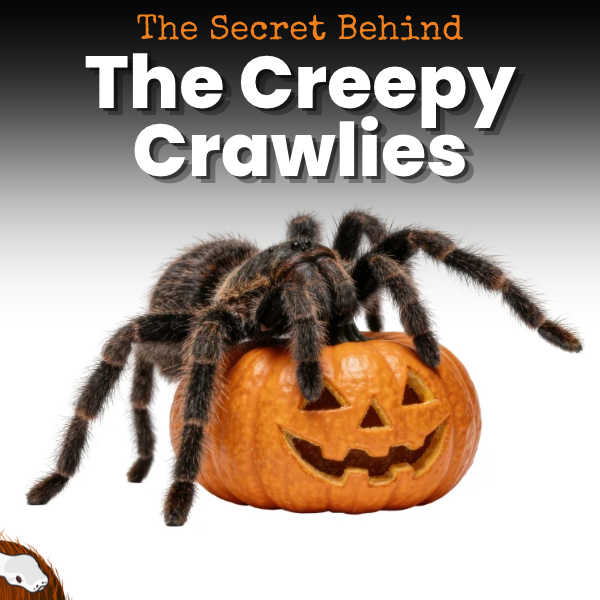


Ever had a friend refuse to visit your reptile room because they’re convinced your ball python is plotting an escape, or that your tarantula is just waiting to leap onto their face? You’re not alone. Myths and spooky stories about reptiles and invertebrates have been around for centuries, and they’re still scaring off would-be keepers and curious minds today.
Let’s face it: these myths don’t just make for good campfire tales. They can actually get in the way of proper care, responsible keeping, and even conservation. If you’re passionate about herps and inverts, busting these myths is more than just fun, it’s essential for the well-being of our scaly and many-legged friends.
Snakes: Not the Villains You Think
Snakes have a reputation for being sneaky, slimy, and even hypnotic. The truth? They’re none of those things. Snakes aren’t slimy at all, their scales are dry and the texture depends on their type of scales, smooth or keeled. As for hypnotizing prey, that’s pure Hollywood. Snakes rely on stealth and patience, not magic powers.
“The only thing a snake will hypnotize is a keeper into falling in love with their unique personalities.”
If you’re worried about snakes being aggressive, remember: most bites happen when a snake feels threatened. Give them space, learn their body language, and you’ll have a calm relationship with your companion.
Spiders: Eight Legs, Zero Malice
How many times have you heard that the average person swallows eight spiders a year in their sleep? Total myth! Spiders want nothing to do with your mouth. In fact, most spiders are shy and avoid humans whenever possible.
- Most “dangerous” spiders are harmless to humans.
- Tarantulas rarely bite, and their venom is usually milder than a bee sting.
- Spiders help control pests in your home and enclosure.
If you keep spiders, provide plenty of hiding spots and avoid sudden movements. You’ll see their natural behaviors shine, and maybe even convert a few arachnophobes along the way.
Creepy Crawlies: More Helpful Than Horrifying
Centipedes, millipedes, and other inverts often get lumped in with the “creepy” crowd. But did you know many of these critters are essential for healthy ecosystems? They break down waste, aerate soil, and even help keep enclosures clean.
- Springtails and isopods are fantastic bioactive cleanup crews.
- Millipedes are gentle detritivores, not venomous monsters.
- Most inverts are more interested in leaf litter than in you.
Customize your enclosure with the right substrate and microfauna for your species. Not only will your pets thrive, but you’ll also get to watch a tiny ecosystem in action.
Why Busting Myths Matters
When we let spooky stories guide our care everyone loses, keepers, animals, and the hobby itself. By learning the truth and sharing it, we make the reptile and invert world more welcoming for everyone.
“The real magic happens when we replace fear with fascination.”
So next time someone recoils at your snake, gecko, or tarantula, share a fun fact or invite them to watch a feeding. You might just spark a new passion, or at least bust a myth or two.
Ready to turn fear into fascination? Your reptiles and inverts will thank you, and so will the next curious keeper who finds their way to your collection!