
Ever tried to wrangle a feisty gecko with your bare hands, only to end up with a tail in one hand and a confused lizard in the other? Or maybe you’ve spent way too long chasing a runaway cricket around your living room. If you’ve been there, you know: herp keeping is a wild ride, and having the right tools can make all the difference between chaos and calm.
Why Your Toolkit Matters
A well-stocked herp keeper’s toolkit isn’t just about convenience, it’s about creating a safe, healthy environment for your pets and making your own life easier. The right gear helps you handle, clean, and care for your reptiles with confidence, whether you’re a seasoned keeper or just starting out.
The Essentials: What Every Keeper Needs
Let’s start with the basics. There are a few tried and true must-haves that every herp enthusiast should keep close:
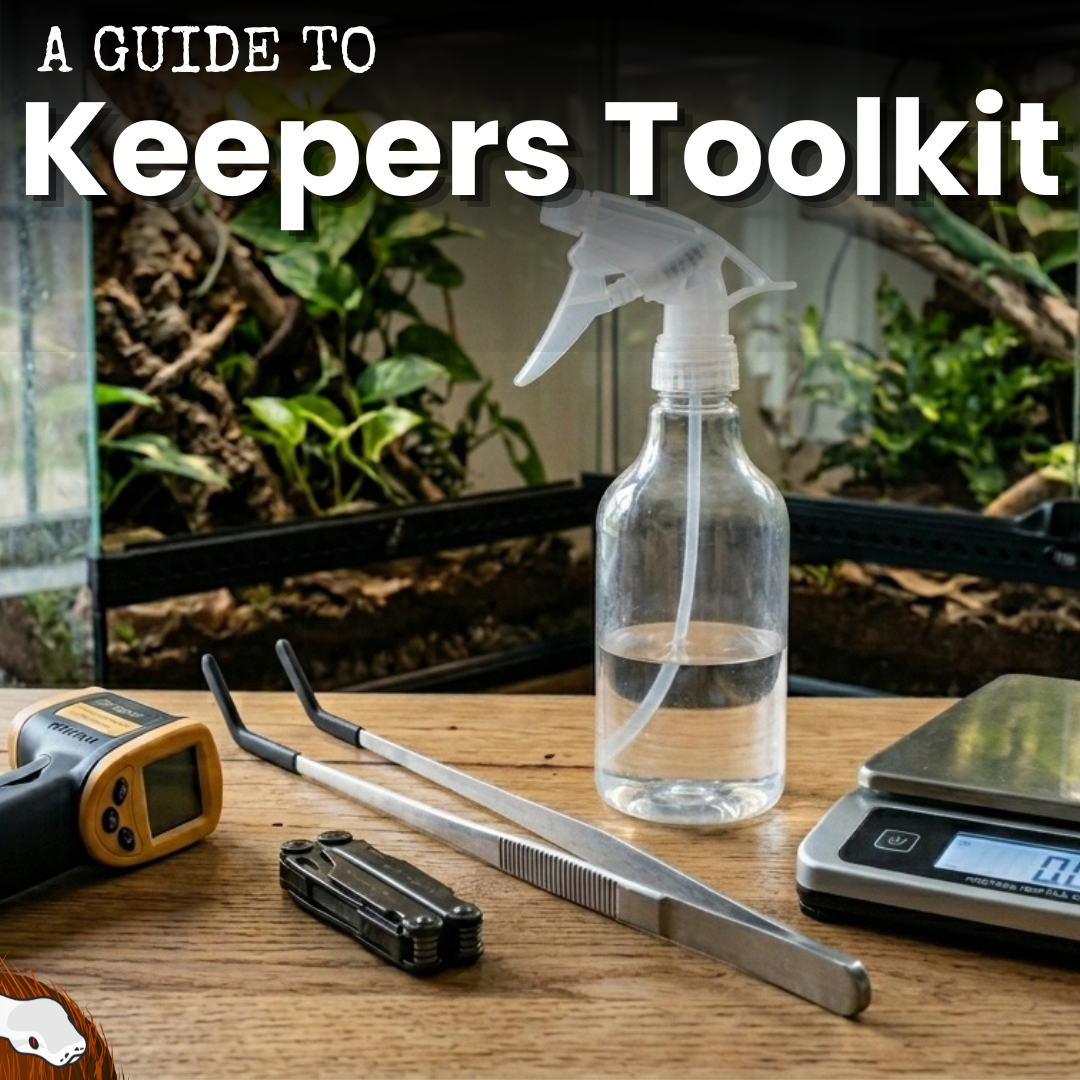
- Feeding tongs: Perfect for offering food without risking your fingers (especially with snappy snakes or shy lizards). Tweezers or Hemostats can work great in this instance.
- Spray bottles: Essential for maintaining humidity and giving your pets a refreshing mist.
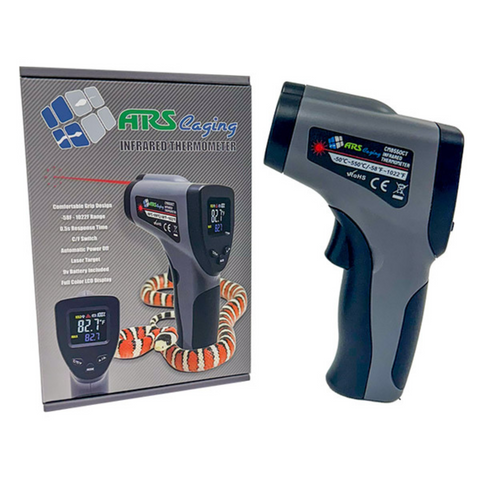
- Thermometers and hygrometers: Accurate temperature and humidity readings are non-negotiable for reptile health.
- ReptiCheté: You never know when you’ll need to access containers or new supplies, having one of these handy will make opening them a breeze.
- Cleaning supplies: Dedicated sponges, scoops, and disinfectants keep enclosures spotless and safe.
“A good toolkit is like a secret weapon, making every task smoother and every herp happier.
Going Beyond the Basics
Once you’ve got the essentials, it’s time to level up. Consider adding these to your arsenal:
- Digital scales: Track your animal's weight for early signs of health issues.
- Hide boxes and décor tools: Rearranging hides and branches is easier (and less stressful for your pet) with the right tools.
- Siphons: Make water changes quick and mess-free, especially for aquatic species.
-Fine point scissors: If you’re a breeder you’ll need these handy to assist any eggs in a pinch.
- Quarantine tubs: Always have a spare enclosure ready for new arrivals or sick animals.
Customize for Your Crew
No two herp collections are the same. A bearded dragon’s needs are worlds apart from a dart frog’s. Think about your species and their unique requirements:
- Arboreal species? Long-handled tongs and misting systems are your best friends.
- Burrowers? Invest in sturdy scoops and substrate sifters.
- Nocturnal reptiles? Red or blue LED flashlights let you check on them without disturbing their sleep.
Tips for a Smooth Routine
- Keep your toolkit organized in a caddy or drawer near your enclosures.
- Clean and disinfect tools regularly to prevent cross-contamination.
- Label everything; especially if you care for multiple species.
Conclusion
Building your herp keeper’s toolkit is more than just collecting gadgets, it’s about setting yourself and your animals up for success. The right tools save time, reduce stress, and help you provide the best care possible.
Ready to upgrade your toolkit? Your animals will thank you, one happy, healthy scale at a time!