

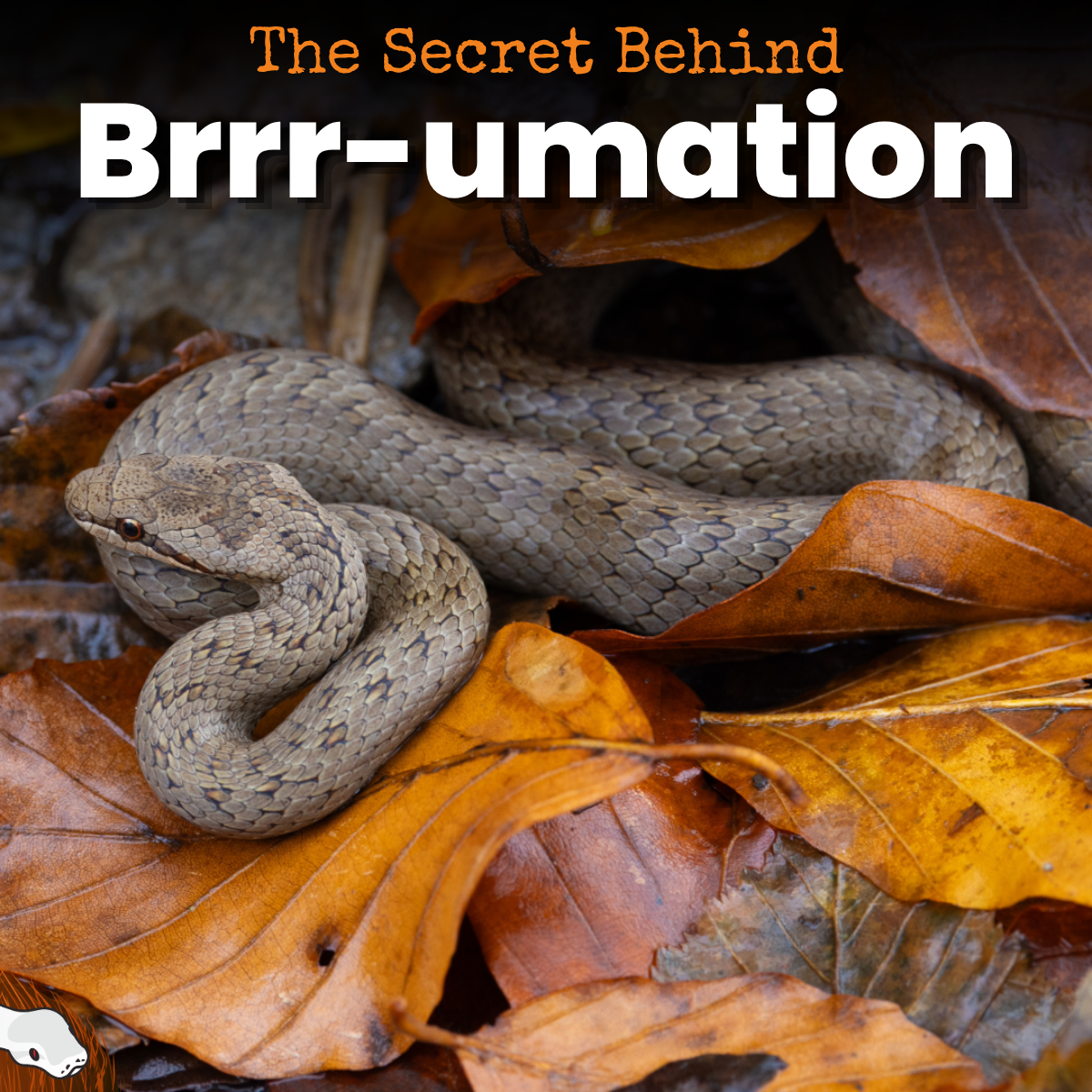

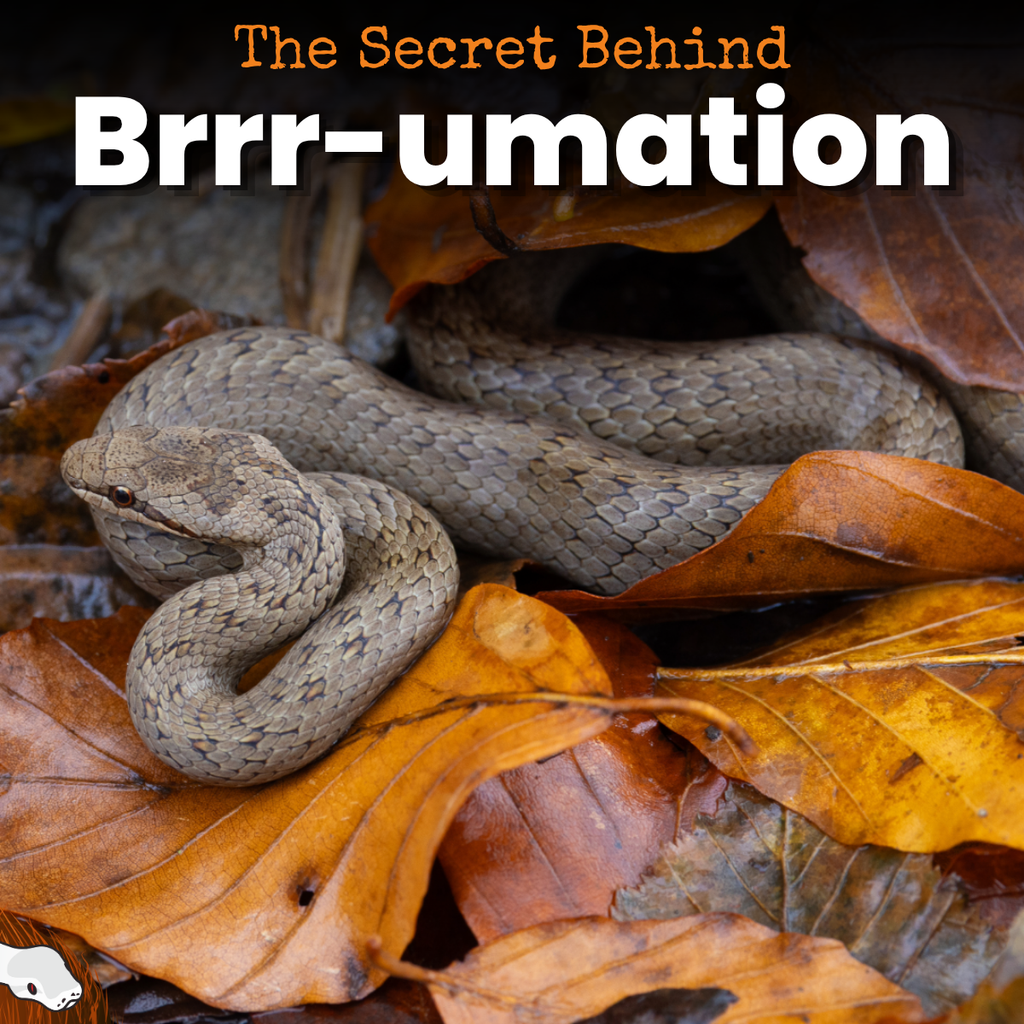
Ever noticed your usually active beardie, hopping frogs, or slithering colubrid suddenly acting like a couch potato as the weather cools down? Maybe you’ve heard the word “brumation” tossed around in herp groups and wondered if your scaly friend is sick or just being dramatic. Brumation is one of those mysterious behaviors that can leave you scratching your head.
Understanding brumation is key to keeping your animals healthy and happy. It’s not just a quirky winter habit, it’s a natural process that helps reptiles and amphibians thrive, and knowing how to handle it can make you a more confident keeper.
What Is Brumation, Anyway?
Brumation is basically the reptile and amphibian version of hibernation. When temperatures drop and daylight hours shrink, many animals slow down, eat less, and spend more time hiding. Unlike mammals, they don’t sleep the whole time, they’ll occasionally wake up for a drink or to shift positions.
“Brumation isn’t a sign your animal is lazy or sick, it’s their way of surviving the colder months.”
Why Do Animals Brumate?
In the wild, brumation helps animals conserve energy when food is scarce and temperatures are low. It’s a survival strategy that’s hardwired into their DNA. For pets, especially those from temperate climates like bearded dragons, blue-tongue skinks, and many colubrids, brumation can still kick in even if their enclosure is toasty.
Signs Your Herp Is Brumating
Don’t panic if you notice these changes:
- Reduced appetite or skipping meals
- Less activity and more hiding
- Sleeping longer hours
- Fewer bowel movements
It’s important to distinguish brumation from illness. If your animal loses a lot of weight, seems dehydrated, or shows other worrying symptoms, check with a vet knowledgeable in reptiles and amphibians.
How to Support a Brumating Herp
Every species is different, so always tailor your care. Here’s how to help your brumating buddy:
- Keep fresh water available at all times
- Lower the basking temperature slightly, but don’t let it get too cold
- Offer food occasionally, but don’t worry if they refuse
- Avoid handling unless necessary
If you keep tropical species like ball pythons or crested geckos, brumation usually isn’t needed and can even be harmful. Know your species’ natural habits!
Should You Encourage Brumation?
For some animals, brumation is essential for breeding and long-term health. For others, it’s optional or unnecessary. If you’re unsure, research your species and talk to other keepers or a vet.
Tips for a Smooth Brumation
- Monitor weight before, during, and after brumation
- Clean the enclosure and remove uneaten food
- Keep a log of behavior changes
- Be patient, brumation can last weeks or even months
Wrapping Up
Brumation might seem strange at first, but it’s a fascinating part of animal care that connects your pet to its wild roots. By understanding and respecting this natural cycle, you’ll help your animal stay healthy and stress-free all year round.