Natural History
The Yellow-Spotted Monitor is a large, highly intelligent species, native to the floodplains, woodlands, and river systems of northern Australia and southern New Guinea. One of the most fascinating aspects of the yellow-spotted monitor is its impressive size and physical abilities. Reaching lengths of up to 5 feet (1.5 meters), with some individuals growing even larger, they are agile and powerful reptiles. In the wild, individuals commonly live 15 to 20 years, though some may exceed this under favorable conditions. Their muscular build and long limbs enable them to be excellent diggers, swimmers, and climbers, making them highly adaptable to different environments. They are known for their unique 'tripod' stance, in which they rear up on their hind legs and use their tail as a third point of balance. This behavior is believed to help them gain a better view of their surroundings, particularly when hunting or scanning for predators. This ability to stand upright, combined with their remarkable speed, makes the yellow-spotted monitor one of the most agile and physically capable monitor species.
Ecologically, the yellow-spotted monitor plays a crucial regulatory role within its habitat. As a mid- to upper-level predator, it helps control populations of rodents, insects, and other small vertebrates, contributing to balanced prey dynamics. Its willingness to consume carrion also aids in nutrient recycling, accelerating the breakdown of dead animals and reducing the spread of disease. At the same time, it serves as prey for larger predators during its early life stages, making it an integral component of the food web. Adaptations such as strong digging limbs, efficient kidneys that conserve water, and behavioral thermoregulation allow it to thrive in environments that range from seasonally flooded wetlands to semi-arid woodlands.
Understanding the yellow-spotted monitor’s natural history reveals a reptile that is intelligent, adaptable, and highly active. Its behaviors demonstrate a balance between caution and bold opportunism, while its ecological role underscores its importance in maintaining the health and stability of its native ecosystems.
Conservation Status
The yellow-spotted monitor is classified as Least Concern on the IUCN Red List, with the assessment conducted in 2017. The population trend is currently decreasing. This classification indicates that the species is relatively widespread and abundant, and it is not currently facing a significant risk of extinction in the near future. Species categorized as Least Concern generally maintain a broad geographic range. However, they may still face localized threats that could impact certain populations which attributes to a decreasing population trend.
Primary threats to the yellow-spotted monitor include habitat destruction, particularly from land clearing for agriculture and urban development. As natural habitats are converted to cropland and human settlements, the available land for these reptiles diminishes, leading to population fragmentation and potential genetic isolation. Climate change also poses a threat, as it can alter the ecosystems in which these monitors thrive, affecting prey availability and habitat conditions. Additionally, while not as prominent as with some other reptile species, the illegal wildlife trade can impact local populations, as individuals may be captured and exported for the exotic pet market. The largest threat to this species is the introduction of the invasive cane toads, where the population declined rapidly, as these monitors can not safely ingest.
Conservation efforts for the yellow-spotted monitor include habitat protection and legal safeguards. Wildlife reserves and protected areas play a crucial role in conserving this species by safeguarding large expanses of its natural habitat. These reserves not only help protect the monitors from habitat loss but also from illegal poaching activities. Furthermore, there are efforts in place for habitat restoration, which aim to rehabilitate lands that have been degraded by human activities, restoring them to a state that can support native wildlife. The removal of invasive species helps aid in the conservation efforts of not only this species but every species in Australia.
While there are no significant breeding programs specifically targeting this species, the conservation of its habitat and enforcement of wildlife protection laws are critical to its continued stability in the wild. In regions where populations might be declining, ongoing monitoring and adaptive management are necessary to ensure that intervention strategies are put in place promptly to avert any downward trends. These combined measures contribute to the preservation of this species and support its role in the ecosystem as a predator and ecological participant.
Native Range
The yellow-spotted monitor has a broad but geographically specific natural range across northern and eastern Australia and extends into southern New Guinea and parts of coastal Papua. In Australia, it is widely distributed through Queensland, the Northern Territory, northern Western Australia, and northern South Australia, with populations also occurring in parts of New South Wales. Within this range, it occupies a variety of inland and coastal drainages, making it one of the more adaptable large monitor lizards of the continent. Although its distribution is expansive, its presence is closely tied to freshwater systems and seasonal floodplains, which define the true limits of its habitat.
At the macrohabitat level, this species inhabits tropical and subtropical savannas, open woodlands, riverine forests, floodplains, wetlands, marshlands, and billabongs. It is especially associated with riparian ecosystems along rivers, creeks, lagoons, and seasonal wetlands. In more arid inland regions, it remains concentrated around permanent or semi-permanent water sources. These broad ecosystems are typically characterized by open canopies of eucalyptus or paperbark trees, grassy understories, and seasonally inundated lowlands.
At the microhabitat scale, the yellow-spotted monitor relies heavily on specific structures within these larger systems. It frequently shelters in deep terrestrial burrows, many of which it excavates itself, often near the water’s edge. These burrows may extend several feet underground and provide protection from predators, extreme heat, and seasonal fires. The species also uses hollow logs, tree root systems, dense grass clumps, and eroded riverbanks for refuge. Individuals are commonly observed basking on fallen logs, exposed banks, and grassy clearings adjacent to water. When threatened, they will rapidly retreat into burrows or enter the water, where they are powerful swimmers. Their strong association with both terrestrial burrows and aquatic escape routes is a defining feature of their ecology.
Climatically, this species is adapted to regions with pronounced wet and dry seasons. In northern Australia and southern New Guinea, summer wet seasons bring heavy rainfall, often exceeding 40 inches annually in some parts of their range, with intense monsoonal storms and widespread flooding. During these months, temperatures commonly range between 85℉ and 100℉ during the day, with high humidity frequently above 70%. In contrast, the dry season brings significantly reduced rainfall, lower humidity, and cooler nighttime temperatures that may fall into the 50s in inland areas. Daytime temperatures during the dry season often remain between 70℉ and 85℉. These seasonal fluctuations strongly influence behavior, including activity levels, breeding, and food availability. The species is most active during warmer months when prey abundance increases.
Elevationally, the yellow-spotted monitor is primarily a lowland species. Most populations occur from near sea level up to elevations of approximately 1,500 feet. It is rarely encountered in high-altitude or mountainous terrain, preferring flat floodplains, gently undulating savannas, and low-elevation riparian corridors. The relatively low elevations within its range are associated with higher temperatures and greater seasonal water availability, both crucial to its survival.
Key environmental factors critical to this species include reliable access to freshwater or seasonal wetlands, suitable soils for burrow excavation, and open basking areas for thermoregulation. Sandy, loamy, or alluvial soils are especially important because they allow construction of stable burrows several feet deep. Vegetation that provides both cover and prey diversity, such as tall native grasses, aquatic plants, and riparian shrubs, supports healthy populations. The combination of basking sites, retreat shelters, and nearby water sources creates the structural complexity required for the species to thermoregulate efficiently, escape predators, and exploit both terrestrial and aquatic prey. Without these interconnected environmental components, long-term survival is significantly compromised.
Behavior
The yellow-spotted monitor is a highly active, diurnal lizard that exhibits complex behavioral patterns shaped by its arid and semi-arid Australian environment. In the wild, it is most active during daylight hours, with peak activity occurring in the early morning and late afternoon when surface temperatures are warm but not extreme. During the hottest portions of the day, especially when ground temperatures exceed 120℉, individuals retreat to deep burrows or shaded refuges to avoid overheating. Seasonal shifts significantly influence behavior. In cooler months, activity is reduced, and individuals may remain within burrows for extended periods, entering a state of brumation when temperatures drop consistently below 68℉. During the breeding season, typically aligned with warmer spring and early summer conditions, activity levels increase markedly, particularly among males.
This species is primarily solitary and strongly territorial. Adult males maintain large home ranges that may overlap with those of several females but rarely tolerate other males within their core territory. Encounters between rival males may involve ritualized displays such as body inflation, tail lashing, hissing, and upright posturing. If neither individual retreats, physical combat can occur, including grappling and attempts to pin the opponent. Females maintain smaller ranges centered around suitable nesting sites. Outside of mating, social interaction is minimal. Courtship behavior involves persistent pursuit by the male, tongue-flicking, alignment alongside the female, and eventual copulation after successful restraint. Females lay clutches of eggs in excavated burrows, often several feet deep, and provide no parental care after oviposition. Hatchlings are entirely independent and highly vulnerable to predation.
The yellow-spotted monitor is highly responsive to environmental stimuli. Thermoregulation is central to its daily routine. Individuals emerge from burrows to bask in direct sunlight, orienting their bodies perpendicular to solar radiation to rapidly elevate core temperature to an optimal active range between approximately 86℉ and 100℉. If body temperature approaches critical upper limits, they retreat to shade, flatten their bodies to reduce solar exposure, or seek subterranean refuge where temperatures are more stable. Light cycles strongly regulate circadian rhythms; decreasing daylight hours contribute to reduced activity and brumation onset. Although native habitats are generally dry, these monitors frequently remain near rivers, floodplains, and wetlands. They are capable swimmers and will readily enter water to escape predators or thermoregulate.
Chemoreception plays a dominant role in prey detection. Like other monitors, this species relies on frequent tongue-flicking to collect airborne and substrate-borne chemical cues, which are delivered to the vomeronasal organ for analysis. Vision is sharp and well-adapted for detecting movement at considerable distances. Hearing is functional but less specialized than visual and chemical senses. When detecting prey, which may include insects, small mammals, birds, eggs, reptiles, and carrion, the monitor often engages in active foraging. It systematically searches burrows, vegetation, and shoreline debris, using its powerful forelimbs and claws to excavate potential hiding spots. This species exhibits opportunistic feeding behavior and has been documented consuming venomous snakes, relying on speed, strong jaws, and partial resistance to certain venoms.
Defensive behaviors are robust and escalate progressively. When threatened, a yellow-spotted monitor may first attempt to flee to a burrow or water source. If cornered, it inflates its body, hisses loudly, and arches to appear larger. The tail, which is muscular, can be used as a forceful whip capable of deterring predators. Biting is a last-resort defense, and the species possesses sharp teeth designed for slicing flesh. Its coloration, dark brown to black with bright yellow spots and bands, provides disruptive camouflage among dappled vegetation and riverbank substrates. Juveniles may exhibit more contrasting patterns, which may enhance concealment in mixed light environments.
In managed care, many natural behaviors persist but are influenced by enclosure size, environmental complexity, and human interaction. Diurnal activity patterns remain intact when proper lighting and heat gradients are provided. However, reduced space compared to natural home ranges can lead to increased pacing or stress-related behaviors if enclosures are insufficiently large or lack environmental enrichment. Individuals often become highly food-motivated and may display anticipatory behaviors when keepers approach. Unlike the sporadic feeding patterns of the wild, regular feeding schedules can lead to obesity if caloric intake is not carefully controlled.
Territorial behavior may be heightened in confined spaces, making cohabitation of adults risky and generally inadvisable. Monitors often display investigative behavior toward enclosure furnishings, indicating high cognitive engagement. Providing deep substrate for digging, structurally complex climbing opportunities, and varied enrichment items is critical for psychological well-being. While wild individuals are naturally wary of large animals, captive-bred specimens can become acclimated to consistent, non-threatening human presence. Nonetheless, they retain strong defensive instincts and can react rapidly if startled.
Overall, the yellow-spotted monitor is an intelligent, highly active predator with advanced sensory capabilities and strong territorial instincts. Its behavioral repertoire reflects adaptation to fluctuating, often extreme environments, and successful management depends on replicating opportunities for thermoregulation, digging, exploration, and controlled expression of natural predatory behaviors.
Husbandry Requirements
Enclosure Design
Yellow-spotted monitors are large, highly active, semi-aquatic lizards native to northern Australia. In the wild, they occupy riverbanks, floodplains, and wetlands where they roam extensively, dig burrows, and swim regularly. Their enclosure must accommodate their considerable size, intelligence, and need for environmental complexity.
Juveniles under two feet in total length can be temporarily housed in enclosures measuring at least 48 inches long by 24 inches wide by 24 inches tall. However, this should only be considered a short-term solution during rapid growth phases. As these monitors grow quickly and often exceed four feet in length as adults, long-term housing must be substantially larger.
A single adult requires a minimum enclosure of eight feet long by four feet wide by four feet tall. Larger is strongly recommended, particularly in length and depth, as these lizards are active terrestrial roamers that also utilize vertical space for climbing and basking. Custom-built enclosures are typically necessary. Suitable materials include sealed plywood with a waterproof epoxy or polyurethane coating, high-grade PVC panels, or commercially built reptile enclosures designed for large monitors.
Ventilation must be balanced carefully. Cross-ventilation is ideal, with vents positioned low on one side and high on the opposite side to encourage airflow without sacrificing humidity and heat retention. All ventilation openings should be securely screened with heavy-gauge metal mesh to withstand the strength of this species.
The interior layout must replicate a riparian environment. Provide a deep substrate layer of at least 12 to 18 inches to allow burrowing. Include multiple secure hides, including a warm hide positioned near the basking zone and a cooler hide on the opposite side. Naturalistic cork bark rounds, half logs, and constructed hide boxes partially buried in substrate work well.
Sturdy climbing structures such as large branches, driftwood, and elevated basking platforms should be securely anchored to prevent shifting. These monitors are heavy-bodied and powerful; all décor must be firmly fixed in place. A large water feature that allows full-body immersion is essential. For adults, this typically means a reinforced tub measuring at least 3 feet long and deep enough to allow soaking without overflow.
Security is critical. Yellow-spotted monitors are strong, intelligent, and capable of pushing open unsecured doors. Enclosures must have locking mechanisms on all access points. Sliding glass doors should include keyed or clip-style locks. Hinged doors must use heavy-duty latches. Any gaps larger than 1/4 inch should be sealed to prevent escape or injury.
Lighting and Heating
As large diurnal lizards from open environments, yellow-spotted monitors require intense lighting and heat to maintain proper metabolism, digestion, and immune function.
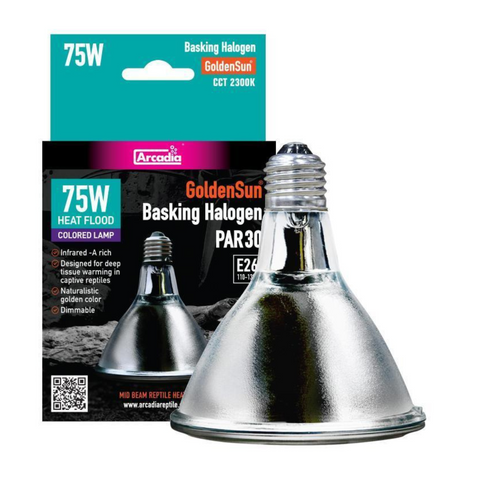
A strong basking gradient is essential. The basking surface temperature should reach 130℉ to 150℉. This high surface temperature is critical for proper digestion and replicates the intense solar exposure experienced in their natural habitat. Ambient temperatures on the warm side should remain between 90℉ and 95℉, while the cooler side should range from 75℉ to 85℉.
Nighttime temperatures may safely drop to 70℉ to 75℉. Supplemental nighttime heat may be provided using a radiant heat panel or ceramic heat emitter if room temperatures fall below this range. All heating elements must be controlled by a reliable thermostat to prevent overheating and thermal injury. Heat rocks should never be used due to their high risk of causing burns.
Full-spectrum UVB lighting is mandatory. A high-output T5 UVB tube with a 12% to 14% UVB rating should be used across a significant portion of the enclosure length. The UVB fixture should be mounted 12 to 18 inches above the basking platform, depending on manufacturer guidelines, to achieve appropriate UV index exposure. The lizard must have the ability to move in and out of UVB zones to self-regulate exposure.
Photoperiod should mimic seasonal patterns found in northern Australia. Provide 12 to 14 hours of light during spring and summer and reduce to 10 to 11 hours during fall and winter. Slight seasonal cooling and reduced lighting duration can promote natural rhythms and breeding behavior in mature animals. Light cycles should be consistent using automatic timers to support endocrine stability.
Substrate and Enrichment
In the wild, these monitors dig extensive burrows along riverbanks and in sandy soils. Therefore, substrate selection must allow deep digging without collapsing.
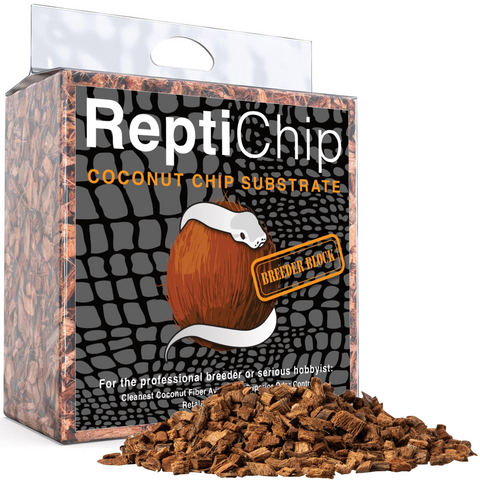
A recommended substrate mix consists of 50% ReptiEarth, 30% sand, and 20% ReptiChip to promote moisture retention and structural integrity. The substrate depth must be at least 12 inches for juveniles and up to 18 inches or more for adults.
The substrate should be lightly packed to hold burrow shape while still allowing excavation. It must be spot-cleaned daily and fully replaced periodically to prevent bacterial buildup. Completely dry sand or gravel should be avoided due to impaction risks and poor structural support for burrows. Reptile carpet should never be used as it harbors bacteria, has potential risks of injury if nails or teeth get caught, and doesn't promote natural behaviours.
Enrichment is essential for mental stimulation. Rearranging branches periodically encourages exploration. Offering whole prey items that require tearing promotes natural feeding behavior. Scent trails using thawed prey can stimulate foraging instincts. Hiding food in puzzle feeders is a great way to stimulate these intelligent monitors. Training in any capacity would benefit this species.
Large climbing branches positioned at varying heights encourage muscular development. Buried food items can promote digging behavior. Visual barriers such as plants, cork panels, and driftwood reduce stress by breaking sight lines and offering retreat zones.
Enrichment can come in many forms and is for the stimulation of your animal. The five types of enrichment you can offer are food related, sensory, physical habitat, cognitive, and social. These categories have a vast variety of options to choose from that are appropriate for the species being enriched
Humidity and Hydration
Yellow-spotted monitors originate from regions with seasonal rainfall and access to water bodies. They require moderate humidity, generally maintained between 50% and 70%, with localized higher humidity within burrows and hides.
Humidity can be maintained through several methods. The deep substrate layer should be lightly moistened while keeping the surface relatively dry. Pouring water into one section of the substrate rather than misting the entire enclosure helps create a humidity gradient. Occasional misting may be used but should not saturate the enclosure.
A large water basin is critical and serves both hydration and behavioral needs. The water must be changed daily, as these monitors frequently defecate in water. Filtration systems can assist in maintaining water quality in larger enclosures. The water temperature should remain between 75℉ and 85℉ to encourage use.
While foggers may be used sparingly, they are typically unnecessary if substrate depth and water features are adequate. Overuse can lead to excessive surface moisture and respiratory issues. Accurate humidity measurement using a digital hygrometer with a probe is strongly recommended. Position probes at mid-level and within burrow zones to monitor gradients effectively.
Proper humidity, combined with adequate hydration and basking heat, supports healthy shedding. Inadequate moisture often leads to retained shed on toes and tail tips, which must be addressed promptly to prevent constriction injuries.
Diet & Supplementation
In the wild, the yellow-spotted monitor is predominantly carnivorous with a diverse and opportunistic diet. It primarily preys upon a variety of small mammals and birds, which provide substantial protein and fat sources essential for its energy-intensive lifestyle. Additionally, this monitor lizard supplements its diet with eggs, invertebrates such as insects and crustaceans, and occasionally, amphibians. This opportunistic feeding behavior enables it to adapt to fluctuating prey availability across its range. Seasonal changes can lead to shifts in prey abundance, causing fluctuations in the monitor's diet. Periods of abundance allow for a more varied diet, while scarce times may force the monitor to rely heavily on available invertebrates or small vertebrates.
The hunting strategy of the yellow-spotted monitor is characterized by active foraging and highly developed sensory abilities. It actively searches for prey using a combination of visual and chemical cues, utilizing its forked tongue in a manner akin to snakes to detect chemical signals in the environment. Its acute vision aids in detecting movement, while its keen sense of smell directs the monitor to hidden prey or eggs. Yellow-spotted monitors are adept at burrowing and climbing, giving them access to both terrestrial and arboreal prey, making them versatile hunters. They do not rely on constriction or venom; rather, they subdue prey using strong jaws and sharp teeth capable of delivering swift bites.
As the yellow-spotted monitor matures, its dietary needs may change, particularly in terms of quantity and variety. Juvenile monitors, driven by growth demands, often exhibit higher feeding frequency compared to adults. They primarily focus on smaller prey items, such as insects and small vertebrates, which are easier to capture and digest. As they age, their dietary intake shifts towards larger and more calorie-dense prey, aligning with their increased size and energy needs. Seasonal prey fluctuations can also impact their feeding frequency and prey choices, necessitating adaptability in their hunting strategies.
Meeting the dietary needs of the yellow-spotted monitor can prove challenging yet essential for maintaining its health. Unlike in the wild, where the varied natural diet provides all necessary nutrients, feeding under human care requires careful dietary planning. A balanced diet should primarily consist of rodents and supplemented with birds, insect prey like crickets or roaches, and occasional eggs to mimic its natural intake profile. To prevent nutritional deficiencies, regular supplementation with calcium and vitamin D3 is crucial, particularly if the monitor does not have access to natural sunlight, which aids in calcium metabolism.
Feeding challenges, such as food refusal or improper prey selection, can stem from stress, poor husbandry practices, or health issues. To address these, it is vital to create a feeding schedule that mimics natural patterns, providing a variety of prey items to stimulate interest and ensure a balanced nutrient intake. Enrichment activities such as hiding food to encourage foraging, or varying prey type and size, can help maintain natural feeding behaviors and prevent obesity. Close monitoring of the monitor's body condition and dietary intake is essential for detecting and correcting issues like malnutrition or obesity, ensuring the yellow-spotted monitor remains healthy and well-nourished.
Reproduction
Yellow-spotted monitors reach sexual maturity relatively quickly for a large-bodied lizard. Males are typically capable of reproduction between two and a half and three and a half years of age, once they exceed approximately three feet in total length and have developed substantial body mass. Females usually mature slightly later, often at three to four years of age, and must reach robust body condition to safely sustain egg production. Attempting to breed undersized or underweight females frequently results in follicular stasis or other reproductive complications. Sexual dimorphism is subtle but present: males tend to have broader heads, thicker necks, more muscular limbs, and proportionally thicker tails at the base due to the presence of hemipenes. Mature males are often more territorial and display heightened seasonal activity compared to females.
Courtship behavior is strongly influenced by seasonal environmental changes. In the wild, this species experiences a pronounced wet-dry cycle, and reproductive activity typically coincides with the onset of warmer temperatures and increased humidity following a cooler, drier period. Increased roaming, tongue-flicking, and exploratory behavior in males often signal reproductive readiness. Courtship may involve tactile stimulation, chin rubbing, and repeated approach-retreat interactions. Males frequently grasp females dorsally with their forelimbs while attempting copulation, and they may bite or hold the neck and shoulder region to secure position. This behavior can appear aggressive but is typical of monitor lizard courtship; however, excessive aggression must be managed carefully to prevent injury.
Successful breeding usually requires a period of environmental cycling. A controlled cooling phase lasting 6 to 10 weeks is commonly used to stimulate reproductive physiology. During this time, daytime ambient temperatures can be gradually reduced to 75℉ to 80℉, with basking sites maintained near 105℉ to 110℉ to allow thermoregulation. Nighttime temperatures may drop to 70℉ to 75℉. Photoperiod should be shortened to approximately 10 hours of light per day. Humidity can be maintained at moderate levels, around 50% to 60%, with slightly drier overall substrate conditions to simulate the dry season. Food intake often decreases naturally during this period and should not be forced.
At the conclusion of the cooling period, environmental conditions are gradually shifted to simulate the onset of the wet season. Daytime ambient temperatures are raised back to 85℉ to 90℉, with basking zones of 120℉ to 130℉, which are critical for proper metabolic and reproductive function in this species. Nighttime temperatures should remain around 75℉ to 80℉. Photoperiod is extended to 12–14 hours daily. Humidity should be increased to 70% to 80% through more frequent misting and the provision of moist substrate areas. These combined changes often stimulate follicular development in females and spermatogenic activity in males.
Yellow-spotted monitors are oviparous and require copulation for internal fertilization. Pair introductions should always occur in a spacious enclosure, ideally no smaller than eight feet long, four feet wide, and four feet tall, to allow sufficient space for avoidance and thermoregulation. Visual barriers and multiple basking and retreat options are essential. Introductions should be supervised closely. In some cases, males may pursue females persistently; short, repeated introductions over several days may reduce stress compared to immediate cohabitation. Permanent group housing is not recommended due to territorial aggression, especially between males. Breeding is most reliably achieved through controlled, temporary pairings rather than long-term communal setups.
Environmental structure plays a significant role in successful copulation. The enclosure should provide stable footing and varied terrain, as mating often occurs on solid substrate or low platforms. Loose, shifting substrate can interfere with successful intromission. A well-established thermal gradient is also critical; if the enclosure lacks adequate basking temperatures above 115℉, males may show interest but fail to complete copulation due to suboptimal muscle performance and stamina.
Several challenges frequently arise in managed care. One common issue is female reproductive suppression due to inadequate caloric intake or insufficient basking temperatures. Without sustained access to high basking temperatures, females cannot maintain proper follicular development. Chronic stress from excessive visibility, lack of hiding areas, or repeated forced interactions can also inhibit ovulation. Providing multiple secure retreats and minimizing human disturbance during the breeding season significantly improves success rates.
Male overaggression is another common obstacle. Large males may inflict serious wounds during courtship if the female is not receptive. Introducing the female into the male’s enclosure often increases territorial behavior; instead, introductions into a neutral enclosure may reduce aggression. If incompatibility persists, pairing with a different individual after a resting period may yield better results.
Improper seasonal cycling is a frequent cause of reproductive failure. Maintaining constant high temperatures and long photoperiods year-round often prevents the hormonal shifts necessary to trigger breeding behavior. Conversely, excessively prolonged cooling or dropping temperatures below 70℉ can suppress appetite and compromise immune function. Careful monitoring of body weight and behavior throughout the conditioning period is essential.
Finally, hydration and humidity must be managed precisely. Chronically dry conditions can lead to poor sperm viability and reduced female receptivity, while continuously saturated substrates may promote skin infections and stress. A dynamic moisture gradient, with both dry basking zones and humid retreats, most closely replicates natural conditions and supports successful reproduction.
With appropriate seasonal cycling, careful mate selection, adequate enclosure size, and vigilant supervision, yellow-spotted monitors can be bred successfully. Their reproductive cycle is closely tied to environmental rhythm, and replicating these fluctuations with precision is the cornerstone of consistent breeding outcomes.
Incubation & Neonate Care
The yellow-spotted monitor is an oviparous species, meaning females reproduce by laying eggs rather than giving live birth. Reproductive activity closely follows seasonal environmental cues in its native Australian habitat, typically coinciding with the warmer, wetter months when food is abundant. Breeding is generally stimulated by a controlled seasonal cycling period that mimics natural fluctuations in temperature, photoperiod, and humidity. Females are sexually mature at approximately three to four years of age, depending on growth rate and nutritional history, and males may mature slightly earlier. Gravid females require optimal nutrition, particularly sufficient calcium and overall caloric intake, to prevent reproductive complications such as follicular stasis or egg binding.
After successful copulation, the female undergoes a gestation period of approximately four to six weeks before oviposition. During this time, she will become noticeably heavier and may display restless behavior as she searches for an appropriate nesting site. A deep laying box is essential. This container should be at least 2 feet long, 1.5 feet wide, and 1.5 to 2 feet deep, filled with a firmly packed yet diggable substrate such as a mixture of ReptiEarth and sand. The substrate should be moist enough to clump when squeezed but not wet enough to drip. Providing a nesting depth of at least 12 to 18 inches allows the female to construct a stable burrow chamber, which is critical for proper egg deposition. Inadequate nesting conditions are a primary cause of egg retention, a potentially fatal condition requiring veterinary intervention.
Clutch sizes vary with age, body condition, and environmental factors but generally range from 6 to 14 eggs per clutch. The eggs are elongated and leathery. Once laid, they should be carefully excavated without rotation and transferred to an incubator. The incubation medium should be a moisture-retentive substrate such as vermiculite or perlite, mixed with water by weight at approximately a 1:1 ratio. The substrate should remain slightly damp but never waterlogged, as excessive moisture can drown embryos while insufficient humidity can result in desiccation and egg collapse.
Incubation temperatures play a critical role in development and survival. Eggs should be maintained between 84℉ and 88℉ for optimal results. Consistency is essential; fluctuations beyond 82℉ and 90℉ may result in developmental abnormalities or embryo mortality. The incubation period typically ranges from 180 to 240 days, depending on temperature stability. While temperature-dependent sex determination is documented in many monitor species, specific, well-defined sex ratio thresholds for this species are not as clearly established as in some other reptiles. However, maintaining mid-range incubation temperatures is generally recommended to promote balanced development and reduce the likelihood of skewed sex ratios. Relative humidity within the incubator should remain around 75% to 85%, achieved through substrate moisture and limited ventilation.
As hatching approaches, eggs may slightly dent or collapse as the neonates absorb the remaining yolk. Hatchlings use an egg tooth to slit the shell and may remain partially inside the egg for 24 to 48 hours while absorbing residual yolk material. This process should not be rushed or artificially assisted unless a clear emergency is present, as premature intervention can cause fatal hemorrhage or infection. Once fully emerged, hatchlings typically measure 8 to 12 inches in total length and are alert and highly reactive.
Neonates must be housed separately from adults and, ideally, individually or in small, carefully monitored groups to prevent competition or cannibalism. Even at a young age, yellow-spotted monitors display strong feeding responses and territorial tendencies. A juvenile enclosure for a single hatchling should measure no less than 36 inches long, 18 inches wide, and 18 inches tall, with secure ventilation and multiple hiding areas. A temperature gradient is critical. Ambient daytime temperatures should range from 82℉ to 88℉, with a basking surface temperature of 110℉ to 120℉ to support proper digestion and metabolic development. Nighttime temperatures can safely drop to 75℉ to 78℉. Humidity should be maintained between 50% and 70%, with access to a humid hide to support proper shedding.
Fresh water must be available at all times in a shallow dish large enough for soaking but easy to exit. Hatchlings typically have a strong feeding response and should be offered their first meal approximately three to five days after hatching, once the yolk sac is fully absorbed. Initial prey items may include appropriately sized crickets, roaches, and small pieces of chopped rodent or fish. Food should be offered daily for the first several months of life to support rapid growth, with all prey items dusted regularly with calcium and vitamin supplements to prevent metabolic bone disease. UVB lighting of appropriate intensity is strongly recommended to promote healthy skeletal development, even if dietary supplementation is carefully managed.
Close monitoring during the first year is essential. Common health concerns in neonates include dehydration, retained shed, metabolic bone disease due to improper lighting or supplementation, and stress-related anorexia. Handling should be minimal initially, as hatchlings are highly defensive and prone to stress. Gradual acclimation through calm, consistent husbandry practices promotes improved temperament and feeding reliability over time.
With precise incubation management and attentive neonatal care, yellow-spotted monitors can develop into robust juveniles with strong growth rates and stable health. Careful attention to nest site preparation, incubation stability, and early-life nutrition is critical for maximizing survival and long-term success.
Conclusion
Care for yellow-spotted monitors demands attention to detail and commitment to replicating natural conditions as closely as possible. Enclosures must be spacious and structurally complex to accommodate their active lifestyle and territorial nature, with appropriate substrates for burrowing and varied microhabitats for shelter and exposure. Consistent, high temperatures and UVB exposure are critical for thermoregulation, metabolic function, and overall health. Proper humidity levels are imperative to prevent dehydration and facilitate normal shedding processes.
Conservation efforts are vital for ensuring the long-term stability of the yellow-spotted monitor populations in the wild. Habitat protection and restoration, coupled with enforcement against illegal trade, are paramount in safeguarding this species against threats such as habitat loss, climate change, and invasive species. Understanding their ecological significance highlights the importance of maintaining balanced ecosystems where they act as both predator and prey.