Free Shipping to the Lower 48!

Free Shipping to the lower 48!

id="mega-catalog" name="no-js-main-navigation">

This section doesn’t currently include any content. Add content to this section using the sidebar.

Image caption appears here

Add your deal, information or promotional text

Ceratogyrus marshalli

Straight Horned Baboon Tarantula

Best su...
Order

What Makes ReptiChip The BestStraight Horned Baboon Tarantula Bedding

Filter by age:

Best Substrates for Adult Straight Horned Baboon Tarantulas

Best Enclosures for Adult Straight Horned Baboon Tarantulas

Best Substrates for Subadult Straight Horned Baboon Tarantulas

Best Enclosures for Subadult Straight Horned Baboon Tarantulas

Ceratogyrus marshalli, commonly known as the Straight Horned Baboon Tarantula, is a fascinating species native to southern Africa. One of its most distinctive features is its appearance, characterized by prominent horn-like projections on the cephalothorax (head and thorax region) of the spider, giving it a unique and somewhat intimidating appearance. These horns are thought to play a role in defense against predators or possibly in intraspecific competition during mating rituals. Beyond their striking physical characteristics, Straight Horned Baboon Tarantulas are known for their burrowing behavior. They create intricate underground retreats using their strong, spade-like pedipalps to excavate tunnels in sandy or loamy soil. These burrows not only provide shelter but also serve as a place to ambush passing prey, which typically includes insects and other small invertebrates found in their arid habitat.

In terms of temperament, Ceratogyrus marshalli is known for its defensive behavior when threatened. Like many baboon tarantulas, it may display threat postures or even flick urticating hairs from its abdomen as a defense mechanism. Despite their formidable appearance, they are also known to be relatively hardy and adaptable in captivity, making them a popular choice among tarantula enthusiasts. Their natural habitat in southern Africa, characterized by dry savannahs and grasslands, presents challenges such as seasonal variations in temperature and humidity, which they have adapted to over millennia. Overall, Ceratogyrus marshalli stands out not only for its physical adaptations and defensive behaviors but also for its role as an example of evolutionary specialization within the diverse world of tarantulas.

Why ReptiChip?

A yello...
INNOVATIVE PRODUCTS
MADE IN THE USA
ALL NATURAL
FREE SHIPPING
EXPERT SUPPORT
VETERAN OWNED

ReptiChip is made by straight horned baboon tarantula lovers, for straight horned baboon tarantula lovers. It’s what the pros use, and it’s what you can use, too.

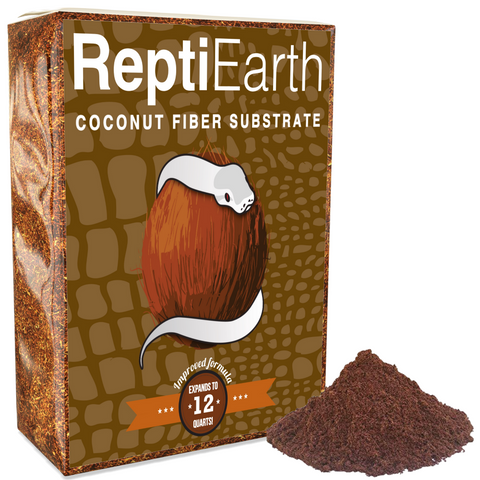
Our product line includes BabiChip, RediChip, TropicalBase, MicroChip, and ReptiEarth, so you can be sure to find the perfect straight horned baboon tarantula bedding for your pet.

Ready to switch to the ultimate straight horned baboon tarantula bedding? Check out ReptiChip today.

Common Straight Horned Baboon Tarantula ReptiChip Questions

The scientific name of the Straight Horned Baboon Tarantula is Ceratogyrus marshalli.


The Straight Horned Baboon Tarantula is also known as Great horned baboon tarantula.

Straight Horned Baboon Tarantulas are native to Southern Africa, Zimbabwe, and South Africa.

Adult Straight Horned Baboon Tarantulas typically reach 4-5 inches.

Straight Horned Baboon Tarantula lifespan: Females: 10-15 years Males: 3-5 years.

Recommended temperatures for a Straight Horned Baboon Tarantula: 70-75°F cool side, 80-85°F warm side, and No basking spot.

Straight Horned Baboon Tarantulas need 50-70% humidity.

UVB lighting is recommended because it benefits Straight Horned Baboon Tarantulas. Lighting spec: UVA/UVB benefits animal.

Recommended enclosure sizes for a Straight Horned Baboon Tarantula: Adult; 18”x18”x18”. Always base adult size enclosure off of adult size and activity level.

Straight Horned Baboon Tarantulas eat: Carnivores; Insects; Invertebrates.

Straight Horned Baboon Tarantulas are not usually recommended for beginners; they are rated Intermediate/Advanced for keeper experience.

Straight Horned Baboon Tarantulas are nocturnal (active at night).

Common Straight Horned Baboon Tarantula behavior traits: Old World; Fossorial; Very defensive; Quick moving; Skilled burrowers; Create elaborate underground tunnels; Reinforces burrows with web; Potent venom; Solitary.

Yes. Straight Horned Baboon Tarantulas are oviparous, meaning they lay eggs.

A Straight Horned Baboon Tarantula clutch is typically about 50-100 eggs.

Recommended substrates for juvenile Straight Horned Baboon Tarantulas: ReptiEarth Fine Coconut Fiber Mix; Ready to Use.

Recommended substrates for sub-adult Straight Horned Baboon Tarantulas: ReptiEarth Fine Coconut Fiber Mix; Ready to Use.

Recommended substrates for adult Straight Horned Baboon Tarantulas: ReptiEarth Fine Coconut Fiber Mix; Ready to Use.

Recommended enclosures for Straight Horned Baboon Tarantulas by age. Sub-adult: HabiStat 18" Glass Terrariums. Adult: HabiStat 24" Glass Terrariums.

Search