Free Shipping to the Lower 48!

Free Shipping to the lower 48!

id="mega-catalog" name="no-js-main-navigation">

This section doesn’t currently include any content. Add content to this section using the sidebar.

Image caption appears here

Add your deal, information or promotional text

Boa sigma

Sonoran Desert Boa

Best su...
Order

What Makes ReptiChip The BestSonoran Leopard Boa Bedding

Filter by age:

Best Substrates for Subadult Sonoran Leopard Boas

Best Enclosures for Subadult Sonoran Leopard Boas

Best Lighting Products for Subadult Sonoran Leopard Boas

Best Heating Products for Subadult Sonoran Leopard Boas

Best Substrates for Juvenile Sonoran Leopard Boas

Best Enclosures for Juvenile Sonoran Leopard Boas

Best Lighting Products for Juvenile Sonoran Leopard Boas

Best Heating Products for Juvenile Sonoran Leopard Boas

The Sonoran Desert Boa (Boa sigma), also known as the Mexican West Coast Boa Constrictor, is a striking species native to the arid and semi-arid regions of northwestern Mexico and the southwestern United States, particularly within the Sonoran Desert. This boa is distinguished by its vibrant coloration, which ranges from rosy pinks and reds to shades of orange and brown. Its skin is often adorned with subtle patterns of dark spots or stripes, which provide effective camouflage against the desert's sandy and rocky terrain. This coloration not only aids in blending into the environment but also helps it remain inconspicuous from potential predators and prey. The Sonoran Desert Boa's robust and muscular body is well-adapted to its habitat, allowing it to move effortlessly through tight spaces and burrow into the ground to escape the desert heat or conceal itself while hunting.

Adapted to the extreme conditions of its environment, the Sonoran Desert Boa exhibits fascinating behavioral and physiological traits. It is primarily nocturnal, emerging during the cooler night hours to hunt for small mammals, lizards, and other desert-dwelling prey. This nocturnal activity helps it avoid the harsh daytime temperatures of its habitat. The boa uses a combination of ambush techniques and active hunting strategies to capture its prey. Additionally, it demonstrates impressive thermoregulation skills, utilizing the varying temperatures within its desert environment to maintain optimal body heat. This behavioral adaptation ensures the boa can thrive in the fluctuating conditions of the Sonoran Desert, showcasing its resilience and evolutionary success in one of the planet's most challenging habitats.

Why ReptiChip?

A yello...
INNOVATIVE PRODUCTS
MADE IN THE USA
ALL NATURAL
FREE SHIPPING
EXPERT SUPPORT
VETERAN OWNED

ReptiChip is made by sonoran leopard boa lovers, for sonoran leopard boa lovers. It’s what the pros use, and it’s what you can use, too.

Our product line includes BabiChip, RediChip, TropicalBase, MicroChip, and ReptiEarth, so you can be sure to find the perfect sonoran leopard boa bedding for your pet.

Ready to switch to the ultimate sonoran leopard boa bedding? Check out ReptiChip today.

Common Sonoran Leopard Boa ReptiChip Questions

The scientific name of the Sonoran Leopard Boa is Boa sigma.
The Sonoran Leopard Boa is also known as Mexican west coast boa and Leopard boa.

Sonoran Leopard Boas are native to Western Mexico.

Adult Sonoran Leopard Boas typically reach about 4-6 ft.

Sonoran Leopard Boas live about 20-25+ years with proper care.

Recommended temperatures for a Sonoran Leopard Boa: 70-75°F cool side, 80-85°F warm side, and 90-95°F basking spot.

Sonoran Leopard Boas need 40-60% humidity.

UVB lighting is recommended because it benefits Sonoran Leopard Boas. Lighting spec: UVA/UVB benefits animal.

Recommended enclosure sizes for a Sonoran Leopard Boa: Baby-Young: 36”x18”x18” (<6 months +); Sub Adult-Adult: 48”x24”x24” (minimum); Adult: 72”x24”x24” (6 ft adult minimum). Always base adult size enclosure off of snake size. They should be able to stretch out in length completely & turn around comfortably.

Sonoran Leopard Boas eat: Carnivorous; Rodents; Quail; Chicks.

Sonoran Leopard Boas are not usually recommended for beginners; they are rated Intermediate for keeper experience. If previously established on F/T rodents.

Sonoran Leopard Boas are nocturnal (active at night).

Common Sonoran Leopard Boa behavior traits: Can be fearful when young; Strong feeding response; Docile generally; Warm up easily with consistent handling; Climb sometimes, but generally like to be on ground; Leopard coloration is a pattern mutation that popped up captive breeding.

No. Sonoran Leopard Boas are ovoviviparous; eggs develop inside the mother and the young are born live.

A Sonoran Leopard Boa litter is typically about 10-20+ babies.

Sonoran Leopard Boa gestation typically lasts about 180-240 days.

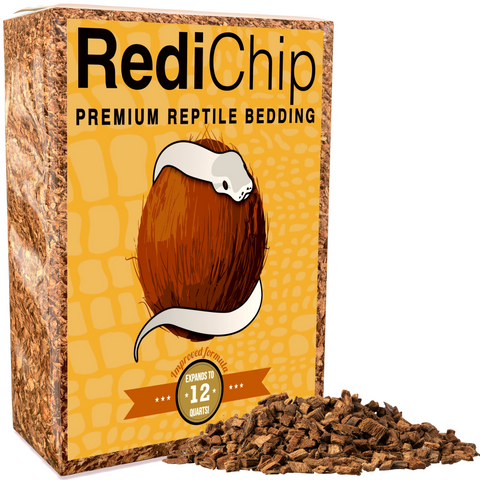
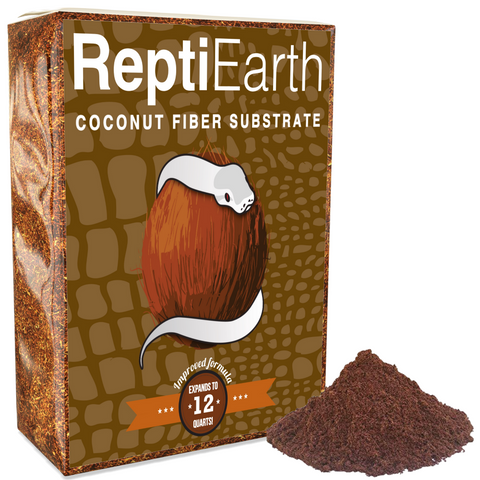
Recommended substrates for juvenile Sonoran Leopard Boas: RediChip Premium Medium Sized Coconut Chips; Ready to Use and ReptiEarth Fine Coconut Fiber Mix; Ready to Use.

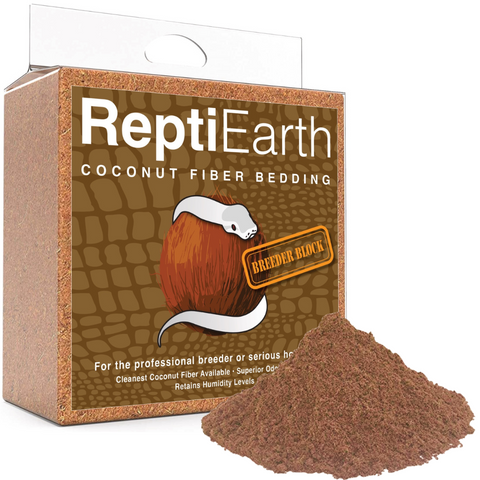
Recommended substrates for sub-adult Sonoran Leopard Boas: ReptiEarth Breeder Blocks and Bundles and RediChip Premium Medium Sized Coconut Chips; Ready to Use.

Recommended substrates for adult Sonoran Leopard Boas: ReptiChip Coarse Coconut Chip Mix; Ready to Use and ReptiEarth Fine Coconut Fiber Mix; Ready to Use.

Recommended enclosures for Sonoran Leopard Boas by age. Juvenile: Vivarium 36" Sliding Door Reptile Terrariums. Sub-adult: Vivarium 48" Sliding Door Reptile Terrariums (4'x2').

Recommended lighting products for Sonoran Leopard Boas: Arcadia 6% UVB D3 Forest Lighting.

Recommended heating products for Sonoran Leopard Boas: Vivarium Electronics Radiant Heat Panels and Vivarium Electronics Thermostats.

Search