Free Shipping to the Lower 48!

Free Shipping to the lower 48!

id="mega-catalog" name="no-js-main-navigation">

This section doesn’t currently include any content. Add content to this section using the sidebar.

Image caption appears here

Add your deal, information or promotional text

Liasis mackloti savuensis

Savu Python

Best su...
Order

What Makes ReptiChip The BestSavu Python Bedding

Filter by age:

Best Bundles for Subadult Savu Pythons

Best Substrates for Subadult Savu Pythons

Best Enclosures for Subadult Savu Pythons

Best Lighting Products for Subadult Savu Pythons

Best Heating Products for Subadult Savu Pythons

Best Substrates for Juvenile Savu Pythons

Best Enclosures for Juvenile Savu Pythons

Best Lighting Products for Juvenile Savu Pythons

Best Heating Products for Juvenile Savu Pythons

The Savu Python (Liasis savuensis), native to the small Savu Islands of Indonesia, is a unique species known for its relatively small size and striking color changes as it matures. Hatchlings emerge with a vibrant orange to reddish-brown hue, which gradually darkens to a rich chocolate brown or black as they age. One of the most intriguing aspects of this species is the presence of bright white or cream-colored eye rings, which stand out vividly against their darker bodies. This color contrast gives the Savu Python a striking appearance, making them a visually appealing species for reptile enthusiasts. In addition to their fascinating color transformation, these pythons typically reach lengths of around 3 to 6 feet, making them smaller than many other python species, which adds to their popularity in the exotic pet trade.

Another interesting characteristic of the Savu Python is its adaptability to the Savu Islands' semi-arid environment. Unlike many tropical pythons that thrive in humid, forested regions, the Savu Python is well-suited to more arid habitats with sparse vegetation and rocky outcrops. This species often shelters in crevices or under rocks during the day and emerges at night to hunt small mammals, birds, and occasionally reptiles. The python's nocturnal hunting behavior is further aided by its heat-sensing pits, allowing it to detect warm-blooded prey in low-light conditions. Despite its endangered status due to habitat loss and its limited range, the Savu Python remains a subject of interest for conservationists and herpetologists, as its unique ecological adaptations and small size make it stand out among other pythons.

Why ReptiChip?

A yello...
INNOVATIVE PRODUCTS
MADE IN THE USA
ALL NATURAL
FREE SHIPPING
EXPERT SUPPORT
VETERAN OWNED

ReptiChip is made by savu python lovers, for savu python lovers. It’s what the pros use, and it’s what you can use, too.

Our product line includes BabiChip, RediChip, TropicalBase, MicroChip, and ReptiEarth, so you can be sure to find the perfect savu python bedding for your pet.

Ready to switch to the ultimate savu python bedding? Check out ReptiChip today.

Common Savu Python ReptiChip Questions

The scientific name of the Savu Python is Liasis mackloti savuensis.


The Savu Python is also known as White-eyed python.

Savu Pythons are native to Indonesia and Sawu island.

Adult Savu Pythons typically reach about 3-6 ft.

Savu Pythons live about 15-20+ years with proper care.

Recommended temperatures for a Savu Python: 70-75°F cool side, 80-85°F warm side, and 90-92°F basking spot.

Savu Pythons need 50-70% humidity.

UVB lighting is recommended because it benefits Savu Pythons. Lighting spec: UVA/UVB benefits animal.

Recommended enclosure sizes for a Savu Python: Baby-Young: 36”x18”x18” (<6 months +); <6ft/Sub Adult: 48”x24”x24” (minimum); >6ft/Adult: 72”x24”x24” (minimum). Always base adult size enclosure off of snake size. They should be able to stretch out in length completely & turn around comfortably.

Savu Pythons eat: Carnivorous; Rodents; Quail; Chicks; Rabbits.

Savu Pythons are not usually recommended for beginners; they are rated Intermediate for keeper experience. If previously established on F/T rodents.

Savu Pythons are nocturnal (active at night).

Common Savu Python behavior traits: Arboreal python; Prehensile tails; Sleep on ground-under logs/hides; Ambush hunters; Although nocturnal they will bask during the day; Generally docile; Warm up easily with consistent handling; Solitary besides breeding season; Males compete/combat for females in wild.

Yes. Savu Pythons are oviparous, meaning they lay eggs.

A Savu Python clutch is typically about 10-20 eggs.

Savu Python eggs typically incubate for about 60-80 days before hatching.

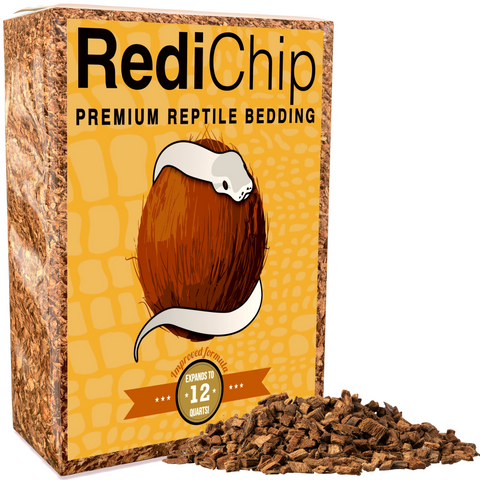
Recommended substrates for juvenile Savu Pythons: RediChip Premium Medium Sized Coconut Chips; Ready to Use.

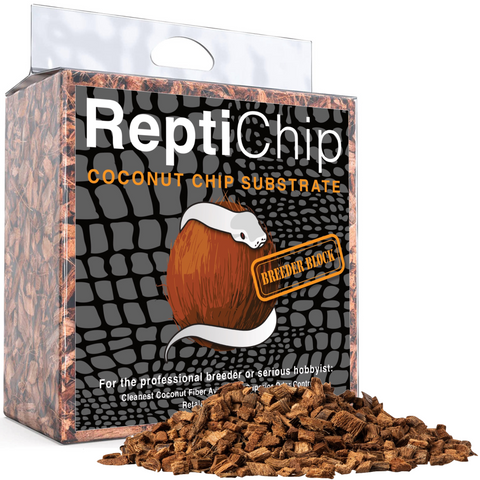
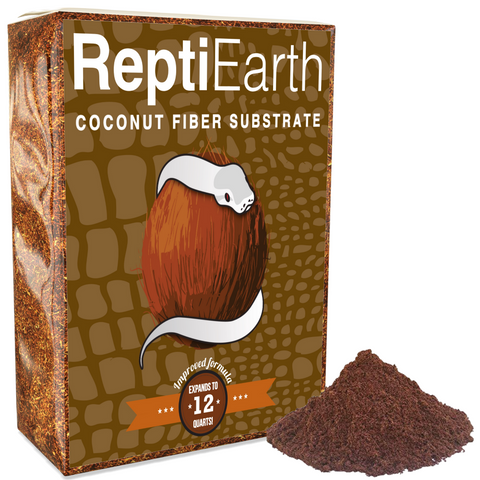
Recommended substrates for sub-adult Savu Pythons: ReptiChip Breeder Blocks and Bundles, ReptiEarth Fine Coconut Fiber Mix; Ready to Use, and ReptiChip Coarse Coconut Chip Mix; Ready to Use.

Recommended substrates for adult Savu Pythons: ReptiChip Breeder Blocks and Bundles.

Recommended enclosures for Savu Pythons by age. Juvenile: HabiStat 24" Glass Terrariums. Sub-adult: Vivarium 48" Sliding Door Reptile Terrariums (4'x2').

Recommended lighting products for Savu Pythons: Arcadia 6% UVB D3 Forest Lighting.

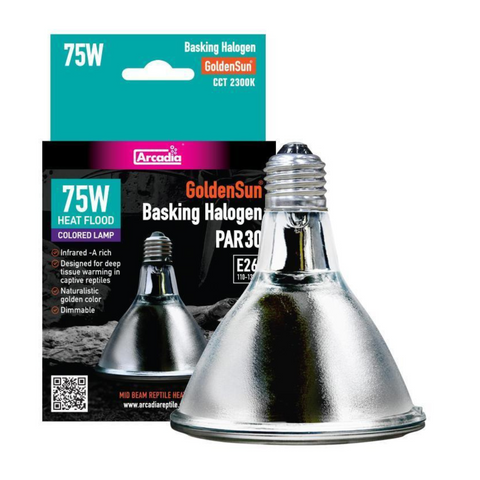
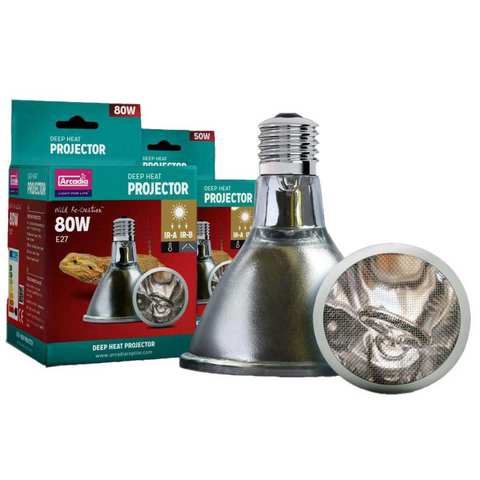
Recommended heating products for Savu Pythons by age. Juvenile: Arcadia Deep Heat Projectors and Vivarium Electronics Ceramic Dome Reflector. Sub-adult: Arcadia GoldenSun Basking Halogen Heater and Vivarium Electronics Ceramic Dome Reflector. Adult: Vivarium Electronics Radiant Heat Panels and Vivarium Electronics Thermostats.

Yes. Recommended habitat bundles for Savu Pythons by age. Juvenile: Juvenile Savu Python Ultimate Habitat Bundle. Sub-adult: Subadult Savu Python Ultimate Habitat Bundle.

Search