Natural History
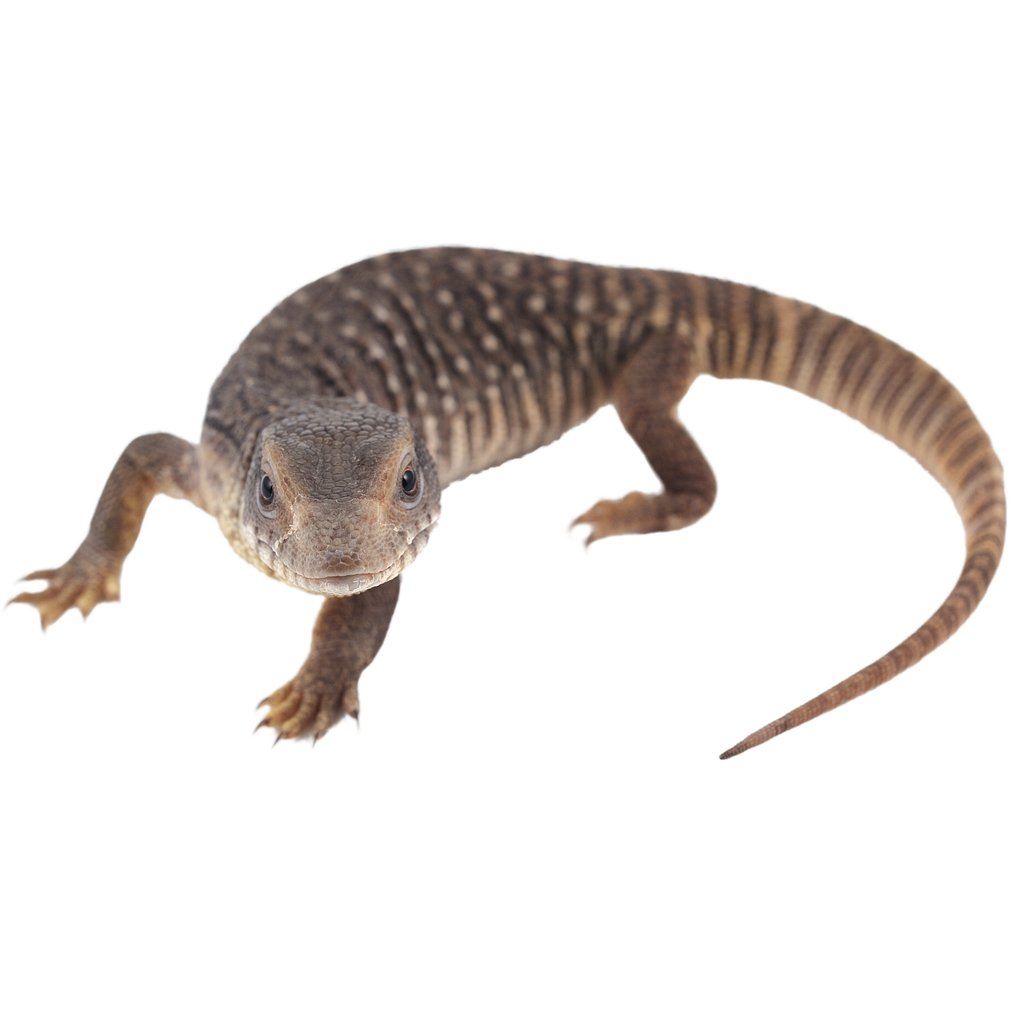
The savannah monitor is a robust, medium-sized monitor species native to sub-Saharan Africa, where it inhabits savannas, grasslands, and sparsely forested areas. In the wild, their average lifespan is estimated to range from 8 to 12 years, though individuals in well-managed settings may live longer due to consistent access to food and veterinary care. Like most monitor lizards, they receive no parental care after hatching and must rely entirely on instinct and environmental opportunity to survive.
Throughout their lives, savannah monitors are primarily terrestrial and strongly associated with burrows. Young individuals often take over abandoned rodent tunnels, which provide shelter from predators and extreme heat. As they mature, they become capable diggers, excavating their own burrows that may extend several feet underground.
Ecologically, savannah monitors occupy an important mid-level position in the food web. As predators of insects and other invertebrates, they help regulate populations that might otherwise reach pest levels. By consuming large numbers of beetles, orthopterans, and gastropods, they contribute to maintaining vegetation balance in grassland ecosystems. Juveniles are preyed upon by birds of prey, snakes, and small carnivorous mammals, while large adults may only be vulnerable to large raptors, hyenas, or other substantial predators. Their burrowing activities also influence soil structure, increasing aeration and creating shelters that may later be used by other animals.
Their survival depends on a suite of environmental adaptations. Their thick, pebbled scales reduce water loss and provide protection against abrasion and predators. Efficient kidneys and behavioral thermoregulation allow them to conserve moisture in regions with pronounced dry seasons. Fat storage in the tail and body provides an energy reserve during periods when prey becomes scarce. Collectively, these traits make the savannah monitor a resilient and highly specialized inhabitant of African grasslands, shaped by seasonal extremes, fluctuating food availability, and constant ecological competition. Understanding these natural patterns is essential for appreciating how profoundly their care must reflect the environmental pressures that molded their evolution.
Conservation Status
The savannah monitor is currently listed on the IUCN Red List as Least Concern. This classification indicates that the species is widespread and abundant, facing no immediate threat of extinction across its range. The last assessment for this status was 2012, with the population trend labeled as “Unknown”. While the designation of Least Concern suggests that there is not an urgent conservation crisis for the savannah monitor, the undetermined population trend reflects a need for ongoing observation and study.
The classification of Least Concern inherently points to a stable and relatively healthy population across its geographic distribution. However, it is crucial for conservationists and enthusiasts alike to remain vigilant, as rapid changes in environmental conditions or human activities could alter the state of this species swiftly. The broad distribution of the savannah monitor across various African landscapes suggests a degree of ecological flexibility, yet this does not entirely insulate them from adverse impacts.
The primary threats facing the savannah monitor in the wild revolve around habitat destruction due to agricultural expansion and infrastructural development. These activities result in significant loss of the species' natural habitat and can lead to fragmentation, which impairs their ability to find resources and reproduce effectively. Additionally, although not to the extent seen in some other reptile species, poaching for the pet trade and local hunting for bushmeat also pose risks. While climate change impacts are not yet fully understood, shifts in temperature and weather patterns may influence their habitats and resource availability.
Conservation efforts for the Savannah Monitor, while not as intense as for more critically threatened species, are still essential in safeguarding future populations. Protective measures include maintaining and enforcing wildlife reserves where the natural ecosystems remain intact and free from human encroachment. Such reserves not only provide sanctuary but also facilitate ongoing research to better understand the species and its ecological needs. Legal frameworks in various African countries serve to regulate and control both the local and international trade of Savannah Monitors, though enforcement varies significantly across regions.
Other threats to this species consist of being food in some West African countries and used in traditional medicine which have no scientific backing and puts pressure on local monitor populations. This species is also exploited for the use in international leather trade, while not as heavily exploited as other Varanusspecies.
Savannah monitors are the most common varanid in the pet trade with more than 100,000 wild individuals exported every year from a 2001 study. In terms of breeding programs, efforts have been relatively limited compared to those for more endangered species. However, these initiatives hold promise for conservation education and could support genetic diversity through controlled breeding practices. Conservationists and herpetologists continue to advocate for habitat restoration projects and international cooperation to ensure the long-term survival of the savannah monitor, emphasizing the interconnected nature of wildlife, ecosystems, and human activity.
Native Range
The savannah monitor is native to sub-Saharan Africa and has a broad but regionally patterned distribution across the continent. Its range extends from Senegal and eastern Mali in West Africa across to Sudan and western Ethiopia, and southward through parts of Ghana, Togo, Benin, Nigeria, Cameroon, Chad, and the Central African Republic. While widely distributed, populations are often patchy and closely tied to suitable savanna and grassland ecosystems.
At the macrohabitat level, the Savannah monitor is most strongly associated with savanna, open woodland, dry grassland, and semi-arid scrub habitats. These environments are typically characterized by scattered trees, such as acacias and other drought-tolerant species, mixed with tall grasses and open sandy or loamy soils. The species avoids dense, closed-canopy rainforests and extremely arid dune deserts, instead preferring transitional zones where vegetation cover is moderate and prey density is high. Agricultural edges, lightly grazed pastureland, and fallow fields may also be utilized where natural habitat has been altered, provided adequate shelter and prey are available.
Within these broad ecosystems, the Savannah monitor relies heavily on specific microhabitats that provide both refuge and suitable thermal conditions. It is a highly terrestrial and fossorial species, spending much of its time in self-dug burrows or in abandoned burrows created by mammals such as rodents or aardvarks. These burrows are often located in firm but workable soil, frequently at the base of shrubs or small trees where root systems stabilize the substrate. Burrow systems may extend several feet underground and can include widened chambers used for resting and egg deposition. Surface activity typically occurs in open areas adjacent to shelter, allowing for efficient basking and rapid retreat underground if threatened. Individuals may also use termite mounds, dense grass clumps, and accumulations of leaf litter as temporary cover.
Climatically, the species occupies regions with pronounced wet and dry seasons. Daytime ambient temperatures in its natural habitat commonly range from 75℉ to over 100℉ during the active season, with ground surface temperatures in exposed basking areas frequently exceeding 120℉. Nighttime temperatures may drop into the 60s or low 70s, particularly during the dry season. Annual rainfall varies widely across its range, generally falling between roughly 20 and 50 inches per year, with precipitation concentrated in a distinct rainy season lasting several months. Humidity levels fluctuate seasonally, rising substantially during the wet season and dropping during prolonged dry periods. These seasonal patterns strongly influence feeding behavior, reproduction, and activity cycles. During the dry season, when prey becomes scarce and conditions are harsher, individuals may retreat to burrows for extended periods of estivation.
In terms of elevation, the savannah monitor is primarily a lowland to mid-elevation species. It is most commonly found from near sea level up to several thousand feet in elevation, though it is less abundant in high-altitude environments where temperatures remain cooler for much of the year. Its distribution correlates more strongly with suitable open habitat and soil structure than with altitude alone.
Several environmental factors are critical to the survival of this species in the wild. Access to abundant invertebrate prey, especially insects such as beetles, grasshoppers, crickets, and notably snails, is essential, as these make up the bulk of the natural diet. Soils must be deep and stable enough to support burrow excavation, which plays a vital role in thermoregulation, predator avoidance, and moisture balance. Moderate vegetation cover is important to provide shade and ambush opportunities, while still allowing open basking sites for thermoregulation. Although not dependent on permanent bodies of water, the species benefits from seasonal water availability and higher soil moisture during the rainy season, which supports increased prey abundance and successful reproduction.
Behavior
Savannah monitors are primarily diurnal lizards, exhibiting peak activity during daylight hours in both wild and human settings. In their native African grasslands and savannas, they emerge from burrows shortly after sunrise to bask and elevate their body temperature. Optimal activity occurs once their core temperature reaches approximately 95℉ to 100℉. Morning hours are typically devoted to thermoregulation and foraging, while the hottest part of the day may prompt retreat into burrows or shaded areas to prevent overheating. As late afternoon approaches and surface temperatures decline, they often resume activity before returning underground before nightfall.
Seasonal shifts play a significant role in their behavioral cycle. During the wet season, when invertebrate prey is abundant, savannah monitors are more active and exhibit increased body mass due to higher caloric intake. The breeding season generally coincides with this period of abundance. Males display heightened roaming behavior and increased territoriality as they search for receptive females. In contrast, during the dry season, food scarcity and extreme environmental conditions may trigger reduced activity and extended burrow use. In some regions, savannah monitors enter a state of brumation-like dormancy during cooler or driest months, remaining underground where humidity is higher and temperatures are more stable. In human care, seasonal cycling can be replicated through controlled changes in lighting duration and slight temperature adjustments, although complete brumation is not always necessary unless breeding is intended.
Savannah monitors are largely solitary and territorial in the wild. Adult males maintain expansive territories that may overlap with those of several females but are typically defended against rival males. Physical confrontations between males can involve posturing, body inflation, lateral compression to appear larger, tail whipping, and grappling. Females are less overtly territorial but still maintain defined home ranges centered around secure burrow sites. Dominance interactions occur primarily during breeding encounters or territorial disputes. Courtship involves tongue-flicking, physical nudging, and persistent pursuit by the male. Mating can be forceful, and successful copulation may require repeated attempts. Females excavate deep nesting burrows or utilize termite mounds, depositing clutches that can exceed two dozen eggs. There is no parental care after oviposition and hatchlings are fully independent.
Savannah monitors rely heavily on chemical and tactile cues to interpret their environment. The forked tongue collects airborne and surface chemical particles, which are transferred to the vomeronasal organ in the roof of the mouth. This chemosensory system is essential for detecting prey, identifying conspecifics, and recognizing territorial boundaries. Vision is well developed, allowing them to detect movement at considerable distances. Vibrational sensitivity through the substrate also aids in predator awareness. When confronted with predators such as birds of prey, mammals, or large snakes, these monitors may retreat rapidly into burrows. If cornered, they exhibit defensive behaviors including body inflation, hissing, lateral flattening, tail whipping, defecation, and biting. Their bite is powerful and supported by sharp, recurved teeth adapted for gripping struggling prey.
Thermoregulation is a behavioral driver. In open habitats, they shuttle between sun-exposed basking areas and cooler retreats to maintain preferred body temperatures. Basking posture often involves flattening the body to maximize solar absorption. In extreme heat, they may elevate themselves slightly off the substrate or orient their body to minimize solar exposure. Burrowing is a critical behavioral adaptation, providing refuge from predators, thermal extremes, and dehydration. Their muscular limbs and strong claws are highly specialized for digging.
Foraging behavior in the wild is methodical and persistent. Savannah monitors are opportunistic carnivores with a strong preference for hard-shelled invertebrates, including beetles, snails, orthopterans, and millipedes. They often use their robust jaws to crush exoskeletons and may dig extensively to uncover hidden prey. Their metabolic strategy is adapted for intermittent large meals rather than constant feeding. This efficiency becomes significant under human care where overfeeding, particularly with fatty vertebrate prey, can lead to obesity and hepatic disease.
Behavioral expression depends heavily on environmental complexity. When provided with deep substrate, appropriate temperatures, and hiding opportunities, savannah monitors display natural burrowing, basking, and exploratory behaviors. Without these elements, they may become lethargic, stressed, or hyper-defensive. Compared to wild individuals, monitors in managed care often show reduced daily roaming due to space limitations. However, they may become more interactive with keepers, particularly when habituated through consistent, calm handling. Food-driven behavior can become pronounced and individuals may associate human presence with feeding and display heightened alertness or agitation during feeding times.
Aggression toward conspecifics is typically intensified due to confined space. Cohabitation of adults, especially males, frequently results in stress, combat, and injury. Even female pairings require cautious monitoring. Unlike some arboreal monitor species, savannah monitors are primarily terrestrial and do not demonstrate complex social bonding.
Stress responses can manifest as persistent hiding, refusal to feed, continuous pacing along enclosure boundaries, or defensive posturing during routine maintenance. Proper thermal gradients, high-quality diet focused on invertebrates, sufficient substrate depth for burrowing often exceeding 12 inches, and visual barriers significantly reduce these behaviors. Environmental enrichment such as buried prey items, varied terrain, and scent trails can stimulate natural foraging and investigative behaviors.
One distinctive trait of this species is its reliance on burrow systems as a central survival strategy. In both wild and managed settings, access to a secure underground retreat dramatically influences overall behavior, confidence, and health. When this need is adequately met, savannah monitors often exhibit calm, deliberate movements and consistent feeding patterns. When it is not, behavioral abnormalities and chronic stress are common.
Husbandry Requirements
Enclosure Design
Savannah monitors are large, heavy-bodied terrestrial lizards that require expansive, secure enclosures to support their physical and behavioral needs. Juveniles under 18 inches in total length can be started in an enclosure measuring at least 4 feet long, 2 feet wide, and 2 feet tall. However, this size is quickly outgrown. Adults require a minimum enclosure footprint of 8 feet long by 4 feet wide, with a height of at least 3 to 4 feet. Larger is always preferable, as this species is highly active and engages in constant exploration and burrowing. Floor space is more important than height, but adequate vertical space must be provided to allow for deep substrate and elevated basking areas.
Due to their strength and intelligence, adult savannah monitors are best housed in custom-built enclosures constructed from sealed plywood, PVC panels, or high-grade HDPE plastic. Glass aquariums are generally unsuitable for adults because they do not retain heat well and cannot safely accommodate the deep substrate layers required for burrowing. Wooden enclosures must be sealed with non-toxic waterproof coatings to prevent water damage and bacterial growth. Front-opening doors with secure latches are strongly recommended, as this species is powerful enough to push open unsecured tops or sliding lids.
The interior layout must replicate the dry savanna and grassland habitat these lizards occupy in the wild. At least 12 to 18 inches of compactable substrate depth should be provided to allow natural digging and burrow construction. A large basking platform constructed from securely anchored stone, slate, or stacked flat rocks should be positioned beneath the primary heat source. This platform must be stable enough to support an adult weighing over 10 pounds.
Multiple hides are essential. At minimum, provide one hide in the warm end and one in the cooler end. Hides should be snug, enclosed spaces that allow the animal to feel secure. Cork bark flats, sturdy wooden hide boxes, or partially buried plastic containers work well. Additional environmental complexity can be achieved through the use of thick branches, low climbing structures, and heavy logs anchored into the substrate. While savannah monitors are primarily terrestrial, they will climb when given the opportunity.
Security is critical. Doors must lock or latch securely. Ventilation openings should be metal-screened and small enough to prevent claw damage or escape. The enclosure must withstand digging pressure along the base and corners, as monitors may attempt to burrow against walls.
Lighting and Heating
Savannah monitors have high thermal requirements due to their heliothermic nature. They depend on intense external heat sources to maintain digestion and immune function. The basking surface temperature must reach 130℉ to 140℉, measured directly on the basking surface with a temperature gun. This high surface temperature is essential for proper metabolic function.
Ambient temperatures on the warm side of the enclosure should range between 95℉ and 100℉. The cooler end should range between 75℉ and 85℉ during the day to allow for thermoregulation. Nighttime temperatures can safely drop to between 70℉ and 75℉ but should not fall below 68℉ for extended periods.
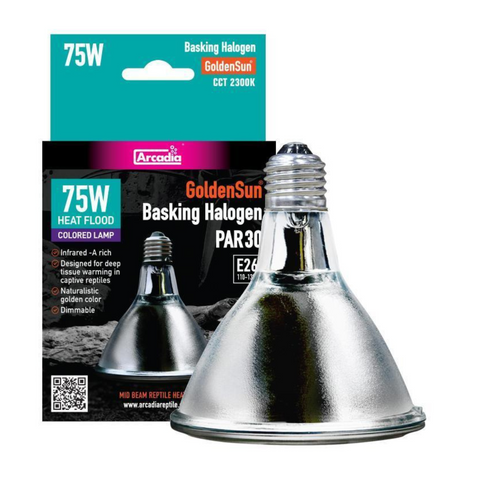
Overhead heating elements such as halogen flood bulbs or high-intensity basking bulbs are preferred. For large enclosures, radiant heat panels or ceramic heat emitters can supplement overhead basking lights. Every heat source must be controlled by a reliable thermostat to prevent overheating. Heat rocks must never be used, as they frequently cause severe thermal burns in monitor lizards.
Full-spectrum UVB lighting is mandatory for this species. A high-output T5 fluorescent UVB bulb in the 12% to 14% range should span at least half the enclosure length. The basking area should be positioned so the lizard can receive strong UVB exposure within the manufacturer’s recommended distance, typically 12 to 18 inches from the bulb when using a reflector. UVB supports proper calcium metabolism, prevents metabolic bone disease, and contributes to overall health.
A consistent photoperiod of 12 to 14 hours of light daily should be maintained. Seasonal adjustments that slightly reduce daylight hours in winter to around 10 to 11 hours can be implemented, particularly for adults, to mimic natural seasonal cycling. However, drastic temperature reductions are not recommended unless overseen by an experienced keeper or veterinarian. Lighting should be provided on a timer to ensure consistency and reduce stress.
Substrate and Enrichment
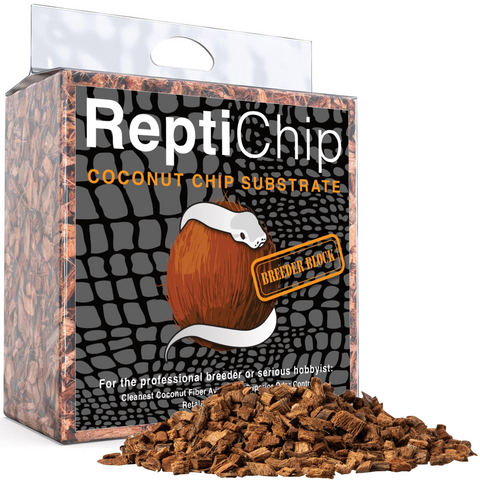
In the wild, savannah monitors inhabit compact, clay-rich soils that allow extensive burrowing. Under human care substrates must allow similar behavior. A deep mixture consisting primarily of organic topsoil blended with play sand works well when slightly moistened and compacted to hold tunnel structures. ReptiChip can be incorporated into the lower substrate layers to improve moisture retention, particularly in enclosures where maintaining humidity is challenging. When additional organic matter is needed, ReptiEarth may be added to the mix to create a loamy consistency that supports digging without collapsing.
Substrate depth must be no less than 12 inches for juveniles and ideally 18 to 24 inches for adults. Shallow substrates prevent natural burrowing behavior and can contribute to stress and obesity due to inactivity.
Enrichment should promote physical activity and cognitive engagement. Rearranging enclosure furnishings periodically stimulates exploratory behaviors. Hiding food items within the substrate can encourage natural foraging. Large cork tubes, partially buried logs, and heavy rock formations create microhabitats and varied terrain.
Feeding strategies also serve as enrichment. Offering prey in ways that stimulate hunting behavior, such as tong-feeding insects individually instead of bowl feeding, increases movement and engagement. Care must be taken to avoid overfeeding, as this species is prone to obesity.
Enrichment can come in many forms and is for the stimulation of your animal. The five types of enrichment you can offer are food related, sensory, physical habitat, cognitive, and social. These categories have a vast variety of options to choose from that are appropriate for the species being enriched.
Humidity and Hydration
Although savannah monitors inhabit seasonally dry regions, they rely heavily on humid burrows to maintain hydration and support proper shedding. Overall enclosure humidity should average between 40% and 60%, with localized burrow humidity significantly higher, often reaching 70% to 80% beneath the substrate surface.
Maintaining this gradient requires strategic substrate moisture management. The lower layers of substrate should be kept damp but not waterlogged. Pouring water directly into deeper layers rather than surface misting helps preserve a humid burrow environment while preventing surface mold. In large enclosures, one side can be slightly more humid to create natural variation.
A large, heavy water dish must be provided at all times. It should be big enough for the lizard to soak part of its body, as soaking supports hydration and aids in shedding. The dish must be sturdy to prevent tipping and cleaned daily due to frequent fouling.
Routine misting of the entire enclosure is generally unnecessary if proper substrate moisture is maintained. However, light misting may be used during shedding cycles if needed. Foggers are typically not required and may create excessive surface moisture if overused.
Accurate monitoring is essential. Use digital hygrometers placed at both surface level and deeper substrate regions to ensure appropriate humidity gradients. Maintaining correct humidity prevents dysecdysis, dehydration, and kidney stress, all of which are common issues in improperly managed savannah monitor enclosures.
Proper attention to enclosure size, intense heat provision, deep substrate, and controlled humidity is fundamental to maintaining this species in long-term health. Savannah monitors are highly intelligent, powerful reptiles that thrive only when their complex environmental needs are met with precision and consistency.
Diet & Supplementation
The diet of the savannah monitor in the wild is primarily that of a carnivorous and opportunistic feeder, specializing in a diet rich in invertebrates and occasionally small vertebrates. In its native habitats throughout the savannas and grasslands of sub-Saharan Africa, the savannah monitor primarily consumes a variety of insects, such as beetles, grasshoppers, and millipedes, which form a significant portion of its diet. Additionally, it preys upon small mammals, birds, eggs, carrion, and other reptiles when the opportunity arises. The abundance and diversity of prey items vary seasonally, with the wet season offering a wealth of invertebrate activity, while the dry season may lead to a temporary dietary shift towards more resilient prey like vertebrates and eggs.
Savannah monitors employ a combination of active foraging and ambush predation. Equipped with a keen sense of smell, particularly using its forked tongue to pick up chemical cues from the environment, it is adept at locating prey both above and below ground. Its powerful limbs and claws allow it to dig out hidden prey, and its strong jaws and teeth are well-suited for crushing exoskeletons and bones. This species does not rely on venom or constriction; rather it relies on its physical prowess to subdue prey.
In terms of dietary adaptations, the juvenile savannah monitor tends to focus more on smaller, more manageable prey with higher metabolic demands for rapid growth. As these monitors mature, their diet becomes more varied with the inclusion of larger prey items, reflecting their growth in size and capacity for processing tougher prey. Seasonal changes also influence their diet; during dry spells when food is scarce, they may consume more vertebrate prey or eggs to sustain themselves.
Achieving a nutritional balance that mirrors their natural diet is a critical care aspect. Diets should focus on providing a variety of invertebrates like crickets, locusts, and cockroaches, supplemented occasionally with small mice or rats to mimic the nutritional profile of their wild prey. However, it’s important to avoid overfeeding vertebrate prey as it can lead to obesity, a common issue in these monitors. Additionally, invertebrates should be gut-loaded and dusted with a balanced calcium and vitamin supplement to mitigate the risk of metabolic bone disease, which is prevalent due to dietary imbalances. The frequency of feeding should reflect their age and size, with juveniles requiring daily feedings and adults benefiting from a schedule of once or twice per week.
Challenges in maintaining a balanced diet can arise from food refusal or a lack of dietary variety. It is crucial to provide environmental enrichment through varied feeding practices, such as hiding food to encourage foraging and stimulate natural hunting behaviors. This strategy not only promotes physical activity but also helps prevent obesity and associated health issues. Caretakers should observe feeding behavior to ensure the monitor is actively engaging with its diet, adjusting strategies as needed to promote a healthy appetite and nutritional intake. Regular monitoring and adjustments based on the individual needs of the reptile can lead to successful long-term maintenance of these fascinating lizards.
Reproduction
Savannah monitors reach sexual maturity gradually and are not typically ready to reproduce until they are between two and a half and four years of age. This is dependent on growth rate, nutrition, and overall husbandry quality. Sexual dimorphism is subtle but present. Males generally have broader heads, thicker necks, more muscular bodies, and proportionally longer tails compared to females. Mature males often display more pronounced jowls due to enlarged jaw musculature. Visual sexing can be unreliable in subadults, and probing or hemipenal eversion performed by an experienced professional may be required for confirmation.
During the breeding season, males become noticeably more active and may display increased tongue-flicking, territorial pacing, and investigative behavior. When encountering a receptive female, courtship typically begins with persistent tongue-flicking along the female’s body and cloacal region. The male may circle, nudge, or gently bite the female’s neck, flanks, or shoulders to test receptivity and establish position. Neck biting also serves to restrain the female during copulation. Receptive females usually remain relatively tolerant of this behavior, though some initial avoidance is normal. If the female is not receptive, she may lash her tail, flee, or exhibit defensive posturing. Copulation involves the male mounting from behind and aligning the cloacae for hemipenal insertion. Mating sessions can be prolonged, often lasting from several minutes to over half an hour. It is common for multiple copulations to occur over several days to ensure fertilization.
Environmental cycling plays a critical role in stimulating reproductive behavior. In the wild, this species inhabits regions of West Africa characterized by distinct wet and dry seasons. Successful breeding generally requires a deliberate cooling and drying period that mimics the natural dry season. For approximately 8 to 12 weeks, daytime ambient temperatures should be reduced slightly to around 80℉ to 85℉, with basking spots maintained at 100℉ to 105℉. Nighttime temperatures may safely drop to 72℉ to 75℉. Humidity should be moderately reduced during this period, maintaining average enclosure humidity around 40% to 50%, while still providing access to a humid retreat. Photoperiod should be shortened to approximately 10 hours of light per day.
At the end of this cooling phase, environmental conditions should gradually shift to simulate the onset of the wet season. Daytime ambient temperatures should return to 85℉ to 90℉, with basking areas of 110℉ to 130℉. Humidity should be increased to 60% to 80% through more frequent misting, increased substrate moisture, and larger water reservoirs. Photoperiod should be extended to 12 to 14 hours of light daily. This seasonal transition often stimulates feeding surges, increased activity, and reproductive cycling, particularly in females.
Savannah monitors are oviparous, meaning females produce shelled eggs. Successful breeding requires robust body condition, particularly in females. Adequate fat reserves are essential, as reproduction is energetically demanding. Females that are underweight or maintained on excessively lean or calcium-deficient diets may fail to develop follicles properly or may resorb developing eggs. A nutritionally diverse diet rich in whole prey items and invertebrates is critical for reproductive conditioning.
Breeding introductions should be carefully managed. Because this species is naturally solitary and can be territorial, long-term cohabitation of adult males and females is not recommended outside of controlled breeding attempts. The typical strategy is solitary housing with temporary introductions once environmental cues suggest receptivity. Introductions should occur in a spacious neutral enclosure of no less than 6 feet long, 3 feet wide, and 3 feet tall, with multiple hiding areas and visual barriers to reduce stress. Close supervision is essential, as aggression can escalate quickly. If signs of combat occur, such as sustained biting, lateral body inflation, tail whipping aimed at the head, or attempts to pin and injure, the animals must be separated immediately.
Females require access to a suitable nesting site once follicles develop. Although details of egg deposition and incubation are beyond the scope of this section, it is important to emphasize that the presence of a deep, moist substrate area is often necessary before copulation occurs. A nesting box at least 2 feet deep, filled with a soil and sand mixture that holds shape when compressed but is not waterlogged, provides critical security. Inadequate nesting opportunities can lead to chronic stress, follicular stasis, or failure to breed.
Several challenges commonly arise in breeding programs for this species. Obesity is one of the most significant. Savannah monitors are prone to excessive fat deposition, especially when fed high-calorie diets without sufficient exercise. Obese males may show reduced fertility, while obese females have increased risk of reproductive complications and decreased successful mating behavior. Careful dietary control and provision of large enclosures that encourage movement are essential. At minimum, adult breeding animals should be housed in enclosures measuring 8 feet long, 4 feet wide, and 4 feet tall, with deep substrate for digging and thermoregulatory gradients.
Conversely, insufficient body condition resulting from chronic underfeeding or parasite burdens can also suppress reproduction. Routine fecal examinations and preventative veterinary care are strongly advised before initiating breeding attempts. Stress is another major factor. Frequent handling, inadequate enclosure size, lack of hiding areas, or improper thermal gradients can elevate corticosterone levels, which suppress reproductive hormones.
Incompatibility between breeding pairs may occur even when environmental conditions are appropriate. Some individuals simply do not tolerate one another. Rotating pairings, allowing visual but not physical contact prior to introduction, and ensuring that the female is clearly in breeding condition before introduction can improve outcomes. Monitoring female body language is particularly important; persistent rejection behaviors indicate that introduction should be postponed.
Finally, improper thermal gradients can impair spermatogenesis in males and follicular development in females. Consistently inadequate basking temperatures below 105℉ often lead to suboptimal metabolic and hormonal function. Providing intense localized basking heat, along with full-spectrum ultraviolet lighting to support calcium metabolism and endocrine health, is critical for long-term reproductive success.
When seasonal cycling, optimal nutrition, appropriate enclosure design, and careful mate management are all aligned, savannah monitors have demonstrated reliable reproductive behavior. However, success requires precise environmental control, vigilant observation, and a thorough understanding of the species’ natural history and physiology.
Incubation & Neonate Care
The savannah monitor is an oviparous reptile, meaning it reproduces by laying eggs rather than giving live birth. In the wild, females typically breed during the rainy season when food availability is high. After successful copulation, the female undergoes follicular development and ovulation, followed by shelling of the eggs. Gravid females often display increased appetite initially, followed by a reduced appetite as oviposition approaches. Restlessness and persistent digging behavior are strong indicators that egg laying is imminent.
A proper nesting site is critical to prevent egg retention, which is a common and potentially fatal complication in this species. The female must be provided with a deep, moist nesting area at least 18 to 24 inches deep, filled with a soil and sand mixture that holds a burrow without collapsing. The substrate should be damp enough to clump firmly when squeezed but not wet. Females instinctively excavate a tunnel and deposit a clutch that typically ranges from 15 to 40 eggs, though larger, well-conditioned individuals can produce more. After oviposition, the female carefully backfills the nest chamber. Unlike some reptiles, savannah monitors do not provide parental care after laying.
Eggs should be carefully excavated without rotating them, as embryo orientation is established shortly after deposition. The eggs should be incubated in a dedicated reptile incubator. A suitable incubation medium includes vermiculite, perlite, or a vermiculite and water mixture prepared by weight at approximately a 1:1 ratio. The substrate should be moist but never saturated, as excessive moisture can suffocate the embryo or promote mold growth. Eggs should be partially buried, leaving the upper third exposed to allow gas exchange.
Incubation temperatures between 84℉ and 88℉ are considered optimal. Temperatures in this range generally produce healthy hatchlings with incubation durations averaging 160 to 180 days. Slightly higher temperatures may shorten incubation to around 140 to 150 days, but sustained incubation above 90℉ significantly increases the risk of embryo mortality and deformities. Lower temperatures can extend incubation beyond 180 days and may weaken neonates. Savannah monitors do not have clearly defined temperature-dependent sex determination patterns under managed conditions, and sex ratios cannot be reliably manipulated by small temperature adjustments. Maintaining stable temperatures with minimal fluctuation is more important than attempting to influence sex ratios.
Relative humidity inside the incubation container should remain high, typically between 70% and 90%, but condensation should not drip directly onto the eggs. Adequate ventilation is essential to prevent stagnant air and fungal growth. Eggs should be inspected weekly for mold, collapse, or discoloration. Slight denting late in incubation can be normal as moisture is absorbed by the developing embryo.
As hatching approaches, eggs often swell slightly and may show dimpling. Neonates use an egg tooth to slit the eggshell in a process known as pipping. After the initial slit, hatchlings may remain inside the egg for 24 to 72 hours while absorbing the remaining yolk sac. They should not be forcibly removed unless there is clear evidence of distress, such as drowning in excessive fluid. Premature intervention can cause fatal yolk sac rupture.
Newly emerged hatchlings typically measure 4 to 6 inches in total length and are brightly patterned compared to adults. The yolk sac, if still partially external, must be kept clean and protected. Hatchlings with unabsorbed yolk should be housed on damp paper towels in a sterile enclosure until full absorption occurs, usually within a few days.
Neonates must be housed separately from adults and, ideally, individually from clutchmates. Adult savannah monitors may prey upon juveniles, and even similarly sized hatchlings can display food aggression and cannibalism. Enclosures for neonates should provide adequate space for thermoregulation, with a minimum footprint of 2 feet by 1 foot for a single hatchling, increasing as the animal grows. A secure enclosure with abundant hiding areas is essential to reduce stress.
A proper thermal gradient is critical from the first days of life. Ambient daytime temperatures should range from 85℉ to 95℉, with a basking surface temperature of 120℉ to 130℉ to support digestion and proper metabolic function. Nighttime temperatures can drop to 75℉ to 80℉. Humidity should be maintained between 50% and 70%, with access to a humid hide to facilitate proper shedding and hydration.
Hydration is particularly important for neonates. A shallow water dish large enough for soaking but shallow enough to prevent drowning should be available at all times. Many hatchlings will readily soak, and mild dehydration is a common early issue in poorly managed setups.
Feeding usually begins after the first shed, which occurs within 7 to 14 days post-hatching. Initial meals should consist of appropriately sized invertebrates such as small crickets, roaches, or other soft-bodied insects. Prey size should not exceed the width of the hatchling’s head. Food should be offered daily for the first several months to support rapid growth. All prey items should be gut-loaded and dusted regularly with calcium supplementation. Because this species is particularly prone to calcium deficiency and metabolic bone disease, exposure to strong UVB is essential from the start.
Common neonatal health concerns include dehydration, failure to thrive due to improper basking temperatures, metabolic bone disease from insufficient mineral supplementation or lighting, retained shed from low humidity, and parasitic burdens if feeder insects are not sourced responsibly. Early veterinary evaluation is advised if a hatchling fails to feed within two weeks of hatching or exhibits lethargy, tremors, or limb deformities.
Handling of neonates should be minimal during the first few weeks to reduce stress and allow proper acclimation. With consistent husbandry, proper thermal gradients, and a nutrient-dense insect-based diet, savannah monitor hatchlings grow rapidly and can double or triple in length within their first year. Careful attention to incubation conditions, safe hatching protocols, and precise neonatal husbandry lays the foundation for long-term health and successful development.
Conclusion
Maintaining savannah monitors requires a detailed understanding of their natural history, ecological needs, and specific husbandry requirements. These impressive reptiles, native to the diverse landscapes of sub-Saharan Africa, exhibit a wide range of behaviors and physiological adaptations that must be closely mirrored in their environments to ensure their health and well-being.
Overall, the care of savannah monitors requires a diligent and knowledgeable approach. By understanding and catering to their unique biological and ecological needs, keepers can foster a thriving environment that mirrors the intricate balance found in their natural habitats, ensuring these robust reptiles lead healthy and enriched lives.