Natural History
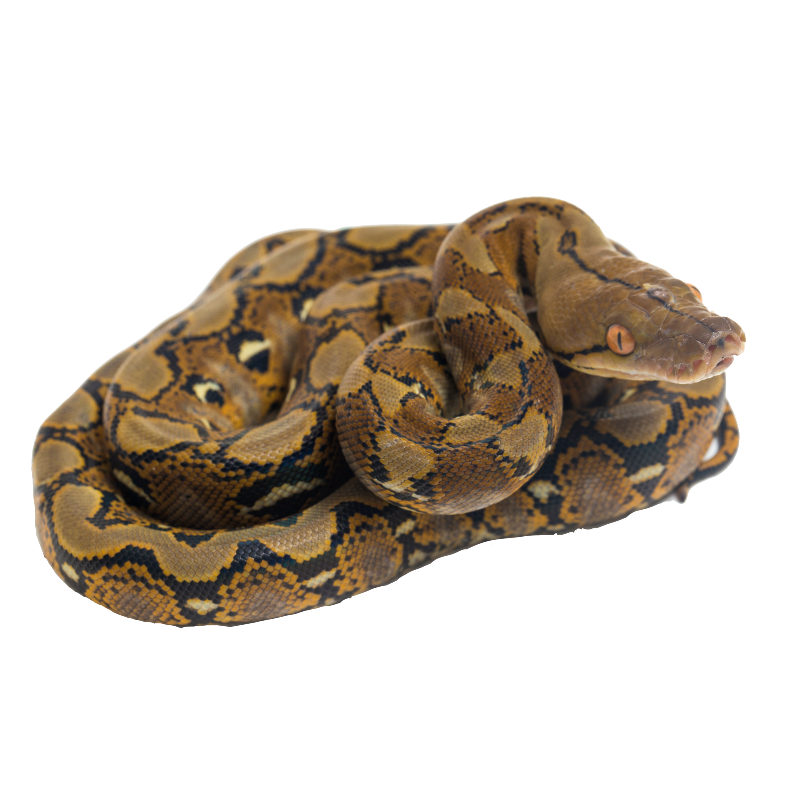
The reticulated python is native to Southeast Asia and is one of the longest snake species in the world and undergoes a dramatic transformation from a slender, vulnerable hatchling into a massive, powerful apex predator. As they mature, their growth rate gradually slows, but individuals can eventually exceed 15 feet, with some exceptional specimens surpassing 20 feet in length. In human care, when properly maintained, they commonly live 20 to 25 years, though some individuals have surpassed 30 years.
Ecologically, the reticulated python plays a critical role as a high-level predator within tropical and subtropical ecosystems of Southeast Asia. It occupies wetlands, rainforests, grasslands, and even areas adjacent to human development. Its diet expands with growth, ranging from rodents and birds in youth to larger mammals such as pigs, deer, and occasionally primates as adults. By regulating populations of small- to medium-sized mammals, the species contributes significantly to ecological balance and pest control. In agricultural regions, its consumption of rodents can reduce crop losses and limit the spread of rodent-borne diseases. At the same time, juveniles serve as prey for birds of prey, monitor lizards, and larger mammals, embedding the species firmly within both predator and prey roles during different life stages.
Several environmental adaptations support its survival. Its complex, net-like color pattern provides excellent camouflage among dappled forest light and leaf litter. Heat-sensitive pits along the lips allow precise detection of warm-blooded prey, even in complete darkness. A highly flexible skull and expandable ligaments enable ingestion of prey items much wider than the snake’s head. Strong musculature supports both constriction and climbing, while efficient metabolism allows extended periods between meals. These combined traits allow the reticulated python to thrive across a remarkably wide geographic range and in varied habitats.
Conservation Status
The reticulated python is currently classified by the IUCN Red List in the category of “Least Concern” with the last assessment taking place in 2011, with the population trend listed as "Unknown". The designation of “Least Concern” indicates that the species is widely distributed and abundant in the wild, showing that it is relatively resilient compared to other species facing more immediate risks of extinction. This classification suggests that, while some regional populations might experience threats, the overall health of the global population is secure without immediate conservation concerns.
The reticulated python is primarily threatened by habitat destruction and the illegal wildlife trade. Rapid deforestation for agricultural expansion, urban development, and logging in Southeast Asia directly impacts its natural habitat. This habitat loss limits the availability of appropriate environments for shelter and hunting, thereby affecting regional population dynamics. Furthermore, the illegal pet trade and demand for python skins in the fashion industry contribute to unsustainable extraction from the wild. This overharvesting can lead to localized population declines, even if the global population remains stable.
Efforts to conserve the reticulated python focus on multiple strategies to ensure its continued survival. Regulatory frameworks, including national and international laws such as CITES (Convention on International Trade in Endangered Species of Wild Fauna and Flora), exist to manage and regulate trade to reduce poaching pressures. Moreover, wildlife reserves and protected areas in the python’s native range are vital in safeguarding critical habitats from development and human encroachment. Within these reserves, habitat restoration projects aim to rejuvenate degraded ecosystems, ensuring a sustainable environment for the species to thrive.
Breeding programs are another essential aspect of conservation, helping to preserve genetic diversity and provide research opportunities that enhance understanding of the species’ biology and ecology. While the primary focus remains on habitat protection and legal frameworks to limit illegal trade, breeding initiatives also have the potential, through future reintroduction programs, to bolster wild populations if necessary.
Overall, continuous monitoring and adaptive management are required to respond effectively to emerging threats. Conservationists and authorities must work together to maintain current protections and innovate new strategies to tackle challenges posed by both natural and anthropogenic changes impacting the reticulated python.
Native Range
The reticulated python is native to Southeast Asia and has one of the broadest geographic distributions of any python species. Its natural range extends from eastern India and Bangladesh through Myanmar, Thailand, Laos, Cambodia, and Vietnam, southward across Peninsular Malaysia and into Singapore. It is also found throughout much of Indonesia, including Sumatra, Borneo, Java, Sulawesi, and numerous surrounding islands, as well as in parts of the Philippines. While this species has a wide overall distribution, local populations may be fragmented by geography, especially on islands. In some regions, it has also established introduced populations, but its native ecological stronghold remains within humid tropical Southeast Asia.
At the macrohabitat scale, the reticulated python primarily inhabits tropical lowland rainforests, riverine forests, freshwater swamps, marshes, peat swamp forests, and other humid woodland systems. It is strongly associated with areas of high annual rainfall and persistent warmth. However, it is highly adaptable and is also found in secondary forests, agricultural landscapes, oil palm plantations, and rural areas where sufficient cover and prey are present. In many parts of its range, it thrives in mosaic landscapes where forest patches are interspersed with water bodies and human-altered terrain.
At the microhabitat level, the reticulated python is closely tied to water and dense cover. It frequently occupies areas along rivers, streams, lakes, and wetlands, using riparian vegetation as concealment. It shelters in hollow logs, dense thickets, fallen timber, abandoned mammal burrows, and beneath heavy ground cover. In swamp environments, it may utilize raised root systems and vegetated hummocks to rest above saturated ground. In more open or disturbed areas, it often seeks refuge in culverts, drainage ditches, and thick vegetation along canal systems. Although primarily terrestrial, it is also an adept climber, especially as a juvenile, and may rest on low tree branches or in shrubbery several feet above ground. Larger adults tend to be more ground-oriented due to their mass but remain competent swimmers and will readily disperse along waterways.
Climatically, the reticulated python is adapted to tropical conditions characterized by consistently warm temperatures and high humidity. Across its range, average daytime temperatures typically fall between 80℉ and 92℉, with nighttime lows seldom dropping below 75℉ in lowland regions. Seasonal fluctuations are relatively modest compared to temperate zones, though wet and dry seasons may significantly influence behavior. In monsoonal areas, heavy rainfall during the wet season can lead to seasonal flooding, expanding available aquatic and semi-aquatic habitat. During drier months, individuals may concentrate near permanent water sources. Relative humidity in its native habitats commonly ranges from 70% to over 90%, particularly in rainforest and swamp ecosystems. Persistent humidity is critical for proper hydration, successful shedding, and overall physiological stability.
Most reticulated pythons occur at low elevations, particularly in coastal plains, river deltas, and lowland forests near sea level. They are most abundant below elevations of approximately 3,000 feet. While they can occur at moderate elevations in hilly forested regions, they are far less common in highland or montane environments where temperatures are cooler and humidity levels may fluctuate more dramatically. Their distribution strongly favors warm, stable thermal environments.
Several environmental factors are essential to the survival of this species in the wild. Proximity to water is among the most critical. Reticulated pythons are powerful swimmers and often travel via rivers and wetlands in search of prey or new territory. Water sources also support the high biodiversity of mammals and birds that comprise their diet. Dense vegetation is another key requirement, providing concealment for ambush predation and protection from human disturbance. Structurally complex habitats with layered understory, fallen debris, and edge zones between forest and open areas offer optimal hunting opportunities.
Substrate type also plays a role in habitat use. In swamp forests and river margins, soft, muddy, or peat-based substrates are common, while in lowland rainforests they may inhabit leaf litter–covered soils rich in organic debris. In agricultural or semi-urban settings, they may use grassy margins, irrigation canals, and overgrown embankments that mimic natural cover. Their ecological flexibility allows them to persist in a range of terrain types, provided adequate heat, humidity, prey availability, and shelter are present.
Overall, the reticulated python is a highly adaptable tropical species with a strong preference for warm, humid, low-elevation environments that offer constant access to water and dense vegetation. Its wide geographic range reflects an ability to exploit a broad array of tropical habitats, but all suitable environments share the core elements of stable warmth, high humidity, reliable cover, and abundant prey.
Behavior
The reticulated python is primarily nocturnal, with peak activity occurring during the evening and overnight hours. In its native range across Southeast Asia, it spends much of the daytime concealed in dense vegetation, hollow logs, rock crevices, or water margins to avoid excessive heat and predation. Juveniles are more arboreal and may be active during late afternoon or early morning, especially in densely forested habitats where filtered light and moderate temperatures provide suitable hunting conditions. Adults, particularly large individuals, become increasingly terrestrial with age and size, though they remain capable climbers when necessary. Seasonal variation in activity is influenced by rainfall patterns and temperature fluctuations. During cooler or drier periods, activity may decrease, and individuals may shelter for extended intervals. In regions with distinct monsoonal cycles, movements increase during wetter seasons when prey is more abundant. Unlike temperate reptiles, this species does not undergo true brumation, but reduced feeding and movement can occur during cooler conditions.
Reticulated pythons are fundamentally solitary animals. In the wild, they do not form social groups outside of breeding interactions. Individuals maintain overlapping home ranges but avoid direct contact except during mating or when competing for resources. Large adults may demonstrate spatial tolerance in prey-rich environments, such as near livestock areas or waterways, but this does not represent social behavior. During breeding season, typically aligned with periods of increasing rainfall and prey availability, males actively search for receptive females, using chemical cues detected through tongue-flicking and transfer to the Jacobson’s organ. When multiple males locate the same female, ritualized combat may occur. These encounters involve intertwining bodies and attempts to pin or elevate the opponent, rarely resulting in serious injury. Females exhibit maternal care uncommon among many reptiles. After laying eggs in a concealed nest site, they coil tightly around the clutch and remain until hatching. Through rhythmic muscular contractions known as shivering thermogenesis, the female can raise egg temperatures several degrees above ambient conditions, maintaining optimal incubation warmth. She typically does not feed during this period and may become highly defensive.
This species possesses acute sensory adaptations for detecting prey and environmental changes. Labial heat-sensing pits allow precise detection of warm-blooded prey, even in complete darkness. Visual acuity is moderate but well adapted for low-light conditions. Chemical cues play a key role in locating prey and identifying conspecifics. In response to temperature changes, reticulated pythons thermoregulate behaviorally by shifting between shaded and sunlit areas or by entering water. They are strong swimmers and frequently use aquatic environments both for thermoregulation and for ambush hunting. High humidity levels are favored and often correspond with increased activity; dehydration or excessively dry conditions can lead to reduced movement and prolonged sheltering.
When threatened by predators, including large mammals or humans, juveniles often rely on camouflage and rapid escape. Their intricate patterning disrupts their body outline among leaf litter and dappled forest light. If cornered, they may display defensive striking, body inflation, and loud hissing. Larger adults, due to their size, rely more on intimidation and may stand their ground. Biting is a defensive last resort but can be severe. Tail vibration against dry vegetation is sometimes observed as an additional intimidation display.
As ambush predators, reticulated pythons employ stealth rather than pursuit. They position themselves along game trails, near water sources, or in areas of high prey traffic. Once prey comes within range, they strike rapidly, secure the animal with backward-curved teeth, and immediately coil to constrict. Constriction induces rapid circulatory arrest rather than suffocation alone. After subduing prey, they consume it headfirst, facilitated by highly mobile jaw structures and elastic connective tissues. Large individuals are capable of consuming prey exceeding 25% of their own body weight. Following large meals, they may remain inactive for days or weeks while digestion occurs, selecting warm, secure resting sites that optimize metabolic efficiency.
Behavioral patterns shift in response to controlled environments. While still primarily nocturnal, many individuals adjust partially to feeding schedules and may exhibit anticipatory behavior when caretakers approach at regular times. This heightened feeding response can lead to cage defensiveness, particularly in young or food-driven individuals. Tap training and consistent handling protocols help differentiate feeding from maintenance interactions. Without adequate enclosure space, ideally allowing stretched-out length of at least two-thirds of the snake’s total body length, restricted movement can lead to stereotypic pacing, persistent nose rubbing, or heightened stress responses.
Reticulated pythons in managed care may display increased reactivity compared to wild individuals due to limited escape options. Proper environmental parameters, including thermal gradients ranging from approximately 80℉ on the cool side to 92℉ at the basking site, along with high ambient humidity, help maintain stable behavior and feeding regularity. Inadequate humidity can lead to restlessness or repeated soaking in water dishes as the snake attempts to compensate.
Unlike in the wild, where hunting success varies, specimens under human care typically receive predictable meals. This reliability can reduce roaming behavior but may increase food aggression if feeding cues are not managed carefully. Enrichment is essential for psychological health. Providing climbing structures for juveniles, large water basins for soaking, varied textures, and occasional rearrangement of enclosure furnishings can stimulate exploratory behavior. Despite their formidable size and predatory reputation, well-established individuals often become relatively calm in controlled settings when handled consistently and maintained under proper husbandry conditions.
The reticulated python’s combination of advanced sensory systems, maternal egg care, exceptional swimming ability, and immense size distinguishes it from many other snake species. Understanding its natural behavioral repertoire is critical for replicating appropriate conditions in captivity and ensuring both animal welfare and keeper safety.
Husbandry Requirements
Enclosure Design
Reticulated pythons are the longest snakes in the world and require exceptionally spacious, secure enclosures that reflect their large adult size, strength, and semi-arboreal tendencies. Juveniles can be housed in smaller, well-secured enclosures to promote feeding security and reduce stress, but long-term planning for an adult enclosure must be undertaken from the beginning.
Hatchlings and juveniles up to four feet in length can be housed in enclosures measuring at least 36 inches long, 18 inches wide, and 18 inches tall. As the snake approaches six to eight feet, the enclosure should be upgraded to a minimum of six feet long, two feet deep, and two feet tall. Adult reticulated pythons, especially females, frequently exceed 12 to 16 feet in length and may surpass 20 feet. For individuals over 12 feet, the enclosure should measure at least two-thirds of the snake’s total length in horizontal floor space and at least three feet in depth. For example, a 15-foot adult should have an enclosure no smaller than 10 feet long, 3 feet deep, and 3 to 4 feet tall. Larger is always preferable. Height is important because this species readily climbs, particularly when young.
Enclosure materials must withstand substantial strength. Sealed plywood enclosures with reinforced frames, high-density PVC reptile cages, or custom-built wooden enclosures with waterproof epoxy sealant are commonly used. Glass aquariums are not appropriate for adults due to size limitations and structural concerns. Doors should be front-opening and constructed from thick tempered glass or acrylic, fitted with heavy-duty locking mechanisms. All seams and ventilation panels must be reinforced; this species is extremely powerful and capable of testing weak points.
Ventilation should be balanced with humidity retention. Cross-ventilation using side vents low on one side and higher vents on the opposite side promotes airflow while maintaining ambient humidity. Screen tops should be avoided for large enclosures unless reinforced with locking hardware cloth, as these snakes can push against unsecured panels. Every enclosure must lock securely. Given their intelligence and strength, secondary containment measures such as snake room door locks are strongly recommended.
The interior layout should replicate the forest edges, riverbanks, and tropical environments this species inhabits. Provide at least two appropriately sized hides, one on the warm end and one on the cool end, large enough for the snake to coil snugly inside. Juveniles benefit from additional visual clutter, such as cork bark tubes and artificial foliage, to reduce stress. Adults require extremely sturdy climbing structures such as thick hardwood branches or reinforced platforms bolted securely to the enclosure frame. Elevated basking shelves are particularly beneficial. All furnishings must support the full weight of the snake without shifting.
Lighting and Heating
Reticulated pythons require a well-defined thermal gradient to thermoregulate effectively. The basking surface temperature should range from 88℉ to 92℉. The ambient warm side should remain between 85℉ and 88℉, while the cool side should range from 76℉ to 80℉. Nighttime temperatures may drop slightly but should not fall below 75℉ for juveniles or 72℉ for adults.
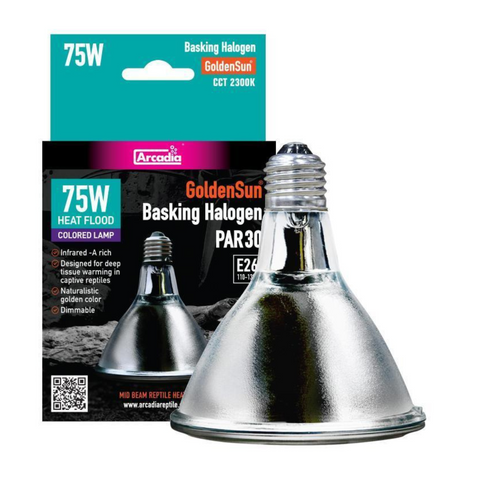
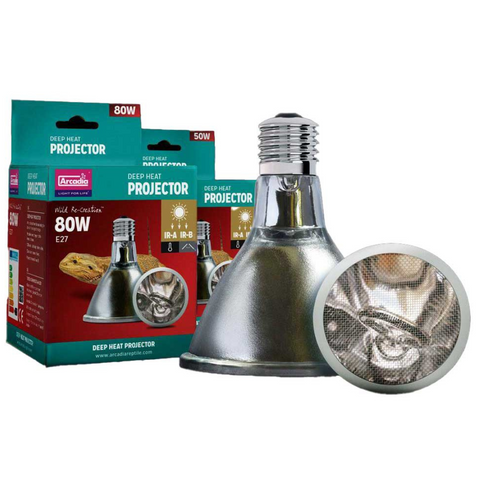
Overhead radiant heat panels or halogen flood bulbs are appropriate heat sources. All heating elements must be regulated by a reliable proportional thermostat to prevent overheating and burns. A thermostat probe should be secured directly at the basking surface level to ensure accurate readings. Under no circumstances should heat rocks be used, as they pose a severe burn risk and do not create a proper ambient gradient.
Although reticulated pythons are primarily crepuscular and nocturnal, low-level UVB exposure is beneficial for calcium metabolism and overall health. A 5% to 7% UVB fluorescent tube, spanning at least half the enclosure length, should be mounted overhead at an appropriate distance according to manufacturer specifications. The snake should be able to move in and out of UVB exposure. UVB bulbs should be replaced according to their tested output lifespan, typically every 10 to 12 months.
A consistent photoperiod of 12 hours of light and 12 hours of darkness is appropriate for most of the year. Subtle seasonal cycling, such as reducing daylight hours to 10 hours during winter months, may stimulate natural rhythms and breeding behaviors in mature animals. Light cycles should be regulated with timers to ensure consistency. Disruption of photoperiod can interfere with feeding patterns and reproductive cycling.
Substrate and Enrichment
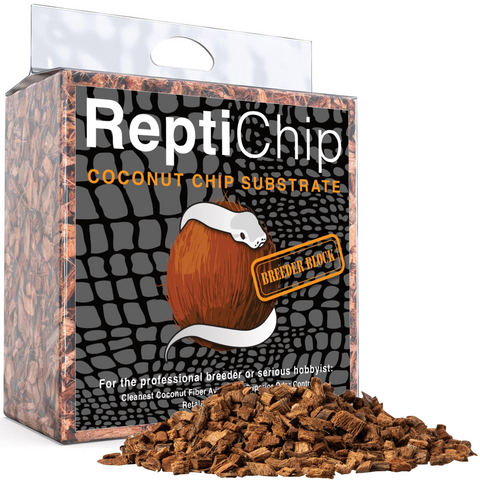
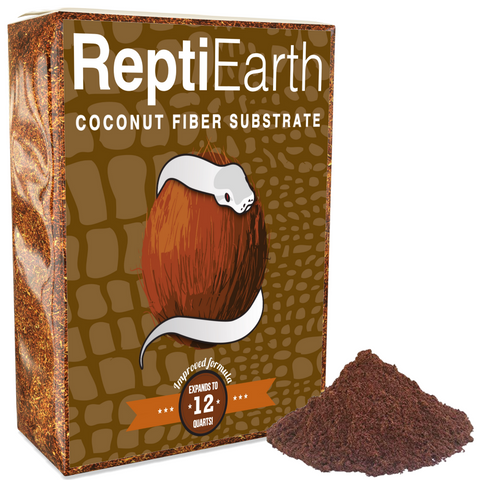
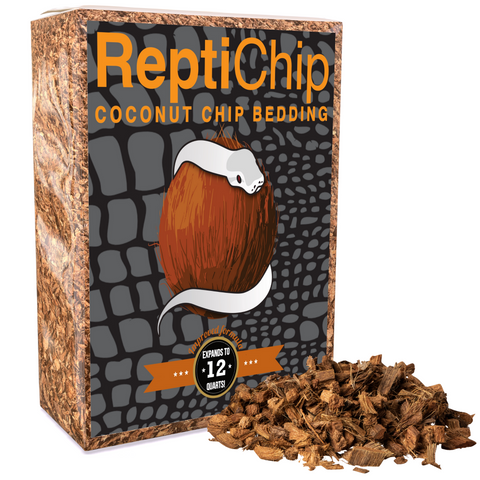
In the wild, this species inhabits humid forests, grasslands, and areas near water. The substrate in their enclosure should reflect these conditions by retaining moderate moisture without becoming waterlogged. ReptiChip coconut chip substrate is highly suitable due to its ability to hold humidity while allowing airflow around the snake’s body. ReptiEarth can be mixed with ReptiChip to create a more naturalistic soil blend that supports burrowing and humidity stability. A substrate depth of at least two to four inches is recommended, with deeper areas for juveniles that exhibit burrowing tendencies.
Dry aspen shavings are not ideal for this species, as they do not retain sufficient humidity for proper shedding. Fine particulate substrates that pose impaction risks should be avoided, particularly during feeding. Spot cleaning should occur daily, with full substrate replacement every four to eight weeks depending on enclosure size and bioactive setup considerations.
Environmental enrichment is critical for such an intelligent and active species. Juveniles will climb frequently, so provide sturdy branches, suspended perches, and elevated resting ledges. Adults, though heavier, still utilize reinforced platforms. Rearranging enclosure decor periodically can stimulate exploratory behavior. Providing varied textures such as cork bark, smooth sealed wood, and textured climbing surfaces helps promote muscular development.
Hides should fit snugly to provide security. In addition to traditional hides, partially buried cork tubes or large curved bark slabs create natural shelter options. For large adults, custom-built hide boxes constructed from sealed wood may be necessary. Enrichment should also include opportunities for cryptic resting and visual barriers to reduce stress from external activity.
Enrichment can come in many forms and is for the stimulation of your animal. The five types of enrichment you can offer are food related, sensory, physical habitat, cognitive, and social. These categories have a vast variety of options to choose from that are appropriate for the species being enriched.
Humidity and Hydration
Reticulated pythons require moderate to high humidity levels, generally between 60% and 80%. Juveniles often benefit from levels closer to 70% to 75%, particularly during shedding cycles. Adults can tolerate slightly lower humidity provided they have access to a humid retreat.
Humidity can be maintained by using moisture-retentive substrates such as ReptiChip and ReptiEarth blends, misting the enclosure as needed, and partially covering ventilation areas if humidity drops too low. In larger enclosures, automatic misting systems may be helpful, but care must be taken to prevent constantly wet surfaces that promote scale rot. The substrate should remain slightly damp beneath the surface but dry on top.
A large, heavy water basin must be provided at all times. The bowl should be large enough for the snake to partially or fully coil inside, as this species frequently soaks, especially before shedding. For large adults, this may require reinforced plastic tubs or custom-built basins integrated into the enclosure floor. Water should be changed daily due to the frequency with which these snakes defecate or soak.
Manual misting once daily or as needed to maintain target humidity is typically sufficient. In drier climates, twice-daily misting may be required. Digital hygrometers with probes should be used for accurate monitoring, with readings taken at both the warm and cool sides. Analog dial gauges are often inaccurate and should not be relied upon.
Proper hydration directly impacts shedding quality, kidney function, and overall health. Inadequate humidity commonly results in retained eye caps and incomplete sheds. Providing a humidity hide filled with damp sphagnum moss or ReptiEarth during shed cycles is highly beneficial, particularly for juveniles. Maintaining appropriate ambient humidity and constant access to fresh water ensures optimal physiological function in this large and demanding species.
Diet & Supplementation
The Reticulated Python in its natural habitat is a carnivorous predator with a varied diet primarily consisting of small to medium-sized mammals and birds. In the wild, these pythons often consume prey such as rodents, civet cats, wild pigs, and even primates. Birds are also a significant part of their diet, with the python opportunistically preying on species that dwell in or near the forest canopy. Juvenile pythons may initially target smaller prey like bats or small birds due to size constraints, but as they grow, their capability to consume larger prey increases. This adaptability in dietary intake underlines their role as apex predators within their ecological niche.
Reticulated Pythons employ several interesting feeding strategies. They are primarily ambush predators, relying on their cryptic coloration to blend into the environment and strike when prey ventures close. These pythons utilize constriction to subdue their prey, employing powerful coils to suffocate animals before consumption. Sensory adaptations are crucial for their hunting efficiency; they leverage heat-sensing pits to detect and target warm-blooded animals in low-light conditions. Additionally, chemical cues through their tongue flicking and Jacobson's organ assist in locating prey items. This multi-sensory approach allows them to be effective hunters even in the dense canopies of Southeast Asia's jungles, where visibility can be limited.
Dietary needs of reticulated pythons change with age and environmental conditions. Juveniles often require more frequent feeding, typically once a week, because of their rapid growth rates. In contrast, adults, especially the larger specimens, may consume larger prey and can go several weeks between meals. There may also be seasonal variations that influence prey availability in the wild, causing shifts in diet and feeding frequency. This necessitates a flexible feeding regimen to accommodate these natural variances.
When transitioning from a wilderness diet it is crucial to replicate the nutritional balance found in the wild. Although it is challenging to mimic the exact diet of wild pythons, diets in managed care often consist primarily of appropriately sized rodents like rats and rabbits, which are high in protein and energy content. Supplementation with calcium and vitamins may be necessary, particularly for breeding females or growing juveniles, to maintain bone density and overall health. Care must be taken to avoid imbalances that can lead to metabolic bone disease or other nutritional deficiencies.
Feeding issues can arise due to numerous factors, such as improper prey size, lack of variety, or suboptimal temperature and humidity levels affecting digestion and appetite. Obesity is a common risk when pythons are overfed or provided inadequate space to exercise. A varied diet that includes occasional chicks or quail can help simulate more natural feeding behaviors. Implementing a consistent feeding schedule and enriching the enclosure with environmental complexity can stimulate natural predation instincts, encouraging physical and mental activity. Challenges such as food refusal may be addressed by ensuring the prey is warm to mimic live conditions or adjusting enclosure conditions to reduce stress, which can significantly impact feeding behavior.
Reproduction
Reticulated pythons reach reproductive maturity based on both age and body size. Males typically become sexually mature between 18 months and 3 years of age, often when they reach approximately 8 to 10 feet in length. Females mature later, usually between 3 and 5 years of age, and should be a minimum of 10 to 13 feet long with substantial body mass before breeding is attempted. Breeding females must be in excellent body condition, as egg production requires significant energy reserves. This species exhibits clear sexual dimorphism: females are substantially larger and heavier-bodied than males, while males tend to have proportionally longer tails and more pronounced pelvic spurs, which are used during courtship.
Courtship behavior is driven largely by pheromonal cues. Males tongue-flick frequently to detect chemical signals indicating female receptivity. Once introduced into the female’s enclosure, a male will align his body alongside hers, perform rhythmic muscular jerks, and use his pelvic spurs to gently scratch or stimulate her flanks. This tactile stimulation encourages the female to lift her tail, allowing cloacal alignment. Copulation may last several hours and is often repeated over a period of days or weeks. Females may accept multiple copulations during a breeding season, and sperm retention is possible, meaning fertilization can occur even after the male has been removed. In some cases, introducing multiple males sequentially can stimulate breeding activity, though direct male-to-male combat is uncommon and should be carefully supervised if attempted.
Successful breeding is strongly influenced by environmental cycling that mimics seasonal changes within the species’ natural range. In the wild, reproductive activity typically coincides with cooler, drier months. To replicate this in captivity, keepers gradually reduce nighttime ambient temperatures to approximately 75℉ to 78℉ while maintaining daytime temperatures between 84℉ and 88℉, with a basking area near 90℉. This cooling period is generally maintained for 8 to 12 weeks. Photoperiod should also be shortened to roughly 10 to 11 hours of light per day. Humidity may be maintained at moderate levels between 50% and 70%, avoiding excessive dampness while preventing dehydration. After this cycling period, gradually increasing temperatures and light exposure often stimulates follicular development in females and heightened breeding activity in males.
Reticulated pythons are oviparous, requiring successful copulation and proper internal follicular development for fertile egg production. Copulation typically occurs within the female’s primary enclosure, as moving a large female into an unfamiliar space can cause stress and suppress reproductive behavior. Some breeders prefer introducing the male into the female’s enclosure during the evening when activity levels are naturally higher. Breeding pairs should be monitored but not excessively disturbed, as privacy often enhances successful copulation. Once breeding is confirmed, the male should eventually be separated to prevent chronic stress or accidental injury.
Although these snakes do not require elaborate nesting structures for mating itself, gravid females benefit from a secure nesting area as they approach egg deposition. Providing a large, enclosed nest box measuring at least two feet by two feet for adult females, filled with slightly damp substrate such as sphagnum moss, supports proper nesting behavior. The humidity inside this microenvironment should remain between 80% and 90%, while overall enclosure humidity remains moderate. The security of an appropriately sized nesting site reduces stress and promotes natural pre-laying behaviors such as coiling and site investigation.
Breeding can present several challenges. Obesity is one of the most common causes of reproductive failure in females. Overfeeding leads to excessive fat deposition around the ovaries, increasing the risk of follicular stasis and infertility. Females should be maintained on a controlled feeding schedule prior to cycling, ensuring lean but robust body condition. Another common issue is incompatibility between mates. Some females may reject a particular male, requiring introduction of a different individual. Stress from excessive handling, enclosure changes, or presence of other animals may also inhibit ovulation and breeding behavior.
Environmental inconsistency is another frequent obstacle. Failure to provide adequate seasonal temperature reduction and photoperiod adjustment often results in lack of follicular development. Conversely, excessive cooling can suppress immune function and delay feeding response. Careful monitoring of environmental parameters with calibrated digital thermometers and hygrometers is essential. Finally, breeders must recognize that not every mature female will reproduce annually. Allowing recovery periods between breeding seasons helps ensure long-term reproductive health and longevity.
Incubation & Neonate Care
Reticulated pythons are oviparous constrictors, meaning they reproduce by laying eggs rather than giving live birth. After successful copulation, females undergo a gestation period that typically lasts between 28 and 45 days before oviposition. During this time, the female will become noticeably distended through the mid-body. As ovulation approaches, many females exhibit a pronounced swelling that can last several days before subsiding. She will then complete a pre-lay shed approximately 10 to 20 days prior to depositing her clutch. Egg laying usually occurs about 25 to 35 days after this shed. Clutch sizes vary widely depending on the female’s age, size, and health, but mature females commonly lay between 20 and 50 eggs, with exceptionally large individuals capable of producing even larger clutches.
A proper nesting site is essential for successful egg deposition. Provide a secure nest box large enough for the female to coil tightly inside, filled with slightly damp sphagnum moss or a mixture of damp coconut fiber and vermiculite. The substrate should be moist enough to hold its shape when squeezed but not wet enough to drip water. Excessive moisture can cause egg suffocation or fungal growth. The ambient enclosure temperature during gravidity should offer a gradient of 80℉ to 88℉, with a basking area of approximately 90℉. Proper hydration is critical, and a large water basin should always be available.
Reticulated pythons exhibit maternal incubation behavior. After laying, the female coils tightly around her clutch and remains with it throughout incubation. She will use muscular contractions, commonly called shivering thermogenesis, to elevate the egg temperature above ambient levels. When maternally incubated, the ideal egg temperature range is 86℉ to 90℉. If eggs are artificially incubated, maintain a steady temperature between 88℉ and 89℉ for optimal results. Temperature fluctuations outside 85℉ to 90℉ can prolong incubation or increase embryo mortality. Humidity inside the incubator should remain between 90% and 100% relative humidity to prevent egg desiccation while allowing minimal gas exchange. Eggs are best placed in an incubation medium such as vermiculite or perlite mixed at a 1:1 ratio by weight with water. Incubation typically lasts 80 to 90 days, though slight variation may occur depending on temperature stability.
This species does not exhibit temperature-dependent sex determination. Sex is genetically determined at fertilization, so incubation temperature influences development rate and survival but not the sex ratio of hatchlings. Maintaining stable thermal and humidity conditions is therefore primarily about ensuring healthy embryonic development and reducing deformities or mortality.
As hatching approaches, neonates use a specialized egg tooth to slit the leathery shell. This initial slit, known as pipping, may occur over a span of several hours to a day. Hatchlings frequently remain partially inside the egg for 12 to 48 hours while absorbing the remaining yolk sac. It is critical not to forcibly remove hatchlings unless there are clear signs of distress, as premature intervention can damage unabsorbed yolk tissue. Maternal females in captivity may continue to coil around the eggs until they sense the hatching activity, after which they gradually loosen their coils. In artificial incubation systems, eggs can be left in place until all viable young have emerged.
Potential reproductive complications include egg binding, where a female is unable to pass one or more eggs. Risk factors include inadequate nesting conditions, poor muscle tone due to insufficient exercise, dehydration, or calcium imbalance. Signs include persistent straining, lethargy, and failure to lay after the expected timeframe. Egg binding is a veterinary emergency and requires immediate professional intervention. In neonates, unabsorbed yolk sacs or congenital deformities may occur if incubation conditions were suboptimal.
Newly hatched reticulated pythons typically measure between 18 and 30 inches in length, depending on parental size and clutch conditions. Hatchlings should be housed separately to prevent stress and accidental injury. Individual enclosures measuring approximately 12 to 18 inches long and 6 to 12 inches wide are sufficient during the initial weeks. Provide secure hides, minimal open space, and adequate ventilation. A temperature gradient should be maintained with a warm side of 88℉ to 90℉ and a cooler side of 80℉ to 82℉. Nighttime temperatures may safely drop to 78℉ to 80℉ but should not fall lower. Relative humidity should be maintained around 70% to 80%, with slightly elevated humidity during shedding cycles.
Fresh water must be available at all times in shallow bowls to prevent drowning. Hatchlings may not drink visibly at first but will absorb moisture from the environment and water dish. The first shed usually occurs within 7 to 14 days after hatching. Feeding should begin after this initial shed. Appropriate first meals consist of appropriately sized prey items such as neonatal mice or small hopper mice, approximately equal to or slightly smaller than the widest part of the hatchling’s body. Feeding intervals of every five to seven days are typical during the first few months of life. Refusal to feed is not uncommon initially; ensuring proper temperature, security, and minimal handling usually resolves this issue.
Handling should be minimized during the first several weeks to reduce stress and promote consistent feeding. Hatchlings can be defensive and quick to strike, a normal survival behavior that typically diminishes with calm, consistent husbandry. Common neonatal health concerns include dehydration, retained shed due to insufficient humidity, and failure to thrive linked to improper temperatures or prey size. Close monitoring of body condition, activity level, and feeding response is essential during the first three months, as early growth and stability lay the foundation for long-term health in this large and powerful species.
Conclusion
In conclusion, the reticulated python stands as a testament to evolutionary adaptability and prowess, embodying both beauty and complexity in its centuries of refinement. Its impressive size, striking pattern, and behavioral intricacies have made it a subject of fascination and reverence. This species requires dedicated care and understanding of its extensive needs, particularly regarding enclosure size, temperature regulation, humidity control, and diet. Reticulated pythons' advanced sensory adaptations and formidable physiological capabilities underscore the importance of creating a habitat that allows for natural behaviors and physical activity, which is paramount in preventing stress and preserving health.
Conservation efforts remain a priority, given the threats of habitat destruction and the pressures of illegal trade. Through international cooperation, habitat protection, and the propagation of responsible breeding programs, the continued survival of the reticulated python can be supported both in the wild and in human care.