
The scientific name of the Rankin's Dragon is Pogona henrylawsoni.


Free Shipping to the Lower 48!
Free Shipping to the lower 48!
Menu title
This section doesn’t currently include any content. Add content to this section using the sidebar.
Your headline
Image caption appears here
$49.00
Add your deal, information or promotional text
Pogona henrylawsoni


| Common Name(s) | Rankin’s dragon Pygmy bearded dragon Black-soiled bearded dragon |
| Scientific Name | Pogona henrylawsoni |
| Behavior | Diurnal (active during day)
|
| Reproduction | Oviparous Clutch size: ~5-18 Incubation: ~45-50 days |
| Lifespan | 10-15 years |
| Temperatures | 70-75°F cool side 80-85°F warm side 110-115°F basking spot |
| Humidity | 30-40% |
| Lighting | UVA/UVB required |
| Size | 12 inches |
| Enclosure Recommendations | Baby-Young: 24”x18”x18” (<6 months +) Sub Adult-Adult: 36”x18”x18” (minimum) *larger enclosures encourage animals to exhibit natural behaviors |
| Experience Level | Intermediate *Parents should always be involved caring for any pet, until the child is 18 yrs. |
| Diet | Omnivores Insectivores Herbivores |
Filter by age:





Rankin's dragon is native to the desert regions of central Australia. They are found primarily in the state of Queensland, inhabiting arid and semi-arid areas characterized by sparse vegetation and rocky outcrops. In their natural habitat, Rankin’s dragons prefer open, arid landscapes with plenty of sunlight and access to hiding spots such as rocks, logs, and low vegetation. They are adept climbers and often bask on rocks or branches to regulate their body temperature. The substrate in their habitat is typically sandy or rocky, which allows them to burrow and regulate their body heat effectively. Rankin’s dragons are well-adapted to the harsh conditions of the Australian desert, where they rely on their ability to thermoregulate and their omnivorous diet to survive. Under human care this species has a life expectancy of 8 to 15 years.
Within its ecosystem, Rankin’s dragon occupies the middle levels of the food web. It is an active predator of numerous invertebrates and can help moderate localized populations of grasshoppers, beetles, termites, and other abundant insects. At the same time, it consumes vegetation and links plant productivity with higher trophic levels. Any movement of seeds through dropped or incompletely digested plant material is probably secondary rather than a major ecological function. The dragon itself is prey for birds of prey, snakes, monitor lizards, larger predatory reptiles, and carnivorous mammals. Hatchlings face the widest range of predators, including animals too small to threaten an adult.
Its survival depends on a coordinated set of adaptations rather than a single specialized trait. Cryptic coloration reduces detection, visual acuity supports both hunting and predator avoidance, and flexible feeding lessens dependence on one resource. Behavioral thermoregulation permits activity across substantial daily temperature changes, while retreat use limits exposure during unfavorable periods. By consuming insects and plants and then supporting larger predators, Rankin’s dragon transfers energy through the ecosystem and contributes to the dynamic balance of its dry, highly seasonal environment.
Conservation Status
The IUCN Red List assessed Rankin's dragon in 2017 as “Least Concern” and listed its population trend as “Unknown”. This category indicates that the species was not considered close to qualifying for a threatened category at the time of assessment. Although its geographic distribution is limited to part of Queensland, its known range and population condition were considered sufficient to support a generally secure outlook. The “Unknown” trend suggests no documented, sustained decline across the species as a whole. “Least Concern" does not mean that every local population is equally secure, nor does it guarantee protection from future environmental change.
No major threat is currently known to be causing a range wide population decline. Nevertheless, the species’ restricted distribution creates potential vulnerability because extensive environmental change within that area could affect a substantial portion of the global population. Land clearing, conversion of native vegetation, intensive grazing, soil disturbance, and altered fire patterns can reduce habitat quality or fragment populations. Invasive plants may change vegetation structure and fire behavior, while introduced predators can add pressure at the local level. Climate change may intensify droughts, heat extremes, or shifts in seasonal rainfall, potentially affecting habitat condition and ecological productivity. These pressures warrant monitoring, but available evidence does not presently show that they are driving a major overall decline.
Collection for illegal wildlife trade is a possible concern for any distinctive Australian reptile, but there is no clear evidence that poaching is a major population level threat to the Rankin’s dragon. Australia’s strict controls on the capture, possession, movement, and export of native wildlife reduce the likelihood of large scale legal removal from wild populations. Queensland wildlife legislation also regulates interactions with native reptiles. Effective enforcement remains important because illegally collected animals can enter international markets under misleading claims of captive origin.
There is no dedicated recovery plan or reintroduction program considered necessary for this species under its current status. Conservation is therefore centered on retaining suitable habitat, maintaining landscape connectivity, enforcing wildlife protections, and monitoring populations for emerging declines. Protected areas within the species’ distribution can preserve representative habitat, although conservation on pastoral and other privately managed land is also important. Habitat restoration may help where native vegetation or ecological processes have been degraded.
The species breeds readily under human care, creating a substantial population outside Australia. However, ordinary private breeding is not equivalent to a coordinated conservation breeding program. There is no established record of captive bred Rankin’s dragons being used for successful reintroduction, and unmanaged captive lines may have uncertain ancestry or reduced genetic value. Their strongest conservation contribution is indirect, provided legally established captive populations reduce demand for wild collected animals.
Native Range
The Rankin’s dragon is endemic to Australia and has a comparatively restricted distribution within inland Queensland. Its range is much smaller than that of the widespread central bearded dragon. It is centered on the central western and north central interior, including the country around Winton, Longreach, Barcaldine, Aramac, Hughenden, and neighboring districts. Records extend through portions of the Mitchell Grass Downs and into adjoining inland bioregions, but the species does not occur continuously across the Australian arid zone. It is absent from the humid eastern coastal belt, the far southern temperate regions, and most of the continent’s western deserts. Reports from outside Queensland should be treated cautiously because small bearded dragons can be misidentified, especially where the distributions of related species approach one another.
At the macrohabitat level, this dragon is principally an inhabitant of open tropical and subtropical grasslands in semiarid inland country. The characteristic landscape consists of broad, level or gently undulating plains with very little tree cover. Extensive Mitchell grass communities are especially important. These grasslands are dominated by perennial tussock grasses, with scattered herbs, low shrubs, and occasional acacias or other drought tolerant woody plants. Depending on local drainage and soil, the surrounding landscape may also contain open woodland, stony downs, low rises, seasonal creek systems, and floodplains. Rankin’s dragons may occur near the edges of these communities, but they are most strongly associated with open plains rather than dense woodland, rainforest, permanent wetland, or heavily vegetated river corridors.
The species is closely linked to heavy clay soils, often called black soils or cracking clays. These soils swell when wet and contract during dry weather, producing networks of deep fissures. Such terrain differs markedly from loose dune sand and from the continuously rocky surfaces often associated with other inland reptiles. Although stones, scattered rubble, and low rocky rises can occur within its broader range, extensive rock fields and cliffs are not defining requirements. Likewise, the species has no known dependence on limestone caves or formations. The structure of the clay plain itself is more significant.
Within the broader grassland, Rankin’s dragons use a patchwork of small, sheltered microhabitats. Soil cracks provide narrow retreats from intense surface heat, cold nights, wind, and predators. Natural cavities, abandoned invertebrate or vertebrate burrows, spaces beneath grass clumps, and hollows under fallen timber or other ground cover may serve similar functions. Small earthen mounds, including termite structures, add relief to otherwise flat country and can provide firm surfaces, lookout points, and sheltered crevices. Vegetation is usually open enough to admit abundant sunlight at ground level, yet tussocks and low shrubs create essential pockets of shade and concealment. Bare patches between plants are interspersed with denser grass cover rather than forming an uninterrupted expanse.
The regional climate is semiarid, strongly seasonal, and highly variable from year to year. Summers are hot, with daytime air temperatures commonly in the 90s and frequently above 100°F during severe heat. Exposed ground surfaces can become considerably hotter than the air. Warm season nights are often mild to warm, although storms and passing weather systems can cause abrupt changes. Winters are generally dry and comparatively mild by day, often ranging from the upper 60s to upper 70s. Nights commonly fall into the 40s, and colder inland locations can approach freezing. Frost is occasional on open plains, particularly where cold air settles during clear, calm weather. The species therefore experiences a much broader natural thermal cycle than a simple description of its range as uniformly hot would suggest.
Rainfall is concentrated mainly in the warmer months and is delivered largely by irregular thunderstorms and tropical weather systems. Much of the range receives roughly 12 to 24 inches of rain in an average year, with generally higher totals toward the north and east and lower or less dependable totals in the drier interior. Annual averages conceal substantial instability. Long rainless periods may be followed by intense storms that flood low ground, fill drainage channels, and trigger rapid plant growth. In especially wet years, normally dry plains can become temporarily waterlogged. In drought years, grass coverage is thin, surface water disappears, and the clay contracts into wide cracks.
Relative humidity is usually low to moderate during dry daytime conditions, often falling near 20% to 40% in hot, exposed weather. It rises overnight, beneath vegetation, inside soil fissures, and during the wet season. After summer rain, humidity can become briefly high, particularly close to saturated ground and temporary pools. These fluctuations are more characteristic of the species’ environment than any constant humidity level. The combination of intense sun, drying wind, shaded fissures, and moisture retained beneath the soil surface creates sharply different conditions within only a few inches.
Behavior
Rankin’s dragons are primarily diurnal, becoming active after daylight and using behavioral basking to prepare for movement, foraging, and social encounters. In the wild, an individual commonly emerges from shelter in the morning, warms itself in an exposed position, and then alternates between short periods of activity and rest. Activity often slows during the most intense midday heat, especially when shade is limited, before increasing again later in the afternoon. Although they may remain alert near dusk, they are not normally nocturnal. At night they retreat into burrows, crevices, dense vegetation, or other protected sites.
Behavior changes with weather and season. During very hot or dry periods, these dragons spend more time sheltered and may restrict surface activity to milder parts of the day. In cooler seasons, individuals may enter brumation, remaining concealed for extended periods and showing greatly reduced movement, feeding interest, and responsiveness. Brumation is not continuous deep sleep; a dragon may briefly awaken, reposition itself, or emerge during a favorable warm day. Activity typically rises again as days lengthen and seasonal warmth returns.
This species is not truly social in the cooperative sense. Individuals may occur near one another where basking sites, shelter, or food are concentrated, but each dragon retains personal space and responds to competitors through ritualized displays. Males are especially likely to challenge other males, and mature individuals of either sex may dominate smaller or less assertive animals.
Visual signals are central to interactions. A confident or aroused dragon may raise its body, elevate its tail, bob its head, flatten its torso, and darken the throat or beard region. Rapid, forceful head bobs generally convey challenge or courtship, while slower bobs may have a less aggressive social meaning. Arm waving, performed by lifting one forelimb and rotating it in a deliberate arc, is usually interpreted as appeasement, acknowledgment, or submission. These signals are influenced by context, and a single gesture should not be assigned a rigid meaning without considering posture, color, movement, and the identity of the other animal.
During the breeding season, males become more active, conspicuous, and persistent in searching for females. Courtship commonly includes head bobbing, upright postures, darkening of the throat, circling, and close pursuit. A receptive or nonconfrontational female may respond with slower movements or arm waving, whereas an unreceptive female may flee, flatten herself, gape, or resist. The male may grasp the female around the neck or shoulder area during mating. Competition between males can escalate from displays to chasing, biting, and wrestling if neither retreats.
Rankin’s dragons rely heavily on vision. Their broad visual field allows them to detect small prey movements, approaching rivals, and potential predators at a distance. They readily orient toward motion and may hold the head at an angle to judge position before rushing forward. Chemical information also matters. Tongue flicking transfers scent particles to a specialized sensory organ in the roof of the mouth, helping the dragon investigate unfamiliar surfaces, food, and traces left by other animals.
Foraging is usually a combination of watchful waiting and short pursuit. A dragon may remain motionless on an elevated or open vantage point, scan the surroundings, and then sprint toward an insect with surprising speed. The strike is guided visually, and the sticky tongue helps seize small moving prey. Rankin’s dragons also investigate vegetation and the ground while searching for edible material. Under human care, this natural sequence may become abbreviated because food appears predictably. Many individuals learn to approach when they see a keeper, a food container, or familiar movement. This conditioned excitement is not necessarily hunger and can become indiscriminate if every nearby motion has previously signaled food.
Temperature and light strongly influence posture and movement. A cool dragon commonly darkens its body, broadens and flattens itself, and positions the torso to intercept more radiant heat. Once warm, it may become paler, lift its body away from a hot surface, seek shade, or gape briefly to release excess heat. Gaping during basking can be normal thermoregulatory behavior when the dragon otherwise appears relaxed.
Humidity changes are perceived indirectly through skin sensation, odors, plant conditions, and changes in prey activity. After brief rainfall, a dragon may explore, drink from visible droplets, or pursue newly active insects. When conditions become persistently damp, it is more likely to choose a protected, comparatively dry retreat. In dry conditions, activity may contract toward times when heat and water loss are less demanding. These responses are behavioral adjustments rather than evidence that the species remains comfortable under any extreme.
When threatened, the first defense is often avoidance through stillness and camouflage. The dragon presses close to the ground, relies on muted coloration, and watches the danger without moving. If detected, it may sprint rapidly to cover, sometimes running with the body held high and the tail elevated for balance. When escape is limited, it can flatten the body to appear larger, expand and darken the beard, gape, hiss, lunge, or bite. The tail may be raised or flicked during agitation, but it is not deliberately shed as a routine escape mechanism. A predator approaching from above may cause abrupt freezing, flattening, or a dash beneath cover. Humans can trigger the same responses, especially in newly acquired or rarely handled animals.
Many Rankin’s dragons become less defensive because repeated neutral interactions teach them that a nearby person is not a predator. A calm individual may voluntarily approach, remain relaxed while observed, or tolerate brief handling. Tolerance should not be confused with a need for constant physical contact. Restraint, reaching suddenly from above, chasing, and excessive handling can produce freezing, struggling, beard darkening, gaping, or escape attempts. Chronic stress may appear as persistent hiding, repeated pacing against a barrier, reduced exploration, diminished feeding response, or unusual aggression. Some dragons freeze rather than struggle, so immobility alone is not proof of comfort.
Dragons in human care still benefit from opportunities to perform their normal behaviors. Meaningful enrichment includes searching for food, choosing among resting positions, climbing, digging, observing activity from a secure vantage point, and retreating from view. Novel objects or changed scents can stimulate investigation, but changes should be introduced gradually because abrupt alterations may provoke caution or territorial responses. Predictable daily routines often reduce stress, while varied foraging challenges help prevent the animal from spending every active period waiting for food. Close observation of posture, color, signaling, and activity is essential, since behavioral changes are often the earliest indication that a Rankin’s dragon feels threatened, socially pressured, or otherwise unsettled.
Enclosure Design
A juvenile Rankin’s Dragon should have an enclosure measuring at least 36 inches long, 18 inches wide, and 18 inches high. A well furnished enclosure of adult dimensions may be used from the beginning, provided that temperatures, ultraviolet exposure, and access to shelter are carefully managed. A single adult requires a minimum enclosure of 48 inches long, 24 inches wide, and 24 inches high. Additional floor space is strongly preferable because this active, primarily terrestrial dragon uses distinct basking, sheltering, climbing, and cooling zones. Height is useful, but it should not be gained at the expense of floor area.
Front opening PVC enclosures are especially practical because they retain heat well, resist moisture damage, and allow access without repeatedly approaching the dragon from above. Sealed wooden enclosures also perform well if every interior seam and exposed surface is protected with a nontoxic, waterproof finish. Glass terrariums are usable, but they lose heat readily and often require insulation along the back and sides. Covering some transparent surfaces also reduces reflections and creates a stronger sense of security. Whatever material is chosen, the enclosure needs cross ventilation, with low vents near the cool end and higher vents near the warm end.
Arrange the enclosure as a horizontal thermal gradient rather than as an open display. Place the primary basking platform near one end, with unobstructed access to both heat and ultraviolet light. Slate, sandstone, or another textured stone makes a useful basking surface because it absorbs warmth and supports normal claw wear. Secure heavy stones directly to the enclosure floor or to a stable internal base before adding loose substrate. Rocks placed on top of deep substrate can shift if the dragon digs beneath them.
Provide at least two snug hides, including one on the warm side and one on the cool side. A third retreat containing slightly damp substrate can be offered without raising humidity throughout the enclosure. Cork rounds, broad cork flats, stone style caves, and low wooden shelters work well. Each hide should be large enough for the dragon to turn around but confined enough to provide firm contact around much of the body.
Although Rankin’s dragons spend substantial time on the ground, they readily use low climbing structures. Include thick branches, cork limbs, ledges, and angled slabs that rise toward the basking zone. Climbing structures should have rough surfaces, broad contact points, and a modest fall distance. Fasten branches to the enclosure walls or brace them securely so they cannot roll. Keep the center sufficiently open for normal walking and turning.
Dragons should be housed individually unless an experienced keeper can provide unusually large, closely supervised accommodations. Secure all doors with a lock, cover ventilation openings with rigid mesh, and seal gaps around cables. Sliding doors should overlap tightly, since small dragons can press through surprisingly narrow openings. Check decorations and backgrounds for hidden channels that could trap the animal or provide access to wiring.
Lighting and Heating
The basking area should provide a surface temperature of approximately 105℉ to 110℉. Juveniles may be maintained near the middle of this range, while adults should always be able to choose among several surfaces rather than being confined to one intensely heated point. Warm side air temperatures should remain around 85℉ to 90℉, with a cool side of approximately 75℉ to 82℉. Measure basking surfaces with an infrared temperature gun and measure air temperatures with digital probe thermometers positioned at dragon height.
Nighttime temperatures may fall to 65℉ to 75℉. Supplemental nighttime heat is unnecessary when the enclosure remains within this range. If the room drops below 65℉, use a nonluminous ceramic heat emitter or deep heat source. Colored nighttime bulbs should not be used because visible light can disrupt the dark period. Heat rocks are unsafe and should never be used. Every heating element must be controlled by a reliable thermostat. A dimming thermostat is normally the best control for a halogen basking lamp because it maintains a stable output without abrupt cycling.
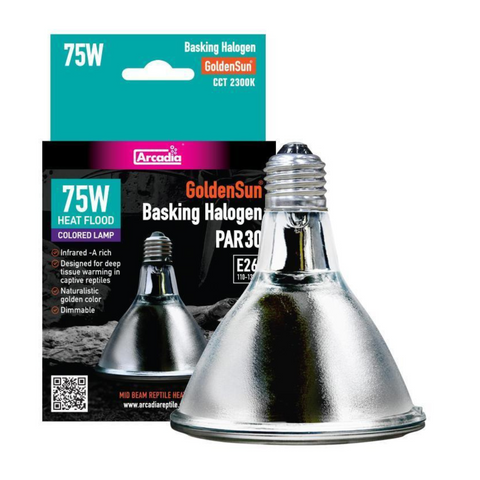
Use a broad halogen flood lamp rather than a narrow spotlight. The heated area should be wide enough to warm most of the dragon’s body at once. Install lamp guards around any internally mounted bulb, and prevent access to hot fixtures and electrical cables. Recheck temperatures whenever room conditions, lamp wattage, ventilation, or enclosure furnishings change.
Rankin’s Dragons require strong ultraviolet B exposure. A high output T5 linear fixture with a 10% to 12% UVB lamp is generally appropriate. The tube should illuminate roughly one half to two thirds of the enclosure and should overlap the basking zone, creating a bright area where heat, visible light, and UVB occur together. The cool end should include shaded areas where ultraviolet exposure approaches zero. Compact UVB lamps do not provide the same broad, even zone and should not be the primary UVB source.
At the principal basking position, aim for an ultraviolet index of approximately 3 to 4. A quality ultraviolet meter is the most dependable way to set the lamp distance. As a general starting point, a T5 fixture may be positioned about 10 to 14 inches above the basking surface when shining through standard mesh, or roughly 14 to 18 inches away when unobstructed. Mesh density, reflector design, lamp strength, and fixture age can alter output substantially. UVB must not pass through glass or acrylic, since those materials block useful wavelengths. Replace the lamp according to its manufacturer’s effective service interval rather than waiting for visible light to fail.
Provide about 12 hours of light and 12 hours of darkness for most of the year. A modest seasonal cycle can use approximately 13 to 14 hours of light during summer and 10 to 11 hours during winter. Make changes gradually over several weeks, using automatic timers for consistency. Regular lighting cycles support normal daily activity, sleep, basking behavior, and vitamin D3 production. All visible lights must turn off at night, and the enclosure should remain dark.
Substrate and Enrichment
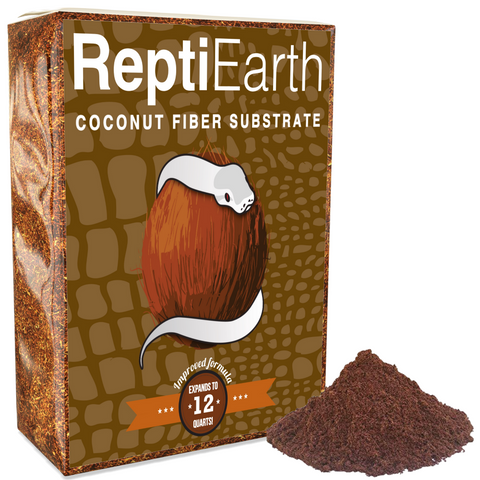
A suitable loose substrate should permit digging while remaining relatively dry at the surface. A practical mixture consists of approximately 50% washed play sand and 50% ReptiEarth. ReptiEarth should be used wherever coco coir might otherwise be selected. Its moisture retention helps the lower layers hold burrow shape, but it should not dominate the mixture because an overly organic substrate can remain damp. Adding a small proportion of excavator clay or untreated clay soil can improve firmness. Provide a depth of at least 4 inches, with 6 inches preferable in digging areas.
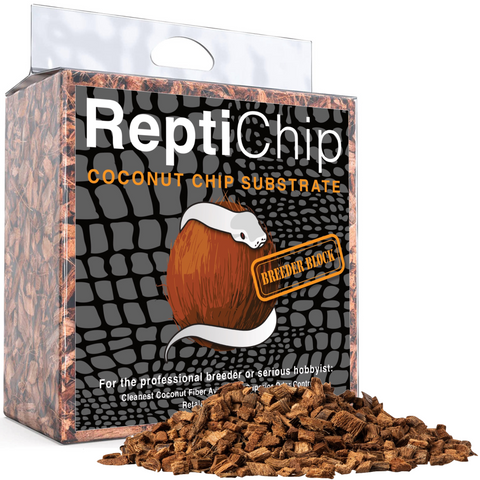
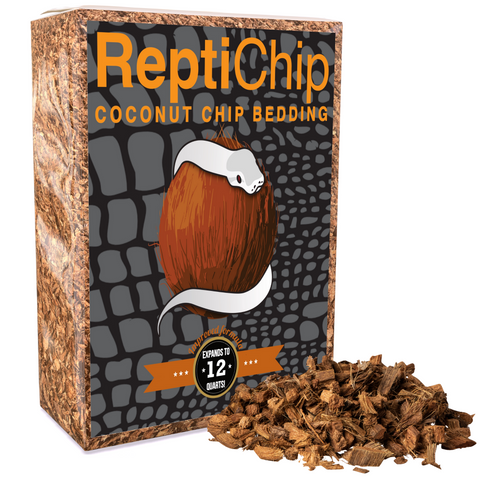
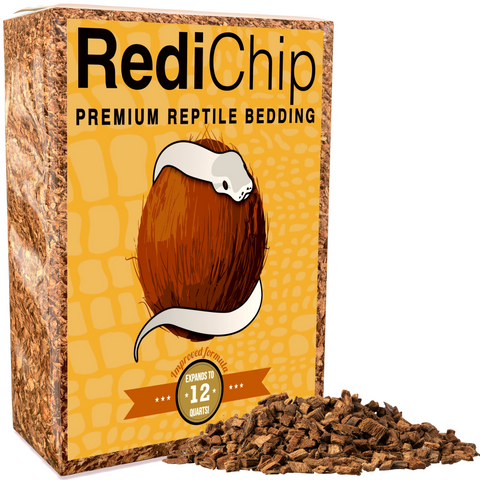
ReptiChip coconut chips are generally too coarse and moisture retentive to serve as the main substrate for this arid dragon. They can, however, be used sparingly beneath cork in a localized humid retreat where their moisture retention is useful. Keep that patch small and replace it before it becomes stale or waterlogged. Reptile carpet should never be used. It traps debris, is difficult to sanitize completely, and can catch claws and teeth.
Ceramic or stone tile can be used beneath the basking area or across a limited portion of the floor, though an entirely tiled enclosure denies digging opportunities. Avoid calcium sand, crushed shell, gravel, sharp wood fragments, and dusty mixtures. Loose substrate does not need to be eliminated when temperatures, ultraviolet exposure, cleanliness, and husbandry are correct, but excessively dusty or poorly maintained material increases irritation and accidental ingestion risk.
Enrichment should create meaningful choices rather than merely filling space. Vary substrate depth, place flat stones at the entrances of hides, and partially bury cork pieces to encourage investigation and digging. Use branches of different diameters and angles, but keep elevated routes stable and broad. A raised basking ledge, shaded lower retreat, and intermediate perch allow the dragon to regulate exposure without crossing the entire enclosure.
Enrichment can come in many forms and is for the stimulation of your animal. The five types of enrichment you can offer are food related, sensory, physical habitat, cognitive, and social. These categories have a vast variety of options to choose from that are appropriate for the species being enriched.
Humidity and Hydration
Maintain general daytime humidity around 30% to 45%. A temporary nighttime rise to approximately 40% to 55% is acceptable when ventilation is good and surfaces dry during the following day. Constantly wet substrate, condensation on walls, or a persistently humid enclosure is inappropriate. Place digital hygrometers at both the warm and cool ends, since a single central reading can conceal significant differences. Avoid relying on adhesive dial gauges, which are often inaccurate.
In most homes, a light misting two or three mornings per week is sufficient. Direct the spray toward rocks, leaves, and enclosure walls rather than saturating the entire floor. Fine droplets may encourage licking, which is important because some individuals do not immediately recognize still water as a drinking source. The basking area should dry within a few hours. During shedding, the localized humid retreat can be moistened slightly, but the main enclosure should remain arid.
Provide a shallow, sturdy water bowl at all times. Position it on the cool side to limit evaporation and bacterial growth, and choose a bowl that cannot tip if stepped on. Replace the water daily and whenever substrate enters it. Occasional droplets placed on a clean stone or enclosure wall can stimulate natural licking behavior, but spraying the dragon forcefully or leaving it wet is unnecessary. Balance hydration measures with ventilation and verify conditions using accurate digital instruments rather than estimating humidity by touch.
Diet & Supplementation
Rankin’s dragons are opportunistic omnivores. In the wild, their primary prey consists of ants, termites, beetles, grasshoppers, crickets, cockroaches, caterpillars, spiders, and other small arthropods. They also consume leaves, tender shoots, flowers, seeds, and seasonally available fruit. Small vertebrates may be taken on rare occasions, but they are not a dietary staple. The dragons usually locate food visually, watching for movement before running or lunging toward it.
Younger dragons require proportionally more animal protein to support rapid growth. Juveniles may obtain most of their calories from invertebrates while sampling plant matter regularly. As growth slows, plant foods should form an increasingly large share of the diet. Healthy adults generally do well when leafy vegetables and other suitable plants make up roughly two thirds of their food volume, with insects supplying the remainder. Individual needs vary with activity, body condition, and season. Wild food availability rises after favorable weather and declines during dry or cool periods, so seasonal changes in appetite are normal. Adults under human care may eat less during cooler months, but prolonged refusal accompanied by weight loss should not automatically be attributed to season.
Suitable feeder insects include appropriately sized crickets, dubia roaches, black soldier fly larvae, silkworms, hornworms, and small amounts of mealworms or superworms. Waxworms are high in fat and should be occasional treats. Mealworms also have a relatively hard exoskeleton and should not dominate the diet. Feeder insects should come from reputable cultures rather than outdoors, where pesticide exposure, parasites, and toxic species are concerns. Fireflies must never be offered because their defensive chemicals can be fatal.
Most prey should be no wider than the space between the dragon’s eyes. Large insects can be difficult to swallow and may contribute to regurgitation or digestive obstruction. Juveniles can receive one or two modest insect meals daily, with fresh greens offered every day. Subadults can usually be reduced to one feeding per day while the proportion of plant matter increases. Adults should receive greens daily and measured insect meals approximately two or three times per week. Portions must be adjusted to the animal rather than determined solely by appetite, since many dragons will continue eating after their energy requirements have been met.
A varied salad may include collard, mustard, turnip, or dandelion greens, escarole, endive, cactus pads, grated squash, and small quantities of herbs. Rotate ingredients instead of relying on one vegetable. Iceberg lettuce is mostly water and offers little nutrition. Spinach, beet greens, and Swiss chard should not be staples because compounds within them can reduce calcium availability. Fruit is sugary and should be rare. Avocado, rhubarb, onions, and highly seasoned human foods are inappropriate. Dog food, cat food, cooked meat, eggs, insect jelly, dried insects, and commercial pellets are not nutritionally complete substitutes for a varied dragon diet. Whole rodents are unnecessarily rich for routine feeding and can promote obesity.
Feeder insects require gut loading with nutritious greens and a quality insect diet for 24 to 48 hours before use. Most common feeder insects contain much more phosphorus than calcium, so being eaten whole does not make them nutritionally balanced. Lightly coat insects with reptile calcium at most juvenile insect meals and at approximately two adult insect meals per week. A reptile multivitamin is generally used once weekly for growing juveniles and every one to two weeks for adults. Avoid heavy coating, overlapping fortified products, or frequent use of supplements containing high levels of vitamin D3 or preformed vitamin A. Exact supplementation should reflect the products used and veterinary guidance.
Food refusal commonly results from temperatures too low for digestion, excessive meal size, abrupt dietary change, illness, parasites, mouth pain, or simple overfeeding. The dragon should have access to a body temperature near 100°F to 105°F before and after eating. Regurgitation calls for withholding food temporarily and reviewing prey size, meal volume, and digestive temperature. Repeated regurgitation, marked lethargy, abdominal swelling, or continuing weight loss requires prompt reptile veterinary care.
Assess condition with regular weights and visual examination. A well conditioned dragon has muscular limbs, a gently rounded tail base, and hips and spine that are palpable but not sharply visible. Underconditioned animals develop prominent pelvic bones, a narrow tail base, reduced limb muscle, and hollow areas over the head. Obesity produces a persistently bulging abdomen, thick deposits around the tail base and limbs, prominent head fat pads, and reduced agility. Adjust insect quantity and high fat treats gradually rather than imposing sudden fasting.
Reproduction
Sexual maturity may be reached within the first year, sometimes as early as 8 to 10 months under rapid growth in human care. Physical maturity and reproductive readiness are not necessarily the same, however. Females should generally not be bred until they are at least 12 to 18 months old and have attained a well developed adult frame and stable body condition. Breeding an undersized or still growing female places excessive demands on her reserves and may result in poor fertility or difficulty completing a clutch. Males often become behaviorally reproductive somewhat earlier, but waiting until they are fully developed makes sex determination and assessment of temperament more reliable.
Sexual dimorphism is present but less conspicuous than in some larger dragon species. Adult males usually have broader, more angular heads, a thicker tail base, larger and more obvious femoral pores, and two elongated hemipenal bulges beneath the tail just behind the vent. Females generally show a smoother tail base, smaller pores, and a broader abdominal outline when carrying developing follicles or eggs. Males may display darker beard coloration and more forceful territorial postures during the breeding season, although color and behavior alone are unreliable methods of sexing. Individuals should be sexed using several physical traits rather than a single characteristic, especially when they are young.
A cooler, shorter day period followed by gradual warming and lengthening days most closely resembles the annual pattern that stimulates courtship. Over several weeks, the photoperiod can be reduced from approximately 12 to 14 hours of light to 8 to 10 hours. Daytime temperatures should also be lowered gradually, with a reduced basking area around 85°F to 95°F and nighttime temperatures commonly between 60°F and 70°F. This subdued period is generally maintained for several weeks. Only mature animals in appropriate condition should undergo a pronounced seasonal cooling. Abrupt temperature reductions or prolonged chilling can create stress without producing a useful reproductive response.
The return to breeding conditions should also be gradual. Increasing the photoperiod toward 12 to 14 hours, restoring a basking surface around 100°F to 110°F, and allowing nighttime temperatures to rise toward 68°F to 75°F signal the arrival of the active season. Humidity can be increased modestly during this transition through occasional morning misting or brief simulated rainfall, followed by normal drying. The objective is to imitate a shift from a cooler dry season into warmer conditions with intermittent moisture, not to maintain a constantly damp enclosure. Persistent wetness can suppress normal activity and degrade the nesting substrate. Reproductive response is usually strongest when temperature, light duration, and moisture all change in a coordinated fashion.
During an accepted mating attempt, the male pursues the female, grips the skin near the back of her head or neck, and positions his tail beneath hers to bring the vents together. This neck grip is normal, but excessive biting, prolonged restraint, or repeated attacks are not. Copulation is usually brief and may occur several times over a period of days. Fertilization is internal, and females may retain viable sperm long enough to produce more than one fertile clutch after successful mating. Consequently, repeated exposure to a male is not always necessary. A female may deposit several clutches during one reproductive season, often with roughly 8 to 15 eggs in a clutch, although age, condition, genetics, and previous reproductive effort can cause substantial variation.
After mating, a female carrying a clutch usually develops a fuller abdomen and may become restless as deposition approaches. She may patrol the enclosure, scratch repeatedly, investigate corners, and begin several trial excavations. A suitable nesting site must be available before this behavior becomes urgent. A lay box or dedicated section of the breeding enclosure should provide approximately 8 to 12 inches of cohesive, diggable substrate. A mixture of clean soil, ReptiEarthl and sand can work well when moistened enough to hold a tunnel without becoming muddy or saturated. The container should offer privacy, warmth, and sufficient floor space for the female to turn and excavate normally. Frequent disturbance while she is choosing or digging a site can cause her to abandon it.
Breeding failures commonly arise from incompatible timing rather than absolute infertility. A male may be reproductively active before the female is receptive, leading to harassment and defensive behavior. Separation for several days or weeks, followed by another supervised introduction, is preferable to forcing continued contact. Unsuitable environmental conditions can also disrupt fertility. Constant temperatures and an unchanging photoperiod may fail to stimulate reproductive cycles, while excessive cooling can delay recovery and courtship. Inadequate basking temperatures may reduce mating activity and interfere with normal follicular development. Excessive heat, constant disturbance, lack of retreat space, and persistently high humidity can produce chronic stress and reproductive failure
Incubation & Neonate Care
Rankin’s dragons are oviparous, meaning that embryos develop inside shelled eggs deposited by the female. At deposition, healthy eggs are usually white, pliable, and slightly oval. Newly laid eggs may be lightly dented but often become fuller as they absorb moisture from the incubation medium. Yellow, translucent, foul smelling, or rapidly collapsing eggs are often infertile or nonviable, although questionable eggs should not be discarded unless they clearly decay.
A suitable incubation medium is a 1:1 ratio of vermiculite or perlite mixed with water. The mixture should feel evenly damp and should clump when squeezed without releasing free water. Eggs are placed in shallow depressions with roughly one third to one half of each egg exposed. They should not sit directly in pooled water. A covered plastic incubation container helps maintain stable humidity. A few very small ventilation holes are generally sufficient, although the container should be opened briefly at intervals if condensation is excessive or the air becomes stale.
Incubation should remain stable between 82°F and 86°F, with about 84°F providing a practical target. At these temperatures, most viable eggs hatch in approximately 50 to 75 days. Incubation may occasionally extend beyond this range because of temperature variation, parental condition, or individual development. Cooler conditions generally prolong development, while excessive heat can accelerate development at the cost of increased deformities, weak hatchlings, or embryonic death. Temperatures approaching 90°F are unsafe and should not be used to shorten incubation.
Relative humidity inside the egg container should generally remain about 75% to 90%. The condition of the incubation medium and eggs is more useful than a single humidity reading. Slight dimpling near the end of incubation can be normal, but pronounced collapse early in development may indicate insufficient moisture. Conversely, constantly wet shells, heavy condensation dripping onto the eggs, mold, or swelling followed by rupture may indicate excessive moisture and inadequate ventilation. Water should be added to the medium around the eggs, never poured directly onto them. Temperature and humidity should be checked with reliable digital instruments, preferably with independent backup readings.
Near hatching, the neonate cuts the shell with a temporary egg tooth, producing a slit or small opening. It may leave only its snout exposed for several hours while it rests and continues absorbing the remaining yolk. The entire clutch may hatch over several days. Eggs should not be opened merely because another hatchling has emerged. A neonate that has pipped and remains responsive is usually best left undisturbed. Assistance is justified only when there is clear evidence of distress, membrane drying, or prolonged failure to progress, preferably under guidance from an experienced reptile veterinarian or breeder.
There is no parental care after deposition. Adults do not guard the eggs or protect hatchlings and may injure or eat them. Neonates must therefore be housed separately from all adults immediately after hatching. Newly emerged young can remain in the incubation container until they are mobile and the yolk connection has closed, usually for several hours. A large external yolk sac, active bleeding, exposed tissue, or an open navel requires a clean, humid recovery container lined with damp paper towel and veterinary advice. The yolk sac must never be pulled away.
The basking surface should be approximately 100°F to 105°F. The warm side should remain around 82°F to 88°F, with a cooler area near 75°F to 80°F. At night, temperatures may fall to about 70°F to 75°F if the neonates are healthy. Bright visible light and appropriate UVB exposure are essential from the beginning. The ultraviolet lamp must be installed at the manufacturer’s recommended distance and should not be filtered through glass or plastic. Neonates must also have access to shade so they can regulate their exposure.
Normal enclosure humidity should remain fairly dry, generally around 30% to 40%, while still providing good ventilation and reliable hydration. Constantly damp conditions encourage skin and respiratory problems. During shedding, a small humid hide containing barely damp paper towel can be offered, but the entire enclosure should not be made wet. A very shallow water dish may be provided if it cannot trap or chill a hatchling. Water droplets placed on greens or gently dripped onto the snout can encourage drinking. Water should never be forced into the mouth because aspiration is possible.
Most hatchlings do not need food during their first 24 to 48 hours because they are finishing yolk absorption. Once alert and active, they should receive two or three small meals each day. Suitable first prey includes tiny crickets, small roach nymphs, and appropriately sized fly larvae. No prey item should be wider than the space between the dragon’s eyes. Uneaten insects should be removed promptly because crickets can bite resting neonates. Finely chopped tender greens can be available daily, even if initial intake is limited. A varied diet should be introduced early rather than allowing dependence on a single prey type.
Common neonatal problems include dehydration, retained yolk, navel infection, poor appetite, impaction, limb weakness, spinal deformity, and failure to thrive. Daily observation of posture, activity, feeding, feces, and the navel is important. Weekly weight records can reveal decline before it becomes visually obvious. Persistent lethargy, tremors, swollen joints, labored breathing, diarrhea, a blackened navel, or weight loss warrants veterinary evaluation.
Handling should be minimal during the first week and limited until the hatchling is feeding consistently. When handling is necessary, approach from the side, allow the dragon to step onto the hand, and support the entire body. Never restrain a neonate by the tail or limbs. Short, calm sessions over a low surface reduce the risks of falls, escape, and stress.
Conclusion
Successful Rankin’s dragon care depends on recreating a bright, warm, structurally varied environment that permits genuine behavioral choice. A single adult needs an enclosure at least 48 inches long, 24 inches wide, and 24 inches high, with additional floor space strongly preferred. The enclosure should provide secure warm and cool hides, stable low climbing structures, an open basking area, shaded retreats, and a dry, diggable substrate. Individual housing is generally safest because apparent tolerance between dragons can conceal competition, intimidation, or restricted access to resources.
Good husbandry respects the dragon’s diurnal, visually oriented nature. It should be able to bask, climb, dig, forage, observe from secure vantage points, and withdraw from view. Predictable routines can reduce stress, while varied foraging opportunities encourage natural pursuit and investigation. Handling should be calm and limited according to the individual’s tolerance. Persistent hiding, pacing, beard darkening, escape attempts, reduced exploration, unusual aggression, or diminished feeding may indicate environmental or social stress rather than stubbornness.
Prompt veterinary attention is warranted for repeated regurgitation, continuing weight loss, marked lethargy, abdominal swelling, labored breathing, tremors, swollen joints, persistent diarrhea, or sustained nesting behavior without egg deposition. Weakness, straining, a swollen abdomen, or failure to lay after repeated digging may indicate an emergency. With accurate environmental control, careful feeding, routine observation, and access to a reptile veterinarian, a Rankin’s dragon can remain an active and engaging companion. Its commonly reported life span of about six to eight years makes ownership a substantial commitment to daily care, equipment maintenance, dietary planning, and long term health monitoring.
| Native Range | Central Australia Queensland |

ReptiChip is made by rankin’s dragon lovers, for rankin’s dragon lovers. It’s what the pros use, and it’s what you can use, too.
Our product line includes BabiChip, RediChip, TropicalBase, MicroChip, and ReptiEarth, so you can be sure to find the perfect rankin’s dragon bedding for your pet.
Ready to switch to the ultimate rankin’s dragon bedding? Check out ReptiChip today.
The scientific name of the Rankin's Dragon is Pogona henrylawsoni.
The Rankin's Dragon is also known as Pygmy bearded dragon and Black-soiled bearded dragon.
Rankin's Dragons are native to Central Australia and Queensland.
Adult Rankin's Dragons typically reach 12 inches.
Rankin's Dragons live 10-15 years with proper care.
Recommended temperatures for a Rankin's Dragon: 70-75°F cool side, 80-85°F warm side, and 110-115°F basking spot.
Rankin's Dragons need 30-40% humidity.
Yes. Recommended lighting for Rankin's Dragons: UVA/UVB required.
Recommended enclosure sizes for a Rankin's Dragon: Baby-Young: 24”x18”x18” (<6 months +); Sub Adult-Adult: 36”x18”x18” (minimum). Larger enclosures encourage animals to exhibit natural behaviors.
Rankin's Dragons eat: Omnivores; Insectivores; Herbivores.
Rankin's Dragons are not usually recommended for beginners; they are rated Intermediate for keeper experience.
Rankin's Dragons are diurnal (active during the day).
Common Rankin's Dragon behavior traits: Very high metabolisms so they are always hungry; Very curious; Can be skittish when young; Calm down with consistent handling; High metabolism means you will be cleaning up after them frequently!; Related to bearded dragons.
Yes. Rankin's Dragons are oviparous, meaning they lay eggs.
A Rankin's Dragon clutch is typically about 5-18 eggs.
Rankin's Dragon eggs typically incubate for about 45-50 days before hatching.
Recommended substrates for juvenile Rankin's Dragons: ReptiEarth Fine Coconut Fiber Mix; Ready to Use and RediChip Premium Medium Sized Coconut Chips; Ready to Use.
Recommended substrates for adult Rankin's Dragons: ReptiChip Breeder Blocks and Bundles, ReptiChip Coarse Coconut Chip Mix; Ready to Use, and ReptiEarth Breeder Blocks and Bundles.
Recommended enclosures for Rankin's Dragons by age. Juvenile: HabiStat 24" Glass Terrariums. Adult: Vivarium 48" Sliding Door Reptile Terrariums (4'x2').
Recommended lighting products for Rankin's Dragons: Arcadia 12% UVB D3 Desert Lighting.
Recommended heating products for Rankin's Dragons: Arcadia GoldenSun Basking Halogen Heater and Vivarium Electronics Ceramic Dome Reflector.
Yes. Recommended habitat bundles for Rankin's Dragons: Adult Rankin's Dragon Ultimate Habitat Bundle.