Free Shipping to the Lower 48!

Free Shipping to the lower 48!

id="mega-catalog" name="no-js-main-navigation">

This section doesn’t currently include any content. Add content to this section using the sidebar.

Image caption appears here

Add your deal, information or promotional text

Antaresia perthensis

Pygmy Python

Best su...
Order

What Makes ReptiChip The BestPygmy Python Bedding

Filter by age:

Best Bundles for Adult Pygmy Pythons

Best Substrates for Adult Pygmy Pythons

Best Enclosures for Adult Pygmy Pythons

Best Lighting Products for Adult Pygmy Pythons

Best Heating Products for Adult Pygmy Pythons

Best Bundles for Subadult Pygmy Pythons

Best Substrates for Subadult Pygmy Pythons

Best Enclosures for Subadult Pygmy Pythons

Best Lighting Products for Subadult Pygmy Pythons

Best Heating Products for Subadult Pygmy Pythons

Best Substrates for Juvenile Pygmy Pythons

Best Enclosures for Juvenile Pygmy Pythons

Best Lighting Products for Juvenile Pygmy Pythons

Best Heating Products for Juvenile Pygmy Pythons

Pygmy Python (Antaresia perthensis) is a fascinating species native to the northern regions of Western Australia. Pygmy Pythons are one of the smallest python species, typically reaching lengths of 45-60 centimeters (18-24 inches) as adults. They have a slender body with a distinctive pattern of light and dark brown blotches running along their back. This pattern helps them camouflage effectively in their arid and rocky habitat, making them elusive and difficult to spot in the wild. These pythons are found in the arid and semi-arid regions of northwestern Australia, including the Pilbara and Kimberley regions. They inhabit rocky outcrops, spinifex grasslands, and scrubby woodlands where they can seek shelter in crevices and under rocks. 

Their natural range is relatively restricted compared to other python species, reflecting their specialized adaptation to these harsh and dry environments. Pygmy Pythons are nocturnal hunters, relying on their excellent camouflage to ambush small prey such as lizards, small mammals, and birds. They are solitary in nature and spend much of their time hiding and resting during the day to avoid predators and conserve energy. Like other pythons, they are non-venomous and rely on constriction to subdue their prey before consuming it whole. These characteristics make Antaresia perthensis a unique and valuable species within Australia's diverse reptilian fauna, showcasing adaptations to survive in some of the continent's harshest environments.

Why ReptiChip?

A yello...
INNOVATIVE PRODUCTS
MADE IN THE USA
ALL NATURAL
FREE SHIPPING
EXPERT SUPPORT
VETERAN OWNED

ReptiChip is made by pygmy python lovers, for pygmy python lovers. It’s what the pros use, and it’s what you can use, too.

Our product line includes BabiChip, RediChip, TropicalBase, MicroChip, and ReptiEarth, so you can be sure to find the perfect pygmy python bedding for your pet.

Ready to switch to the ultimate pygmy python bedding? Check out ReptiChip today.

Common Pygmy Python ReptiChip Questions

The scientific name of the Pygmy Python is Antaresia perthensis.
The Pygmy Python is also known as Anthill python.

Pygmy Pythons are native to Australia, Northwestern regions of Western Australia, and Pilbara and Kimberley regions, as well as some coastal islands.

Adult Pygmy Pythons typically reach about 2-2.5 ft.

Pygmy Pythons live about 15-25 years with proper care.

Recommended temperatures for a Pygmy Python: 70-75°F cool side, 80-85°F warm side, and 90-92°F basking spot.

Pygmy Pythons need 50-70% humidity.

UVB lighting is recommended because it benefits Pygmy Pythons. Lighting spec: UVA/UVB benefits animal.

Recommended enclosure sizes for a Pygmy Python: Baby-Young: 24”x18”x18” (<6 months), 24”x24”x24” (>6 months +); Sub Adult-Adult: 36”x18”x18”, OR, 36”x18”x36” (multi-level adult home). Always base adult size enclosure off of snake size. They should be able to stretch out in length completely & turn around comfortably.

Pygmy Pythons eat: Carnivorous: Whole Prey, Rodents, Chicks, Quail.

Pygmy Pythons are not usually recommended for beginners; they are rated Intermediate for keeper experience. If previously established on F/T rodents.

Pygmy Pythons are nocturnal (active at night).

Common Pygmy Python behavior traits: Shy/nervous especially when young; Docile when worked with; Warm up easily with consistent handling; Food motivated/strong feeding response; Climb when given proper space and decor to do so; Live in termite mounds in wild (so provide different hides/burrows).

Yes. Pygmy Pythons are oviparous, meaning they lay eggs.

A Pygmy Python clutch is typically about 6-12 eggs.

Pygmy Python eggs typically incubate for about 50-60 days before hatching.

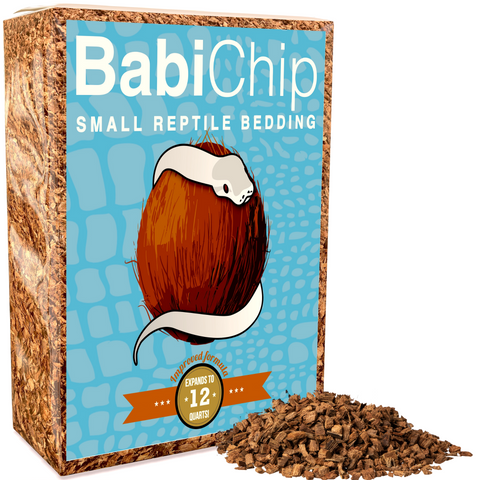
Recommended substrates for juvenile Pygmy Pythons: BabiChip Premium Small Sized Coconut Chips; Ready to Use.

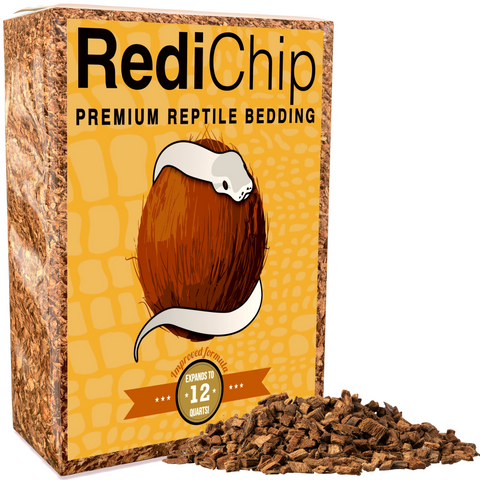
Recommended substrates for sub-adult Pygmy Pythons: RediChip Premium Medium Sized Coconut Chips; Ready to Use.

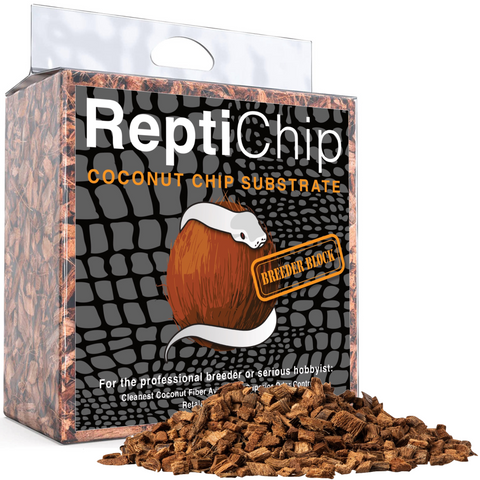
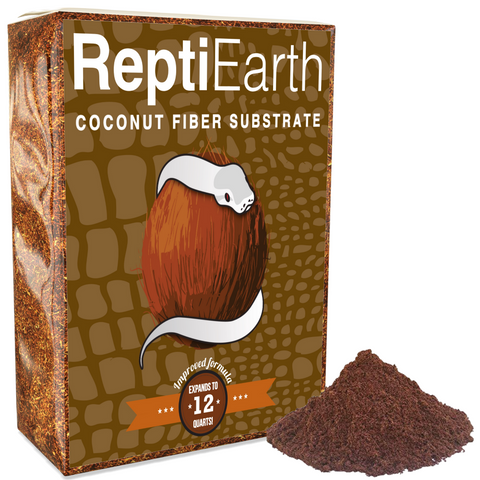
Recommended substrates for adult Pygmy Pythons: ReptiChip Breeder Blocks and Bundles and ReptiEarth Fine Coconut Fiber Mix; Ready to Use.

Recommended enclosures for Pygmy Pythons by age. Juvenile: HabiStat 24" Glass Terrariums. Sub-adult: Vivarium 36" Sliding Door Reptile Terrariums. Adult: Vivarium 48" Sliding Door Reptile Terrariums (4'x2').

Recommended lighting products for Pygmy Pythons: Arcadia 6% UVB D3 Forest Lighting.

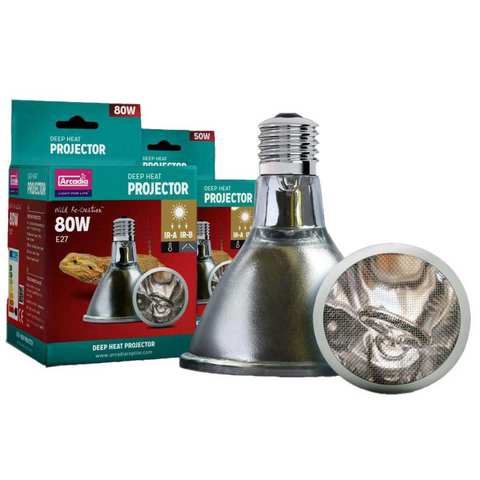
Recommended heating products for Pygmy Pythons by age. Juvenile: Arcadia Deep Heat Projectors and Vivarium Electronics Ceramic Dome Reflector. Sub-adult: Vivarium Electronics Radiant Heat Panels and Vivarium Electronics Thermostats. Adult: Vivarium Electronics Radiant Heat Panels and Vivarium Electronics Thermostats.

Yes. Recommended habitat bundles for Pygmy Pythons by age. Juvenile: Juvenile Pygmy Python Ultimate Habitat Bundle. Sub-adult: Subadult Pygmy Python Ultimate Habitat Bundle. Adult: Adult Pygmy Python Ultimate Habitat Bundle.

Search