
The scientific name of the Pancake Tortoise is Malacochersus tornieri.


Free Shipping to the Lower 48!
Free Shipping to the lower 48!
Menu title
This section doesn’t currently include any content. Add content to this section using the sidebar.
Your headline
Image caption appears here
$49.00
Add your deal, information or promotional text
Malacochersus tornieri


| Common Name(s) | Pancake Tortoise Tornier’s Tortoise |
| Scientific Name | Malacochersus tornieri |
| Behavior | Diurnal (active during day)
|
| Reproduction | Oviparous (Egg Layer) Oviposition: ~30-45 days Clutch size: ~1-6 eggs Incubation: ~90-120 days |
| Lifespan | ~30-40 years |
| Temperatures | 70-75°F cool side 80-85°F warm side 95-100°F basking spot |
| Humidity | 30-50% |
| Lighting | UVA/UVB required |
| Size | ~6-8 inches |
| Enclosure Recommendations | Baby: 36”x18”x18” (6 months +) Young: 48”x24”x24” (minimum) Sub-Adult/Adult: 72”x24”x24” (minimum) *recommended with adult enclosure to always go larger these are minimum requirements *larger enclosures encourage animals to exhibit natural behaviors |
| Experience Level | Advanced *Take note of lifespan *Diet, Humidity, and Supplementation must be perfect *Parents should always be involved caring for any pet, until the child is 18 yrs. |
| Diet | Intermediate/Advanced *Take note of lifespan *Love to dig *Diet, Humidity, and Supplementation must be perfect *Parents should always be involved caring for any pet, until the child is 18 yrs. |
Filter by age:




The pancake tortoise is an incredibly unique species of tortoise known for its remarkably flat, flexible shell. Unlike most tortoises, which have domed and rigid shells for protection, the Pancake Tortoise's shell is soft and pliable, allowing it to squeeze into narrow crevices and hide from predators. This adaptation is crucial for its survival in the rocky outcrops of East Africa, particularly in Kenya and Tanzania, where it resides. The tortoise relies on its agility and ability to hide rather than a hard shell for protection, making it one of the most agile and swift tortoises, capable of climbing rock faces and slipping into tight spaces when threatened.
The species is long lived, although precise averages from wild populations are difficult to establish. A typical lifespan is often estimated at roughly 25 to 40 years, and some individuals may live longer. Adult growth does not stop completely at maturity, but it becomes very slow. Older animals may develop smoother shells as the edges of the scutes wear against rock surfaces. Their survival depends less on overpowering threats than on avoiding them through vigilance, speed, camouflage, and intimate knowledge of the surrounding terrain.
Unlike many tortoises, this species is an agile climber and a relatively rapid runner. Its long, muscular limbs and strong claws provide traction on rough stone, enabling it to scramble over steep surfaces and bridge irregular gaps. Individuals commonly show strong fidelity to particular rock outcrops and may repeatedly use the same preferred fissure. Familiarity with escape routes is important because a threatened tortoise often races directly toward a known crevice rather than simply withdrawing into its shell. Its flattened body allows it to disappear quickly beneath slabs or between rocks.
Pancake tortoises are not highly social in the cooperative sense, but suitable rocky refuges can support several individuals in close proximity. Multiple tortoises may occupy the same general outcrop, and more than one animal may use a large fissure when secure shelter is limited. Even so, they maintain individual spacing and recognize one another through visual and chemical cues. Adult males can be territorial or assertive, especially when encountering other males. They may approach, ram, bite, or attempt to displace a rival. Females and juveniles are generally less confrontational, although all individuals may defend immediate access to a preferred hiding place. These interactions create a loose social structure rather than a cohesive group.
As herbivorous primary consumers, pancake tortoises transfer energy from low growing vegetation to higher levels of the food chain. They crop grasses, leaves, flowers, and other herbaceous growth available around rocky habitats. By feeding selectively, they can influence the structure of small plant patches and help recycle nutrients through their droppings. Seeds swallowed with vegetation may sometimes pass through the digestive tract and be deposited elsewhere, although this species is not regarded as a major long distance seed disperser. Its ecological influence is localized, reflecting the relatively small areas through which individuals typically move.
Hatchlings and juveniles are vulnerable to birds of prey, corvids, mongooses, and other small carnivores capable of searching among rocks. Larger carnivores may occasionally kill adults when they encounter them away from secure fissures. The tortoise’s combination of cryptic coloration, rapid retreat, flexible shell, and climbing ability reduces these risks. Its refuges also buffer abrupt environmental changes, remaining cooler than exposed rock during intense heat and offering more stable conditions during cool periods. Water conserving physiology, low energy demands, and the ability to reduce activity during unfavorable weather further support survival in a habitat where food and moisture fluctuate sharply. Together, these adaptations make the pancake tortoise a highly distinctive specialist whose entire way of life is organized around rocky shelter.
Conservation Status
The 2018 IUCN Red List assessment classifies the pancake tortoise as “Critically Endangered”, with a Decreasing population trend. “Critically Endangered" is the highest threat category for a species still surviving in the wild and indicates an extremely high risk of extinction. The assessment reflects severe declines in populations across a naturally restricted and fragmented distribution in eastern Africa. Remaining populations occupy scattered areas of specialized rocky habitat, and many are isolated from one another. This fragmentation limits recovery, increases vulnerability to local losses, and indicates poor overall species health despite the continued presence of some viable populations.
Collection for the international pet trade has been one of the most serious threats. The tortoise’s unusual flattened shell and secretive habits have made it highly desirable to collectors. Animals can be removed efficiently when collectors locate occupied rock outcrops, causing rapid depletion of populations that may have taken many years to develop. Illegal collection remains a concern even where capture and export are prohibited. Because depleted colonies recover slowly, repeated removal can lead to local extinction and further fragment the surviving population.
Habitat loss and degradation compound the effects of collection. Agricultural expansion, livestock grazing, settlement, road construction, quarrying, mining, and charcoal production can damage the dry woodland and rocky outcrops on which the species depends. Destruction or disturbance of rock crevices removes essential shelter and can render otherwise suitable areas unusable. Climate change may intensify drought and alter vegetation in already dry landscapes, although its long term effects are less clearly documented than direct collection and habitat conversion. Small, isolated populations are also less able to withstand severe weather, fires, or other localized disturbances.
International commercial trade is tightly restricted through inclusion in Appendix I of the Convention on International Trade in Endangered Species. This listing generally prohibits international trade in wild caught animals for commercial purposes and requires strict permitting for exceptional movements. National wildlife laws in range countries also regulate capture, possession, and export, although effective enforcement is difficult in remote areas. Stronger monitoring of known colonies, investigation of trafficking networks, and cooperation among customs and wildlife authorities remain important.
Protected areas and wildlife reserves safeguard portions of the remaining range, but many occupied rocky outcrops lie outside formally protected boundaries. Conservation therefore also depends on preventing quarrying and destructive land conversion, maintaining connections among habitat patches, and involving local communities in reporting illegal collection. Habitat restoration can help where surrounding vegetation has been degraded, but destroyed rock formations are difficult or impossible to replace.
Zoos and coordinated conservation breeding programs maintain captive assurance populations and have demonstrated that the species can be bred under managed conditions. Careful pedigree management can preserve genetic diversity and reduce pressure for wild sourced animals. However, breeding has not yet produced a large-scale reintroduction effort capable of reversing wild declines. Protecting existing habitat and eliminating illegal removal remain the central conservation priorities.
Native Range
The pancake tortoise is native to eastern Africa, where it has a geographically limited and highly discontinuous distribution. Its principal range extends from central and southern Kenya into northern and central Tanzania. Kenyan records are concentrated in dry regions east and southeast of the central highlands, including parts of the Kitui, Machakos, Makueni, Kajiado, Embu, Meru, Isiolo, and Samburu areas. In Tanzania, populations occur around the northern volcanic highlands and across portions of the central plateau, including areas associated with Arusha, Kilimanjaro, Manyara, Tanga, Dodoma, Singida, and Iringa. A small, widely separated population has also been reported in northern Zambia, although the core of the species’ range remains in Kenya and Tanzania.
Even within this north to south distribution, the tortoise does not occupy the landscape continuously. Suitable sites occur as isolated patches wherever appropriate rock formations rise from otherwise dry country. One hill, ridge, or group of boulders may support a population while apparently similar country nearby is unoccupied because its rocks lack usable cracks. The effective range is therefore better understood as an archipelago of rocky habitat islands than as one uninterrupted region. This patchiness is one of the most distinctive geographical features of the species.
At the macrohabitat level, the pancake tortoise inhabits semiarid savanna, thorn scrub, dry bushland, and rocky grassland. Much of its range lies within East African Acacia and Commiphora bushland, a generally open ecosystem characterized by scattered thorn trees, shrubs, seasonal grasses, and extensive bare or stony ground. It also occurs around rocky slopes within broader savanna mosaics. It is not a typical inhabitant of closed tropical rainforest, permanent wetland, or treeless sand desert. Dense, continuous canopy is generally absent, although shrubs and small trees provide localized shade.
The essential microhabitat is exposed, naturally fractured rock. Populations are most often associated with rocky hills, ridges, escarpments, kopjes, and isolated outcrops of granite, gneiss, lava, or other hard stone. Weathering and geological movement create narrow horizontal fissures, spaces beneath slabs, and deep cracks between boulders. The tortoise uses these confined openings as refuges from temperature extremes and dry air. The flattened form of its body is closely suited to entering crevices that would exclude more heavily domed tortoises.
Rainfall is limited and irregular, often totaling about 10 to 30 inches annually, depending on locality and elevation. In Kenya and northern Tanzania, precipitation commonly follows a roughly bimodal pattern, with longer rains around March through May and shorter rains around October through December. Farther south and inland, the seasons may merge into one main wet period extending broadly from November into April. Droughts and delayed rains are normal features of these semiarid landscapes, and annual totals can vary markedly.
Relative humidity changes just as sharply as rainfall. During dry, sunny weather, exposed daytime humidity may fall to approximately 30% to 50%, especially when winds cross open savanna. Humidity often rises substantially overnight, after showers, and during wet season mornings, sometimes exceeding 70% to 80%. Deep rock fissures have a more stable microclimate than the surrounding air. Their shade, limited airflow, and contact with cooler stone help retain moisture after rain and reduce desiccation during long dry intervals.
Permanent surface water is not a universal feature of pancake tortoise habitat. Many occupied outcrops lie well away from perennial rivers, marshes, or springs. Seasonal rain, temporary pools in rock depressions, dew, and moisture held within sheltered vegetation and crevices provide intermittent water availability. The survival value of an outcrop therefore depends less on proximity to a large water body than on its capacity to offer secure fissures, moderated temperatures, occasional moisture, and surrounding vegetation. The combination of fractured terrain, open semiarid plant cover, seasonal rainfall, and warm but variable temperatures defines the species’ highly specialized native environment.
Behavior
The pancake tortoise is primarily diurnal, with most movement, basking, exploration, and foraging occurring during daylight. In the wild, individuals commonly become active after morning light reaches their rocky surroundings. They may bask near the entrance of a crevice before moving farther into the open. Activity often declines during the hottest part of the day, when tortoises withdraw into shaded cracks, and may resume later in the afternoon. Cloud cover, wind, and recent rain can alter this pattern. On mild or overcast days, they may remain exposed longer than they would under intense sun. They normally settle into secure retreats before darkness and are not routinely nocturnal, although a disturbed animal may reposition itself within a crevice at night.
Seasonal activity reflects local changes in heat, rainfall, and plant growth. Rainfall often stimulates emergence and more sustained foraging, while prolonged hot, dry weather can produce extended periods of concealment and inactivity. This reduced activity is sometimes described as aestivation, although its duration varies among individuals and locations. pancake tortoises do not normally undergo the prolonged cold brumation typical of temperate tortoises. Cooler conditions and shorter days can nevertheless reduce basking, appetite, and movement. Reproductive periods may bring a noticeable increase in roaming, courtship, and conflict among males. These seasonal changes arise from several interacting cues rather than from temperature alone.
Although several pancake tortoises may occupy the same rocky outcrop and sometimes share large crevice systems, they are not social in the cooperative sense. Their apparent colonies result largely from the limited availability of suitable refuges. Individuals tolerate one another under some circumstances, particularly where escape routes are plentiful, but they still maintain personal space and can compete for favored retreats or basking positions. Interactions may include following, nudging, blocking, mounting, and displacement. Familiar animals may show stable patterns of tolerance, yet this should not be mistaken for a need for companionship. A solitary individual is not necessarily behaviorally deprived if it has adequate opportunities to explore, hide, and exercise.
Adult males are generally the most assertive members of an aggregation. Encounters between males can involve direct approaches, head movements, shell ramming, biting at the limbs, and attempts to push or overturn a rival. A dominant male may repeatedly displace a subordinate, preventing it from using preferred areas even when serious wounds are absent. Females can also behave aggressively, particularly when crowded or unable to avoid persistent attention. Courtship is forceful by human standards. A male may follow a female closely, circle her, ram or nip her, and attempt to restrict her movement before mounting. Soft grunts or forced breathing sounds may accompany exertion. These tortoises do not form pair bonds, and neither sex provides parental care after eggs are deposited.
Temperature strongly influences moment to moment behavior because the tortoise regulates its body temperature through movement. It alternates among exposed surfaces, partial shade, and deep shelter, sometimes placing only part of the body in sunlight. A tortoise that has recently emerged may orient its flattened shell toward the sun, then change angle or retreat as it warms. During excessive heat it becomes less active and presses into cooler recesses. Under cool conditions it may remain concealed, move slowly, or bask for longer periods. Light cycles help organize daily activity, and captive individuals often learn to anticipate the onset of daytime illumination. Abrupt or irregular changes can temporarily produce hiding, delayed emergence, or restless movement.
Humidity and rainfall also affect behavior. Following rain or a rise in atmospheric moisture, wild tortoises may emerge to drink, investigate wet rock surfaces, and exploit newly available vegetation. The smell of damp ground and fresh plant material appears to encourage exploration. Persistent wetness does not necessarily produce continuous activity, however, and an animal may still seek a dry, protected resting place. Barometric changes and storms can prompt withdrawal before obvious rainfall begins. In captivity, changes in mist, airflow, or room conditions may likewise trigger drinking, sniffing, or movement toward shelter. Individual responses vary, so behavior should be assessed over time rather than interpreted from a single episode.
Their most distinctive defense is rapid escape into narrow rock fissures. Unlike heavily domed tortoises that depend mainly on rigid armor, the pancake tortoise has a low, comparatively flexible shell that allows it to enter spaces unavailable to most predators. When threatened, it can sprint with surprising speed, scramble over uneven rock, and wedge itself deeply into a crack. Once inside, it braces with its strong limbs and claws and may expand its body through breathing, making removal difficult. Pulling forcibly on such an animal can cause severe injury. If escape is impossible, it may retract partially, press itself against a surface, hiss as air is expelled, or struggle vigorously. Biting is uncommon but possible when restraint continues.
Camouflage supports this crevice based defense. The shell pattern breaks up the animal’s outline against mottled stone, and an alert tortoise may freeze before deciding whether to flee. It frequently detects a potential predator or approaching human by sight at a distance, lifting its head and orienting toward the disturbance. A closer approach usually produces rapid retreat rather than a prolonged bluff display. Its locomotion is unusually agile for a tortoise. It can climb steep, rough surfaces, bridge small gaps, pivot in confined spaces, and right itself effectively after a minor tumble. This agility is central to its normal behavior rather than an occasional novelty.
Behavioral enrichment should emphasize choice, exploration, climbing, concealment, and natural foraging effort. Safe changes in routes, movable obstacles, scattered plant odors, varied presentation of vegetation, and multiple opportunities to retreat can encourage investigation without forcing interaction. Novel objects should be introduced gradually because sudden changes may cause avoidance. Healthy individuals commonly alternate among purposeful movement, basking, feeding, observation, and secure rest. Persistent pacing, repeated escape attempts, constant concealment, unusually weak responses to stimuli, or abrupt changes in sociability can signal stress or illness and should not be dismissed as personality.
Enclosure Design
A single juvenile pancake tortoise should be housed in an enclosure with at least 3 feet by 2 feet of usable floor space. An adult requires a minimum of 6 feet by 3 feet, although an enclosure measuring 8 feet by 4 feet provides a more functional temperature gradient and greater opportunity for exploration. Floor area is more important than height, but walls should be 18 to 24 inches tall because these tortoises climb surprisingly well. If more than one adult is housed together, increase the floor area substantially, duplicate all critical resources, and be prepared to separate individuals if one blocks another from hides, basking sites, or water.
PVC enclosures are durable, moisture resistant, and effective at retaining heat. Sealed plywood is also suitable if every internal seam and exposed edge is protected against moisture. Glass enclosures can work for juveniles but often lose heat rapidly and may require opaque panels on the sides to reduce visual stress. A modified tortoise table can be used in a warm, climate controlled room, but an enclosed design usually provides better control over temperature, lighting, and localized humidity. Ventilation should include openings at both lower and upper levels so warm, stale air can leave without creating a strong draft across the floor.
Place all heavy rocks and supporting structures directly on the enclosure floor before adding substrate. Rocks balanced on loose substrate can shift when the tortoise digs or pushes beneath them. Use aquarium safe silicone, bolts, brackets, or other nontoxic hardware to stabilize substantial features. Climbing structures should remain low enough that a fall cannot cause injury. Avoid steep drops, sharp stone edges, unstable rock piles, and narrow gaps that could trap a limb.
Create an open basking platform beneath the primary heat and UVB lamps, with unobstructed access from the main floor. Flat stone is useful because it absorbs heat and gives the tortoise a firm surface. The enclosure should still contain shaded routes between shelters so the animal can move without remaining exposed.
A secure lid or inward facing barrier is essential. pancake tortoises can brace themselves between walls and furnishings, climb corners, and exploit surprisingly small gaps. Doors should close tightly and use latches that cannot be pushed open. Cover ventilation openings with rigid hardware cloth or another heat resistant barrier, and seal gaps around lamp cables, thermostat probes, and plumbing. Inspect the enclosure regularly for loose fittings or shifted furnishings.
Lighting and Heating
Provide a distinct thermal gradient rather than heating the entire enclosure uniformly. The basking surface should reach 95℉ to 105℉, with approximately 100℉ suitable for most individuals. Warm side air temperatures should remain between 82 and 88 degrees, while the cool side should provide an area between 75℉ and 80℉. Nighttime temperatures may fall to 68℉ to 75℉. If the room drops below this range, use a nonlight emitting ceramic heat emitter or radiant heat panel to maintain safe nighttime warmth. Colored nighttime bulbs should not be used because visible light can disrupt the dark period.
A halogen flood lamp generally produces the most useful basking zone. Choose a flood rather than a narrow spotlight so the heated area covers most of the tortoise’s body. Every heating element must be controlled by a reliable thermostat. A dimming thermostat is preferable for basking lamps because it regulates output without repeatedly switching the lamp on and off. Ceramic emitters, radiant panels, and other supplemental heaters also require their own appropriately rated thermostatic control.
Strong UVB exposure is essential for normal calcium metabolism, skeletal maintenance, muscular function, and general activity. Use a high output linear T5 UVB lamp, typically in the 10% to 12% UVB range. The UVB fixture should overlap the basking area so heat, bright visible light, and ultraviolet exposure occur together. Compact lamps are generally inadequate as the sole UVB source for an adult enclosure because they illuminate too small an area.
Aim for an ultraviolet index of approximately 3 to 4 at shell height in the central basking zone, with shaded areas approaching zero. A suitable distance is often 12 to 18 inches from a linear T5 lamp with a reflector, but the exact placement depends on the lamp, fixture, and any intervening screen. Glass and clear plastic block useful UVB and must never sit between the lamp and tortoise. Fine mesh can also reduce output significantly. Use an ultraviolet meter when possible and follow the manufacturer’s replacement interval even if the lamp still produces visible light.
Bright, full spectrum LED lighting can supplement the UVB fixture and improve daytime illumination across the enclosure. Maintain a regular photoperiod with 12 to 13 hours of light during the brighter part of the year and about 10 to 11 hours during winter. Seasonal changes should be gradual, altering the schedule by approximately 15 minutes per week rather than making an abrupt shift. Keep timers consistent so lights turn on and off at predictable times. A stable day and night cycle supports normal activity, basking, rest, and physiological rhythms.
Substrate and Enrichment
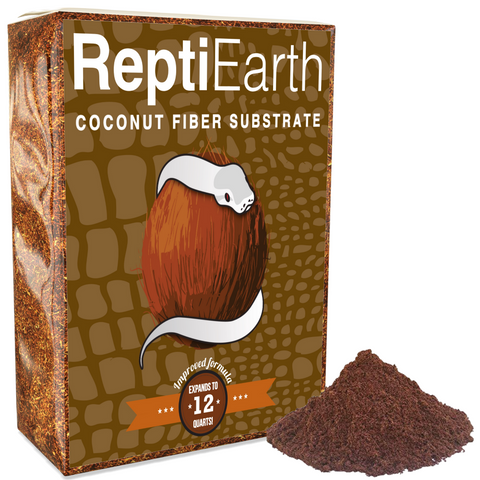
The substrate should provide secure footing, permit limited digging, and remain mostly dry without becoming dusty. A depth of 3 to 4 inches is adequate for juveniles, while adults benefit from 4 to 6 inches where enclosure construction allows. A practical mixture combines ReptiEarth with organic topsoil and washed play sand. Approximately two parts topsoil, one part ReptiEarth, and one part sand creates a firm but workable surface. Adding a small amount of excavator clay can help the mixture hold shallow contours around rocks and ledges.
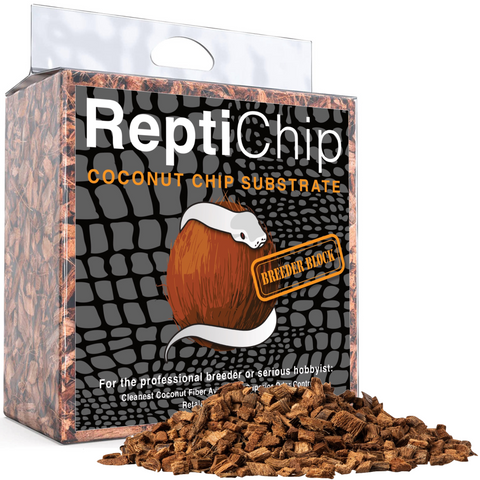
ReptiChip may be incorporated in localized moisture retaining areas, especially beneath a humid retreat, but large chips should not dominate the main walking surface. A blend of ReptiEarth and finely processed ReptiChip works well inside a sheltered, slightly humid zone because it remains softer and retains moisture longer than the open substrate. Keep loose chips away from heavily traveled basking platforms. Pure sand, crushed walnut shell, gravel, aromatic wood shavings, and corn based bedding are unsuitable because of poor footing, excessive dust, sharp particles, or increased risk if swallowed. Reptile carpet should never be used.
Remove waste and visibly contaminated substrate promptly. Stir dry areas periodically and replace the full substrate layer when it becomes persistently soiled, compacted, or difficult to regulate. Moisture should not collect against unsealed enclosure walls. Flat basking stones, water bowls, and frequently used hide surfaces should be cleaned separately without saturating the entire substrate.
Enrichment should emphasize climbing, route selection, shelter seeking, and exploration. Arrange several low pathways with different textures, such as packed soil, smooth stone, rough slate, and shallow areas of loose substrate. Provide stable inclines and broad ledges that require moderate climbing without exposing the tortoise to a dangerous fall. A few partially buried stones encourage investigation and allow natural pushing and digging behavior.
Offer multiple retreats with different internal dimensions and temperatures. Some should be narrow and dim, while another may contain slightly damp substrate. Cork bark, when firmly anchored, can form lightweight tunnels, but it should not replace secure stone like retreats. Thick, pesticide free branches or roots can act as visual barriers and low obstacles, provided they cannot roll or trap the tortoise beneath them.
Enrichment can come in many forms and is for the stimulation of your animal. The five types of enrichment you can offer are food related, sensory, physical habitat, cognitive, and social. These categories have a vast variety of options to choose from that are appropriate for the species being enriched.
Humidity and Hydration
Maintain general daytime humidity between 35% and 50%. A modest nighttime rise to approximately 45% to 60% is acceptable, especially inside sheltered areas. Provide one humid retreat with humidity around 60% to 70%, but keep its substrate merely damp rather than wet. This localized microclimate allows the tortoise to choose additional moisture without forcing the entire enclosure into humid conditions.
In most homes, lightly mist the humid retreat and the substrate immediately around it two or three mornings per week. In exceptionally dry, heated rooms, brief daily moistening of that small area may be necessary. The enclosure should begin drying during the day, and the basking platform should remain dry. Avoid soaking the whole floor or repeatedly spraying the tortoise late at night.
Provide clean drinking water at all times in a shallow, stable bowl. The rim should be low enough for easy entry, and the bowl should be broad enough for the tortoise to stand in without being submerged. Place it away from the hottest area to reduce evaporation, but not inside the coolest, darkest corner where it may be ignored. Change the water daily and whenever substrate is tracked into it.
Pancake tortoises may also drink droplets from stone and enclosure surfaces after light spraying. During morning misting, place a fine layer of droplets on one section of rock or wall without flooding the floor. This supplements rather than replaces the water bowl. Monitor humidity with at least two accurate digital hygrometers, positioning one near the main floor and one near the humid retreat. Periodically verify their accuracy and interpret readings together with direct inspection of the substrate, ventilation, and condensation.
Diet & Supplementation
Pancake tortoises are specialized herbivores. In the wild, their primary foods are grasses, dry grass stems, herbaceous weeds, and leafy plants growing among rocky outcrops. Tender shoots become especially important when seasonal rains stimulate new growth. Secondary foods include flowers, seed heads, fallen leaves, low growing browse, and occasional succulent vegetation. The tortoise locates food through vision and smell, then crops it with its sharp beak.
Seasonal availability strongly influences intake and food selection. During wetter periods, tortoises can choose tender leaves, shoots, and flowers and may forage more actively. In dry periods, they rely more heavily on mature grasses, dried vegetation, fibrous stems, and persistent browse, while overall consumption may decline. Juveniles generally select smaller, softer plant parts and feed more frequently than adults, but they still require a high fiber, low protein diet. Rapid growth should never be encouraged with animal protein or excessive concentrated food.
A diet should reproduce this fibrous diversity rather than consist primarily of supermarket greens. Grasses, safe broadleaf weeds, edible leaves, and grass hay should form the foundation. Suitable choices include untreated lawn grasses, dandelion, plantain weed, sow thistle, clover in moderation, hibiscus leaves and flowers, mulberry leaves, grape leaves, cactus pads with all spines removed, endive, escarole, collard greens, mustard greens, and turnip greens. Chopped orchard grass or timothy hay can be mixed with fresh greens, especially for animals reluctant to eat dry hay. A reputable high fiber tortoise pellet may be soaked and used as a minor component, but it should not replace varied vegetation.
Fruit should be omitted or reserved for exceptionally rare, tiny portions because its sugar content can disrupt normal intestinal fermentation. Iceberg lettuce is mostly water and is nutritionally inadequate as a staple. Spinach, Swiss chard, and beet greens contain substantial oxalates and should be used sparingly, if at all. Large amounts of cabbage, broccoli, or kale should also be avoided as a dietary base.
Juveniles should receive fresh food daily, with edible grasses or hay available regularly. Adults may also be fed daily, but portions should be controlled; alternatively, substantial fresh meals can be offered five or six days per week while fibrous forage remains available. Begin with a loose serving of greens approximately equal to the animal’s shell footprint, then adjust according to consumption, weight trends, and body condition. Leaves and stems may be offered whole when the tortoise can crop them easily. If chopping is necessary, pieces about one or two mouth widths across encourage natural biting without presenting long, tough strands that are difficult to swallow. Food is best offered after the tortoise has warmed and become active. Effective digestion requires access to body warming conditions around 90°F to 95°F.
Fresh vegetation is preferable to frozen produce because freezing damages texture and may reduce acceptance. If frozen edible greens must be used temporarily, thaw them completely in a refrigerator, bring them to room temperature, drain excess liquid, and discard any sour, slimy, or repeatedly thawed food. Do not serve food hot or use uneven microwave warming. Presentation on a clean feeding surface, with several plant types mixed together, often reduces selective feeding. Hand feeding should not become the only presentation method.
Calcium supplementation is usually appropriate, lightly dusting fresh food with plain calcium carbonate two or three times weekly for growing animals and once or twice weekly for healthy adults. A piece of plain cuttlebone may also be available for voluntary consumption. The food should not be heavily coated, since excessive supplementation can reduce palatability and create mineral imbalances. A reptile multivitamin may be used sparingly, generally no more than once every one or two weeks, depending on the diversity of the diet and whether fortified pellets are included. Concentrated vitamin D3 and preformed vitamin A products should not be given routinely without veterinary direction.
Food refusal may result from inadequate body temperature, recent environmental disturbance, seasonal slowing, monotonous food, oral pain, parasites, gastrointestinal obstruction, or systemic illness. First confirm that the tortoise is warm enough to digest, then offer familiar weeds or flowers alongside the regular mixture. Do not respond by repeatedly offering fruit or animal protein. An adult missing a few meals while remaining alert and weight stable is less concerning than persistent refusal accompanied by lethargy, discharge, abnormal feces, or weight loss. Juveniles and already thin animals require earlier veterinary assessment.
Track body weight regularly on an accurate scale and interpret it alongside appearance. A healthy tortoise has firm limb and neck muscles without conspicuous fat bulging around the shell openings. Obesity produces thick deposits around the shoulders, hind limbs, and neck and may interfere with normal movement. Underconditioned animals develop hollow areas around the limbs and neck, reduced muscle mass, prominent pelvic contours, and a sustained decline in weight. Because the pancake tortoise naturally has an unusually flat, somewhat flexible shell, shell shape or flexibility alone should not be used to judge nutritional condition.
Reproduction
Reproductive maturity depends more on body size and physical condition than on age alone. Well-maintained males may become reproductively capable at about four to six years, while females often mature later, commonly between six and nine years. Growth rates vary considerably, so age should not be used as the sole criterion for pairing. A female should be close to adult size, with a well-developed shell and adequate body reserves, before breeding is attempted. Breeding an undersized female increases the risk of reproductive failure and difficulty passing an egg.
Sexual dimorphism becomes clearer as the animals mature. Adult males generally have longer, thicker tails, with the vent positioned farther from the shell. Their plastrons may be slightly concave, which helps them maintain position during mounting. Females usually have shorter tails, vents closer to the shell, and flatter plastrons. Mature females may also be somewhat larger and broader through the rear of the body. These differences can be subtle in young animals, and juvenile tail length is not always a reliable guide. Incorrect sex identification is a common reason that apparently compatible pairs never reproduce.
Courtship is relatively direct and can appear aggressive. A male may follow a female closely, circle her, bob or extend his head, sniff around her tail and hind limbs, and repeatedly attempt to block her movement. He may ram the front or sides of her shell and nip at her legs or shell margins. If she remains accessible, he mounts from behind and braces himself with his limbs. Males can produce audible grunts or rasping sounds during copulation. A receptive female may pause, elevate the rear of her shell slightly, or cease trying to escape. A female that continually wedges herself into a refuge, turns to bite, or flees whenever the male approaches is not accepting the interaction and should not be forced to remain with him.
Mate selection should prioritize mature, unrelated, vigorous animals with compatible behavior. Physical maturity does not guarantee behavioral compatibility. Short periods of following, ramming, and mounting are normal, but relentless biting, repeated overturning, interference with basking or resting, and persistent attempts by the female to hide indicate excessive pressure. Separation followed by a later reintroduction is safer than leaving an incompatible pair together.
Seasonal cycling often improves breeding success. Pancake tortoises should not be subjected to a cold brumation. Instead, the keeper can reproduce the moderate transition between a cooler, drier season and a warmer period associated with increasing rainfall and plant growth. Changes should be gradual rather than abrupt. During a cooler phase lasting roughly six to eight weeks, nighttime temperatures may be allowed to fall into the mid to upper 60s, with daytime temperatures generally in the upper 70s to low 80s and a localized basking area near 90. Temperatures should then rise over several weeks, with daytime conditions reaching the low to mid 80s, nighttime temperatures near 70°F to 75°F, and basking temperatures around 92°F to 98°F. Extreme cooling is unnecessary and can suppress activity without producing a useful reproductive response.
The photoperiod should change with the temperature cycle. A cooler seasonal phase can use approximately ten hours of light, followed by a gradual increase to twelve or thirteen hours as warmer conditions return. Increasing day length, warmer mornings, and greater daily activity can stimulate courtship and follicular development. Constant lighting and temperatures throughout the year do not always prevent reproduction, but they may weaken or obscure the seasonal cues needed by reluctant breeders. The entire cycle should remain moderate because populations from different localities do not experience identical climates.
Humidity and simulated rainfall provide another important cue. The cooler phase can remain relatively dry, while the transition into the breeding season may include somewhat more frequent misting and occasional heavier watering that resembles brief seasonal showers. Humidity may rise temporarily after spraying, but the enclosure should not remain wet or stagnant. Dry retreats must always remain available. The objective is to create short pulses of moisture, changing air pressure, and the smell of damp substrate, not a continuously humid environment. Males often become more active and persistent after these changes, and females may begin investigating potential nesting areas.
A gravid female requires a suitable nesting site even though the species normally lays only one egg at a time. At least one quiet area should contain approximately 8 to 12 inches of diggable soil or a soil and sand mixture that holds a shallow excavation without collapsing. Slightly moist lower layers with a drier surface often encourage digging. The site should be warm, secluded, and accessible without requiring the female to pass the male. Several sites with different temperatures and moisture levels are preferable when space permits. Before laying, a female may become restless, explore the enclosure repeatedly, sniff or scrape the ground, dig incomplete holes, and alternate between basking and searching. The male should be removed if his attention disrupts this process.
Breeding failure frequently results from poor timing, incompatible animals, stress, or inadequate nesting conditions rather than absolute infertility. If courtship is absent, the keeper should confirm sex and maturity, evaluate seasonal cycling, and ensure that the animals have not been disturbed by frequent enclosure changes. An overweight, underconditioned, or chronically stressed tortoise may show reduced fertility even when it appears sexually mature. Body condition should be corrected before another breeding attempt rather than using more extreme heat, longer light periods, or prolonged cohabitation to force activity.
Incubation & Neonate Care
Pancake tortoises are oviparous, meaning that they reproduce by laying eggs rather than giving birth to live young. A normal clutch usually consists of a single relatively large egg, although two eggs are occasionally produced. A healthy female may produce more than one clutch during a reproductive season, with several weeks between laying events. At deposition, she should have access to a secluded nesting area containing at least 8 to 12 inches of slightly moist, diggable soil and sand. Compacted, excessively dry, or waterlogged substrate may cause her to abandon nesting attempts or retain the egg. Once she has covered the nest and moved away, the egg can be recovered carefully for artificial incubation. Pancake tortoises do not guard their nests or provide care after laying.
Incubate the egg with a suitable medium such as fine vermiculite or perlite because it holds moisture evenly without compacting around the shell. Mix approximately a 1:1 ratio of the medium to water by weight. The mixture should clump when squeezed but should not release free water. Bury the egg by roughly one-third to one-half of its depth, leaving the marked upper surface exposed. The egg should not touch wet container walls or sit beneath places where condensation can drip directly onto it.
A stable incubation temperature of 86℉ to 89℉ is appropriate, with 87℉ to 88℉ providing a practical target. Brief minor variations are generally less dangerous than sustained overheating, but temperatures above approximately 91℉ degrees increase the risk of deformity, embryonic death, or premature hatching. Prolonged temperatures below about 82℉ degrees can greatly delay development and may reduce viability. Incubator temperature should be verified with a calibrated digital thermometer placed beside the egg rather than relying only on the incubator’s built-in display.
Relative humidity inside the egg container should remain approximately 75% to 85%. Humidity must be high enough to prevent excessive water loss but not so high that the shell remains wet. A progressively collapsing egg may indicate insufficient moisture, although collapse can also accompany embryonic death. Add water to the medium at the edge of the container, never directly onto the egg. Weighing the container periodically can help identify gradual water loss without repeatedly opening it.
Incubation commonly lasts about 120 to 180 days, although viable eggs may hatch earlier or remain in incubation for more than 200 days. Some eggs exhibit delayed early development, probably reflecting a natural embryonic pause. Consequently, an egg should not be discarded merely because development is not visible during the first several weeks. Cooling or warming phases are sometimes used by experienced breeding programs, but a deliberate temperature cycle is not reliably necessary and can be harmful if poorly controlled. Constant, moderate incubation is the safer approach for most keepers.
Near hatching, the neonate cuts the shell with its temporary egg tooth, creating a small opening called a pip. It may remain partly inside the egg for 24 to 72 hours while breathing air and absorbing the remaining yolk. This delay is normal. The shell should not be peeled away simply because progress appears slow. Premature assistance can rupture blood vessels, tear the yolk sac, or expose the hatchling to infection. Intervention is warranted only when there is clear evidence of distress, drying membranes, or a hatchling that has stopped progressing after pipping, preferably under veterinary or highly experienced supervision.
After hatching, place the neonate on a clean, slightly damp paper towel in a warm, ventilated container until the navel is closed and any external yolk has been absorbed. Keep the paper clean and prevent the youngster from dragging an exposed yolk sac across abrasive surfaces. A small residual yolk sac usually retracts without treatment. Swelling, bleeding, discoloration, odor, persistent discharge, or tissue that fails to retract requires immediate veterinary attention.
Once the navel is sealed, house the hatchling in a secure enclosure at least 2 feet long and 1 foot wide. Provide a shallow, easily navigated layout with several tight but safe rocklike retreats. pancake tortoise neonates instinctively seek narrow crevices, so furnishings must be stable and spaced to prevent entrapment. Use a paper towel initially, followed by a firm soil-based substrate after the navel is fully healed. Loose sand, wood chips, and substrates that cling to food increase the risk of ingestion or impaction.
Maintain an ambient daytime range of 78℉ to 84℉, with a basking surface around 92℉ to 95℉. The cooler end should remain available so that the hatchling can regulate its body temperature. Night temperatures of 72℉ to 78℉ are appropriate, and prolonged chilling below 70℉ should be avoided. Humidity can remain around 40% to 60%, with a slightly more humid retreat near 60 to 70 percent. The enclosure must remain well ventilated; continuously damp conditions predispose hatchlings to respiratory and shell problems. Appropriate ultraviolet B exposure is essential once the hatchling enters its regular rearing enclosure.
A healthy neonate may not eat immediately because it is still using absorbed yolk. Offer food daily after it becomes active and the navel is closed, usually within several days of hatching. Appropriate first meals include finely cut tender grasses, safe leafy weeds, and fibrous greens presented on a clean, flat dish. Portions should be fresh and easy to bite, but food should not be forced into the mouth. Failure to eat during the first few days can be normal. Persistent refusal beyond a week, especially with lethargy or weight loss, warrants investigation.
Provide a very shallow water dish that the hatchling can enter and leave without tipping or submerging its head. Supervised soaking in lukewarm water for 10 to 15 minutes two or three times weekly is useful during early growth, particularly if the animal is not drinking voluntarily. Dry it before returning it to the heated enclosure. Dehydration may cause sunken eyes, reduced activity, hard urates, poor appetite, and weight loss, while chronic dampness may lead to skin, shell, or respiratory disease.
Neonates should be separated from adults. Adults may accidentally crush them, displace them from basking and feeding sites, or injure them while entering crevices. Newly hatched siblings are also safest when housed individually until feeding, hydration, and weight gain are established. If juveniles are later kept together, each must have separate access to heat, food, water, and retreats. Record body weight at least weekly on a gram scale. Common concerns include yolk sac infection, dehydration, failure to thrive, respiratory infection, shell injury, metabolic bone disease, and intestinal parasites. Handling should be brief and gentle, with the entire flexible shell supported in both hands and no pressure applied to its sides.
Egg retention, or dystocia, is a serious maternal emergency associated with unsuitable nesting conditions, dehydration, obstruction, or poor muscular function. Warning signs include repeated unsuccessful digging, persistent straining, hind-limb weakness, cloacal swelling, lethargy, or a sudden loss of appetite around expected laying. Affected females require prompt reptile veterinary care and diagnostic imaging. Keepers should not massage the abdomen, pull at a visible egg, or administer calcium or labor-inducing drugs without veterinary direction, since these actions can rupture the egg or reproductive tract.
Conclusion
Successful pancake tortoise care begins with an enclosure built around the species’ dependence on rocky shelter, secure footing, and freedom of movement with opportunity for exploration. Stable stones, low ledges, shaded routes, and several narrow retreats should imitate a fractured outcrop without creating unstable piles, sharp edges, or trapping hazards. Walls should be 18 to 24 inches tall, and the enclosure must be secured against this agile and persistent climber.
Good husbandry must also accommodate the tortoise’s behavior. This species needs opportunities to climb, explore, bask, forage, and retreat into tight but safe crevices. Its learned approach to a keeper does not indicate enjoyment of handling, and restraint should remain brief. Solitary housing is acceptable, while group housing demands substantially more space, duplicated resources, and readiness to separate animals. Ramming, biting, cornering, blocked access, persistent hiding, or weight loss can indicate serious social pressure.
With careful monitoring and consistent husbandry, this remarkable tortoise can thrive, but its estimated lifespan of roughly 25 to 40 years makes ownership a substantial long term responsibility. Its Critically Endangered status also makes lawful, responsible acquisition and lifelong planning especially important.
| Native Range | East Africa Kenya Tanzania |

ReptiChip is made by pancake tortoise lovers, for pancake tortoise lovers. It’s what the pros use, and it’s what you can use, too.
Our product line includes BabiChip, RediChip, TropicalBase, MicroChip, and ReptiEarth, so you can be sure to find the perfect pancake tortoise bedding for your pet.
Ready to switch to the ultimate pancake tortoise bedding? Check out ReptiChip today.
The scientific name of the Pancake Tortoise is Malacochersus tornieri.
The Pancake Tortoise is also known as Tornier’s Tortoise.
Pancake Tortoises are native to East Africa, Kenya, and Tanzania.
Adult Pancake Tortoises typically reach about 6-8 inches.
Pancake Tortoises live about 30-40 years with proper care.
Recommended temperatures for a Pancake Tortoise: 70-75°F cool side, 80-85°F warm side, and 95-100°F basking spot.
Pancake Tortoises need 30-50% humidity.
Yes. Recommended lighting for Pancake Tortoises: UVA/UVB required.
Recommended enclosure sizes for a Pancake Tortoise: Baby: 36”x18”x18” (6 months +); Young: 48”x24”x24” (minimum); Sub-Adult/Adult: 72”x24”x24” (minimum). Recommended with adult enclosure to always go larger these are minimum requirements. Larger enclosures encourage animals to exhibit natural behaviors.
Pancake Tortoises are not usually recommended for beginners; they are rated Advanced for keeper experience. Diet, Humidity, and Supplementation must be perfect.
Pancake Tortoises are diurnal (active during the day).
Common Pancake Tortoise behavior traits: Can be standoffish when new; Docile generally; Warm up easily with consistent handling/interaction; Solitary (besides breeding season); Very active; Will climb; Adept burrowers.
Yes. Pancake Tortoises are oviparous, meaning they lay eggs.
A Pancake Tortoise clutch is typically about 1-6 eggs.
Pancake Tortoise eggs typically incubate for about 90-120 days before hatching.
The Pancake Tortoise oviposition (egg-laying) period is typically about 30-45 days.
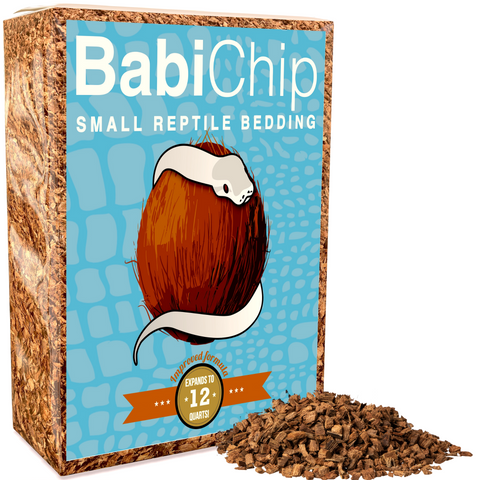
Recommended substrates for juvenile Pancake Tortoises: BabiChip Premium Small Sized Coconut Chips; Ready to Use and ReptiEarth Fine Coconut Fiber Mix; Ready to Use.
Recommended substrates for sub-adult Pancake Tortoises: ReptiChip Breeder Blocks and Bundles and ReptiEarth Fine Coconut Fiber Mix; Ready to Use.
Recommended substrates for adult Pancake Tortoises: ReptiChip Breeder Blocks and Bundles and ReptiEarth Breeder Blocks and Bundles.
Recommended enclosures for Pancake Tortoises by age. Juvenile: Vivarium 36" Sliding Door Reptile Terrariums. Sub-adult: Vivarium 48" Sliding Door Reptile Terrariums (4'x2').
Recommended lighting products for Pancake Tortoises: Arcadia 12% UVB D3 Desert Lighting.
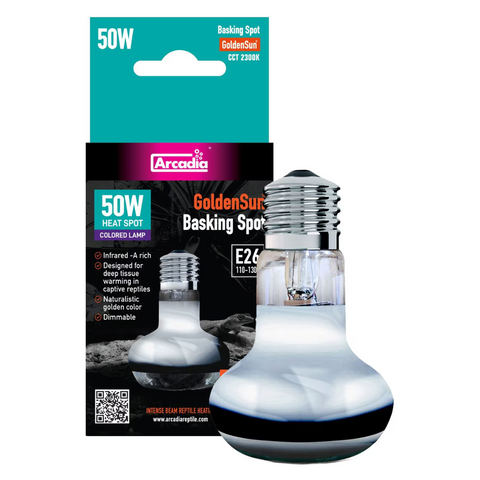
Recommended heating products for Pancake Tortoises by age. Juvenile: Arcadia GoldenSun Basking Spot Heater and Vivarium Electronics Ceramic Dome Reflector. Sub-adult: Arcadia GoldenSun Basking Spot Heater and Vivarium Electronics Ceramic Dome Reflector. Adult: Vivarium Electronics Radiant Heat Panels and Vivarium Electronics Thermostats.