Free Shipping to the Lower 48!

Free Shipping to the lower 48!

id="mega-catalog" name="no-js-main-navigation">

This section doesn’t currently include any content. Add content to this section using the sidebar.

Image caption appears here

Add your deal, information or promotional text

Liasis olivaceus

Olive Python

Best su...
Order

What Makes ReptiChip The BestOlive Python Bedding

Filter by age:

Best Bundles for Subadult Olive Pythons

Best Substrates for Subadult Olive Pythons

Best Enclosures for Subadult Olive Pythons

Best Lighting Products for Subadult Olive Pythons

Best Heating Products for Subadult Olive Pythons

Best Substrates for Juvenile Olive Pythons

Best Enclosures for Juvenile Olive Pythons

Best Lighting Products for Juvenile Olive Pythons

Best Heating Products for Juvenile Olive Pythons

Olive Pythons (Liasis olivaceus) are captivating reptiles native to the lush rainforests and savannah woodlands of northern Australia. Despite their large size and formidable appearance, they are typically docile and placid snakes, often sought after by reptile enthusiasts for their impressive demeanor and striking coloration. Named for their olive-green to brownish-black scales, Olive Pythons exhibit remarkable color variations across their range, ranging from vibrant greens to deep, earthy tones. These variations serve as camouflage in their natural habitat, enabling them to blend seamlessly into their surroundings while hunting for prey or evading predators.

One of the most intriguing aspects of Olive Pythons is their remarkable ability to adapt to diverse habitats, ranging from dense forests to semi-arid scrublands. They are adept climbers, using their strong, muscular bodies and prehensile tails to navigate through trees and shrubs in search of prey or shelter. Their arboreal tendencies make them formidable hunters, capable of ambushing prey from above with stealth and precision. Despite primarily being nocturnal hunters, Olive Pythons are also known to bask in the sun during the day, utilizing solar radiation to regulate their body temperature and aid in digestion. This versatile behavior highlights their adaptability and ecological importance as apex predators in their ecosystem, playing a vital role in maintaining the delicate balance of their natural habitats.

Why ReptiChip?

A yello...
INNOVATIVE PRODUCTS
MADE IN THE USA
ALL NATURAL
FREE SHIPPING
EXPERT SUPPORT
VETERAN OWNED

ReptiChip is made by olive python lovers, for olive python lovers. It’s what the pros use, and it’s what you can use, too.

Our product line includes BabiChip, RediChip, TropicalBase, MicroChip, and ReptiEarth, so you can be sure to find the perfect olive python bedding for your pet.

Ready to switch to the ultimate olive python bedding? Check out ReptiChip today.

Common Olive Python ReptiChip Questions

The scientific name of the Olive Python is Liasis olivaceus.


The Olive Python is also known as Common olive python.

Australia. From the Kimberley region in Western Australia to area around Mount Isa in Queensland.

Adult Olive Pythons typically reach about 8-13 ft.

Olive Pythons live about 20-30 years with proper care.

Recommended temperatures for an Olive Python: 70-75°F cool side, 80-85°F warm side, and 90-95°F basking spot.

Olive Pythons need 50-60% humidity.

UVB lighting is recommended because it benefits Olive Pythons. Lighting spec: UVA/UVB benefits animal.

Recommended enclosure sizes for an Olive Python: Baby-Young: 36”x18”x18” (<6 months +); <6ft/Sub Adult: 48”x24”x24” (minimum); >6ft/Adult: 72”x24”x24” (minimum); >8ft/Adult: 96”x24”x24” (minimum); >10ft/Adult: 120”x48”x48” (minimum); >12ft/Adult: 144”x48”x48” (minimum); >14ft/Adult: 168”x72”x72” (minimum). Always base adult size enclosure off of snake size. They should be able to stretch out in length completely & turn around comfortably.

Olive Pythons eat: Carnivorous; Rodents; Quail; Chicks; Rabbits.

Olive Pythons are not usually recommended for beginners; they are rated Advanced for keeper experience. If previously established on F/T rodents.

Olive Pythons are nocturnal (active at night).

Common Olive Python behavior traits: Semi arboreal python; Prehensile tails; Sleep on ground-under logs/hides; Ambush hunters; Generally docile; Warm up easily with consistent handling; Iridescent scales; Solitary besides breeding season.

Yes. Olive Pythons are oviparous, meaning they lay eggs.

An Olive Python clutch is typically about 15-40 eggs.

Olive Python eggs typically incubate for about 60-75 days before hatching.

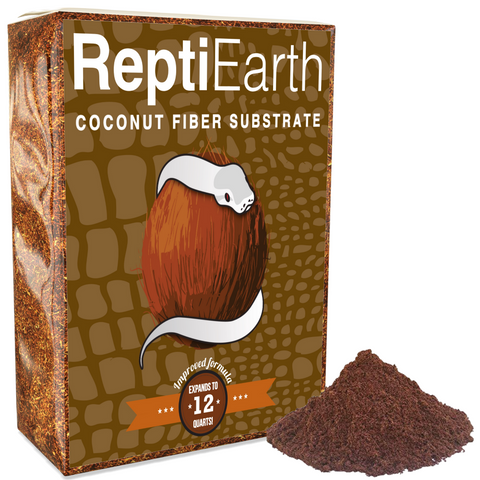
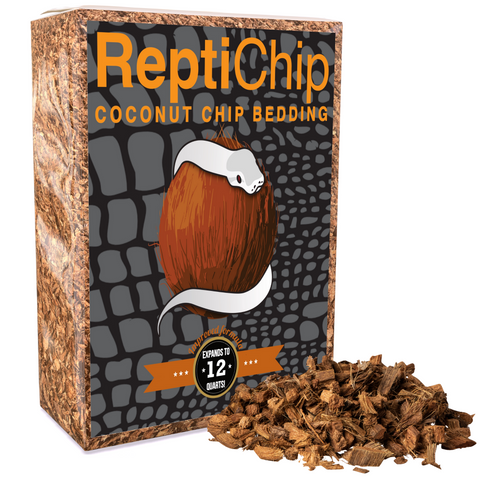
Recommended substrates for juvenile Olive Pythons: ReptiChip Coarse Coconut Chip Mix; Ready to Use and ReptiEarth Fine Coconut Fiber Mix; Ready to Use.

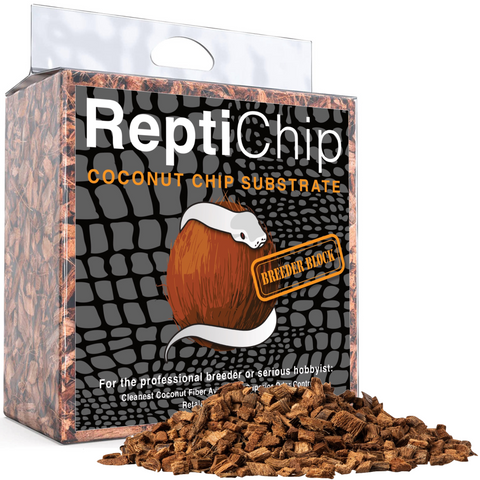
Recommended substrates for sub-adult Olive Pythons: ReptiChip Breeder Blocks and Bundles and ReptiEarth Fine Coconut Fiber Mix; Ready to Use.

Recommended substrates for adult Olive Pythons: ReptiChip Breeder Blocks and Bundles.

Recommended enclosures for Olive Pythons by age. Juvenile: HabiStat 24" Glass Terrariums. Sub-adult: Vivarium 48" Sliding Door Reptile Terrariums (4'x2').

Recommended lighting products for Olive Pythons: Arcadia 6% UVB D3 Forest Lighting.

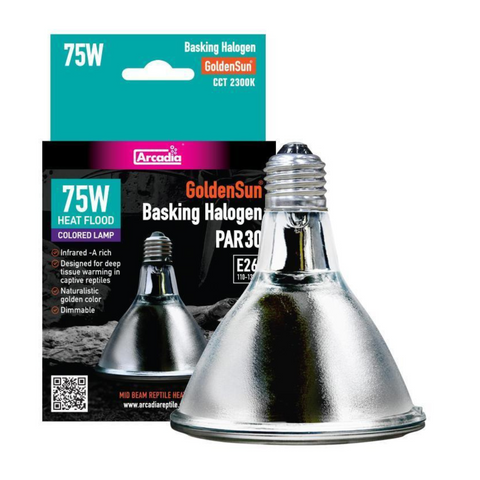
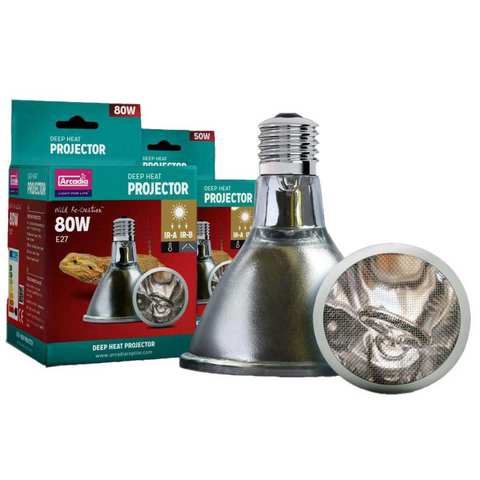
Recommended heating products for Olive Pythons by age. Juvenile: Arcadia Deep Heat Projectors and Vivarium Electronics Ceramic Dome Reflector. Sub-adult: Arcadia GoldenSun Basking Halogen Heater and Vivarium Electronics Ceramic Dome Reflector. Adult: Vivarium Electronics Radiant Heat Panels and Vivarium Electronics Thermostats.

Yes. Recommended habitat bundles for Olive Pythons by age. Juvenile: Juvenile Olive Python Ultimate Habitat Bundle. Sub-adult: Subadult Olive Python Ultimate Habitat Bundle.

Search