Free Shipping to the Lower 48!

Free Shipping to the lower 48!

id="mega-catalog" name="no-js-main-navigation">

This section doesn’t currently include any content. Add content to this section using the sidebar.

Image caption appears here

Add your deal, information or promotional text

Varanus indicus

Mangrove Monitor

Best su...
Order

What Makes ReptiChip The BestMangrove Monitor Bedding

Best Substrates for Juvenile Mangrove Monitors

Best Enclosures for Juvenile Mangrove Monitors

Best Lighting Products for Juvenile Mangrove Monitors

Best Heating Products for Juvenile Mangrove Monitors

Mangrove Monitors (Varanus indicus) are highly adaptable reptiles, native to coastal regions and islands of northern Australia, New Guinea, and various Pacific islands. One fascinating feature of this species is its ability to thrive in both terrestrial and aquatic environments, making it one of the more versatile monitor species. They are excellent swimmers and often dive into water to escape predators or hunt for prey. Mangrove Monitors are known to frequent mangroves, swamps, and forests, often seen basking on tree branches or foraging along shorelines. Their semi-aquatic nature allows them to exploit a wide range of food sources, including fish, crabs, insects, small mammals, birds, and carrion, reflecting their opportunistic and carnivorous diet.

Another interesting fact about Mangrove Monitors is their unique tail, which is laterally compressed, making it an excellent tool for swimming. This adaptation is particularly beneficial in their coastal habitats, allowing them to navigate through water with ease. They are also highly agile climbers, using their sharp claws to grip branches and trees. Mangrove Monitors possess a keen sense of smell, using their long, forked tongue to detect chemical cues in their environment, which helps them locate food and navigate their surroundings. These monitors are known for their intelligence and can be quite curious in captivity, often interacting with their surroundings and recognizing their keepers. Their adaptability to various environments and complex behavior make them a captivating species to observe in the wild and in captivity.

Why ReptiChip?

A yello...
INNOVATIVE PRODUCTS
MADE IN THE USA
ALL NATURAL
FREE SHIPPING
EXPERT SUPPORT
VETERAN OWNED

ReptiChip is made by mangrove monitor lovers, for mangrove monitor lovers. It’s what the pros use, and it’s what you can use, too.

Our product line includes BabiChip, RediChip, TropicalBase, MicroChip, and ReptiEarth, so you can be sure to find the perfect mangrove monitor bedding for your pet.

Ready to switch to the ultimate mangrove monitor bedding? Check out ReptiChip today.

Common Mangrove Monitor ReptiChip Questions

The scientific name of the Mangrove Monitor is Varanus indicus.


The Mangrove Monitor is also known as Mangrove Goanna.

Mangrove Monitors are native to Northern Australia, New Guinea, Solomon Islands, Moluccan Islands, and Halmahera, Obi, and Seram, among others.

Adult Mangrove Monitors typically reach about 3.5-4 ft.

Mangrove Monitors live about 15-20 years with proper care.

Recommended temperatures for a Mangrove Monitor: 70-80°F cool side, 80-90°F warm side, and 120-130°F basking spot.

Mangrove Monitors need 70-90% humidity.

Yes. Recommended lighting for Mangrove Monitors: UVA/UVB required.

Recommended enclosure sizes for a Mangrove Monitor: Baby-Young: 36”x18”x36” (<6 months +), Sub Adult, 48”x24”x48” (minimum); Adult: 72”x36”x72” (minimum). Walk in adult enclosures are best. Recommended with adult enclosure to always go larger these are minimum requirements. Larger enclosures encourage animals to exhibit natural behaviors. Large water source needed (strong swimmers).

Mangrove Monitors eat: Carnivorous.

Mangrove Monitors are not usually recommended for beginners; they are rated Advanced for keeper experience. These Lizards get LARGE. Require large water source.

Mangrove Monitors are diurnal (active during the day).

Common Mangrove Monitor behavior traits: Food motivated; Hand feeding helps bond; Very curious; Can be skittish when young; Calm down with consistent and confident handling; High metabolism; Semi-Aquatic behavior/Strong swimmers; Large water source will help keepers bond (gives monitor more confidence); Arboreal; Prehensile tail; Will sleep in burrows; Bites are painful.

Yes. Mangrove Monitors are oviparous, meaning they lay eggs.

A Mangrove Monitor clutch is typically about 2-12 eggs.

Mangrove Monitor eggs typically incubate for about 210-240 days before hatching.

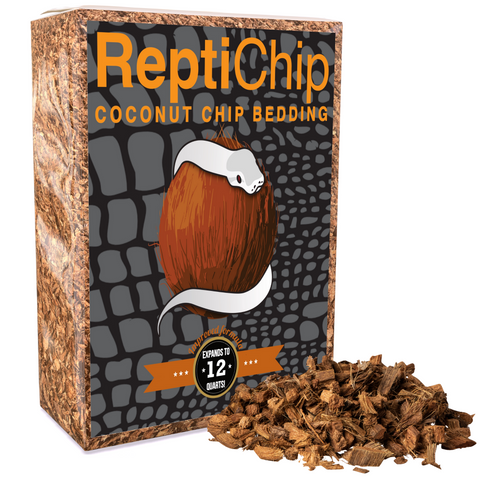
Recommended substrates for juvenile Mangrove Monitors: ReptiChip Coarse Coconut Chip Mix; Ready to Use and ReptiEarth Breeder Blocks and Bundles.

Recommended substrates for adult Mangrove Monitors: ReptiChip Breeder Blocks and Bundles and ReptiEarth Breeder Blocks and Bundles.

Recommended enclosures for Mangrove Monitors: Vivarium 48" Sliding Door Reptile Terrariums (4'x2').

Recommended lighting products for Mangrove Monitors: Arcadia 12% UVB D3 Desert Lighting.

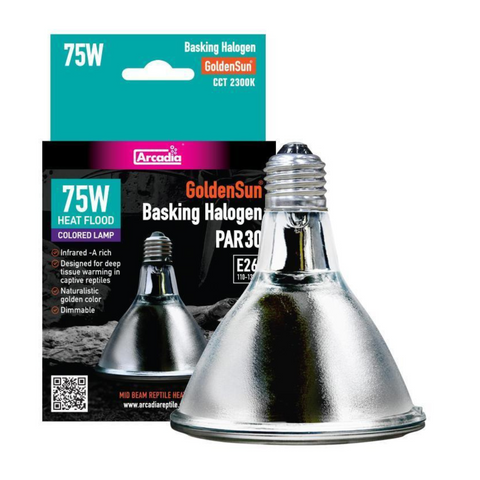
Recommended heating products for Mangrove Monitors by age. Juvenile: Arcadia GoldenSun Basking Halogen Heater and Vivarium Electronics Ceramic Dome Reflector. Adult: Arcadia GoldenSun Basking Halogen Heater.

Search