Natural History
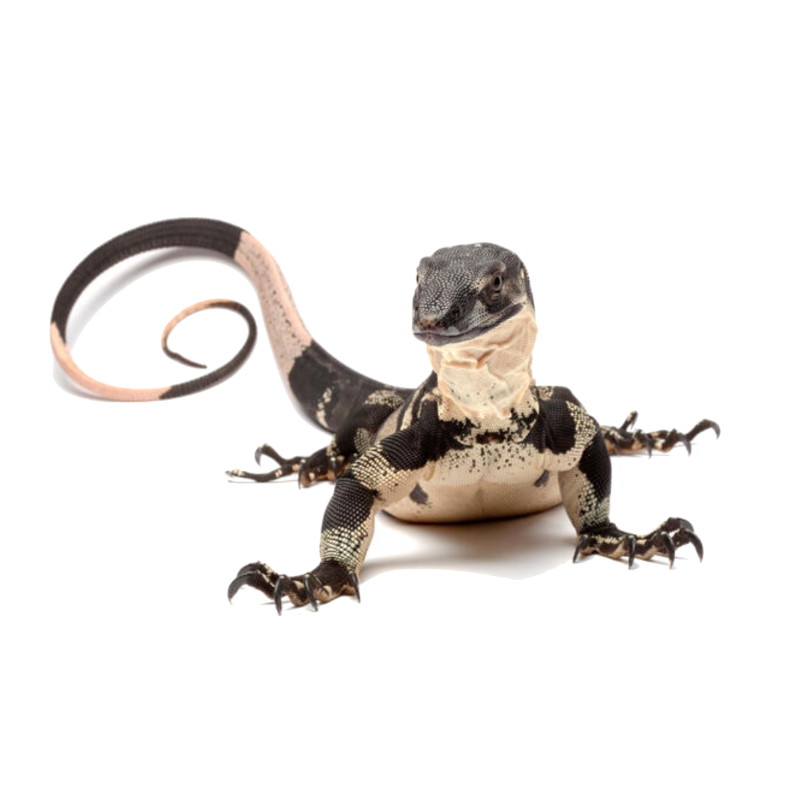
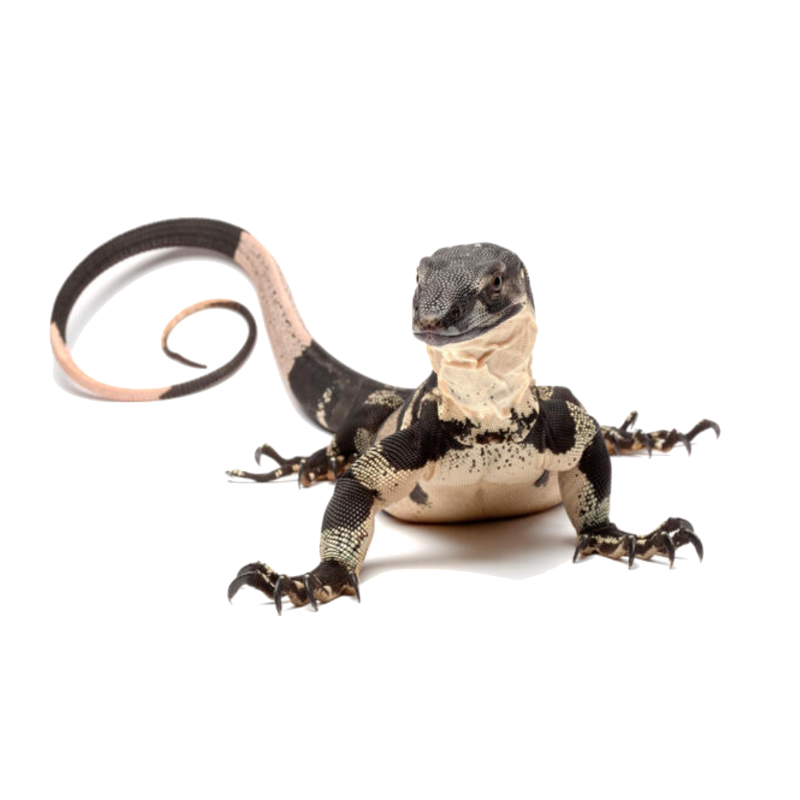
The lace monitor is a large, carnivorous lizard native to eastern Australia, where it inhabits a variety of environments ranging from coastal forests and sclerophyll woodlands to semi-arid scrublands. Adults typically measure between 4.5 and 6 feet from snout to tail tip and can weigh up to 30 pounds, though individuals in the wild average somewhat less. In the wild, lace monitors can live 10 to 15 years, but with proper care and controlled diets, individuals under human care have been known to reach 20 years or more.
Ecologically, lace monitors occupy a high trophic position as apex or near-apex predators in their natural habitats. Their diet is broad and includes insects, birds, small mammals, reptiles, eggs, and carrion. By consuming carrion, they help reduce disease transmission and clean up biological waste, functioning as natural scavengers. They also regulate populations of various pest species, including rodents and invasive bird species, making them critical in maintaining ecological balance. In turn, lace monitors themselves are preyed upon by large raptors, dingoes, and, occasionally, snakes, particularly when they are juveniles. One of their most notable environmental adaptations is their ability to thermoregulate effectively, moving between sun and shade to maintain optimal body temperature. Their strong limbs, sharp claws, and prehensile tails make them capable climbers, aiding in escape from predators and access to arboreal prey. Furthermore, their acute vision and olfactory senses serve them well both in detecting prey and evading larger threats. In these roles, lace monitors contribute significantly to the biodiversity and functionality of the ecosystems they inhabit.
Conservation Status
The lace monitor is currently classified as "Least Concern" on the IUCN Red List. This designation indicates that the species is relatively widespread, with stable population numbers and no immediate threat of a rapid decline across its natural range. Lace monitors are found throughout much of eastern and southeastern Australia, occupying a variety of forested and woodland habitats. Their adaptability to different environments, including urban fringe areas and semi-rural regions, has helped maintain healthy population levels in large portions of their range. However, being listed as “Least Concern” does not imply the species is free of threats, it simply means that, at a global scale, those threats have not yet caused significant population reduction.
Despite their overall population stability, lace monitors face several ongoing threats in the wild. One of the most pressing is habitat destruction due to land clearing for agriculture, urbanization, and industrial development. Since lace monitors rely on large, contiguous forested habitats for hunting, shelter, and nesting, habitat fragmentation leads to disrupted movement patterns and reduced genetic flow between populations. Another significant threat comes from the illegal pet trade, where juveniles are sometimes captured and sold, despite legal protections in many parts of their range. Additionally, lace monitors are often persecuted by humans who incorrectly consider them dangerous or pests, leading to intentional killings.
Perhaps most concerning is the potential impact of cane toads, an invasive species introduced to Australia. When lace monitors consume cane toads, they are exposed to the toad’s highly toxic skin secretions, which can rapidly lead to death. In some regions, a dramatic decline in lace monitor populations has been observed following the arrival of these toads. Climate change also poses indirect threats by altering habitat conditions and affecting the availability of prey species, though its long-term impacts on the lace monitor are still being studied.
In response to these threats, several conservation measures are in place to support the long-term survival of lace monitors in the wild. In Australia, lace monitors are protected under various state-level wildlife protection laws, which prohibit the unlicensed collection or killing of these animals. Wildlife reserves and national parks throughout their range offer some refuge by preserving critical habitat and restricting land development. In areas heavily impacted by cane toads, education programs promote awareness and alternative pest control methods, aiming to reduce unintentional harm to native predators like the lace monitor.
Breeding programs, while not a current conservation priority for this species due to its “Least Concern” status, do exist for educational and research purposes. These programs can serve as a genetic reservoir in case future threats escalate, and they help deepen scientific understanding of the species’ behavior, diet, and reproduction in controlled environments. In some instances, captive-bred lace monitors have supported rehabilitation or rewilding efforts, especially in locations where local populations have been severely reduced. Furthermore, scientific research into lace monitor ecological roles emphasizes their importance as apex predators and scavengers, contributing to the health of ecosystems by controlling pest populations and cleaning up carrion. Effective conservation of this species requires continued habitat protection, public education, and proactive mitigation of emerging threats such as invasive species and changing environmental conditions.
Native Range
The lace monitor is native to eastern and southeastern Australia, where it occupies a broad but ecologically specific range. It is predominantly found along the eastern seaboard from Cape York Peninsula in northern Queensland, south through New South Wales, and into Victoria. There are also isolated populations in parts of South Australia. Although the species has a relatively wide geographical distribution, it is particularly associated with certain types of forested environments and prefers habitats with specific structural features and climatic conditions.
In terms of macrohabitat, the lace monitor primarily inhabits open and closed forests, including dry sclerophyll forests, temperate eucalypt woodlands, and coastal rainforests. It is less commonly observed in grassy plains or arid regions. Its distribution closely follows regions of moderate to high forest density where tree cover, ground debris, and access to microclimates are available. Within these broader ecosystems, lace monitors exhibit strong preferences for specific microhabitats. They are often found in areas with substantial deadfall, hollow logs, and rock outcrops, which offer shelter and basking opportunities. They frequently use tree hollows or hollow logs on the ground for refuge and nesting, while also taking advantage of rocky crevices or spaces beneath large stones to hide from predators or regulate body temperature.
Climatically, the lace monitor is adapted to temperate to subtropical environments, depending on its latitude. In the northern parts of its range, temperatures are generally warmer year-round, while in southern regions, the species must contend with cooler winters. Average daytime temperatures across its range during active months typically fall between 75°F and 95°F. In winter, especially toward the southern end of its distribution, temperatures can drop below 50°F, and the species will often enter a period of reduced activity or brumation, sheltering in protected sites such as burrows or tree hollows. Rainfall varies widely across its distribution, from 20 to over 60 inches annually, with more humid conditions in coastal areas and drier conditions inland. The species is highly dependent on seasonal cues, especially for reproduction and feeding behaviors, with peak activity generally occurring in the warmer and wetter months of spring and summer.
In terms of elevation, the lace monitor occurs primarily in lowland to mid-elevation environments, generally from sea level up to around 3,000 feet. Sightings at higher elevations are uncommon, though the species may sometimes enter montane foothills during warmer seasons. Areas with ample sunlight penetration and abundant basking sites are preferred, especially in high-elevation locations where thermal regulation becomes more challenging.
For survival, lace monitors require access to several key environmental features. First, proximity to reliable water sources is important, as hydration is necessary for metabolic function, and water bodies often support higher densities of potential prey. Second, structural complexity in the environment, such as large mature trees, abundant fallen logs, and rugged terrain, provides essential foraging opportunities, refuge, and escape routes. Vegetation cover, including ground shrubs and leaf litter, supports the abundance of invertebrates and small vertebrates that make up a large portion of the species’ diet. In some areas, lace monitors show a strong association with eucalyptus forests that offer a vertical habitat structure combined with suitable nesting substrates.
Overall, the lace monitor thrives in environments that offer a blend of thermal opportunities, shelter, moisture availability, and a varied prey base. It is a semi-arboreal species that capitalizes on both terrestrial and arboreal resources, and its survival is closely tied to the ecological integrity of forested ecosystems in eastern Australia.
Behavior
The lace monitor is a highly intelligent and behaviorally complex reptile species native to eastern Australia. In its natural range, it occupies a variety of environments including dry sclerophyll forests, woodlands, coastal heaths, and occasionally urban fringes. Understanding its behavior in the wild provides critical insight for effective husbandry in managed care.
The lace monitor is primarily diurnal, meaning it is active during the day. Peak activity typically occurs during the warmer daylight hours, especially in spring and summer when temperatures are optimal for physiological functions. During the early mornings, these monitors can often be seen basking to raise their body temperatures. They may remain active into the early evening depending on ambient temperatures. Seasonal changes influence their behavior significantly. In the cooler months, particularly in the southern parts of their range, individuals may undergo a period of brumation, a state similar to hibernation, during which activity ceases or is drastically reduced. During the breeding season, which generally occurs in late spring and summer, they become more mobile and may engage in prolonged searches for mates, often traveling substantial distances and expanding their home range.
Socially, lace monitors are solitary and exhibit strong territorial behavior, especially adult males during the breeding season. While they do not form complex social structures, dominance hierarchies may be observed when multiple individuals come into contact at resource-rich locations such as carcasses or nesting sites. Males engage in ritualized combat during the breeding season, using powerful limbs to grapple with each other in upright, wrestling-like postures. These contests establish dominance but rarely result in serious injury. Once mating occurs, there is no parental care. Females lay eggs in termite mounds, where the stable temperature and humidity provide an ideal incubation environment. There is some evidence that females may return to open the mound when hatchlings are ready to emerge, but long-term care does not occur.
Lace monitors are highly responsive to environmental stimuli. Temperature plays a critical role in their behavior. They actively thermoregulate by moving between sun and shade, using basking sites such as rocks, logs, and tree limbs to maintain preferred body temperatures around 86°F to 95°F. In cooler weather, activity diminishes, and they may retreat to hollow logs, burrows, or rock crevices for refuge. They are sensitive to light cycles and humidity; for instance, high humidity aids shedding, while extended dry conditions may impede it, particularly during the shedding cycle.
These monitors use acute vision and a highly developed vomeronasal (Jacobson’s) organ to detect prey, predators, and other conspecifics. Constant tongue-flicking behavior is used to sample chemical cues from their environment. They are opportunistic carnivores and will pursue a variety of prey, including insects, small mammals, reptiles, birds, and carrion. They exhibit a slow, stealthy stalking approach followed by a rapid burst of speed to capture prey. If threatened, lace monitors may climb trees with remarkable agility or, if cornered, adopt a defensive posture that includes tail-lashing, hissing, and inflating their bodies to appear larger. Their strong claws and muscular tails are used for both defense and climbing.
One of the most distinctive behavioral characteristics of lace monitors is their complex locomotion and arboreal agility. Though they are powerful terrestrial walkers, they are equally adept climbers. Young individuals in particular spend more time in trees as a predator avoidance strategy. Adults are more terrestrial but will still climb readily. Another notable trait is their tolerance for scavenging. Lace monitors are one of the few reptiles that actively consume carrion and can often be found feeding on roadkill or refuse in urban environments.
Behavioral expression may differ due to environmental limitations in managed care. Lace monitors generally maintain a diurnal activity pattern, especially when exposed to appropriate UVB lighting and consistent day-night cycles. However, inactivity or abnormal lethargy may occur if the enclosure does not offer adequate thermal gradients, enrichment, or space for movement. Though solitary, stress may increase if multiple individuals are housed together, especially males, leading to aggression or dominance displays that can result in injury. Feeding behavior can become altered; due to scheduled feeding, some monitors may develop food anticipation responses, pathological food obsession, or dominance behavior if co-housed.
Lace monitors benefit significantly from environmental enrichment that stimulates natural behaviors. This includes opportunities to forage, climb, dig, and explore. Inadequate stimulation may lead to stereotypic behaviors such as pacing or clawing at enclosure walls. Defensive behaviors, such as tail-lashing or bluff-charging, may be more pronounced in underhandled or stressed individuals, particularly during enclosure maintenance or introduction of new stimuli. Conversely, well-acclimated lace monitors can become highly responsive to their keepers and may learn to anticipate routines, demonstrating a level of behavioral plasticity uncommon in many reptiles.
Husbandry Requirements
Enclosure Design
Lace monitors are large, semi-arboreal lizards native to eastern Australia, and housing must reflect their considerable size and active nature. Juvenile lace monitors up to around 2 feet long require a starter enclosure with minimum dimensions of 6 feet long by 3 feet wide and 4 feet tall. However, juveniles grow rapidly and outgrow this initial space within their first one to two years. Adult lace monitors, which can exceed 6 feet in total length, require a significantly larger and more complex enclosure. For an adult, the minimum recommended dimensions are 12 feet long by 6 feet wide and 6 feet tall, though larger is always better. Height is particularly important given their arboreal activity levels. Outdoor enclosures can be utilized in suitable climates and must include secure fencing, a lockable shelter, and escape-proof barriers.
Materials used must be durable and secure. Plywood framed enclosures with sealed, non-toxic waterproof coatings are suitable, especially when lined with rigid plastic or PVC for water resistance. For high humidity setups, avoid untreated wood to prevent mold and rot. Include numerous ventilation panels made of fine mesh or adjustable grilles to maintain airflow, but balance this with the need to retain heat and humidity. Door latches must include secure locking mechanisms. Lace monitors are strong, intelligent, and capable of testing weaknesses, so all entrance points should be reinforced.
Layouts should replicate key features from their native woodlands and open forest habitats. Provide thick, stable climbing branches secured at multiple angles, ideally four inches or more in diameter to support their weight. Include platforms or resting shelves at various heights to encourage exploratory behavior. A large, elevated basking area beneath a heat source should be positioned at one end of the enclosure. Ground-level hides are essential and should be secure, dark, and insulated. Artificial burrows or large cork rounds also work well. Lace monitors are known for their extensive roaming behavior, so open floor space must be kept unobstructed in areas for pacing and active movement. Ensure that all ventilation grates and access points are covered properly, as this species is adept at escaping any structural weaknesses.
Lighting and Heating
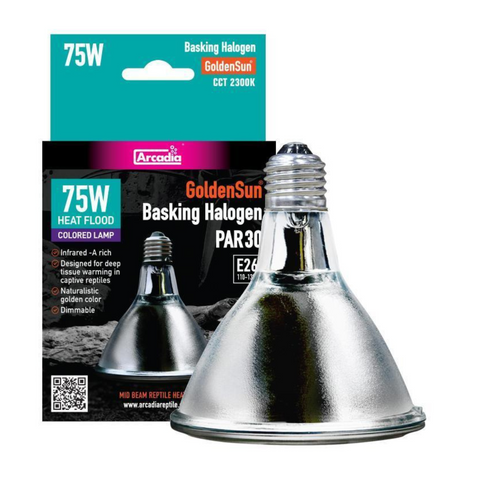
Proper heating and full-spectrum lighting are critical for the long-term health of lace monitors, which rely on external heat sources to regulate their body temperature and UVB exposure for metabolic functions. A temperature gradient should be established across the enclosure. The basking area should reach between 125°F and 135°F, which allows effective thermoregulation and digestion. The ambient daytime temperature in the cooler side of the enclosure should fall between 80°F and 90°F, while nighttime temperatures can safely drop to around 75°F. These ranges replicate the daily fluctuation lace monitors would experience in their natural range. All heating elements, whether ceramic heat emitters, radiant heat panels, or halogen floodlights, must be regulated by a reliable thermostat to prevent overheating.
Lace monitors require moderate UVB exposure to synthesize vitamin D3 and maintain healthy calcium metabolism. A high-output 10.0 UVB fluorescent tube (T5 high-output recommended) should span at least two-thirds of the enclosure’s length and be mounted 18 to 24 inches above an elevated basking platform for optimal exposure. Mesh, plastic, and glass block UVB rays, so lamps must be mounted within the enclosure interior or directly above mesh at appropriate distances. Provide shaded areas to give the animal the choice of UV exposure or retreat.
Maintain a 12-hour light-dark photoperiod during most of the year, which will align with their natural circadian rhythms. During the winter months, particularly if attempting seasonal cycling for breeding or behavioral realism, the photoperiod can be reduced to 10 hours of light per day over several weeks. Replicating seasonal changes can improve appetite regulation, activity levels, and natural hormone cycles. Replacement of UVB lighting is required every 10 to 12 months, even if the bulb still emits visible light, as UVB output degrades over time.
Substrate and Enrichment
Lace monitors thrive in enclosures with substrates that allow digging, burrowing, and moisture retention while remaining safe for ingestion. A deep, bioactive-style substrate mix replicates the forest floor environment. The ideal substrate depth is 12 inches or more to encourage natural burrowing behavior. A base layer of ReptiChip mulch combined with ReptiEarth and clean topsoil provides optimal texture, drainage, and odor control. This mix promotes beneficial microbial activity and helps maintain appropriate humidity. Spot-clean daily and stir or replace substrate as needed to prevent compaction and waste build-up. Avoid particulate substrates with sharp edges and never use reptile carpet, which fails to encourage species-specific behaviors and harbors bacteria.
Enrichment should focus on replicating cognitive and physical challenges found in the wild. Lace monitors are highly intelligent and benefit from a complex and ever-changing environment. Incorporating a variety of climbing structures including rough bark logs, tree branches, and secured driftwood encourages physical movement and territory exploration. At least two deep hides, a moist hide with damp sphagnum moss and a dry, insulated hide, are crucial for stress reduction. Offer temporary enrichments such as hollow logs, leaf piles, or frozen prey items to stimulate foraging and natural hunting strategies. Allowing supervised time outside of the enclosure (such as free-roaming in a secure indoor area) can also serve as valuable enrichment.
Regular rotation of decor and the introduction of novel scents or objects can encourage curiosity and prevent stereotypic behaviors. Consider puzzle feeders or scent trails using diluted prey juices, these encourage problem-solving, a hallmark of the lace monitor’s intelligence. Elevated basking platforms near UVB and heat sources will also serve as observation points and status perches, which are important for behavior regulation. Always ensure all enrichment elements are securely fastened and capable of bearing the animal’s weight.
Enrichment can come in many forms and is for the stimulation of your animal. The five types of enrichment you can offer are food related, sensory, physical habitat, cognitive, and social. These categories have a vast variety of options to choose from that are appropriate for the species being enriched.
Humidity and Hydration
Humidity plays a vital role in the health of lace monitors, especially regarding shedding cycles and respiratory function. The target ambient humidity for this species ranges between 60% to 70%. This can be maintained through a combination of methods, particularly with proper substrate, controlled ventilation, and regular misting. Deep-layered substrate such as ReptiChip mixed with ReptiEarth intrinsically holds humidity well, especially when moistened regularly. Daily misting with dechlorinated water in the evening can help raise humidity without causing saturation, which could promote mold or bacterial growth.
In drier environments or during particularly arid seasons, a fogger or cool-mist humidifier with a timer can provide sustained humidity boosts, particularly overnight. Placement near the cool side of the enclosure will help create a gradient in humidity levels, which enables the lizard to regulate within preferred ranges. Enclosure modifications such as partial glass or acrylic paneling can help retain humidity better than full mesh or screen-topped enclosures, which may require additional adjustments to avoid excess dryness.
Hydration is provided through both drinking and ambient moisture. A large, shallow water basin should be placed in the enclosure’s cooler zone and cleaned daily. Though lace monitors may not always be observed drinking from this source directly, it provides important humidity and must be large enough for the lizard to soak in, especially during shed cycles. Some individuals prefer drinking from droplets on enclosure surfaces after misting, so misting both the animal and enclosure furnishings may encourage hydration. Monitor water quality closely and avoid additives unless directed by a veterinarian.
Accurately tracking humidity is essential. Use high-quality digital hygrometers with probes placed at both the warm and cool ends of the enclosure. Analog humidity dials are frequently unreliable and should be avoided. By providing appropriate humidity and hydration strategies tailored to the needs of this species, keepers can prevent common health issues such as incomplete sheds, dehydration, and respiratory infections.
Diet & Supplementation
In the wild, the lace monitor is an opportunistic carnivore with a highly varied diet that reflects both its adaptability and ecological niche. It primarily consumes a wide range of animal prey, including small mammals such as rodents, ground-nesting birds and their eggs, reptiles, amphibians, and a large variety of invertebrates, particularly beetles and orthopterans like grasshoppers. This species is also known to feed on carrion when available, making it a facultative scavenger. The inclusion of carrion allows the lace monitor to exploit resources that other predators may ignore. Juveniles consume smaller prey such as insects, small lizards, and small frogs due to their limited gape size and lower physical strength. As they mature, their diet shifts to larger prey items, including rabbits, possums, and birds, reflecting increased metabolic demand and expanded hunting capabilities.
In terms of predation behavior, the lace monitor employs both ambush and active foraging strategies, depending on prey availability and environmental conditions. It often uses its powerful limbs and sharp claws to dig into logs, burrows, or leaf litter to unearth concealed prey. Sight and olfaction are critical to prey detection; the forked tongue is regularly flicked out to sample chemical cues in the environment, enabling accurate tracking using the vomeronasal (Jacobson's) organ. Visual acuity is also important, particularly for detecting movement. Unlike some other monitor species, lace monitors do not constrict their prey but rely on their strong jaws and recurved teeth to grasp, subdue, and swallow prey whole. Their digestive system is adapted to process both soft tissue and bones effectively, and their powerful stomach acids allow them to digest a wide range of organic material, including decayed meat.
Seasonal and age-related dietary changes are prominent in this species. Juveniles require frequent feedings, often multiple times per week, to support rapid growth and development, while adults may feed less frequently, especially during cooler months when metabolic activity declines. In temperate regions, feeding behavior can become sporadic or cease altogether during winter, when the animal may enter a state of torpor or reduced activity. Seasonal variations in prey availability also shape the diet; for instance, insect consumption may dominate in warmer months, whereas vertebrate prey and carrion may become more prominent in fall and early spring.
Lace monitors require a diet that approximates their wild feeding habits while maintaining balanced nutrition. A varied diet is essential to prevent nutritional imbalances. Suitable food items include appropriately sized rodents, day-old chicks, quail, whole eggs, insects such as roaches and large crickets, and occasionally fish or shell-on shrimp for variety. Supplementation with calcium is necessary, especially for juveniles and breeding females, to prevent metabolic bone disease. Vitamin supplementation, particularly with fat-soluble vitamins like A and D3, should be administered cautiously to avoid hypervitaminosis, especially in reptiles receiving exposure to artificial UVB lighting, which aids in internal vitamin D3 synthesis.
Feeding challenges often stem from overfeeding, lack of variety, or inappropriate prey size. Obesity is a common issue due to reduced activity levels in enclosure settings relative to wild conditions. This may be mitigated by adjusting feeding frequency, typically every two to three days for adults, and promoting exercise through environmental enrichment. Food refusal may occur due to stress, illness, or improper husbandry conditions, such as inadequate heating or humidity. Stimulating natural feeding behaviors can improve appetite and well-being. Strategies include offering food on tongs to simulate movement, hiding prey items to encourage foraging, or providing whole prey to facilitate natural jaw and digestive function engagement. Monitors often accept frozen-thawed prey, which should be offered at near body temperature to enhance feeding response. However, care must be taken to avoid monotonous diets, such as exclusive feeding of rodents, which may lead to vitamin E deficiency or lipid imbalance over time.
By understanding and accommodating the lace monitor’s complex dietary needs and feeding behaviors, keepers can support not only physical health but also promote mental stimulation and behavioral wellness. Proper diet management, reflective of seasonal and individual variation, is a cornerstone of long-term success in caring for this large and intelligent reptile species.
Reproduction
Lace monitors reach sexual maturity between four and five years of age, with males typically developing slightly earlier than females due to faster growth rates linked to dominant behaviors. Sexual dimorphism is present in this species; males are generally larger and more robust than females, often displaying broader heads and thicker necks, while females tend to have more slender bodies. Male lace monitors also tend to exhibit increased territorial behavior, particularly during the breeding season. Courtship rituals begin in the spring, with males actively seeking out receptive females and engaging in pre-mating behaviors such as tongue flicking, head bobbing, and circling. In some cases, competitive interactions between males may occur, leading to ritualized combat involving grappling and wrestling for access to a fertile female.
Successful breeding depends heavily on simulating the species’ natural seasonal cycles. Native to temperate and subtropical regions, lace monitors experience a defined seasonal reproductive cycle triggered by environmental cues. Replicating this cycle is essential. During the winter months, a brumation period can be introduced by gradually decreasing ambient daytime temperatures to between 68°F and 72°F and reducing nighttime lows to around 60°F. Lighting should be reduced to an 8-hour photoperiod. After six to eight weeks of this cooling period, temperatures should be gradually increased to 85°F to 90°F during the day, with basking spots reaching 110°F to 120°F, and a photoperiod extended to 12 to 14 hours to stimulate the onset of breeding behavior. Humidity should also be moderately increased, particularly in the weeks following brumation, to mimic natural spring rainfall which plays a role in stimulating reproductive readiness.
Lace monitors are oviparous, meaning they lay eggs rather than giving birth to live young. For successful copulation, both environmental tuning and appropriate social pairings are crucial. These monitors are generally solitary in the wild and only come together during the breeding season, so prolonged cohabitation can result in stress or aggression, particularly among unmated adults of similar size and sex. Breeding programs, it is best to introduce a compatible male and female into a neutral breeding enclosure following brumation. The enclosure should be spacious, ideally exceeding 8 feet in length and 4 feet in width, with vertical climbing structures and multiple visual barriers to reduce stress. If copulation is successful, the female will require a suitable nesting site to deposit her eggs. In nature, lace monitors often use termite mounds for nesting, but under human care, an artificial nesting box filled with moist, well-packed soil or a mixture of moist sand and ReptiEarth at least 18 inches deep is required. Placing a heat lamp near the nest site can help maintain an appropriate microclimate that encourages egg deposition.
Breeding lace monitors presents several potential challenges, the most common of which is incompatibility between pairs. Even when environmental conditions are optimal, some individuals may simply not accept one another. This often leads to displays of aggression or complete avoidance behaviors, which can prevent successful mating. One solution is rotation, introducing different potential mates over time while closely monitoring interactions. Stress is another major concern, frequently resulting from inadequate space, sudden environmental changes, or improper handling. Stress can cause breeding behavior to cease entirely or prevent ovulation. Maintaining consistent environmental parameters, enriching enclosures with naturalistic features, and minimizing handling during the breeding season can significantly improve outcomes. Improper temperature and humidity regulation is also a frequent cause of breeding failure; inconsistent photoperiods and insufficient basking temperatures can prevent physiological readiness. Using automated lighting and heating systems with timers and thermostats helps maintain the necessary environmental stability for reproductive success. With meticulous attention to environmental simulation and behavioral monitoring, breeding Lace Monitors can be both successful and sustainable, supporting long-term species management programs.
Incubation & Neonate Care
The lace monitor is an oviparous species, meaning it reproduces by laying eggs. Females typically reach sexual maturity around four to five years of age and will select nesting sites that provide both thermal stability and protection from predators. In the wild, lace monitors frequently utilize termite mounds or decayed tree hollows as nesting chambers due to their insulation properties and relatively stable temperature and humidity levels. Clutches generally consist of 6 to 12 eggs, though the number can vary depending on the size and health of the female.
Successful egg incubation requires replicating the conditions of these natural nesting sites. Eggs should be collected shortly after laying and placed into an artificial incubator using a suitable substrate such as a 1:1 ratio of vermiculite to water by weight, or a moisture-retentive medium like perlite, adjusted to maintain consistent humidity around 85% to 90%. The eggs must be incubated at a stable temperature range of 84℉ to 88℉. Incubation duration is typically between 180 and 210 days under optimal conditions. Monitoring is crucial, as significant temperature fluctuations or excessive moisture can lead to developmental anomalies, embryo death, or fungal growth. Lace monitors do not exhibit temperature-dependent sex determination; genetic chromosomal sex determination dictates the offspring’s sex, meaning incubation temperature does not influence gender ratios.
The hatching process begins with neonates using their egg tooth, a small temporary structure on the snout, to pip the leathery eggshell. They may take several hours or even days to fully emerge after initial pipping, during which time they absorb the remaining yolk sac. At this stage, it is critical to maintain high humidity levels in the incubation chamber to prevent desiccation. It is generally advised not to assist hatchlings unless absolutely necessary, as premature intervention can result in ruptured yolk sacs or other complications. In some cases, delayed hatching or failure to emerge successfully may indicate suboptimal incubation conditions or developmental issues. In extremely rare cases, females may retain eggs and develop egg binding (dystocia), especially if nesting conditions are inadequate. This is a medical emergency requiring immediate veterinary intervention.
Once hatched, neonates should be removed from the incubator and placed into a separate rearing enclosure to prevent stress and reduce the risk of predation or competition from adult monitors. The neonate-specific enclosure should be well-secured and escape-proof, as young lace monitors are agile, exploratory, and capable of climbing. Initial enclosure dimensions should be no smaller than 3 feet long by 2 feet wide by 2 feet tall, with secure vertical and horizontal space provided. A basking area of 110℉ to 115℉ should be available, with ambient enclosure temperatures ranging between 82℉ and 88℉ and a nighttime drop to no lower than 75℉. Humidity levels should be maintained between 60% and 70% to support proper shedding and hydration.
Neonatal monitors should be offered small, appropriately sized prey items within the first 7 to 10 days post-hatching, after their yolk sacs have been fully absorbed. Suitable starter foods include small insects like crickets, dubia roaches, and finely chopped pinky mice. Food items should be dusted with calcium and multivitamin supplements according to a schedule of three to four feedings per week. A shallow water dish must be provided at all times, large enough for soaking but shallow enough to prevent accidental drowning. Dehydration and metabolic bone disease are the most common health concerns in neonates and must be proactively prevented through proper husbandry. Regular monitoring of feeding behavior, defecation, and shed quality will provide indicators of health and proper growth.
Handling of neonates should be minimal during the first few weeks, limited to necessary enclosure maintenance and health inspections, as overstimulation can lead to stress or defensive behavior. Over time, gentle and consistent positive interaction can help develop tameness, but it must always be done with consideration for the animal's comfort and stress thresholds. Neonates can be kept individually or in same-size sibling groups, provided that food competition is managed and aggressive behavior is absent. Careful observation is essential during early development to ensure robust growth, minimize stress, and establish a strong foundation for long-term health.
Conclusion
In conclusion, maintaining lace monitors demands a deep understanding of their complex biological, behavioral, and environmental needs. This large, highly intelligent reptile species displays adaptability across diverse habitats in the wild, yet replicating their native conditions requires precise attention to space, climate control, and environmental enrichment. Their rapid growth, particularly during early development, necessitates large, secure enclosures that accommodate both terrestrial and arboreal behaviors, while also allowing for thermoregulation and exploratory movement. Optimal health depends on consistent bioactive substrates, well-managed humidity, full-spectrum lighting, and basking temperatures that mirror their native conditions in eastern Australia.
Conservation-wise, the lace monitor remains relatively secure in the wild, but emerging threats such as habitat fragmentation, invasive species, and climate change highlight the importance of continued ecological monitoring. Lace monitors serve not only as remarkable specimens for private keepers and institutions but also as key ambassadors for educational outreach and research. When kept under scientifically informed conditions, they can live long, behaviorally rich lives, contributing to a greater understanding and appreciation of Australia’s unique reptilian fauna. Through comprehensive and responsible husbandry, keepers play a vital role in ensuring both the health of individual animals and the broader stewardship of the species.