Natural History
The Indian star tortoise is a terrestrial reptile native to dry and semi-arid scrub forests, grasslands, and thorny shrublands across India, Sri Lanka, and parts of Pakistan. It is named for the striking star-like radiating patterns on its high-domed carapace, which help it blend into its natural environment by disrupting its outline with dappled light and shadow patterns. Indian star tortoises are known for their longevity, often surpassing 35 years in the wild and potentially reaching over 50 years under human care when provided with structured care.
The Indian star tortoise exhibits behavior primarily centered on survival in a harsh and often unpredictable environment. It is diurnal, being most active during the cooler parts of the day, early mornings and late afternoons, while avoiding the midday heat by seeking shade or burrowing slightly into the substrate. Their activity level also varies with seasonal changes, decreasing markedly during the dry season when food and moisture are scarce. In the wild, they forage for a variety of low-growing vegetation, including grasses, flowers, fruits, and fallen leaves. Opportunistically, they may consume fungi and even carrion, though they are strictly herbivorous under most natural conditions.
Ecologically, the Indian star tortoise plays an important role in sustaining balance in its arid and semi-arid ecosystems. As a grazer, it helps control vegetation growth and contributes to seed dispersal through its droppings, supporting plant regeneration. In turn, it serves as prey for various predators, especially during its early life stages. Burrowing mammals, birds of prey, and feral dogs can pose threats to juveniles and eggs. These natural checks on population growth ensure that the species does not outgrow its ecological niche.
One of the Indian star tortoise’s most remarkable adaptations is its domed, radiating-patterned shell, which not only serves as protection but also as camouflage in dry, leaf-littered environments. The shell’s structure assists in thermoregulation as well, helping to reduce surface area exposed to direct sunlight. Additionally, its physiology is adept at water conservation, a crucial trait in habitats where rainfall is sporadic and seasonal. This species may also aestivate during particularly dry periods, lowering metabolic activity in response to extreme heat and drought.
Understanding the Indian star tortoise’s life cycle, natural behaviors, and ecological pressures provides valuable insight into both their care in a managed setting and their broader significance in their native habitat. Successful husbandry depends heavily on replicating these environmental and ecological factors as closely as possible.
Conservation Status
The Indian star tortoise is currently classified as “Vulnerable” on the IUCN Red List of Threatened Species. This designation indicates that the species is facing a high risk of extinction in the wild due to ongoing population decline, restricted range, and continued exposure to threats across much of its native habitat in India, Pakistan, and Sri Lanka. A "Vulnerable" status reflects that the species has experienced or is projected to experience a population decline of 30% or more over a period of three generations. This reflects in the population status of “Decreasing”. The last assessment for this species was taken in 2018. The Indian star tortoise has a broad geographic range, but its population is fragmented and unevenly distributed due to habitat degradation and other anthropogenic pressures. While it remains locally abundant in certain protected areas, the overall trend is a reduction in both population size and habitat quality, warranting considerable concern about its long-term stability in the wild.
The primary threats to the Indian star tortoise are largely driven by human activities. Habitat destruction is a widespread and persistent issue. Grassland conversion for agriculture, urban development, and infrastructure expansion has significantly reduced the natural environments this species relies on, such as dry deciduous forests, scrublands, and semi-arid grasslands. Additionally, intentional setting of fires to clear land can destroy critical microhabitats and nesting sites. A major threat compounding habitat loss is illegal wildlife trade. The Indian star tortoise is highly sought after in the international pet market due to its unique radiating shell pattern. Despite legal prohibitions, thousands are poached annually and smuggled across borders, often under inhumane conditions that lead to high mortality rates during transit. Moreover, some traditional beliefs ascribe spiritual or medicinal significance to the tortoise, leading to further demand and exploitation.
Climate change also poses emerging risks, with alterations in monsoon patterns and increased temperature extremes impacting both the availability of food sources and the timing of reproductive cycles. Changes in temperature and humidity can disrupt nesting behavior and egg incubation, leading to skewed sex ratios or decreased hatchling survival. Predation of eggs and juveniles by invasive species, such as feral dogs and pigs, exacerbates the pressures faced by wild populations. While adult tortoises have few natural predators, the vulnerability of hatchlings limits natural population recovery.
Significant conservation efforts are underway at national and international levels to protect the Indian star tortoise. Legal protections exist under national wildlife laws in India and Sri Lanka, making capture and trade illegal. The species is also listed on Appendix I of the Convention on International Trade in Endangered Species (CITES), which bans international commercial trade of wild-caught individuals. Enforcement of these laws remains a challenge, however, due to persistent demand and weak monitoring at borders and local markets.
In response, numerous in-situ conservation initiatives have been implemented. Wildlife reserves and national parks, particularly in southern India, offer some of the last remaining safe habitats. These protected areas not only preserve habitat but also serve as enforcement zones where anti-poaching activities are prioritized. Habitat restoration projects aim to rehabilitate degraded ecosystems by controlling invasive plant species, managing fire regimes, and replanting native vegetation. Environmental education and community-based conservation programs have grown in importance, as involving local populations in conservation planning promotes long-term success through cohabitation and stewardship.
Breeding programs for the Indian star tortoise have shown promising potential, especially through accredited zoological institutions and regulated breeding facilities. These programs aim to maintain genetic diversity and support eventual reintroduction efforts, although successful reintroductions remain rare and heavily regulated due to the risk of releasing animals with non-native pathogens or genetic inconsistencies. Nonetheless, captive breeding contributes to public education and helps reduce pressure on wild populations by providing an alternative to smuggled individuals in the pet trade.
Understanding these conservation dynamics is essential for responsible keepers, as the demand for Indian star tortoises has direct implications for their survival in the wild. Supporting ethical sourcing, promoting captive-bred individuals, and staying informed about conservation challenges all contribute to the species’ future stability in its natural environment.
Native Range
The Indian star tortoise is native to the Indian subcontinent, with a distribution that is relatively broad but patchy. It is primarily found in dry and semi-arid regions of India, particularly in the central and southern states such as Andhra Pradesh, Tamil Nadu, Karnataka, Gujarat, Rajasthan, and parts of Odisha and Madhya Pradesh. Its range also extends beyond India into eastern Pakistan and parts of Sri Lanka, though populations outside of India tend to be more isolated. These tortoises are most frequently recorded in areas with seasonal climates that create a pronounced difference between wet and dry periods, which heavily influences their behavioral cycles. Though reasonably wide-ranging, the species does not inhabit the entire expanse of its potential distribution, being absent from extreme desert zones and heavily forested tropical areas.
At the macrohabitat level, the Indian star tortoise prefers dry deciduous forests, scrublands, open grasslands, and thorny shrub-dominated habitats. These are ecosystems characterized by moderate vegetation cover, which allows for filtered sunlight and varied access to shade. The tortoise avoids dense moist forests and instead thrives in more open habitats with scattered trees and bushes. Within these broad landscapes, it selects microhabitats that offer cover and security, often sheltering under low shrubs, within grass clumps, or under fallen logs. During the hottest parts of the day and the driest seasons, it seeks out shaded depressions in the soil or leaf litter to avoid desiccation. Microhabitat selection is critical for thermoregulation, predator avoidance, and maintaining hydration.
Climatically, the Indian star tortoise is adapted to environments with high ambient temperatures and marked seasonal variability. Daytime temperatures in its natural range often exceed 95°F during the summer months, with cooler nighttime temperatures ranging from 70°F to 80°F. In the winter, daytime highs may range from 75°F to 85°F, depending on the exact region, with nocturnal temperatures occasionally dropping below 60°F. Relative humidity varies considerably across its range and by season, from approximately 30% to 50% during the dry season to well over 80% in the monsoon months. Precipitation patterns are monsoonal, with most rainfall occurring between June and September, which influences the tortoise’s feeding and breeding cycles. Activity levels are notably reduced during times of extreme dryness or excessive wetness, with individuals entering brief periods of aestivation or reduced movement.
In terms of elevation, the Indian star tortoise primarily inhabits lowland and mid-elevation habitats up to around 2,500 feet above sea level. It is rarely found at higher elevations, as its physiological tolerances are best matched to warm, low-altitude conditions. In these regions, the presence of mixed scrub vegetation, loose and well-drained soils, and access to ephemeral water sources is essential. While not a species that typically depends on permanent water bodies, seasonal rain puddles and moist ground following rains are crucial for hydration. Terrain features like sandy or loamy substrates are preferred for burrowing behaviors and nesting. Vegetative cover such as Acacia, Prosopis, and various herbaceous plants provides concealment and foraging material. The tortoise's survival is also closely tied to regions with minimal human disturbance and intact ground-layer vegetation, as habitat degradation poses a serious threat across much of its natural range.
Behavior
The Indian star tortoise displays a predominantly diurnal, meaning it is most active during daylight hours. In its natural habitat, which includes dry scrub forests and semi-arid grasslands across India and Sri Lanka, activity is closely tied to ambient temperatures and seasonal monsoon patterns. During the cooler mornings, it emerges to forage and bask, retreating to shaded shelters or burrows as midday temperatures peak. In the wild, seasonal variations heavily influence behavior. During the dry season, activity becomes sporadic, and the species often enters periods of reduced movement or partial aestivation to conserve moisture. In contrast, during the monsoon and pre-monsoon seasons, activity increases significantly, including feeding and mating behaviors coinciding with higher humidity and vegetation growth. While true hibernation is not observed, individuals in northern parts of the range may exhibit brumation-like behavior during colder months, especially when nighttime temperatures fall below 55°F.
Socially, the Indian star tortoise is a solitary species, showing minimal social interaction outside of mating. It is non-territorial but may exhibit mild aggression during feeding or when confined in close quarters with conspecifics, especially males. Male tortoises sometimes engage in mounting behaviors not strictly limited to mating and may attempt to establish temporary dominance through nudging or ramming, though these interactions are often brief. Courtship is not elaborate, typically consisting of the male trailing the female and attempting copulation. No parental care is provided post-oviposition; females deposit their eggs in shallow nests and leave them to incubate naturally.
This tortoise responds to environmental stimuli through a combination of chemosensory and visual cues. It detects food primarily through olfaction, favoring brightly colored and aromatic vegetation. Movement is slow and deliberate, and it generally displays a passive response to potential predators or human presence. When threatened, it withdraws completely into its shell, which offers exceptional protection due to its high-domed, highly rigid structure. In some instances, especially when startled suddenly, it may emit a hissing sound caused by rapid retraction of the head and limbs into the shell. The species is highly sensitive to changes in humidity and temperature; prolonged exposure to low humidity can result in reduced feeding behavior and lethargy, while extreme heat may cause overheating unless access to shade or burrow-like shelter is available.
One of the most distinctive behavioral traits of the Indian star tortoise is its unique strategy for camouflage. The radiating star-like pattern on its carapace serves as a form of disruptive coloration, breaking up the outline of its shell against dappled ground shadows. This adaptation is particularly effective in its natural scrub and dry grassland environment. The species is also remarkably adept at thermoregulation. It uses microhabitats and body posturing to regulate temperature, such as spreading limbs to increase surface area contact with cool surfaces, or orienting its body to reduce sun exposure. Locomotion is slow and deliberate, but it can navigate rocky and uneven substrates with surprising efficiency.
Behavioral differences often emerge due to limitations in space, environmental uniformity, and social structuring. Under human care Indian star tortoises may become more habituated to human presence, sometimes approaching keepers when associating them with food, which is not observed in the wild. Overcrowding frequently results in increased aggression, particularly among males. Unlike their wild counterparts, individuals may forgo resting cycles when exposed to inconsistent photoperiods or artificial heating, leading to stress or metabolic disruptions. Without proper environmental enrichment, such as opportunities for digging, foraging, or varying light and temperature gradients, these tortoises can become sedentary or show repetitive behaviors like pacing. Furthermore, the lack of seasonal cues, such as changes in humidity and rain, may suppress natural breeding behaviors.
Overall, maintaining behavioral health requires close imitation of the natural environmental conditions that shape the Indian star tortoise’s behavioral patterns in the wild. Structured environmental variation, solitary or carefully monitored housing, and enrichment that mimics natural substrates, hiding spots, and seasonal cues are critical to supporting their behavioral and physiological well-being.
Husbandry Requirements
Enclosure Design
For Indian star tortoises, enclosure design must prioritize terrestrial space, thermal regulation, and security. Juvenile Indian Stars can be housed in indoor enclosures that measure no less than 3 feet long by 2 feet wide. However, rapid growth necessitates eventual transfer to a larger setup. Adult tortoises require an enclosure measuring at least 8 feet long by 4 feet wide when housed indoors, although larger is always better. Outdoor enclosures are ideal in appropriate climates and should measure at least 10 feet by 6 feet for a single adult, with increased space for multiple individuals.
Enclosures can be constructed from sealed wood with PVC liner interiors, high-density plastic, or thermoplastic materials like HDPE or ABS, which are easy to clean, moisture-resistant, and durable. Glass aquariums are not suitable due to ventilation and thermal inefficiency. Proper ventilation is vital to prevent mold and respiratory issues while also avoiding drafts. Lids or covers should be well-fitted and secured, especially for outdoor setups where predators can be a concern. Sides of outdoor pens should be at least 12 inches high and buried 6 to12 inches into the ground to prevent burrowing escapes. All enclosures must have a secure locking mechanism and should be escape-proof, as Indian Stars are surprisingly persistent explorers.
Indian star tortoises do not climb, but will explore elevation changes in terrain. Slight elevation gradients built from packed substrate mimic natural ground undulation and stimulate movement. Multiple shelters should be provided, including humid hides and dry hides, with at least one located on the cooler side and one on the warmer side of the enclosure. Artificial plants and low-profile logs or slate slabs can be used for enrichment and basking, but taller climbing structures are not necessary. If housed outdoors, protection from rain, predators, and temperature fluctuations must be provided via insulated tortoise houses or cold frames with radiant heat panels where appropriate.
Lighting and Heating
Proper lighting and thermal gradients are essential for the Indian star tortoise's digestion, immunity, and bone development. A high-quality UVB lighting system is necessary, targeting a UV Index of 2.0 to 3.5 within the basking zone. A 10% to 12% UVB linear fluorescent tube is recommended, mounted 12 to 16 inches above the basking area, with mesh screening taken into account to reduce UVB output by 30% to 50%. Bulbs should be replaced every 10 to 12 months, or according to the manufacturer’s guidelines, and UVB output should be verified with a UV Index meter to ensure appropriate levels.
Temperature gradients in the enclosure should range from 75°F to 85°F in ambient daytime zones, with a basking area maintained between 95°F to 100°F. Nighttime temperatures can drop safely to 70°F to 75°F but should not fall below 65°F for extended periods. All heating elements, such as ceramic heat emitters, radiant heat panels, or halogen flood bulbs, must be regulated by a reliable thermostat to ensure temperature stability and avoid burns or overheating. Under no circumstances should heat rocks be used, as they pose a serious risk of localized burns due to uneven and excessive surface temperatures.
Indian star tortoises benefit from a consistent 12-hour light/dark photoperiod, which can be adjusted slightly to reflect seasonal shifts, 13 to 14 hours of daylight in summer and 10 to 11 hours in winter. These changes can stimulate natural circadian and seasonal behaviors. In cooler months, supplemental night heat may be necessary in draft-prone areas or if ambient temperatures drop significantly. Always use digital thermometers with probes for verifying both basking and ambient temperatures in multiple zones of the enclosure.
Substrate and Enrichment
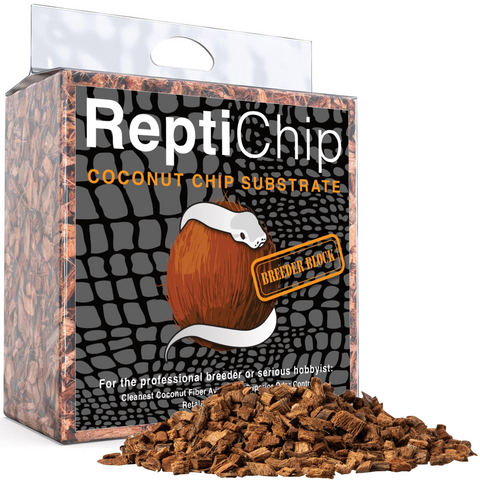
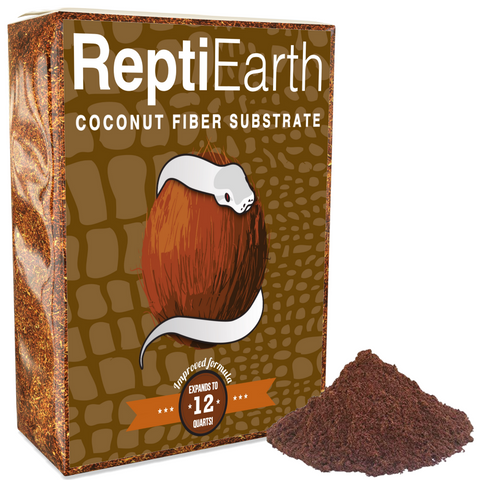
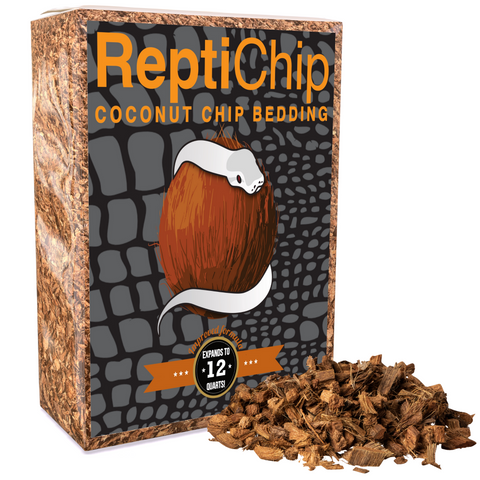
Substrate choice must reflect the Indian star tortoise’s native semi-arid habitat, while also sustaining appropriate humidity levels for healthy skin and normal shedding without encouraging shell rot. For optimal results, a loose substrate blend is recommended, such as a mix of ReptiChip Fine with ReptiEarth in a 2:1 ratio. This combination allows for some moisture retention in the lower layers while keeping surface conditions relatively dry, which is especially ideal for maintaining shell condition and minimizing respiratory health risks. Substrates should be at least 3 inches deep to allow for limited burrowing and thermoregulation.
Avoid substrates that pose impaction hazards, such as fine sand, or those that are difficult to keep clean, such as soil or artificially dyed bark chips. Never use reptile carpet, as it harbors bacteria, is difficult to sanitize, and offers no enrichment value.
Indian star tortoises are not particularly active diggers but do benefit from environmental complexity. Smooth stones, hardwood logs, low wooden ramps, and naturalistic terrain contours promote roaming and help wear down claws naturally. Shaded “walls” created with artificial plants or cork bark encourage hiding and reduce stress. At least two hides should always be accessible, one slightly humid hide packed with damp sphagnum moss or ReptiEarth beneath cover on the warm end, and one dry hide on the cool side of the enclosure. Fresh enrichment items can include overturned flower pots for shelters, natural leaf litter, and edible plants placed in varying locations to encourage foraging behavior.
Humidity and Hydration
While Indian star tortoises originate from dry and seasonally arid regions, they still require controlled humidity, particularly during the growth phases. A relative humidity of 60% to 70% is ideal for juveniles to prevent pyramiding and support healthy shell formation without over-saturating the environment. Adults tolerate slightly lower humidity but still benefit from levels maintained around 50% to 60%, especially during seasonal dry periods.
To maintain proper humidity, daily light misting of the substrate in one portion of the enclosure, as well as the use of a damp sphagnum moss hide, will help create a microclimate without raising enclosure-wide humidity excessively. Foggers can be used sparingly if needed, but should be paired with a timer and only activated during early morning or evening hours to simulate natural dew formation. Substrate blends involving ReptiChip Fine and ReptiEarth aid in maintaining these levels through their ability to retain underlying moisture without creating a soggy surface. Enclosure walls may be partially covered with plastic sheets or reflective film to prevent moisture loss in particularly dry environments.
Hydration should be provided through a shallow water dish large enough for the tortoise to step into and soak, but shallow enough to prevent drowning, ideally no more than 1 inch deep for juveniles and 1.5–2 inches for adults. This dish should be refreshed daily and scrubbed regularly to avoid bacterial contamination. Indian star tortoises may also drink directly after misting sessions, so directed fine mist sprays across the enclosure may stimulate drinking. Juveniles, and sometimes adults during dry conditions, benefit from weekly soaks in lukewarm water (between 85°F to 90°F) for 15 to 20 minutes to encourage full hydration and urate clearance.
A hygrometer with digital readouts and probe sensors should be placed both at substrate level and mid-level in the enclosure to monitor humidity accuracy. Analog gauges are typically unreliable and should be avoided in favor of high-accuracy digital instruments.
Diet & Supplementation
In the wild, the Indian star tortoise is primarily herbivorous, with its diet consisting largely of a wide variety of fibrous grasses, fallen fruits, succulent plants, and leafy vegetation. Native to the dry deciduous forests, scrublands, and grasslands of India and parts of Sri Lanka, this species typically forages on plant matter that is low in protein and high in fiber. Their natural diet includes grasses like Cynodonspecies, flowering plants, cactus pads, and seasonal fruits such as figs or berries that may fall to the ground. They will also opportunistically consume flowers, fallen leaves, and in rare cases, excrement or carrion, though these are not a primary part of their diet and are likely incidental rather than actively sought food sources.
This tortoise species employs grazing as its primary feeding strategy, actively foraging throughout the day, especially in the morning and late afternoon hours when temperatures are more moderate. The Indian star tortoise has a strong sense of smell and relies on chemical cues to detect food rather than visual or thermal tracking. With a beak-shaped mouth adapted for tearing fibrous vegetation, they are well-suited for processing tough, dry plant material. Unlike some reptiles that rely on active predation strategies, this species is a slow, methodical forager equipped for a low-energy, high-fiber lifestyle.
Seasonal variation significantly influences the Indian star tortoise’s feeding habits in the wild. During the wet season, there is an abundance of succulent vegetation and fruits, leading to greater dietary diversity and a possible increase in food intake. In contrast, during the dry season, the diet becomes more restricted to dried grasses and other hardy, drought-tolerant plants with lower water content. Age also plays a role in dietary patterns. Juvenile tortoises require a slightly higher protein and calcium intake to support their rapid growth, though this must still be derived from plant-based sources to align with their digestive physiology. Adult tortoises, by comparison, require less frequent feeding and a diet lower in protein to prevent kidney and liver distress.
Replicating the natural diet of Indian star tortoises presents specific challenges but is crucial for long-term health and well-being. Diets should be composed primarily of high-fiber, low-protein, and calcium-rich ingredients. Appropriate dietary staples include Bermuda grass, orchard grass, timothy hay, and edible weeds such as plantain and dandelions. Dark leafy greens like collard greens, mustard greens, and turnip greens may be offered in moderation. Succulents such as prickly pear cactus pads (spines removed) can provide a source of moisture and fiber. It is important to avoid fruits or high-sugar produce, which can disrupt gut flora and lead to digestive issues in this species.
Because tortoises under human care may not receive adequate exposure to natural sunlight, calcium supplementation is essential, ideally in conjunction with a high-quality UVB lighting system to support proper vitamin D3 synthesis and calcium metabolism. Avoid feeding excessive protein (e.g., legumes, animal matter, or processed foods), as this can lead to shell deformities, kidney disease, and rapid, unhealthy growth. A proper calcium-to-phosphorus ratio should be maintained, with calcium offered through diverse sources such as cuttlebone, calcium carbonate powder, or natural limestone.
Feeding issues commonly observed include food refusal, particularly in newly acquired individuals or during cold months, obesity resulting from overfeeding or highly caloric diets, and metabolic bone disease due to poor calcium intake or inadequate UVB exposure. Encouraging natural feeding behaviors involves providing food scattered around the enclosure to promote foraging, rotating plant offerings to mimic dietary variety, and maintaining a schedule that aligns with their natural activity patterns, such as feeding in the early morning or late afternoon. Environmental enrichment, including the inclusion of different textures and plant scents, can help engage a tortoise’s foraging instincts and reduce captive stress.
By understanding and closely replicating the Indian star tortoise’s wild diet and feeding behaviors, keepers can promote healthy growth, prevent nutrition-related diseases, and enhance overall longevity. Proper diet implementation, combined with environmental and physiological considerations, is fundamental to the successful husbandry of this species.
Reproduction
Indian star tortoises reach sexual maturity at different ages depending on sex, with males typically maturing around 6 to 8 years of age and females reaching reproductive capability closer to 8 to 12 years. Sexual dimorphism is evident in this species; males possess a longer, thicker tail and a more concave plastron, while females are generally larger with a flatter plastron and shorter tail. During courtship, males often exhibit deliberate behavior leading up to copulation. This includes trailing the female closely, head bobbing, and light nipping at the female’s hind limbs or shell. In some cases, audible vocalizations may be observed during the mating process. It is critical to ensure that both individuals are of compatible size, as an excessively large male may injure a smaller female during mounting attempts. Pair bonding is not characteristic of this species; instead, they may display dominant or aggressive tendencies if not properly introduced.
Environmental cues play an important role in prompting reproductive behavior. Simulating natural seasonal fluctuations is key to successful breeding. Indian star tortoises breed most reliably when keepers mimic the dry and wet seasons typical of their natural habitat. A period of reduced humidity (30% to 40%) and slightly reduced ambient temperature (with daytime highs around 80°F to 85°F and nighttime lows dropping to near 65°F) should last for several weeks to simulate the dry season. This should then be followed by increasing both humidity (up to 70% to 80%) and photoperiod (12 to 14 hours of light per day), along with an increase in ambient temperatures to the range of 85°F to 90°F during the day and no lower than 70°F at night. Rain-chamber simulations or heavy misting during this transition often encourage breeding activity in sexually mature animals.
Indian star tortoises are oviparous, meaning females lay eggs rather than giving live birth. Successful breeding depends not only on the seasonal changes and proper pairing but also on providing essential environmental and spatial requirements. While this species is largely solitary, short-term housed male-female introductions in a neutral enclosure or within the female's habitat are more productive than long-term cohabitation, which may cause chronic stress. During introduction, supervision is advised in case of aggressive behavior, particularly if the female rejects the male’s advances. Copulation typically occurs after successful courtship, with the male mounting the female and aligning his tail underneath hers for cloacal contact. A secure and stress-free environment is essential during this time, as even minor disruptions can interrupt or prevent mating.
In terms of enclosure needs, a breeding setup requires ample space: at least 8 feet by 6 feet for a pair, with secure boundaries to prevent escape and separate visual barriers to reduce stress. Multiple visual hides and naturalistic features help create a more supportive environment. Females, once gravid, require access to appropriate nesting sites. These sites should have substrate composed of well-moistened topsoil or a sand-soil mix (with at least 12 inches depth), maintained at roughly 75°F to 85°F with high ambient humidity, to encourage oviposition. Without this nesting area, gravid females may retain eggs, leading to health complications.
Breeding Indian star tortoises presents various challenges. One of the most common issues is mate incompatibility. Even with ideal environmental parameters, some pairs display no mating interest. This may be due to individual temperament, environmental stress, or hormonal factors. Introducing multiple potential mates and rotating compatible individuals can help overcome this challenge. Another common obstacle is stress due to enclosure size, improper lighting, or lack of seasonal cues. Small enclosures can cause territorial disputes or withdrawal behavior, both of which interfere with reproductive success. To mitigate, ensure that animals are housed in enclosures that allow for adequate space, visual barriers, basking sites, and microclimates. Additionally, avoid constant human presence or unnecessary handling, especially during breeding introductions and courtship phases.
Proper environmental management, careful mate selection, and consideration for the natural behavioral tendencies of Indian star tortoises are fundamental to successful captive reproduction. With patience and precise husbandry, keepers can overcome the challenges commonly associated with breeding this species.
Incubation & Neonate Care
Following successful copulation, the female may lay multiple clutches per year, with each clutch typically containing 2 to 10 eggs, though 3 to 6 is most common. Females will often search for a suitable nesting site, which includes areas with soft, sandy soil that allow for easy digging and effective moisture retention. Once a site is selected, the tortoise uses her hind limbs to excavate a flask-shaped nest cavity that extends approximately 3 to 5 inches deep. After laying, the female carefully covers the eggs and will not exhibit any further parental care.
Incubation of Indian star tortoise eggs is a critical process that requires stable environmental conditions to ensure viable embryo development. Optimal incubation temperatures range from 84°F to 89°F. Maintaining temperatures within this range is vital, as the species demonstrates temperature-dependent sex determination (TSD). Generally, higher incubation temperatures, especially those around 88°F to 89°F, tend to produce predominantly female hatchlings, whereas lower temperatures around 84°F promote the development of males. Prolonged fluctuations or extremes outside this range can lead to developmental anomalies or embryo mortality.
Humidity is equally important and should be maintained between 70% and 80% to prevent desiccation of the eggs, which are soft-shelled and highly permeable. Vermiculite and perlite, mixed in a 1:1 ratio by weight with water, are both commonly used as incubation substrates due to their excellent moisture retention and aeration capabilities. Eggs should be incubated in a secure, opaque container buried halfway in the substrate to allow for proper gas exchange and moisture access. Incubation duration typically spans between 90 and 140 days, depending on ambient conditions, with warmer and more stable environments promoting faster development.
Hatching begins with the neonate using its specialized egg tooth, called a caruncle, to slice open the eggshell. This process can take several hours to a few days. Once pipped, it is important not to assist the hatchling unless medically necessary, as premature interference can put the neonate at risk of injury or infection. Hatchlings often remain partially inside the egg for a day or more while they absorb the remaining yolk sac. During this time, the environment must remain warm and moderately humid to promote healing and prevent desiccation. Risks during this period include yolk sac infections, often caused by unsanitary substrate, and incubation-related deformities due to improper temperature control.
Once fully emerged, neonates should be housed separately from adult tortoises to prevent accidental injury and reduce stress. A suitable enclosure should provide a secure, escape-proof environment with a surface area of at least 2 feet by 1.5 feet per hatchling during the first few months. The enclosure should include a warm basking area kept at 90°F to 95°F with a cooler end around 75°F to 80°F, allowing the young tortoise to thermoregulate effectively. Ambient nighttime temperatures should not drop below 70°F. Humidity should be maintained between 65% and 75% to support proper shell development and prevent early dehydration.
Substrates for neonates should be clean, slightly moist but not wet, and non-abrasive. ReptiEarth is recommended, as it permits burrowing behavior while minimizing the risk of impaction. UVB lighting is essential for calcium metabolism and healthy bone and shell growth. A 12-hour day/night cycle using a high-quality UVB bulb is critical, along with appropriate supplementation of calcium and Vitamin D3.
Initial feeding should begin within the first week after yolk sac absorption, typically around day 5 to 7 post-hatching. Offer finely chopped, calcium-dusted greens such as dandelion, hibiscus leaves, and collard greens. Avoid fruits and high-protein foods, as Indian star tortoises are obligate herbivores with a low-protein dietary requirement. Neonates should be soaked in shallow, lukewarm water for 15 to 20 minutes daily to encourage hydration and urination, which helps prevent kidney-related issues, a common concern in dehydrated hatchlings.
Handling of neonates should be minimal to reduce stress and prevent inadvertent damage to their still-delicate shells and internal systems. Observation for common health concerns such as pyramiding, respiratory infections, or failure to thrive is essential, especially during the first six months of life. With proper care and environmental conditions, neonatal Indian star tortoises can grow into healthy juveniles with characteristic domed, radiating-pattern shells and consistent growth rates.
Conclusion
The successful care and long-term health of the Indian star tortoise hinges on a deep understanding of the species' natural history, ecological adaptations, and specific husbandry needs. This tortoise has evolved in environments marked by seasonal rainfall patterns, high ambient temperatures, and limited water availability. As a result, it has developed specialized behaviors and physiological traits, such as water conservation, thermoregulation, and cryptic shell patterning, that must be mirrored in a captive setting to ensure its welfare.
Indian star tortoises also demand careful ethical consideration. Wild populations are declining due to habitat loss, illegal collection, and a growing demand in the exotic pet trade. Captive keepers have a direct impact on conservation outcomes by prioritizing captive-bred individuals, rejecting illegally sourced animals, and supporting accredited breeding programs. For those keepers with the necessary space, resources, and long-term commitment, maintaining this species not only offers a rewarding experience but also contributes to the broader goals of conservation and species preservation.
Ultimately, keeping Indian star tortoises requires more than technical knowledge, it requires a commitment to animal welfare, ecological responsibility, and informed, deliberate care. With proper husbandry grounded in the principles of herpetological science, keepers can support the long-term health of their tortoises while respecting and aligning with conservation goals vital to the species’ survival in the wild.