Free Shipping to the Lower 48!

Free Shipping to the lower 48!

id="mega-catalog" name="no-js-main-navigation">

This section doesn’t currently include any content. Add content to this section using the sidebar.

Image caption appears here

Add your deal, information or promotional text

Testudo hermanni

Hermann's Tortoise

Best su...
Order

What Makes ReptiChip The BestHermann’s Tortoise Bedding

Filter by age:

Best Substrates for Subadult Hermann’s Tortoises

Best Enclosures for Subadult Hermann’s Tortoises

Best Lighting Products for Subadult Hermann’s Tortoises

Best Heating Products for Subadult Hermann’s Tortoises

Best Substrates for Juvenile Hermann’s Tortoises

Best Enclosures for Juvenile Hermann’s Tortoises

Best Lighting Products for Juvenile Hermann’s Tortoises

Best Heating Products for Juvenile Hermann’s Tortoises

Hermann's Tortoises (Testudo hermanni) are small yet robust tortoises native to the Mediterranean region. They are easily recognizable by their distinct yellow and black patterned shells, which serve as excellent camouflage in their natural habitat. One unique feature of the species is the spur at the end of the tail, which distinguishes them from other tortoises. This species has two main subspecies: the Western Hermann's tortoise (T. h. hermanni) and the Eastern Hermann's tortoise (T. h. boettgeri). While the western subspecies tends to be smaller, reaching around 7 inches, the eastern subspecies can grow up to 11 inches. Their natural habitats include open woodlands, scrublands, and rocky hillsides where they forage for a variety of plants, making them primarily herbivores.

Hermann's Tortoises are primarily herbivorous, their diet consisting mostly of leafy greens, flowers, and some fruits, which they forage from their natural surroundings. This diet is crucial as it provides the necessary nutrients and fiber for their digestive systems. In captivity, their diet needs to closely mimic their natural food sources to prevent health issues such as shell deformities and nutritional deficiencies. Hermann's Tortoises exhibit brumation, a form of hibernation during the colder months, which is vital for their metabolic health and breeding cycles. Before entering brumation, they will often eat less and spend more time burrowing into the ground to prepare for this period of dormancy. These tortoises are also known for their strong homing instinct, often traveling long distances to return to their preferred habitats or nesting sites. Their need for a varied landscape with opportunities for both basking in the sun and ample shade makes them active landscape engineers, influencing their environment significantly.

Why ReptiChip?

A yello...
INNOVATIVE PRODUCTS
MADE IN THE USA
ALL NATURAL
FREE SHIPPING
EXPERT SUPPORT
VETERAN OWNED

ReptiChip is made by hermann’s tortoise lovers, for hermann’s tortoise lovers. It’s what the pros use, and it’s what you can use, too.

Our product line includes BabiChip, RediChip, TropicalBase, MicroChip, and ReptiEarth, so you can be sure to find the perfect hermann’s tortoise bedding for your pet.

Ready to switch to the ultimate hermann’s tortoise bedding? Check out ReptiChip today.

Common Hermann’s Tortoise ReptiChip Questions

The scientific name of the Hermann’s Tortoise is Testudo hermanni.


Northern coast of the Mediterranean Sea into Western Europe Romania Greece Southern Spain Italian Peninsula.

Adult Hermann’s Tortoises typically reach about 7-11 inches.

Hermann’s Tortoises live about 50-70+ years with proper care.

Recommended temperatures for a Hermann’s Tortoise: 70-75°F cool side, 80-85°F warm side, and 90-95°F basking spot.

Hermann’s Tortoises need 40-60% humidity.

Yes. Recommended lighting for Hermann’s Tortoises: UVA/UVB required.

Recommended enclosure sizes for a Hermann’s Tortoise: Baby: 36”x18”x18” (<6 months +); Young: 48”x24”x24” (minimum); Sub-Adult/Adult (Pair): 72”x24”x24” (minimum).

Hermann’s Tortoises eat: Herbivorous; Greens; Grasses; Fungi; Fruits & Flowers; Succulents.

Hermann’s Tortoises are not usually recommended for beginners; they are rated Intermediate for keeper experience. Diet, Humidity, and Supplementation must be perfect.

Hermann’s Tortoises are diurnal (active during the day).

Common Hermann’s Tortoise behavior traits: Can be standoffish when new; Docile generally; Warm up easily with consistent handling; Can be kept in groups.

Yes. Hermann’s Tortoises are oviparous, meaning they lay eggs.

A Hermann’s Tortoise clutch is typically about 5-10 eggs.

Hermann’s Tortoise eggs typically incubate for about 60-90 days before hatching.

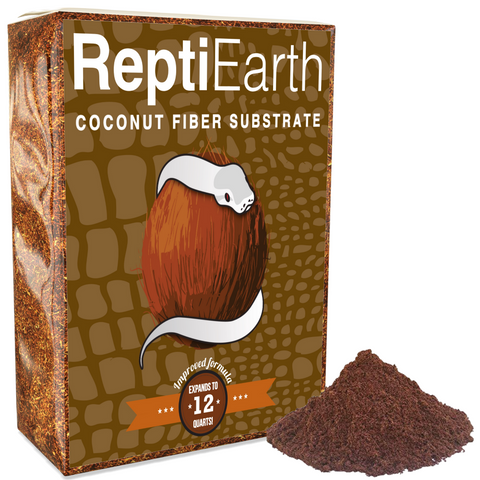
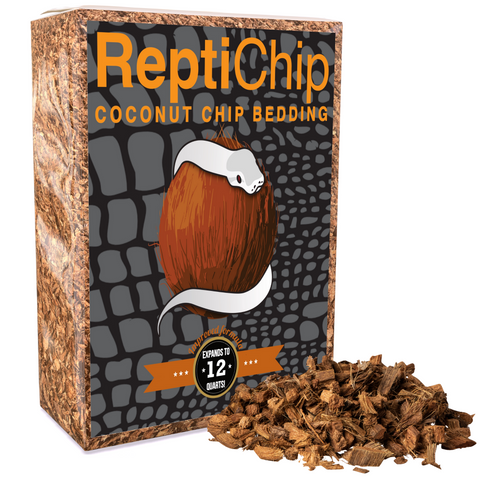
Recommended substrates for juvenile Hermann’s Tortoises: ReptiChip Coarse Coconut Chip Mix; Ready to Use and ReptiEarth Fine Coconut Fiber Mix; Ready to Use.

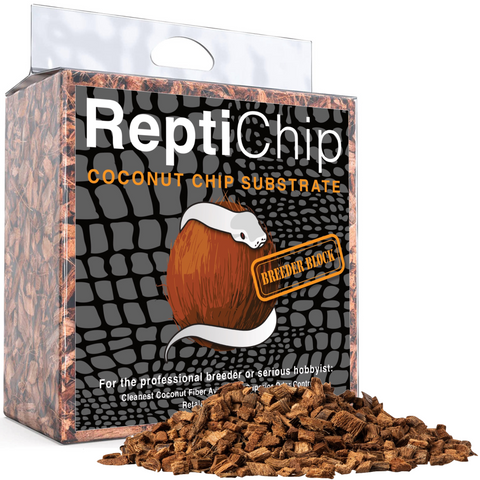
Recommended substrates for sub-adult Hermann’s Tortoises: ReptiChip Breeder Blocks and Bundles and ReptiEarth Fine Coconut Fiber Mix; Ready to Use.

Recommended substrates for adult Hermann’s Tortoises: ReptiChip Breeder Blocks and Bundles and ReptiEarth Breeder Blocks and Bundles.

Recommended enclosures for Hermann’s Tortoises by age. Juvenile: Vivarium 36" Sliding Door Reptile Terrariums. Sub-adult: Vivarium 48" Sliding Door Reptile Terrariums (4'x2').

Recommended lighting products for Hermann’s Tortoises: Arcadia 12% UVB D3 Desert Lighting.

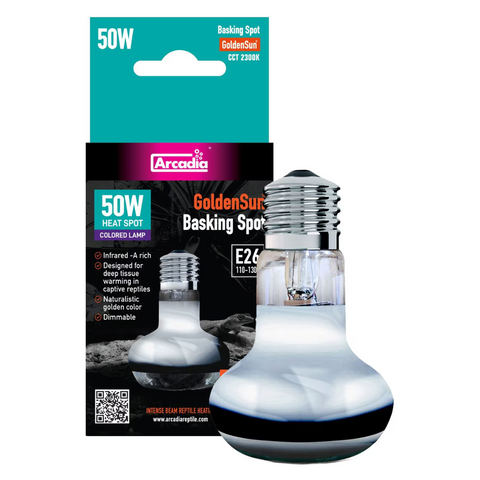
Recommended heating products for Hermann’s Tortoises by age. Juvenile: Arcadia GoldenSun Basking Spot Heater and Vivarium Electronics Ceramic Dome Reflector. Sub-adult: Arcadia GoldenSun Basking Spot Heater and Vivarium Electronics Ceramic Dome Reflector. Adult: Vivarium Electronics Radiant Heat Panels and Vivarium Electronics Thermostats.

Search