Free Shipping to the Lower 48!

Free Shipping to the lower 48!

id="mega-catalog" name="no-js-main-navigation">

This section doesn’t currently include any content. Add content to this section using the sidebar.

Image caption appears here

Add your deal, information or promotional text

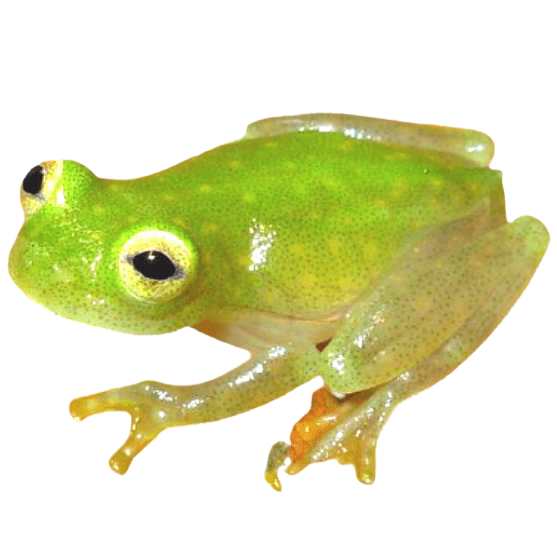
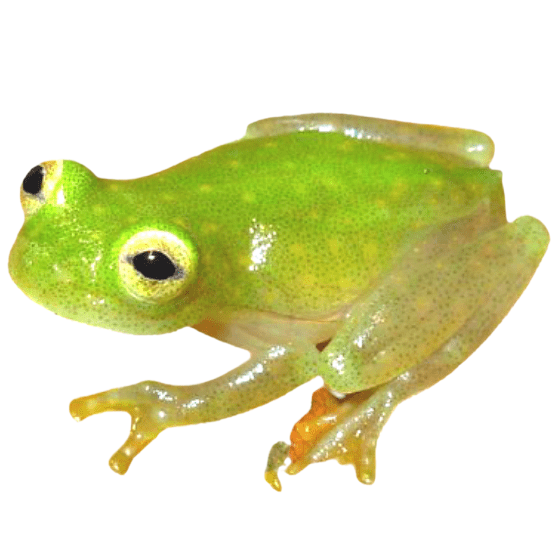
Hyalinobatrachium fleischmanni

Fleischmann's Glass Frog

Best su...
Order

What Makes ReptiChip The BestGlass Frog Bedding

Filter by age:

Best Bundles for Adult Glass Frogs

Best Substrates for Adult Glass Frogs

Best Enclosures for Adult Glass Frogs

Best Lighting Products for Adult Glass Frogs

Best Bundles for Subadult Glass Frogs

Best Substrates for Subadult Glass Frogs

Best Enclosures for Subadult Glass Frogs

Best Lighting Products for Subadult Glass Frogs

Glass Frogs (Hyalinobatrachium fleischmanni) are fascinating amphibians known for their unique physical characteristics and intriguing behaviors. One remarkable feature of these frogs is their translucent skin, which sets them apart from other frog species. This semi-transparent skin allows observers to see their internal organs, including the heart, liver, and digestive tract, through their abdomen. This adaptation not only aids in camouflage within the lush greenery of their rainforest habitat but also serves a functional purpose in thermoregulation. By allowing sunlight to penetrate their bodies more effectively, Glass Frogs can warm up quickly, enhancing their activity levels during the day.

Another fascinating aspect of Glass Frogs is their distinctive reproductive strategy. During the breeding season, males stake out territories along streams or rivers and produce melodious calls to attract females. Once a female selects a mate, she lays her eggs on the undersides of leaves that overhang water. The translucent eggs are carefully guarded by the male, who ensures they remain hydrated by periodically moistening them with water from his cloaca. After about two weeks, the eggs hatch, and the tadpoles drop into the water below, where they undergo metamorphosis into froglets. This parental care behavior exhibited by male Glass Frogs is relatively uncommon among amphibians and underscores their complex social interactions and adaptation to their rainforest environment.

Why ReptiChip?

A yello...
INNOVATIVE PRODUCTS
MADE IN THE USA
ALL NATURAL
FREE SHIPPING
EXPERT SUPPORT
VETERAN OWNED

ReptiChip is made by glass frog lovers, for glass frog lovers. It’s what the pros use, and it’s what you can use, too.

Our product line includes BabiChip, RediChip, TropicalBase, MicroChip, and ReptiEarth, so you can be sure to find the perfect glass frog bedding for your pet.

Ready to switch to the ultimate glass frog bedding? Check out ReptiChip today.

Common Glass Frog ReptiChip Questions

The scientific name of the Glass Frog is Hyalinobatrachium fleischmanni.


The Glass Frog is also known as Fleischmann’s glass frog and Northern glass frog.

Glass Frogs are native to Southern Mexico, Central & South America, Panama, Colombia, Ecuador, Venezuela, and Peru.

Adult Glass Frogs typically reach about 1.5-2.5 inches.

Glass Frogs live about 5-10 years with proper care.

Recommended temperatures for a Glass Frog: 70-75°F cool side and 80-82°F warm side.

Glass Frogs need 70-90% humidity.

UVB lighting is recommended because it benefits Glass Frogs. Lighting spec: UVA/UVB benefits animal.

Recommended enclosure sizes for a Glass Frog: Baby-Young: 18”x18”x24” (<1 year+); Adult: 18”x18”x36” (single adult or pair), 36”x18”x36” (trio/group), 48”x24”x24”(larger breeding group/lots of space). Always base adult size enclosure off of adult size. Frogs should have at least 10 gallons of space per frog. Larger enclosures encourage animals to exhibit natural behaviors.

Glass Frogs eat: Insectivores.

Glass Frogs are not usually recommended for beginners; they are rated Intermediate for keeper experience.

Glass Frogs are nocturnal (active at night).

Common Glass Frog behavior traits: Look, don’t handle pet; Once settled into environment they are fairly active; Require live bugs; Lay eggs on plants & their leaves; Male Glass Frogs exhibit strong parental care behaviors; Can be kept in pairs or in groups; Calls are typically soft and melodious; Male frogs are extremely territorial and should only be kept with other females; Recommended to wash hands & wear gloves when handling these amphibians to protect their skin.

Yes. Glass Frogs are oviparous, meaning they lay eggs.

A Glass Frog clutch is typically about 20-30 eggs.

Recommended substrates for juvenile Glass Frogs: TropicalBase Terrarium Mix; Bioactive Ready to Use.

Recommended substrates for sub-adult Glass Frogs: TropicalBase Terrarium Mix; Bioactive Ready to Use.

Recommended substrates for adult Glass Frogs: TropicalBase Terrarium Mix; Bioactive Ready to Use and ReptiEarth Fine Coconut Fiber Mix; Ready to Use.

Recommended enclosures for Glass Frogs by age. Juvenile: HabiStat 12" Glass Terrariums. Sub-adult: HabiStat 18" Glass Terrariums. Adult: HabiStat 24" Glass Terrariums.

Recommended lighting products for Glass Frogs: Arcadia 7% UVB D3 ShadeDweller Lighting, 12".

Yes. Recommended habitat bundles for Glass Frogs by age. Sub-adult: Subadult Fleischmann's Glass Frog Bundle. Adult: Adult Fleischmann's Glass Frog Bundle.

Search