Free Shipping to the Lower 48!

Free Shipping to the lower 48!

id="mega-catalog" name="no-js-main-navigation">

This section doesn’t currently include any content. Add content to this section using the sidebar.

Image caption appears here

Add your deal, information or promotional text

Scolopendra galapagoensis

Galapagos Centipede

Best su...
Order

What Makes ReptiChip The BestGalapagos Centipede Bedding

Filter by age:

Best Substrates for Adult Galapagos Centipedes

Best Enclosures for Adult Galapagos Centipedes

Best Substrates for Subadult Galapagos Centipedes

Best Enclosures for Subadult Galapagos Centipedes

The Galapagos Centipede (Scolopendra galapagoensis) is a remarkable species endemic to the Galapagos Islands, known for several intriguing characteristics. First, these centipedes can grow relatively large, with individuals reaching lengths of up to 15 centimeters (6 inches). They are equipped with powerful venomous claws, or forcipules, located near their mouthparts, which they use to immobilize and subdue their prey. Despite their formidable appearance and venomous capabilities, their bites are generally not fatal to humans but can cause pain and discomfort, making them respected predators in their island habitats.

Secondly, Scolopendra galapagoensis displays unique adaptations to the specific microclimates of the Galapagos Islands. Found in various habitats ranging from coastal areas to higher elevations with more vegetation, these centipedes are nocturnal hunters, actively foraging for small insects and invertebrates during the night. During the day, they seek refuge in burrows, crevices, and under leaf litter to avoid predators and regulate their body temperature. Their presence in diverse microhabitats underscores their ecological role as predators that help maintain balance within the island ecosystems. Studying Scolopendra galapagoensis provides valuable insights into the adaptations of species endemic to isolated island environments, highlighting their resilience and evolutionary strategies in response to unique ecological challenges.

Why ReptiChip?

A yello...
INNOVATIVE PRODUCTS
MADE IN THE USA
ALL NATURAL
FREE SHIPPING
EXPERT SUPPORT
VETERAN OWNED

ReptiChip is made by galapagos centipede lovers, for galapagos centipede lovers. It’s what the pros use, and it’s what you can use, too.

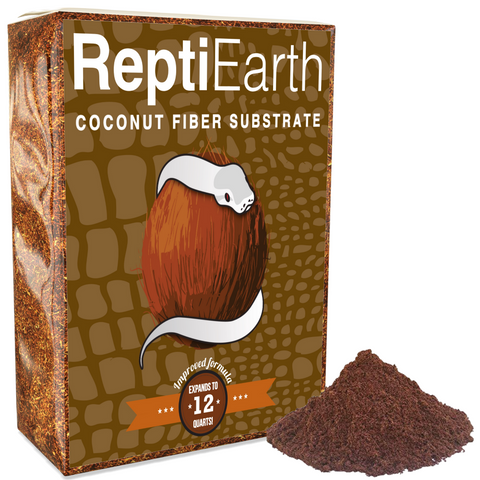
Our product line includes BabiChip, RediChip, TropicalBase, MicroChip, and ReptiEarth, so you can be sure to find the perfect galapagos centipede bedding for your pet.

Ready to switch to the ultimate galapagos centipede bedding? Check out ReptiChip today.

Common Galapagos Centipede ReptiChip Questions

The scientific name of the Galapagos Centipede is Scolopendra galapagoensis.


The Galapagos Centipede is also known as Darwin’s goliath centipede.

Galapagos Centipedes are native to Galapagos Islands.

Adult Galapagos Centipedes typically reach 4-6 inches.

Galapagos Centipedes live about 5-10 years with proper care.

Recommended temperatures for a Galapagos Centipede: 70-75°F cool side, 80-85°F warm side, and No basking spot.

Galapagos Centipedes need 70-80% humidity.

UVB lighting is recommended because it benefits Galapagos Centipedes. Lighting spec: UVA/UVB benefits animal.

Recommended enclosure sizes for a Galapagos Centipede: Adult: 12”x12”x12” (minimum). Always base adult size enclosure off of adult size and activity level.

Galapagos Centipedes eat: Carnivores; Insects; Invertebrates.

Galapagos Centipedes are not usually recommended for beginners; they are rated Advanced for keeper experience.

Galapagos Centipedes are nocturnal (active at night).

Common Galapagos Centipede behavior traits: New World; Quick moving; Venomous; Burrowing; Build elaborate tunnel systems; Solitary; Can be defensive: rear up, display their forcipules; May bite if provoked, injecting venom that can cause pain and discomfort; High humidity requirements; Always provide water dish; As they age (& grow) they’re less sporadic in their movements.

Yes. Galapagos Centipedes are oviparous, meaning they lay eggs.

A Galapagos Centipede clutch is typically 50-100 eggs.

Recommended substrates for juvenile Galapagos Centipedes: ReptiEarth Fine Coconut Fiber Mix; Ready to Use.

Recommended substrates for sub-adult Galapagos Centipedes: ReptiEarth Fine Coconut Fiber Mix; Ready to Use.

Recommended substrates for adult Galapagos Centipedes: ReptiEarth Fine Coconut Fiber Mix; Ready to Use.

Recommended enclosures for Galapagos Centipedes by age. Sub-adult: HabiStat 18" Glass Terrariums. Adult: HabiStat 24" Glass Terrariums.

Search