Free Shipping to the Lower 48!

Free Shipping to the lower 48!

id="mega-catalog" name="no-js-main-navigation">

This section doesn’t currently include any content. Add content to this section using the sidebar.

Image caption appears here

Add your deal, information or promotional text

Varanus salvadorii

Crocodile Monitor

Best su...
Order

What Makes ReptiChip The BestCrocodile Monitor Bedding

Best Bundles for Juvenile Crocodile Monitors

Best Substrates for Juvenile Crocodile Monitors

Best Enclosures for Juvenile Crocodile Monitors

Best Lighting Products for Juvenile Crocodile Monitors

Best Heating Products for Juvenile Crocodile Monitors

Crocodile Monitors (Varanus salvadorii) are among the largest and most impressive members of the monitor lizard family. Endemic to the island of New Guinea, these monitors are renowned for their remarkable length, with some individuals exceeding 8 feet (2.4 meters) from snout to tail, making them one of the longest lizard species in the world. They possess a distinctive, elongated snout and an incredibly long tail that can account for up to two-thirds of their total body length. This tail is not only a formidable weapon but also aids in balance and maneuverability as they navigate their arboreal habitats. Their sharp claws and strong limbs make them adept climbers, often found high in the forest canopy where they hunt birds, small mammals, and other reptiles.

Crocodile Monitors exhibit a fascinating array of behaviors that highlight their intelligence and adaptability. They are known for their keen vision and acute sense of smell, which they use to track prey and navigate their environment. Unlike many other monitor species, Crocodile Monitors are excellent swimmers, using their muscular bodies and strong tails to propel themselves through water. This ability to swim adds to their versatility as predators, allowing them to exploit a variety of ecological niches. In captivity, these monitors require large, well-ventilated enclosures that mimic their natural rainforest habitat, complete with climbing structures and water features to accommodate their semi-aquatic tendencies. Their complex care requirements and potential for aggressive behavior make them a species best suited for experienced reptile keepers.

Why ReptiChip?

A yello...
INNOVATIVE PRODUCTS
MADE IN THE USA
ALL NATURAL
FREE SHIPPING
EXPERT SUPPORT
VETERAN OWNED

ReptiChip is made by crocodile monitor lovers, for crocodile monitor lovers. It’s what the pros use, and it’s what you can use, too.

Our product line includes BabiChip, RediChip, TropicalBase, MicroChip, and ReptiEarth, so you can be sure to find the perfect crocodile monitor bedding for your pet.

Ready to switch to the ultimate crocodile monitor bedding? Check out ReptiChip today.

Common Crocodile Monitor ReptiChip Questions

The scientific name of the Crocodile Monitor is Varanus salvadorii.


The Crocodile Monitor is also known as Papuan Monitor and Salvadori’s Monitor.

Crocodile Monitors are native to Papua New Guinea, Indonesian part of island, and West Papua.

Adult Crocodile Monitors typically reach about 8-10ft (tail is extremely long).

Crocodile Monitors live about 15-20+ years with proper care.

Recommended temperatures for a Crocodile Monitor: 70-80°F cool side, 80-90°F warm side, and 110-120°F basking spot.

Crocodile Monitors need 70-90% humidity.

Yes. Recommended lighting for Crocodile Monitors: UVA/UVB required.

Recommended enclosure sizes for a Crocodile Monitor: Baby-Young: 36”x18”x18” (<6 months- 1 year), Sub Adult, 48”x24”x48” (minimium); Adult: 144”x96”x96” (<8ft minimum). Walk in adult enclosures are best. Recommended with adult enclosure to always go larger these are minimum requirements. Larger enclosures encourage animals to exhibit natural behaviors. Large water source needed (strong swimmers).

Crocodile Monitors eat: Carnivorous.

Crocodile Monitors are not usually recommended for beginners; they are rated Advanced for keeper experience. Venomous bite. Not suitable for anyone under 18 yrs. These Lizards get LARGE and require a LARGE water source.

Crocodile Monitors are diurnal (active during the day).

Common Crocodile Monitor behavior traits: Food motivated; Hand feeding helps bond; Very curious; Can be skittish/defensive when young; Calm down with consistent and confident handling over time; High metabolism; Arboreal; Prehensile tail; Strong swimmers.

Yes. Crocodile Monitors are oviparous, meaning they lay eggs.

A Crocodile Monitor clutch is typically about 6-12 eggs.

Crocodile Monitor eggs typically incubate for about 150-240 days before hatching.

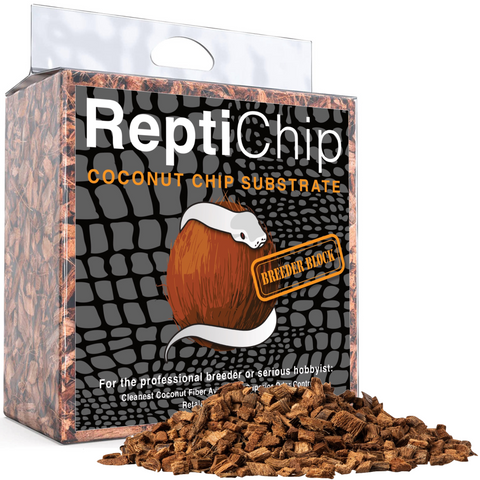
Recommended substrates for juvenile Crocodile Monitors: ReptiChip Breeder Blocks and Bundles, ReptiEarth Fine Coconut Fiber Mix; Ready to Use, and ReptiEarth Breeder Blocks and Bundles.

Recommended substrates for sub-adult Crocodile Monitors: ReptiChip Breeder Blocks and Bundles and ReptiEarth Breeder Blocks and Bundles.

Recommended substrates for adult Crocodile Monitors: ReptiChip Breeder Blocks and Bundles and ReptiEarth Breeder Blocks and Bundles.

Recommended enclosures for Crocodile Monitors: Bio Series Waterscape Vivarium, 36" Sliding Door Enclosure.

Recommended lighting products for Crocodile Monitors: Arcadia 12% UVB D3 Desert Lighting.

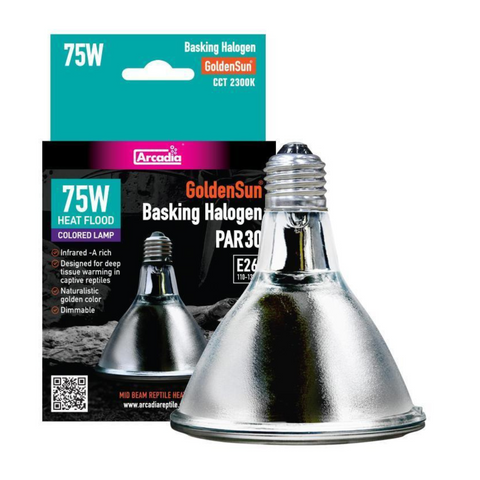
Recommended heating products for Crocodile Monitors by age. Juvenile: Arcadia GoldenSun Basking Halogen Heater and Vivarium Electronics Ceramic Dome Reflector. Sub-adult: Arcadia GoldenSun Basking Spot Heater and Vivarium Electronics Ceramic Dome Reflector. Adult: Arcadia GoldenSun Basking Halogen Heater.

Yes. Recommended habitat bundles for Crocodile Monitors: Juvenile Crocodile Monitor Ultimate Habitat Bundle.

Search