Natural History
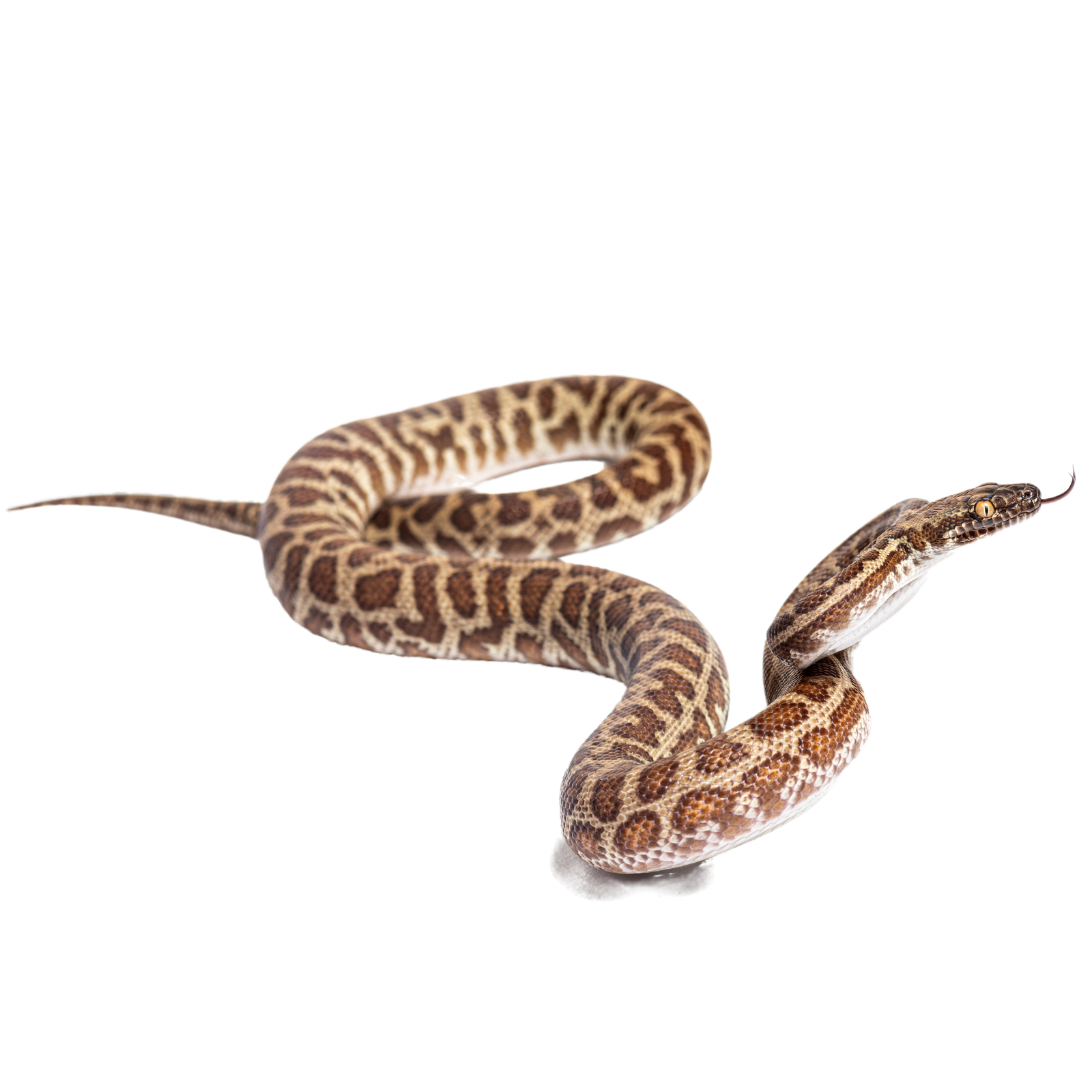
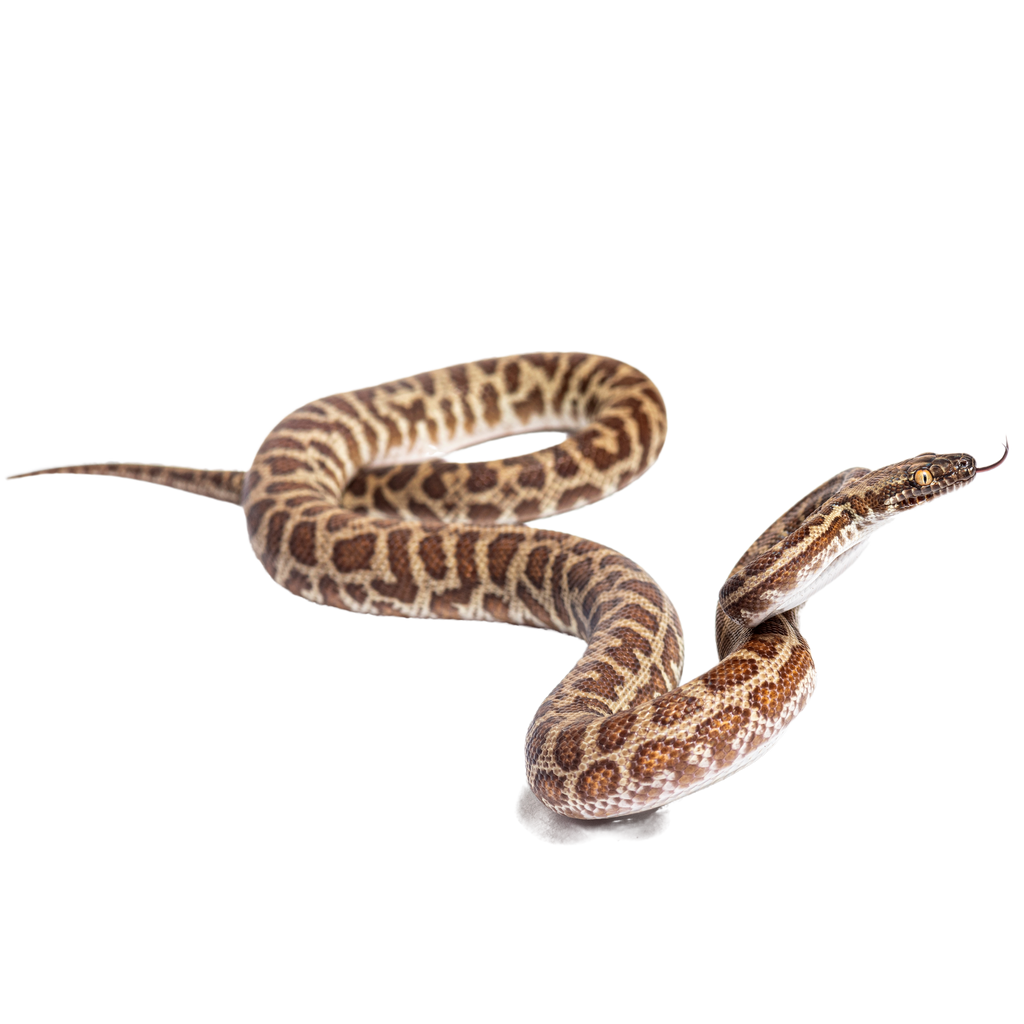
Children’s pythons are known for their small size and fascinating adaptations to arid and semi-arid regions of Australia. Most individuals reach adult size within several years, with the timing influenced by food availability, seasonal conditions, and individual health. Adults commonly measure between 2 and 3 feet long, although unusually large specimens may approach 4 feet. Their growth does not stop abruptly at maturity, but it becomes very slow. Adult females are often somewhat heavier-bodied than males. Reliable average lifespan figures from wild populations are limited, since following small, secretive snakes over decades is difficult. Available longevity records indicate that Children’s pythons can live for 15 to 20 years, and some individuals survive beyond 20 years when conditions remain favorable.
Ecologically, the Children’s python functions as both a mesopredator and prey for larger animals. It consumes rodents, small marsupials, bats, birds, nestlings, geckos, skinks, frogs, and other appropriately sized vertebrates. The relative importance of each prey type varies with local habitat and season. By removing small mammals and other rapidly reproducing animals, the python helps moderate prey populations and contributes to balance within food webs. Its hunting in crevices, hollows, and caves also allows it to exploit prey that many surface-hunting predators cannot easily reach.
In turn, hatchlings and juveniles are vulnerable to predatory birds, monitor lizards, larger snakes, and carnivorous mammals. Adults remain potential prey for large raptors and other sufficiently powerful predators. This position between smaller vertebrates and larger hunters transfers energy through several levels of the food chain. Cryptic coloration, secretive activity, efficient sensory systems, flexible feeding habits, and the ability to use both ground-level and elevated refuges together explain the species’ success in environments where food and favorable conditions can vary sharply over time.
Conservation Status
The IUCN Red List assessed the Children’s python in 2017 as “Least Concern” and records its population trend as stable. This category indicates that the species does not presently approach the thresholds for a threatened classification. Its broad geographic distribution, occurrence in varied environments, and continued presence across large areas support an overall picture of a secure and resilient wild population. A stable trend means there is no evidence of a sustained increase or decrease across the species as a whole. However, “Least Concern” does not imply that every local population is equally abundant or free from pressure.
Local populations may be affected by habitat loss and degradation associated with land clearing, mining, roads, urban expansion, and other development. Altered fire regimes can reduce shelter sites and change vegetation structure, potentially affecting the availability of prey and protected retreats. These impacts are most consequential where suitable habitat becomes fragmented or where several disturbances occur together.
Introduced species present additional potential pressures. Feral predators, such as cats, may kill smaller individuals, while invasive cane toads can poison snakes that attempt to consume them. The severity of these effects varies geographically and has not been shown to threaten the species across its full distribution. Illegal collection remains a possible localized concern, although extensive breeding has reduced demand for wild caught animals.
Conservation currently depends mainly on broad habitat protection and wildlife regulation rather than a species specific recovery program. The python occurs in protected areas, including parks and reserves, where conserving intact habitat and maintaining appropriate fire management benefit its populations. Habitat restoration and efforts to control invasive species can also support local persistence, especially in disturbed landscapes.
Australian laws regulate the capture, possession, movement, and export of native reptiles, while relevant state and territory legislation protects wild populations from unauthorized collection. International trade is controlled through the Convention on International Trade in Endangered Species under Appendix II, which requires regulated and documented commercial movement. Captive breeding is well established and supplies most animals in legal trade, helping limit pressure on wild populations. These populations may retain some value as an insurance resource, but there is no established conservation reintroduction program for the species. Continued monitoring remains important because localized habitat change, invasive species, and shifting fire patterns could eventually alter its currently favorable status.
Native Range
The Children’s python is native only to Australia, where it occupies the tropical north of the continent. Its range extends from the Kimberley region of northern Western Australia across much of the northern Northern Territory and into the Gulf Country and other parts of northern Queensland. It also occurs on a number of nearshore and offshore islands associated with northern Australia. Distribution records are especially numerous in the Kimberley, the Top End, Arnhem Land, the Katherine region, and the surrounding Gulf of Carpentaria. The precise limits of the range are sometimes reported differently because populations of closely related small pythons have been classified inconsistently in the past. In particular, records near the eastern and southern margins require careful identification. Even with that qualification, the species has a broad northern Australian distribution rather than a range confined to one small locality.
At the scale of macrohabitat, the Children’s python occupies tropical savanna, open eucalypt woodland, dry forest, monsoon woodland, grassland, and rocky upland country. It is also present in pockets of monsoon vine forest, especially where these occur among cliffs, gorges, or drainage systems. In drier portions of its range, it inhabits open woodland with acacias, spinifex grass, and scattered rocky outcrops. Wetter landscapes may support denser eucalypt cover, pandanus along creeks, paperbark woodland, and seasonally inundated floodplain vegetation. The python can occur near wetlands and watercourses, but it is not restricted to marshes, rivers, or other permanently wet environments. Much of its range consists of countries that become extremely dry for several months each year.
Within these broad ecosystems, the species depends heavily on sheltered microhabitats. Individuals use cracks in sandstone, limestone, and other exposed rock, as well as spaces beneath slabs, within boulder piles, and along broken escarpments. Tree hollows, cavities beneath bark, hollow logs, abandoned burrows, caves, and chambers within termite mounds can also provide secure retreats. In flatter woodland and savanna, fallen timber, deep leaf litter, grass clumps, and soil fissures create smaller pockets of cover. These sites offer protection from rapid temperature changes and the intense drying effects of sun and wind. Rocky crevices and caves are particularly important in areas where surface conditions become very hot during the wet season or cool and arid during the dry season.
Water availability influences local habitat quality even though the python can persist through a pronounced dry season and does not require permanent open water at every occupied site. Creek corridors, gorge pools, springs, seasonally flooded flats, and drainage lines support denser vegetation and retain humidity longer than exposed uplands. In very dry countries, shaded cavities and deep rock fissures may preserve moisture after surface water disappears. Conversely, elevated rocky ground and tree hollows provide refuge when monsoonal rain inundates floodplains and low lying woodland.
Terrain structure is one of the most consistent environmental features across the range. Sandstone escarpments, limestone formations, caves, talus slopes, deeply cracked soils, mature hollow bearing trees, and abundant fallen timber all create usable shelter. Dense canopy is valuable in monsoon forest pockets but is not essential throughout the range, since the species also occupies relatively open savanna. What matters most is a varied landscape containing shaded retreats and surfaces that warm and cool at different rates. This combination allows the Children’s python to occupy environments ranging from humid northern woodlands to seasonally arid inland savannas while remaining closely tied to secure, thermally buffered microhabitats.
Behavior
Children’s pythons are primarily nocturnal, with much of their surface activity beginning around dusk and continuing through the night. During daylight they usually remain concealed in rock fissures, hollow timber, caves, abandoned burrows, or other tight retreats. They may briefly bask near the entrance to a refuge, especially after a cool night, but prolonged exposure in open areas is uncommon.
Activity changes with weather and season. Warm, humid nights and rainfall commonly stimulate emergence and exploratory movement, partly because small vertebrate prey also becomes more active. Sudden cooling tends to shorten excursions, slow digestion, and encourage prolonged sheltering. During the coolest portion of the year, some individuals enter periods of greatly reduced activity that are often called brumation.
The species is predominantly solitary. Several snakes may use the same cave system, rocky outcrop, or sheltered area when suitable retreats are limited, but this aggregation reflects shared resources rather than social bonding. Encounters outside the mating season generally result in tolerance, avoidance, or competition for the preferred resting position. Familiarity does not reliably prevent conflict, and apparently peaceful proximity should not be interpreted as evidence that the snakes benefit from continual social contact.
Avoidance is the first defense against predators and people. The python relies on mottled coloration, stillness, and narrow retreats where larger animals cannot easily follow. When discovered, it usually attempts to withdraw rather than stand its ground. A cornered individual may flatten or tense the front of the body, draw the neck into an S shaped striking posture, hiss, strike repeatedly, or release foul smelling musk. Some strikes are warning blows, but bites can be firm and sustained. Rapid tail movement may occur during intense agitation, particularly when the tail contacts dry debris. The species is nonvenomous, yet defensive behavior should be respected rather than deliberately tested.
Responses to humans vary with age, experience, and individual temperament. Wild snakes commonly freeze, retreat, or defend themselves when captured. Young animals are often especially reactive because nearly any approaching animal represents a potential predator. Many individuals become calm with predictable, gentle interactions. Habituation does not mean affection, and a motionless snake may be tolerating contact rather than enjoying it. Sudden overhead movement, forceful restraint, unfamiliar vibration, or repeated disturbance can trigger escape attempts or defensive strikes. Supporting the body and allowing the animal to move without being gripped tightly generally produces a calmer response.
Husbandry Requirements
Enclosure Design
A juvenile Children’s python should be housed in an enclosure measuring at least 2 feet long, 1.5 feet deep, and 1.5 feet high. A larger enclosure may be used immediately if it contains abundant cover, secure hides, and easily accessible temperature zones. Sparse, exposed housing can make a young python reluctant to explore. Adults should receive an enclosure no smaller than 4 feet long, 2 feet deep, and 2 feet high. Particularly active or large individuals benefit from additional length and height.
Front opening PVC enclosures are especially practical because they retain heat effectively, resist moisture, and provide enough depth for substrate and furnishings. Sealed wood enclosures can also work, but must be protected against moisture. Glass enclosures are usable when fitted with a secure lid, although their extensive ventilation often causes rapid heat and humidity loss. If glass is used, covering the back and sides improves security and thermal stability. Regardless of material, ventilation should allow gradual air exchange without creating a constant draft. Cross ventilation provided by vents on opposing sides generally produces a better balance than a completely open screen top.
Children’s pythons are capable climbers and should not be kept in a flat, sparsely furnished enclosure. Arrange sturdy branches, cork tubes, rocklike ledges, and elevated shelves so the snake can move above the floor without being forced close to lamps. All heavy furnishings must rest directly on the enclosure floor or be securely anchored. Objects placed loosely on deep substrate can shift when the python burrows beneath them. Natural stone may be used for stable basking surfaces, but artificial rock ledges are lighter and easier to secure.
Provide at least two snug hides, with one on the warm side and one on the cool side. A third hide in an elevated position often receives regular use. Cork rounds and narrow crevices are valuable supplemental shelters, but they should not replace enclosed hides. Visual barriers such as foliage, bark slabs, and angled branches permit movement between zones without prolonged exposure.
Lighting and Heating
Create a basking surface temperature of approximately 90℉ to 92℉. The warm side ambient temperature should remain around 82℉ to 86℉, while the cool side should generally stay between 75℉ and 80℉. At night, temperatures may fall to approximately 72℉ to 78℉. A small nighttime decrease is beneficial, but the enclosure should not routinely fall below 70℉. These values should be confirmed at snake level rather than inferred from the room thermostat.
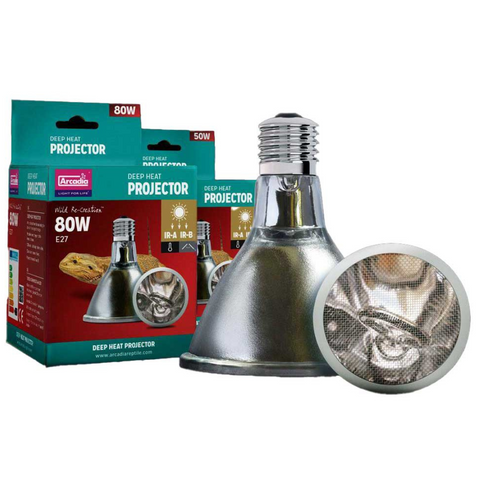
An overhead halogen flood lamp produces a broad, usable basking zone during the day. Deep heat projectors or ceramic heat emitters can provide nonluminous heat when nighttime support is necessary. Radiant heat panels are useful in larger PVC or sealed wood enclosures, particularly for maintaining ambient warmth. Heat mats offer little benefit for a properly arranged adult enclosure because they do not warm the air or create a natural overhead basking zone. Heat rocks must never be used. Every heating element must be controlled by a reliable thermostat.
Although Children’s pythons can survive without ultraviolet lighting, appropriately provided UVB supports natural activity patterns, calcium regulation, and normal day and night signaling. A lamp rated at approximately 5% to 7% UVB is generally suitable. Position it above part of the warm side so the snake can receive UVB while basking, but leave at least half of the enclosure outside the direct beam. The distance often falls between 10 and 15 inches for a reflector equipped fixture, but lamp strength, mesh density, and manufacturer guidance can change this distance substantially. A dense screen can reduce UVB output, while an unobstructed fixture may produce unexpectedly strong exposure. Branches and shelves must not allow the python to approach closer than the safe distance specified for the lamp. Foliage, cork, and shaded hides should always permit complete withdrawal from UVB.
Maintain a consistent photoperiod of about 12 hours of light and 12 hours of darkness for most of the year. Timers prevent irregular cycles caused by household schedules. A modest seasonal cycle may provide 13 hours of light during summer and about 11 hours during winter, with changes made gradually. Seasonal lighting adjustments should not be accompanied by abrupt or extreme temperature reductions. Complete nighttime darkness is important; red, blue, and purple night bulbs still produce visible light and should not be used. If nighttime heat is required, select a nonluminous source.
Substrate and Enrichment
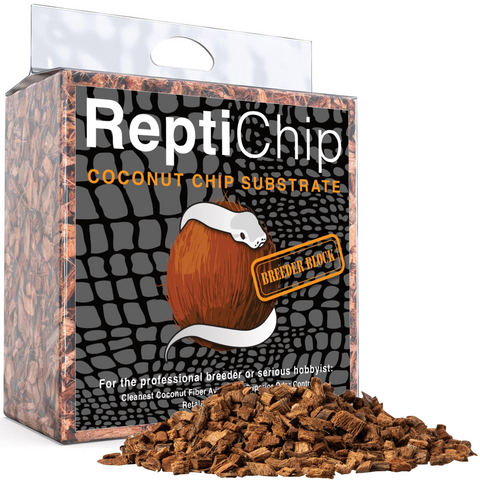
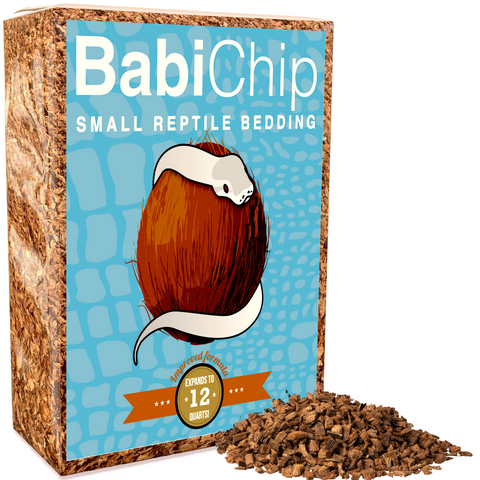
A substrate depth of two to four inches permits light burrowing and helps stabilize humidity. ReptiChip is a suitable primary substrate because its coarse coconut husk pieces resist compaction, hold moderate moisture, and allow spot cleaning. It can be used mostly dry, with a slightly damp layer beneath the surface when additional humidity is required. For greater moisture retention, mix approximately two parts ReptiChip with one part ReptiEarth. This combination provides a loose, diggable texture while reducing the dense, muddy consistency that can result from overly wet fine substrate.
Keep the surface dry rather than uniformly damp. Remove waste and wet substrate promptly, then replace the affected material. Stir or turn deeper substrate periodically to prevent stagnant pockets, and replace the full substrate layer whenever it develops a persistent odor or no longer dries appropriately. Water bowls and heavy decorations should sit securely so burrowing cannot tip them.
Enrichment should encourage climbing, hiding, basking, and exploration. Use branches of several diameters, including horizontal routes and angled paths leading toward elevated shelves. Cork rounds can function as tunnels, hides, and climbing surfaces. Artificial foliage and bark panels create visual separation, allowing the snake to travel without feeling exposed. Rough but not sharp stone or bark textures also provide useful surfaces during shedding.
Enrichment can come in many forms and is for the stimulation of your animal. The five types of enrichment you can offer are food related, sensory, physical habitat, cognitive, and social. These categories have a vast variety of options to choose from that are appropriate for the species being enriched.
Humidity and Hydration
Maintain general relative humidity between 40% and 60%. Brief increases to approximately 60% to 70% are useful during shedding, but the enclosure should retain ventilation and should not remain wet. Persistent condensation, saturated substrate, or damp interior surfaces indicate excessive moisture or inadequate air exchange. A humid hide is safer than raising the entire enclosure to tropical humidity. Fill it with lightly moistened ReptiEarth or damp moss, and place it near the middle or warm side so it remains humid without becoming cold and clammy.
In a normally ventilated enclosure, light misting two or three mornings per week is often sufficient. Mist foliage, enclosure walls, and a limited area of substrate rather than soaking the entire floor. The sprayed surfaces should mostly dry before the next misting. In a very dry room, brief daily misting or a larger humid hide may be necessary. In a humid climate, routine misting may be unnecessary. Adjust according to measured conditions rather than following a fixed schedule regardless of enclosure response.
Provide a sturdy water bowl large enough for the python to place much of its body inside if desired, but not so deep that access is awkward. Position it on the cool or middle portion of the enclosure to limit evaporation and keep the water from becoming excessively warm. Replace the water regularly and clean the bowl whenever it is soiled. Some individuals drink droplets after misting, so spraying foliage lightly can support natural drinking behavior without replacing the water bowl.
Diet & Supplementation
In the wild, Children’s pythons consume a varied diet. Adults primarily take small mammals, including native rodents and microbats, while lizards and small birds are important secondary prey. They may exploit concentrations of roosting bats where these are available. Younger snakes eat proportionally more small lizards and other slender prey before shifting toward mammals as their head and body size increase. Individual diets vary with local prey abundance rather than following a rigid specialization.
Prey is located through tongue flicking, which transfers airborne and surface chemicals to the vomeronasal organs in the roof of the mouth. Vision and heat sensitive labial receptors also help the python detect and accurately strike warm prey at close range. Hunting may involve waiting beside a frequently used route or actively investigating crevices and roosting sites.
Adults can tolerate long intervals between successful meals and may eat irregularly even during favorable conditions. Juveniles usually feed more consistently because growth imposes higher energy demands. Feeding under human care should reflect this naturally moderate intake rather than attempting to produce the fastest possible growth.
Growing juveniles can usually receive one appropriately sized meal every five to seven days. As growth slows, subadults generally do well every seven to ten days. Most adults should be fed every ten to fourteen days, with robust or sedentary individuals sometimes requiring intervals of fourteen to twenty one days. Feeding frequency should be reduced if the snake gains excessive fat. Pythons are opportunistic feeders and may eat beyond their actual energy requirements.
Occasional food refusal is not automatically an emergency. Seasonal appetite changes, excessive meal frequency, unsuitable prey size, unfamiliar prey odor, low digestive temperatures, reproductive activity, or illness may be responsible. Confirm husbandry conditions, monitor weight, and avoid offering food every day, which may perpetuate refusal. Try again after one or two weeks with a smaller, thoroughly warmed familiar prey item. Scenting a mouse with used rodent bedding or a small amount of bird scent may help stubborn feeders.
Assess body condition through both appearance and regular weighing. A healthy Children’s python has firm musculature, gently rounded sides, and a spine that can be felt but is not sharply prominent. An underconditioned snake develops an obvious ridge along the back, reduced muscle beside the spine, loose skin, and a thin, angular appearance. Obesity produces a broad, soft body, fat rolls when the snake bends, spreading between scales, and an abrupt rather than gradual taper toward the tail. Monthly weight records help distinguish normal fluctuations from persistent gain or clinically significant loss.
Reproduction
Children’s pythons are oviparous, laying eggs after internal fertilization. Reproductive maturity is usually reached between two and four years of age, although body size and condition are more reliable criteria than age alone. Males often become reproductively capable earlier and at a smaller size than females. A female should have a well developed body, strong muscle tone, and adequate energy reserves before breeding is attempted. Breeding an undersized or poorly conditioned female increases the likelihood of reproductive failure, excessive weight loss, or difficulty depositing the clutch.
Sexual dimorphism is present but relatively subtle. Adult females are generally longer, broader, and heavier than males, particularly through the posterior half of the body. Males tend to have proportionally longer tails because the paired reproductive organs are housed behind the vent. Pelvic spurs occur in both sexes, but those of mature males are commonly more prominent and are used during courtship. These traits are not sufficiently dependable for certain sex identification. Experienced examination of the tail base or other professional sexing methods may be needed before animals are assigned to breeding pairs. Incorrectly sexed animals are a frequent explanation for years of apparently unsuccessful breeding.
Reproductive activity is stimulated by seasonal change. Breeders commonly reproduce a simplified version of the cooler, drier portion of the Australian year, followed by a gradual return to warmer and somewhat more humid conditions. During the cooling phase, daytime warmth may remain available around 84°F to 88°F, while nighttime temperatures are allowed to fall gradually into the low to middle 70s. Some experienced breeders permit brief nighttime lows near 68°F to 72°F, but severe or abrupt cooling is unnecessary and can suppress activity rather than promote reproduction. A localized warm area should remain accessible so each snake can regulate its body temperature.
Photoperiod should change along with temperature. A summer schedule of approximately 13 to 14 hours of light can be reduced gradually to about 10 to 11 hours during the coolest part of the cycle. After several weeks, light and temperature are slowly increased again. Humidity also contributes to reproductive timing. Children’s pythons should not be kept continually wet, but a modest seasonal increase in humidity after the cool phase can imitate the arrival of warmer, wetter conditions. Intermittent misting, slightly increased room humidity, or provision of a humid retreat may promote activity and courtship. Ventilation must remain adequate, and surfaces should not stay saturated. In many breeding rooms, rising temperatures, lengthening days, and a few light spraying events produce a stronger response than any one cue used alone. Frequent weather changes, including shifts in barometric pressure, may coincide with increased male searching and courtship.
Upon encountering a receptive female, the pelvic spurs are used to scratch or stimulate the female near the tail and cloaca. Courtship may appear persistent, with the male repeatedly repositioning himself before the female permits tail alignment. A receptive female generally remains calm, raises or shifts her tail, and allows close contact. An unreceptive female may flee, coil tightly, hide continuously, or strike. Copulation can last several hours and may be repeated over several introductions.
Clutch size varies with the female’s size, age, and condition, but approximately 7 to 15 eggs is common, with smaller or larger clutches possible. First time females often produce fewer eggs and may behave less predictably than experienced breeders. The nesting site should be installed before the female begins persistent searching. A secure box large enough for her to enter and coil comfortably is usually sufficient. It should contain a clean substrate that holds moderate moisture without becoming waterlogged, such as slightly damp sphagnum moss or ReptiEarth. The box should feel secluded, remain stable, and be positioned within an appropriate thermal range rather than directly over the hottest part of the enclosure. If the nesting site is too dry, exposed, cramped, wet, or hot, the female may reject it and continue roaming. Multiple suitable retreats can be offered, but the keeper should avoid repeated rearrangement once the female has selected one.
Breeding failures commonly result from inadequate maturity, poor body condition, incorrect sex identification, weak seasonal cues, incompatible timing, or excessive disturbance. If courtship does not occur, the first response should be to review records and husbandry rather than to intensify cooling abruptly. A longer and more gradual seasonal cycle, clearer photoperiod changes, or introductions timed to weather shifts may help. A nonresponsive male may benefit from separation followed by a later reintroduction, while a defensive female should be given privacy rather than restrained or repeatedly exposed to the male. Trying a compatible alternate mate is often more effective than forcing continued contact between an unresponsive pair.
Stress related reproductive failure can also follow frequent handling, constant observation, vibration, bright nighttime lighting, or lack of secure retreats. Once breeding behavior begins, interactions should be watched quietly and handling kept to a minimum. Females showing sustained straining, repeated unsuccessful nesting attempts, marked lethargy, abnormal discharge, or unexplained decline require prompt evaluation by a reptile veterinarian. Breeding should be suspended when either animal loses condition or fails to recover normally from seasonal cycling. Consistent records, conservative environmental changes, compatible solitary pairing, and respect for each snake’s behavior provide the most dependable foundation for successful reproduction.
Incubation & Neonate Care
The female usually coils tightly around the clutch after deposition. This is true maternal brooding rather than later parental care. She may adjust her coils and use small muscular contractions to stabilize the temperature around the eggs. Natural maternal incubation is possible, but it is less predictable than controlled incubation. The female must have access to appropriate warmth, humidity, water, and complete privacy, and she may lose considerable body condition while brooding. Most keepers therefore transfer the eggs to an incubator. After hatching, the female does not feed, defend, or otherwise care for the young.
Before moving the eggs, gently remove the female without forcibly pulling eggs from her coils. She may be unusually defensive. Eggs should be kept in the orientation in which they were found. Marking the upper surface lightly with pencil helps preserve orientation. Eggs that have adhered to one another should normally remain attached; attempting to separate them can tear the shells.
A stable incubation temperature of 87°F to 89°F is recommended, with approximately 88°F providing a useful target. Small, brief fluctuations are generally tolerated, but prolonged temperatures above 90°F increase the risk of developmental abnormalities, weak hatchlings, and embryonic death. Temperatures below about 84°F may greatly lengthen incubation and reduce hatching success.
Vermiculite or perlite is an appropriate incubation substrate. A common preparation uses a 1:1 ratio of substrate and water, producing a moist medium without free water collecting around the eggs. The eggs may be nestled about one third to one half of their depth into the substrate. An alternative is to suspend them on a plastic grid above a water reservoir, provided humidity remains stable. The container should retain moisture while permitting limited gas exchange through a few small ventilation holes. Relative humidity around the eggs should remain approximately 90% to 100%, but the shells should not remain covered in condensation or touch standing water.
Incubation usually lasts about 50 to 60 days, although hatching can occur somewhat earlier or later depending on temperature, genetic factors, and the stage at which incubation conditions stabilized. Children’s pythons do not have temperature dependent sex determination. Sex is genetically determined, so changing incubation temperature cannot be used reliably or safely to produce males or females. Temperature still has major effects on incubation rate, hatchling size, neurological development, spinal formation, and survival.
Successful development depends on balancing moisture, warmth, cleanliness, and air exchange. Excessively dry substrate causes severe egg dimpling and can dehydrate the embryo. Some dimpling near the end of incubation is normal as water is used and the hatchling occupies more of the egg. Excess moisture encourages mold, interferes with gas exchange, and can contribute to drowning shortly before hatching. Heavy condensation should be wiped from the lid before it drips onto the eggs. Incubation containers should be opened briefly when necessary, but frequent handling and repeated temperature changes should be avoided.
Near hatching, the young python uses an egg tooth to cut one or more slits in the shell. After pipping, it may keep its head inside or outside the egg for 12 to 48 hours while absorbing the remaining yolk and adjusting to air breathing. This delay is normal. Hatchlings should not be pulled from their eggs, and routine cutting of unopened eggs is discouraged because viable blood vessels or an unabsorbed yolk sac may still be present. Assistance should be considered only when there is strong evidence of a problem and should preferably be performed by an experienced reptile veterinarian or breeder.
Newly emerged hatchlings should be transferred to clean, individual enclosures after they have left the egg voluntarily. Any attached yolk sac or open umbilical site requires especially clean conditions. Plain paper towel is the best initial substrate because it makes blood, discharge, feces, and retained yolk easy to detect. A hatchling with a large unabsorbed yolk sac should be placed in a small, ventilated container lined with a damp, clean paper towel and evaluated if the sac is damaged, discolored, foul smelling, or not steadily retracting.
A secure hatchling enclosure may measure approximately 12 to 18 inches long, 8 to 12 inches wide, and 6 to 8 inches high. It should include a snug hide at each end, adequate ventilation, and a shallow, stable water dish. Every opening must be escape proof because neonates can pass through very small gaps. Maintain a warm surface of 88°F to 90°F and a cooler area of 78°F to 82°F, with general air temperatures around 80°F to 84°F. Night temperatures should not fall below about 75°F.
Relative humidity around 50% to 60% is suitable for routine neonate care. It may be raised temporarily to approximately 60% to 70% during the first shed, preferably by offering a humid hide rather than soaking the entire enclosure. Persistently wet conditions promote skin infections and respiratory disease. Fresh water should always be available in a dish that the hatchling cannot easily overturn. The dish should be washed frequently, particularly after defecation. Occasional droplets on the enclosure wall can encourage drinking, but spraying should not leave the enclosure saturated.
The first shed commonly occurs within 7 to 14 days of hatching. Food is normally withheld until this shed is complete and the umbilical area has closed. The first meal should be a thawed newborn mouse approximately equal to the widest part of the snake’s body. Offer prey with tongs in the evening and then leave the hatchling undisturbed. A meal every five to seven days is generally appropriate during early growth. If the first meal is refused, remove it and try again several days later rather than repeatedly disturbing the snake. Scenting the prey or offering it in a smaller feeding container may help, but force feeding should be reserved for veterinary direction.
Neonates should be housed separately from adults and, ideally, from one another. Individual housing prevents feeding accidents, competition for hides, unnoticed food refusal, and possible injury. Keepers should record sheds, meals, defecation, and body weight. Common concerns include retained shed on the eyes or tail, dehydration, thermal burns, regurgitation, respiratory infection, spinal deformity, failure to gain weight, and infection at the umbilicus. Persistent wheezing, open mouth breathing, repeated regurgitation, progressive weight loss, weakness, or abnormal swelling warrants prompt veterinary attention.
Handling should be minimal until the hatchling has completed its first shed and accepted at least two meals. Young Children’s pythons may strike defensively but are delicate and should never be restrained by the head or allowed to dangle unsupported. Use slow movements, support the entire body, and keep sessions brief. Avoid handling during shedding and for at least 48 hours after a meal. Careful hygiene between enclosures is essential, especially when managing hatchlings from different clutches or any individual showing signs of illness.
Conclusion
Successful care of a Children’s python depends on providing security, environmental choice, and consistent monitoring rather than treating its small size as justification for minimal housing. Good husbandry also respects the species’ nocturnal, secretive nature. Climbing routes, narrow retreats, foliage, cork, and gradual changes in enclosure furnishings support exploration without forcing exposure. Handling should be predictable and gentle, with the body fully supported. Persistent hiding, frantic escape attempts, snout rubbing, unusual daytime exposure, or repeated defensive striking may indicate stress and should prompt a review of security and environmental conditions.