Free Shipping to the Lower 48!

Free Shipping to the lower 48!

id="mega-catalog" name="no-js-main-navigation">

This section doesn’t currently include any content. Add content to this section using the sidebar.

Image caption appears here

Add your deal, information or promotional text

Eurycea lucifuga

Cave Salamander

Best Su...
Order

What Makes ReptiChip The BestCave Salamander Bedding

Filter by age:

Best Substrates for Adult Cave Salamanders

Best Enclosures for Adult Cave Salamanders

Best Lighting Products for Adult Cave Salamanders

Best Substrates for Subadult Cave Salamanders

Best Enclosures for Subadult Cave Salamanders

Best Lighting Products for Subadult Cave Salamanders

The Cave Salamander (Eurycea lucifuga) is a fascinating amphibian found primarily in the limestone caves and karst regions of the central and eastern United States. Known for its striking appearance, this salamander has a bright orange or reddish body adorned with dark spots or mottling, making it one of the more visually striking members of its family. Cave Salamanders have long, slender bodies and tails, which are well-adapted for navigating the rocky, creviced environments of their cave habitats. They prefer moist, shaded areas near cave entrances and underground streams, where they can find an abundance of their primary diet: small invertebrates such as insects and spiders.

One of the most intriguing aspects of the Cave Salamander is its reproductive strategy and life cycle. Unlike many amphibians that breed in open water, Cave Salamanders lay their eggs in secluded, moist crevices within caves. The females attach the eggs to submerged rocks or vegetation, where they remain until they hatch. The larvae are aquatic and undergo a lengthy developmental period in the safety of underground streams before metamorphosing into terrestrial adults. This unique breeding strategy provides significant protection from predators and environmental fluctuations, contributing to their survival in the challenging cave ecosystems. Their ability to thrive in such specialized habitats, along with their striking appearance, makes Cave Salamanders a subject of great interest to biologists and cave enthusiasts alike.

Why ReptiChip?

A yello...
INNOVATIVE PRODUCTS
MADE IN THE USA
ALL NATURAL
FREE SHIPPING
EXPERT SUPPORT
VETERAN OWNED

ReptiChip is made by cave salamander lovers, for cave salamander lovers. It’s what the pros use, and it’s what you can use, too.

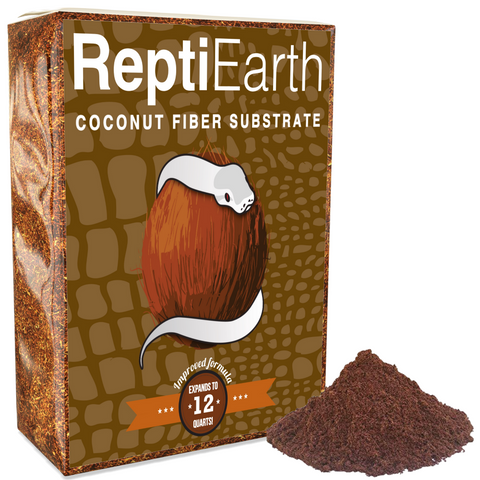
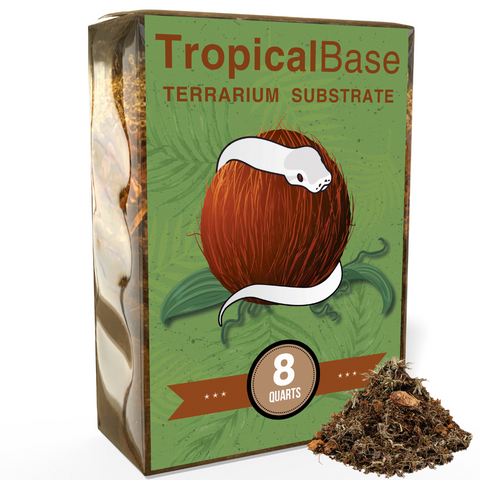
Our product line includes BabiChip, RediChip, TropicalBase, MicroChip, and ReptiEarth, so you can be sure to find the perfect cave salamander bedding for your pet.

Ready to switch to the ultimate cave salamander bedding? Check out ReptiChip today.

Common Cave Salamander ReptiChip Questions

The scientific name of the Cave Salamander is Eurycea lucifuga.


The Cave Salamander is also known as Spotted-tail salamander.

Cave Salamanders are native to United States, Alabama, Arkansas, Illinois, Missouri, Kentucky, Virginia, West Virginia, Oklahoma, Tennessee, Kansas, Indiana, and Ohio.

Adult Cave Salamanders typically reach about 4-7” inches.

Cave Salamanders live about 60-100 years with proper care.

Recommended temperatures for a Cave Salamander: 65°F cool side, 70-75°F warm side, and No basking spot.

Cave Salamanders need 60-80% humidity.

UVB lighting is recommended because it benefits Cave Salamanders. Lighting spec: UVA/UVB benefits animal.

Recommended enclosure sizes for a Cave Salamander: Young/Sub-Adult: 18”x18”x12”; Adult: 24”x18”x12” (minimum). Always base adult size enclosure off of adult size.

Cave Salamanders eat: Carnivorous; Insects.

Cave Salamanders are not usually recommended for beginners; they are rated Intermediate for keeper experience.

Cave Salamanders are nocturnal (active at night).

Common Cave Salamander behavior traits: Look, don’t handle pet; Require live bugs to be moving for feeding; High metabolism; Aggressive eaters, so use caution feeding when housing multiples; Need larger body of water for breeding.

Yes. Cave Salamanders are oviparous, meaning they lay eggs.

A Cave Salamander clutch is typically about 60-120 eggs.

Cave Salamander eggs typically incubate for about 10-20 days before hatching.

Cave Salamander metamorphosis typically takes 12-15 months before leaving water.

Recommended substrates for juvenile Cave Salamanders: TropicalBase Terrarium Mix; Bioactive Ready to Use and ReptiEarth Fine Coconut Fiber Mix; Ready to Use.

Recommended substrates for sub-adult Cave Salamanders: TropicalBase Terrarium Mix; Bioactive Ready to Use and ReptiEarth Fine Coconut Fiber Mix; Ready to Use.

Recommended substrates for adult Cave Salamanders: ReptiEarth Fine Coconut Fiber Mix; Ready to Use.

Recommended enclosures for Cave Salamanders by age. Juvenile: HabiStat 18" Glass Terrariums. Sub-adult: HabiStat 18" Glass Terrariums. Adult: HabiStat 24" Glass Terrariums.

Recommended lighting products for Cave Salamanders by age. Juvenile: Arcadia 7% UVB D3 ShadeDweller Lighting, 12". Sub-adult: Arcadia 6% UVB D3 Forest Lighting. Adult: Arcadia 6% UVB D3 Forest Lighting.

Search