Free Shipping to the Lower 48!

Free Shipping to the lower 48!

id="mega-catalog" name="no-js-main-navigation">

This section doesn’t currently include any content. Add content to this section using the sidebar.

Image caption appears here

Add your deal, information or promotional text

Python bivittatus

Burmese Python

Burmese...
Order

What Makes ReptiChip The BestBurmese Python Bedding

Filter by age:

Best Bundles for Subadult Burmese Pythons

Best Substrates for Subadult Burmese Pythons

Best Enclosures for Subadult Burmese Pythons

Best Lighting Products for Subadult Burmese Pythons

Best Heating Products for Subadult Burmese Pythons

Best Bundles for Juvenile Burmese Pythons

Best Substrates for Juvenile Burmese Pythons

Best Enclosures for Juvenile Burmese Pythons

Best Lighting Products for Juvenile Burmese Pythons

Best Heating Products for Juvenile Burmese Pythons

Burmese Pythons (Python bivittatus) are fascinating reptiles known for their impressive size, behavior, and ecological impact. Native to Southeast Asia, these snakes are among the largest snake species in the world, capable of reaching lengths exceeding 20 feet and weighs over 200 pounds in exceptional cases. They have a distinctive pattern of tan to dark brown with irregular patches and markings, which provide effective camouflage in their natural habitat of tropical forests, grasslands, and marshes.

One of the most remarkable aspects of Burmese Pythons is their adaptability and resilience. They are powerful constrictors, using their muscular bodies to subdue prey that includes birds, mammals, and even larger animals like deer in their native range. Interestingly, Burmese Pythons are ambush predators, relying on stealth and patience to capture their prey. Their feeding habits allow them to consume prey whole, aided by their flexible jaws and teeth designed to grip and swallow large meals. Beyond their native range, Burmese Pythons have been introduced to Florida's Everglades, where they have established breeding populations. This invasive presence has had significant ecological impacts, as they prey on native species, potentially disrupting local ecosystems and presenting challenges to conservation efforts. In addition to their size and ecological impact, Burmese Pythons also play a significant role in cultural and mythological contexts in Southeast Asia. They are revered and sometimes feared, appearing in local folklore and traditional beliefs as symbols of power and mysticism. Their imposing size and appearance have captivated human imagination for centuries, making them subjects of study and admiration among herpetologists and enthusiasts alike.

Why ReptiChip?

A yello...
INNOVATIVE PRODUCTS
MADE IN THE USA
ALL NATURAL
FREE SHIPPING
EXPERT SUPPORT
VETERAN OWNED

ReptiChip is made by burmese python lovers, for burmese python lovers. It’s what the pros use, and it’s what you can use, too.

Our product line includes BabiChip, RediChip, TropicalBase, MicroChip, and ReptiEarth, so you can be sure to find the perfect burmese python bedding for your pet.

Ready to switch to the ultimate burmese python bedding? Check out ReptiChip today.

Common Burmese Python ReptiChip Questions

The scientific name of the Burmese Python is Python bivittatus.


The Burmese Python is also known as Burmese Python Burm.

Burmese Pythons are native to Southeast Asia Invasive population in Florida, USA.

Adult Burmese Pythons typically reach about 15-22 ft (Average 16 ft).

Burmese Pythons live about 15-30 years with proper care.

Recommended temperatures for a Burmese Python: 70-75°F cool side, 80-85°F warm side, and 90-95°F basking spot.

Burmese Pythons need 50-60% humidity.

UVB lighting is recommended because it benefits Burmese Pythons. Lighting spec: UVA/UVB benefits animal.

Recommended enclosure sizes for a Burmese Python: Baby-Young: 36x18x18 (>6 months +); <6ft/Sub Adult: 48”x24”x24” (minimum); >6ft/Adult: 72”x24”x24” (minimum); >8ft/Adult: 96”x24”x24” (minimum); >10ft/Adult: 120”x24”x24” (minimum); >12ft/Adult: 144”x24”x24” (minimum). Always base adult size enclosure off of snake size. They should be able to stretch out in length completely & turn around comfortably.

Burmese Pythons eat: Carnivorous; Rodents; Quail; Chicks; Rabbits; Pigs.

Burmese Pythons are not usually recommended for beginners; they are rated Intermediate/Advanced for keeper experience. If previously established on F/T rodents.

Burmese Pythons are nocturnal (active at night).

Common Burmese Python behavior traits: Can be fearful when young; Docile generally; Warm up easily with consistent handling.

Yes. Burmese Pythons are oviparous, meaning they lay eggs.

A Burmese Python clutch is typically about 20-60 eggs.

Burmese Python eggs typically incubate for about 60-70 days before hatching.

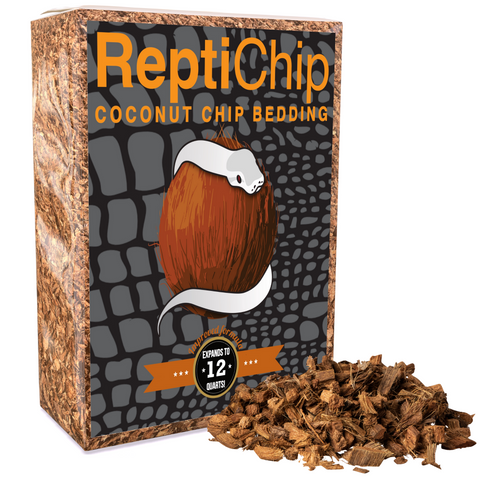
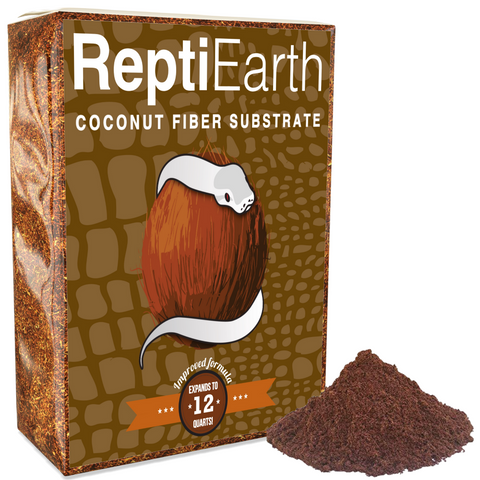
Recommended substrates for juvenile Burmese Pythons: ReptiChip Coarse Coconut Chip Mix; Ready to Use and ReptiEarth Fine Coconut Fiber Mix; Ready to Use.

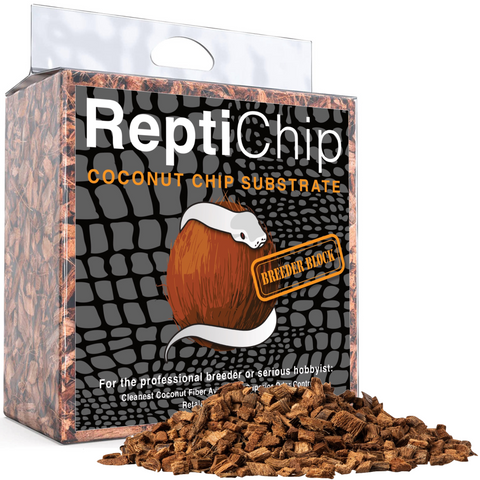
Recommended substrates for sub-adult Burmese Pythons: ReptiChip Breeder Blocks and Bundles.

Recommended substrates for adult Burmese Pythons: ReptiChip Breeder Blocks and Bundles.

Recommended enclosures for Burmese Pythons by age. Juvenile: Vivarium 36" Sliding Door Reptile Terrariums. Sub-adult: Vivarium 48" Sliding Door Reptile Terrariums (4'x2').

Recommended lighting products for Burmese Pythons: Arcadia 6% UVB D3 Forest Lighting.

Recommended heating products for Burmese Pythons: Vivarium Electronics Radiant Heat Panels and Vivarium Electronics Thermostats.

Yes. Recommended habitat bundles for Burmese Pythons by age. Juvenile: Juvenile Burmese Python Ultimate Habitat Bundle. Sub-adult: Subadult Burmese Python Ultimate Habitat Bundle.

Search