Free Shipping to the Lower 48!

Free Shipping to the lower 48!

id="mega-catalog" name="no-js-main-navigation">

This section doesn’t currently include any content. Add content to this section using the sidebar.

Image caption appears here

Add your deal, information or promotional text

Tiliqua gigas gigas

Indonesian Blue-Tongued Skink

Best Su...
Order

What Makes ReptiChip The BestBlue-Tongued Skink Bedding

Filter by age:

Best Bundles for Subadult Blue-Tongued Skinks

Best Substrates for Subadult Blue-Tongued Skinks

Best Enclosures for Subadult Blue-Tongued Skinks

Best Diets for Subadult Blue-Tongued Skinks

Best Lighting Products for Subadult Blue-Tongued Skinks

Best Heating Products for Subadult Blue-Tongued Skinks

Best Substrates for Juvenile Blue-Tongued Skinks

Best Enclosures for Juvenile Blue-Tongued Skinks

Best Diets for Juvenile Blue-Tongued Skinks

Best Lighting Products for Juvenile Blue-Tongued Skinks

Best Heating Products for Juvenile Blue-Tongued Skinks

The Indonesian Blue Tongue Skink (Tiliqua gigas gigas) is one of the largest and most striking species of blue-tongue skinks, native to the tropical rainforests of Indonesia, New Guinea, and surrounding islands. These skinks are known for their bright blue tongues, which they use as a defense mechanism to startle potential predators. When threatened, the skink will open its mouth wide to display its vibrant blue tongue, contrasting with the rest of its body, to ward off attackers. In the wild, they are primarily terrestrial and are often found foraging on the forest floor. Their omnivorous diet includes a variety of insects, fruits, flowers, and plant matter, making them opportunistic feeders well-suited to their diverse habitat.

Indonesian Blue Tongue Skinks are also unique in that they are live-bearing reptiles, giving birth to fully developed young rather than laying eggs, a reproductive trait that helps protect their offspring in the unpredictable tropical environment. The skinks are robust and can live for up to 20 years or more in captivity, making them a popular choice among reptile enthusiasts. However, they require specific care to thrive, including high humidity levels (between 60% and 80%) and a temperature gradient with basking areas around 90°F (32°C). Their calm and curious nature makes them relatively easy to handle, but their larger size and habitat needs make them more suited for intermediate or advanced reptile keepers.

Why ReptiChip?

A yello...
INNOVATIVE PRODUCTS
MADE IN THE USA
ALL NATURAL
FREE SHIPPING
EXPERT SUPPORT
VETERAN OWNED

ReptiChip is made by blue-tongued skink lovers, for blue-tongued skink lovers. It’s what the pros use, and it’s what you can use, too.

Our product line includes BabiChip, RediChip, TropicalBase, MicroChip, and ReptiEarth, so you can be sure to find the perfect blue-tongued skink bedding for your pet.

Ready to switch to the ultimate blue-tongued skink bedding? Check out ReptiChip today.

Common Blue-Tongued Skink ReptiChip Questions

The scientific name of the Blue-Tongued Skink is Tiliqua gigas gigas.


The Blue-Tongued Skink is also known as Indonesian Blue Tongue Skink.

Indonesia, including the islands of New Guinea, Timor, and the surrounding areas.

Adult Blue-Tongued Skinks typically reach about 18-24 inches.

Blue-Tongued Skinks live about 30-40 years with proper care.

Recommended temperatures for a Blue-Tongued Skink: 70-75°F cool side, 80-85°F warm side, and 95-100°F basking spot.

Blue-Tongued Skinks need 60-80% humidity.

Yes. Recommended lighting for Blue-Tongued Skinks: UVA/UVB required.

Recommended enclosure sizes for a Blue-Tongued Skink: Baby-Young: 36x18x18 (>6 months +); Sub Adult-Adult: 48”x24”x24” (minimum), 72”x24”x24” (large/active adult).

Blue-Tongued Skinks eat: Omnivorous; Greens; Fungi; Fruits & Flowers; Succulents; Invertebrates; Insects; Animal Protein; Etc.

Blue-Tongued Skinks are not usually recommended for beginners; they are rated Intermediate for keeper experience.

Blue-Tongued Skinks are diurnal (active during the day).

Common Blue-Tongued Skink behavior traits: Food motivated; Very curious; Can be skittish when young; Calm down with consistent handling; They need varied diets.

No. Blue-Tongued Skinks are ovoviviparous; eggs develop inside the mother and the young are born live.

A Blue-Tongued Skink litter is typically about 5-15 babies.

Blue-Tongued Skink gestation typically lasts about 100-150 days.

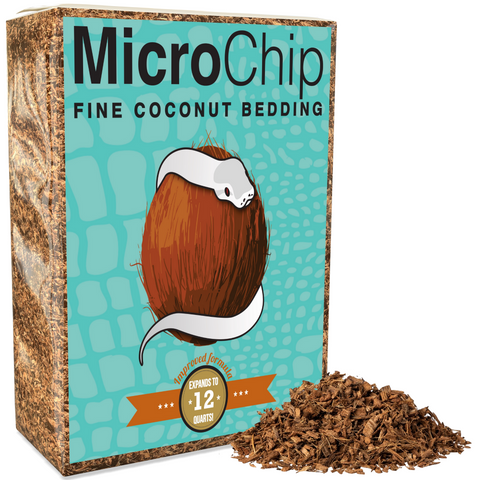
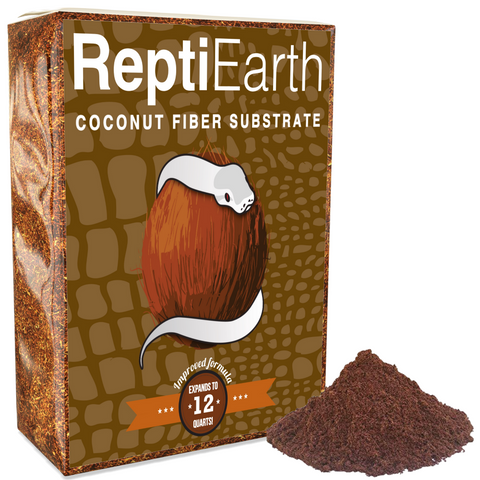
Recommended substrates for juvenile Blue-Tongued Skinks: ReptiEarth Fine Coconut Fiber Mix; Ready to Use and MicroChip Fine Coconut Chip Mix; Ready to Use.

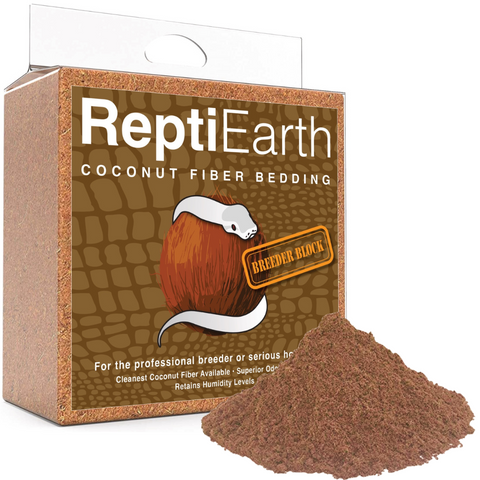
Recommended substrates for sub-adult Blue-Tongued Skinks: MicroChip Fine Coconut Chip Mix; Ready to Use and ReptiEarth Breeder Blocks and Bundles.

Recommended substrates for adult Blue-Tongued Skinks: MicroChip Fine Coconut Chip Mix; Ready to Use and BabiChip Premium Small Sized Coconut Chips; Ready to Use.

Recommended enclosures for Blue-Tongued Skinks by age. Juvenile: Vivarium 36" Sliding Door Reptile Terrariums. Sub-adult: Vivarium 48" Sliding Door Reptile Terrariums (4'x2').

Recommended lighting products for Blue-Tongued Skinks: Arcadia 12% UVB D3 Desert Lighting.

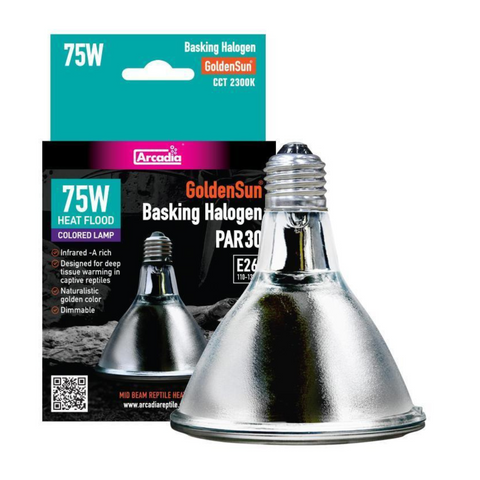
Recommended heating products for Blue-Tongued Skinks by age. Juvenile: Arcadia GoldenSun Basking Halogen Heater and Vivarium Electronics Ceramic Dome Reflector. Sub-adult: Arcadia GoldenSun Basking Halogen Heater and Vivarium Electronics Ceramic Dome Reflector. Adult: Arcadia GoldenSun Basking Halogen Heater.

Yes. Recommended habitat bundles for Blue-Tongued Skinks by age. Juvenile: Juvenile Indonesian Blue-Tongued Skink Ultimate Habitat Bundle. Sub-adult: Subadult Indonesian Blue-Tongued Skink Ultimate Habitat Bundle.

Recommended food products for Blue-Tongued Skinks: Pangea Calcium.

Search