Free Shipping to the Lower 48!

Free Shipping to the lower 48!

id="mega-catalog" name="no-js-main-navigation">

This section doesn’t currently include any content. Add content to this section using the sidebar.

Image caption appears here

Add your deal, information or promotional text

Varanus beccarii

Black Tree Monitor

Best su...
Order

What Makes ReptiChip The BestBlack Tree Monitor Bedding

Best Bundles for Juvenile Black Tree Monitors

Best Substrates for Juvenile Black Tree Monitors

Best Enclosures for Juvenile Black Tree Monitors

Best Lighting Products for Juvenile Black Tree Monitors

Best Heating Products for Juvenile Black Tree Monitors

The Black Tree Monitor (Varanus beccarii) is a striking arboreal lizard native to the island of Aru, part of Indonesia’s eastern Maluku Islands. One of the most distinctive features of this species is its completely black coloration, a rare trait among tree monitors, which typically exhibit bright greens or blues. This uniform black pigmentation provides them with excellent camouflage in the shaded canopy of dense tropical forests. Their prehensile tail is a key adaptation, allowing them to grip branches securely while navigating the treetops. They are also extremely agile climbers, aided by their long, sharp claws and slender bodies, which are perfectly suited for maneuvering through the forest canopy.

Black Tree Monitors are known for their high intelligence and active nature, often observed exploring their surroundings and exhibiting problem-solving behaviors. In the wild, their diet is highly varied, consisting of insects, small birds, eggs, and other small vertebrates. This opportunistic diet plays a crucial ecological role, as it helps control insect populations and may even aid in seed dispersal by consuming fruits. Their sharp vision and keen sense of smell make them efficient hunters, particularly in their forested habitat where they must rely on both sight and scent to locate prey. Despite their intelligence and agility, Black Tree Monitors can be shy and are easily stressed by human interaction, making them more challenging to care for in captivity than other monitor species.

Why ReptiChip?

A yello...
INNOVATIVE PRODUCTS
MADE IN THE USA
ALL NATURAL
FREE SHIPPING
EXPERT SUPPORT
VETERAN OWNED

ReptiChip is made by black tree monitor lovers, for black tree monitor lovers. It’s what the pros use, and it’s what you can use, too.

Our product line includes BabiChip, RediChip, TropicalBase, MicroChip, and ReptiEarth, so you can be sure to find the perfect black tree monitor bedding for your pet.

Ready to switch to the ultimate black tree monitor bedding? Check out ReptiChip today.

Common Black Tree Monitor ReptiChip Questions

The scientific name of the Black Tree Monitor is Varanus beccarii.


Black Tree Monitors are native to Aru Islands (near New Guinea).

Adult Black Tree Monitors typically reach about 36-42 inches.

Black Tree Monitors live about 15-20+ years with proper care.

Recommended temperatures for a Black Tree Monitor: 70-80°F cool side, 80-90°F warm side, and 115-120°F basking spot.

Black Tree Monitors need 60-90% humidity.

Yes. Recommended lighting for Black Tree Monitors: UVA/UVB required.

Recommended enclosure sizes for a Black Tree Monitor: Baby-Young: 18”x18”x36” (<6 months +), 36”x18”x36” (1 year +); Sub Adult-Adult: 48”x24”x48” (minimum), 72”x24”x48” (large/active adult).

Black Tree Monitors eat: Primarily Insectivores: Crickets, dubia roaches, calcium worms (black soldier fly larvae), mealworms, hornworms, waxworms, silkworms, etc., Animal Protein.

Black Tree Monitors are not usually recommended for beginners; they are rated Advanced for keeper experience.

Black Tree Monitors are diurnal (active during the day).

Common Black Tree Monitor behavior traits: Food motivated; Foragers & ambush hunters; Hand feeding helps bond; Very curious; Can be skittish when young; Calm down with consistent and confident handling; Arboreal; Prehensile tail; Bites are painful; Captive bred babies are much calmer, and easier to socialize; Can be challenging to breed in captivity.

Yes. Black Tree Monitors are oviparous, meaning they lay eggs.

A Black Tree Monitor clutch is typically about 2-7 eggs.

Black Tree Monitor eggs typically incubate for about 150-190 days before hatching.

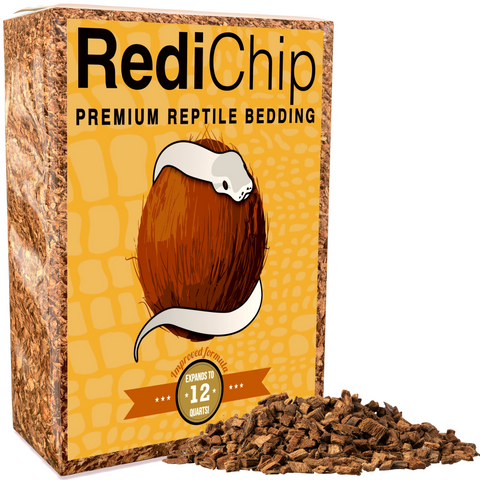
Recommended substrates for juvenile Black Tree Monitors: RediChip Premium Medium Sized Coconut Chips; Ready to Use, ReptiEarth Breeder Blocks and Bundles, and ReptiEarth Fine Coconut Fiber Mix; Ready to Use.

Recommended substrates for sub-adult Black Tree Monitors: ReptiEarth Breeder Blocks and Bundles and ReptiChip Breeder Blocks and Bundles.

Recommended substrates for adult Black Tree Monitors: ReptiChip Breeder Blocks and Bundles and ReptiEarth Breeder Blocks and Bundles.

Recommended enclosures for Black Tree Monitors: Vivarium 48" Sliding Door Reptile Terrariums (4'x2').

Recommended lighting products for Black Tree Monitors by age. Juvenile: Arcadia 6% UVB D3 Forest Lighting. Sub-adult: Arcadia 6% UVB D3 Forest Lighting. Adult: Arcadia 12% UVB D3 Desert Lighting.

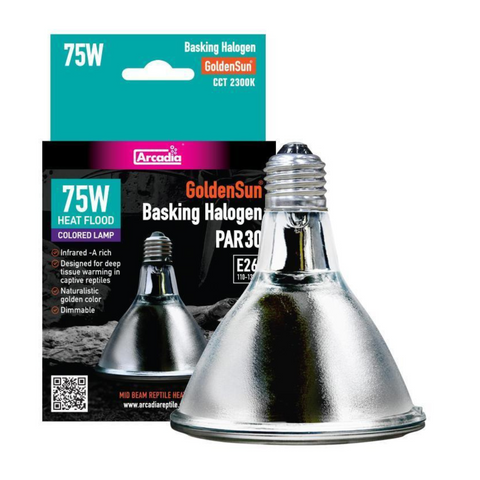
Recommended heating products for Black Tree Monitors by age. Juvenile: Arcadia GoldenSun Basking Halogen Heater and Vivarium Electronics Ceramic Dome Reflector. Sub-adult: Vivarium Electronics Ceramic Dome Reflector. Adult: Arcadia GoldenSun Basking Halogen Heater.

Yes. Recommended habitat bundles for Black Tree Monitors: Juvenile Black Tree Monitor Ultimate Habitat Bundle.

Search