Free Shipping to the Lower 48!

Free Shipping to the lower 48!

id="mega-catalog" name="no-js-main-navigation">

This section doesn’t currently include any content. Add content to this section using the sidebar.

Image caption appears here

Add your deal, information or promotional text

Geochelone denticulata

Yellow-Footed Torotise

Best su...
Order

What Makes ReptiChip The BestYellow-Footed Tortoise Bedding

Filter by age:

Best Substrates for Subadult Yellow-Footed Tortoises

Best Enclosures for Subadult Yellow-Footed Tortoises

Best Lighting Products for Subadult Yellow-Footed Tortoises

Best Heating Products for Subadult Yellow-Footed Tortoises

Best Substrates for Juvenile Yellow-Footed Tortoises

Best Enclosures for Juvenile Yellow-Footed Tortoises

Best Lighting Products for Juvenile Yellow-Footed Tortoises

Best Heating Products for Juvenile Yellow-Footed Tortoises

Yellow-footed Tortoises (Geochelone denticulata), also known as the Brazilian giant tortoise, are large, terrestrial reptiles native to the rainforests of South America, particularly in countries like Brazil, Venezuela, and Bolivia. One of the most fascinating aspects of these tortoises is their striking appearance, characterized by yellow or orange scales on their legs and head, which contrast against their dark, slightly domed shell. The coloration of their scales helps distinguish them from their close relative, the Red-footed tortoise. Yellow-footed Tortoises thrive in humid environments, and their natural habitat includes tropical rainforests, where they stay close to sources of water. Unlike many other tortoise species, Yellow-footed tortoises are more active during the cooler parts of the day and may even forage at night.

In terms of behavior, Yellow-footed Tortoises are known for their relatively slow and docile nature. They are omnivorous, with a diet that includes a mix of fruits, fungi, leaves, and occasionally carrion or invertebrates. This diverse diet plays a crucial role in their ability to adapt to seasonal changes in food availability in the rainforest. Yellow-footed Tortoises are also long-lived creatures, with individuals in captivity reaching up to 50-60 years or more with proper care. In the wild, their lifespan can vary due to environmental factors and predation. These tortoises are important seed dispersers in their ecosystems, aiding in the regeneration of plants and helping maintain the biodiversity of their rainforest habitat. However, they face threats from habitat destruction and illegal poaching for the pet trade, making their conservation a priority in parts of their range.

Why ReptiChip?

A yello...
INNOVATIVE PRODUCTS
MADE IN THE USA
ALL NATURAL
FREE SHIPPING
EXPERT SUPPORT
VETERAN OWNED

ReptiChip is made by yellow-footed tortoise lovers, for yellow-footed tortoise lovers. It’s what the pros use, and it’s what you can use, too.

Our product line includes BabiChip, RediChip, TropicalBase, MicroChip, and ReptiEarth, so you can be sure to find the perfect yellow-footed tortoise bedding for your pet.

Ready to switch to the ultimate yellow-footed tortoise bedding? Check out ReptiChip today.

Common Yellow-Footed Tortoise ReptiChip Questions

The scientific name of the Yellow-Footed Tortoise is Geochelone denticulata.


The Yellow-Footed Tortoise is also known as Brazilian Giant Tortoise.

Yellow-Footed Tortoises are native to South America, Brazil, Colombia, Venezuela, Guyana, Suriname, French Guiana, Bolivia, and Peru.

Adult Yellow-Footed Tortoises typically reach about 12-16 inches.

Yellow-Footed Tortoises live about 50-80 years with proper care.

Recommended temperatures for a Yellow-Footed Tortoise: 70-75°F cool side, 80-85°F warm side, and 90-95°F basking spot.

Yellow-Footed Tortoises need 60-80% humidity.

Yes. Recommended lighting for Yellow-Footed Tortoises: UVA/UVB required.

Recommended enclosure sizes for a Yellow-Footed Tortoise: Baby: 36”x18”x18” (<6 months +); Young: 48”x24”x24” (minimum); Sub Adult/Adult: 72”x24”x24” (minimum). Recommended with adult enclosure to always go larger these are minimum requirements. Larger enclosures encourage animals to exhibit natural behaviors.

Yellow-Footed Tortoises eat: Primarily Herbivorous; Greens; Grasses; Fungi; Fruits & Flowers; Succulents; Omnivorous Tendencies; Invertebrates.

Yellow-Footed Tortoises are not usually recommended for beginners; they are rated Intermediate for keeper experience. Diet, Humidity, and Supplementation must be perfect.

Yellow-Footed Tortoises are diurnal (active during the day).

Common Yellow-Footed Tortoise behavior traits: Can be standoffish when new; Docile generally; Warm up easily with consistent handling; Can be very active; Adept burrowers; Not highly social but will engage in head bobbing or gentle nudging as form of communication.

Yes. Yellow-Footed Tortoises are oviparous, meaning they lay eggs.

A Yellow-Footed Tortoise clutch is typically about 3-15 eggs.

Yellow-Footed Tortoise eggs typically incubate for about 120-150 days before hatching.

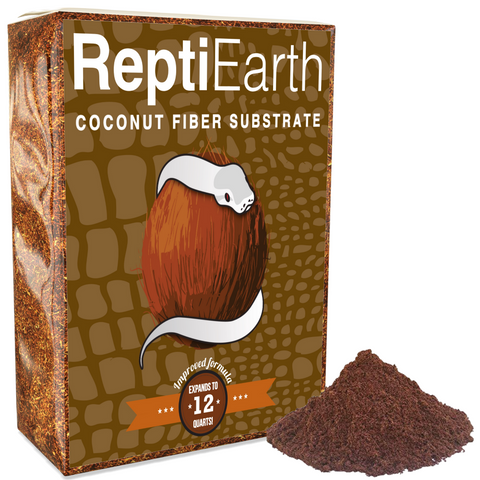
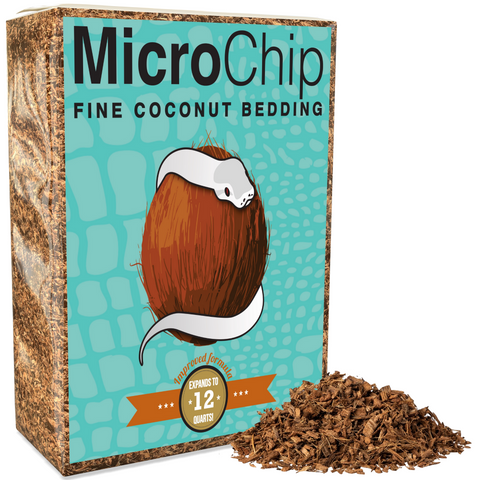
Recommended substrates for juvenile Yellow-Footed Tortoises: MicroChip Fine Coconut Chip Mix; Ready to Use and ReptiEarth Fine Coconut Fiber Mix; Ready to Use.

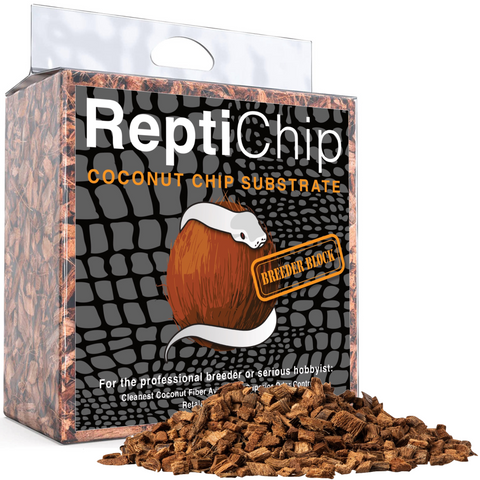
Recommended substrates for sub-adult Yellow-Footed Tortoises: ReptiChip Breeder Blocks and Bundles and ReptiEarth Fine Coconut Fiber Mix; Ready to Use.

Recommended substrates for adult Yellow-Footed Tortoises: ReptiChip Breeder Blocks and Bundles and ReptiEarth Breeder Blocks and Bundles.

Recommended enclosures for Yellow-Footed Tortoises by age. Juvenile: Vivarium 36" Sliding Door Reptile Terrariums. Sub-adult: Vivarium 48" Sliding Door Reptile Terrariums (4'x2').

Recommended lighting products for Yellow-Footed Tortoises: Arcadia 6% UVB D3 Forest Lighting.

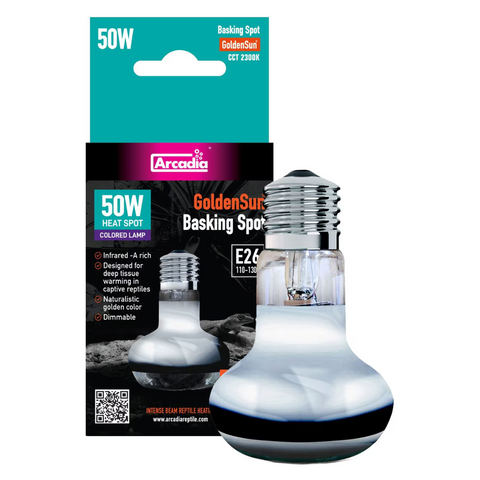
Recommended heating products for Yellow-Footed Tortoises by age. Juvenile: Arcadia GoldenSun Basking Spot Heater and Vivarium Electronics Ceramic Dome Reflector. Sub-adult: Arcadia GoldenSun Basking Spot Heater and Vivarium Electronics Ceramic Dome Reflector. Adult: Vivarium Electronics Radiant Heat Panels.

Search