Free Shipping to the Lower 48!

Free Shipping to the lower 48!

id="mega-catalog" name="no-js-main-navigation">

This section doesn’t currently include any content. Add content to this section using the sidebar.

Image caption appears here

Add your deal, information or promotional text

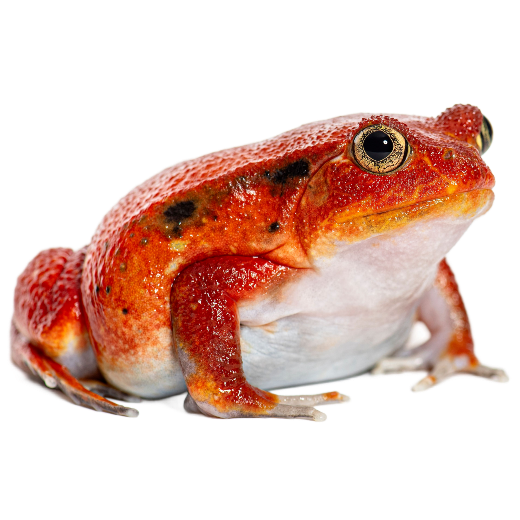
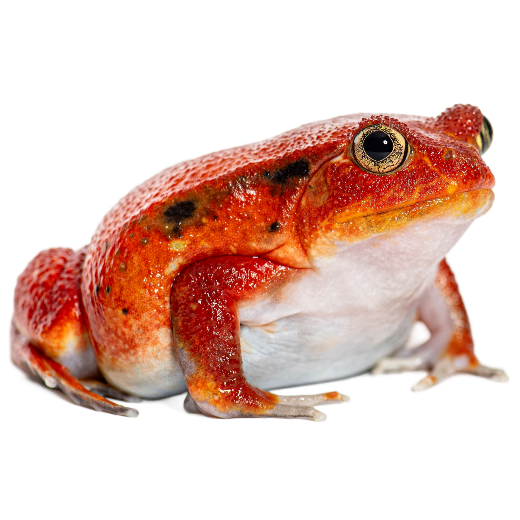
Dyscophus antongilii

Tomato Frog

Best Su...
Order

What Makes ReptiChip The BestTomato Frog Bedding

Filter by age:

Best Bundles for Adult Tomato Frogs

Best Substrates for Adult Tomato Frogs

Best Enclosures for Adult Tomato Frogs

Best Lighting Products for Adult Tomato Frogs

Best Bundles for Subadult Tomato Frogs

Best Substrates for Subadult Tomato Frogs

Best Enclosures for Subadult Tomato Frogs

Best Lighting Products for Subadult Tomato Frogs

Tomato Frogs (Dyscophus antongilii) are fascinating amphibians known for their vibrant coloration and unique adaptations. Native to northeastern Madagascar, these frogs exhibit a striking orange to red coloration, resembling ripe tomatoes, which serves as a warning to potential predators about their toxicity. This aposematic coloration, combined with their ability to inflate their bodies when threatened, deters predators by making them appear larger and more formidable. Their skin secretes a sticky, toxic substance that can cause irritation to predators, further enhancing their defense mechanism. Despite their bright coloration and toxicity, Tomato Frogs are relatively docile in nature and spend much of their time burrowing in leaf litter or hiding in dense vegetation during the day. They are primarily nocturnal hunters, using their keen senses to ambush small insects and other prey that venture too close.

In addition to their defensive strategies, Tomato Frogs exhibit interesting reproductive behaviors. During the breeding season, which typically occurs during the rainy months in Madagascar, males produce loud calls to attract females. These calls are species-specific and can be heard over considerable distances in their dense rainforest habitat. Once a female responds to a male's call, the pair engages in amplexus, where the male grasps the female from behind to fertilize her eggs externally. Females lay their eggs in shallow water or moist substrate, and the eggs hatch into aquatic tadpoles within a few days. The tadpoles undergo metamorphosis over several weeks, transforming into juvenile frogs that eventually leave the water to explore their terrestrial environment. This complex life cycle highlights Tomato Frogs' adaptation to their rainforest habitat and underscores their importance in the ecosystem as both predator and prey.

Why ReptiChip?

A yello...
INNOVATIVE PRODUCTS
MADE IN THE USA
ALL NATURAL
FREE SHIPPING
EXPERT SUPPORT
VETERAN OWNED

ReptiChip is made by tomato frog lovers, for tomato frog lovers. It’s what the pros use, and it’s what you can use, too.

Our product line includes BabiChip, RediChip, TropicalBase, MicroChip, and ReptiEarth, so you can be sure to find the perfect tomato frog bedding for your pet.

Ready to switch to the ultimate tomato frog bedding? Check out ReptiChip today.

Common Tomato Frog ReptiChip Questions

The scientific name of the Tomato Frog is Dyscophus antongilii.


The Tomato Frog is also known as Madagascar tomato frog.

Tomato Frogs are native to Northeast Madagascar.

Adult Tomato Frogs typically reach 2.5-4 inches.

Tomato Frogs live about 15 years with proper care.

Recommended temperatures for a Tomato Frog: 70-75°F cool side, 80-85°F warm side, and No basking spot.

Tomato Frogs need 60-80% humidity.

UVB lighting is recommended because it benefits Tomato Frogs. Lighting spec: UVA/UVB benefits animal.

Recommended enclosure sizes for a Tomato Frog: Baby-Young: 24”x12”x12” (<1 year+); Adult: 36”x18”x12” (pair/trio adult size). Always base adult size enclosure off of adult size. Larger enclosures encourage animals to exhibit natural behaviors.

Tomato Frogs eat: Insectivore.

Yes. Tomato Frogs are considered a beginner-level species.

Tomato Frogs are nocturnal (active at night).

Common Tomato Frog behavior traits: Look, don’t handle pet; Known for being shy/reclusive; Require live bugs to be moving for feeding; Need to be kept in groups; They will burrow during day; Females are bright red; More colorful than males.

Yes. Tomato Frogs are oviparous, meaning they lay eggs.

A Tomato Frog clutch is typically about 1000 eggs.

Tomato Frog eggs typically incubate for 36-72 hours before hatching.

Tomato Frog metamorphosis typically takes about 45 days.

Recommended substrates for juvenile Tomato Frogs: TropicalBase Terrarium Mix; Bioactive Ready to Use and ReptiEarth Fine Coconut Fiber Mix; Ready to Use.

Recommended substrates for sub-adult Tomato Frogs: ReptiEarth Fine Coconut Fiber Mix; Ready to Use and TropicalBase Terrarium Mix; Bioactive Ready to Use.

Recommended substrates for adult Tomato Frogs: ReptiEarth Fine Coconut Fiber Mix; Ready to Use and TropicalBase Terrarium Mix; Bioactive Ready to Use.

Recommended enclosures for Tomato Frogs by age. Juvenile: HabiStat 24" Glass Terrariums. Sub-adult: HabiStat 24" Glass Terrariums. Adult: Vivarium 36" Sliding Door Reptile Terrariums.

Recommended lighting products for Tomato Frogs by age. Juvenile: Arcadia 6% UVB D3 Forest Lighting. Sub-adult: Arcadia 7% UVB D3 ShadeDweller Lighting, 12". Adult: Arcadia 7% UVB D3 ShadeDweller Lighting, 12".

Yes. Recommended habitat bundles for Tomato Frogs by age. Sub-adult: Subadult Tomato Frog Bundle. Adult: Adult Tomato Frog Bundle.

Search