Natural History
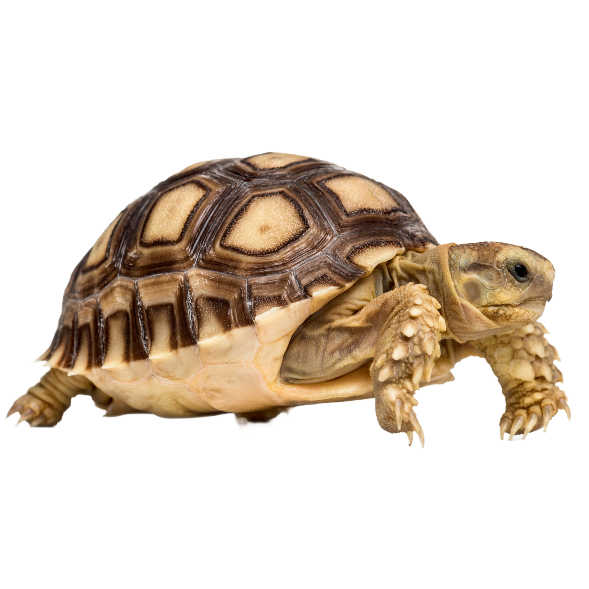
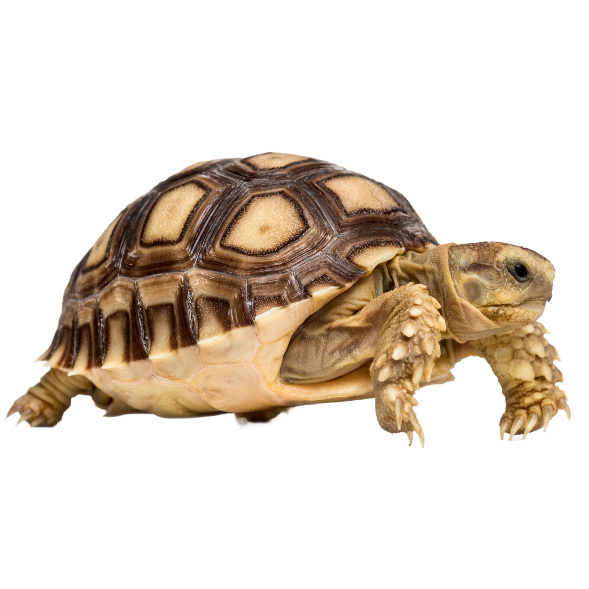
The sulcata tortoise, also known as the African spurred tortoise, is the third-largest tortoise species in the world, and the largest species native to mainland Africa. Adult sulcatas can reach an impressive size, with some individuals weighing up to 200 pounds and growing over 30 inches in length. These tortoises are well adapted to arid environments, primarily inhabiting the southern edge of the Sahara Desert in countries such as Chad, Sudan, and Ethiopia. Their tough, spurred legs, from which they derive their name, allow them to dig extensive burrows to escape the heat of the desert, sometimes as deep as 10 feet. These burrows help the tortoises stay cool during the hottest parts of the day and allow them access to more humid conditions underground. They are long-lived reptiles, frequently surviving 50 to 70 years, and in some cases considerably longer with proper care.
Ecologically, the sulcata tortoise plays a significant role as a large-bodied grazer within its native range. By feeding heavily on grasses and other low-growing plants, it helps influence plant community structure and nutrient cycling. Its grazing can reduce excessive vegetation growth, which may in turn affect fire patterns in some habitats. The species also contributes to soil dynamics through its extensive burrowing activity. Abandoned burrows often serve as shelter for other animals, including small mammals, reptiles, and invertebrates, effectively increasing local biodiversity. As both prey and consumer, the Sulcata occupies a middle tier in the food web. Eggs and hatchlings are vulnerable to a variety of predators, while large adults have few natural enemies due to their size and formidable shells. Adaptations such as highly efficient water retention, the ability to withstand prolonged dry periods, and a digestive system specialized for extracting nutrients from coarse, fibrous plants enable this tortoise to thrive in harsh, drought-prone environments. Understanding these natural behaviors and ecological functions is essential for keepers, as successful long-term care depends on replicating the environmental pressures and opportunities that have shaped the species over millennia.
Conservation Status
The sulcata tortoise is classified as "Endangered" on the IUCN Red List, based on the most recent assessment conducted in 2020. This designation indicates that the species faces a high risk of endangerment in the wild. The classification is a signal of concern, reflecting significant threats that could lead to its population decline if conservation measures are not effectively implemented. The population trend is labeled as "Decreasing," indicating that, over time, the number of individuals in their natural habitat has been falling.
The “Endangered” status highlights several key factors affecting this tortoise's existence. Primarily, it suggests that their geographic distribution is becoming increasingly restricted, and their once robust populations are experiencing stress and fragmentation. The main threats include habitat destruction due to agricultural expansion and urbanization, which significantly reduce the arid and semi-arid landscapes they inhabit. Climate change also plays a critical role by altering their ecological niches, leading to habitat loss and degradation. Additionally, the illegal wildlife trade poses a severe threat. These tortoises are often captured for the pet trade, despite protective measures, which diminishes their numbers in the wild and disrupts local breeding populations.
Conservation efforts aimed at protecting the sulcata tortoise are multi-faceted. Wildlife reserves play an essential role by providing sanctuary and protecting critical habitats from further encroachment. These reserves also facilitate habitat restoration projects, ensuring that tortoises continue to have access to appropriate foraging areas and nesting sites. Furthermore, international and local laws have been implemented to regulate and curb the illegal trade of these tortoises. These laws are crucial in reducing illegal poaching and encouraging sustainable practices among local communities.
Breeding programs are another critical component of these conservation efforts. Zoos and specialist reptile facilities worldwide have established programs to breed these tortoises, which contributes to preserving genetic diversity. Some successful reintroduction initiatives have been developed, where individuals bred are carefully released back into their natural habitats, bolstering wild populations. These initiatives require meticulous planning and collaboration with local authorities to ensure that reintroduced tortoises have the best chance of surviving and thriving in the wild.
Overall, while the sulcata tortoise faces numerous threats, concerted conservation strategies offer hope. By addressing primary threats and enhancing protective measures, conservationists aim to stabilize and ultimately increase the species' population, ensuring that the sulcata tortoise remains a vital part of its ecosystem for future generations.
Native Range
The sulcata tortoise is native to the southern edge of the Sahara Desert in north-central Africa. Its range stretches broadly across several countries, including Senegal and Mauritania in the west, through Mali, Burkina Faso, Niger, and Chad, and into Sudan and parts of Ethiopia and Eritrea in the east. Although this distribution spans a wide portion of the Sahel region, populations are often scattered and localized due to habitat fragmentation, human encroachment, and natural barriers. The species is considered native to a broad but environmentally specific belt of semi-arid land just south of the true Sahara Desert.
At the macrohabitat level, sulcata tortoises inhabit arid and semi-arid grasslands, savannas, thorn scrublands, and transitional desert-steppe ecosystems. These landscapes are characterized by open terrain with scattered shrubs, hardy grasses, and sparse tree cover such as acacias. The environment is generally dry, with long annual drought periods and short, intense rainy seasons. Unlike tropical rainforest reptiles, this species is not associated with dense forests or humid jungle habitats. Instead, it thrives in regions defined by high sun exposure, low annual rainfall, and significant daily temperature fluctuations.
Within these broad ecosystems, sulcata tortoises rely heavily on specific microhabitats that buffer them from extreme environmental conditions. The most critical of these is the burrow. This species is an accomplished digger and constructs deep burrows that may extend 3 feet or more underground and reach lengths of 6 to 10 feet horizontally. These burrows provide insulation from extreme daytime heat that regularly exceeds 100℉ and from cooler nighttime temperatures that may drop below 60℉ in some areas. Inside the burrow, temperature and humidity remain more stable, protecting the tortoise from dehydration and thermal stress. In addition to self-dug burrows, they may shelter beneath dense shrubs or in natural depressions in the terrain.
The climate across the sulcata tortoise’s native range is defined by a pronounced dry season and a shorter wet season. Annual rainfall typically ranges from approximately 4 to 20 inches, falling mostly during a brief summer monsoon period. During the rainy season, vegetation flourishes temporarily, providing a seasonal abundance of grasses and herbaceous plants that support feeding and growth. In contrast, the extended dry season brings sparse forage availability, low humidity, and dusty, hardened soils. Relative humidity levels are generally low for most of the year, often ranging between 20% and 40% outside of the rainy months. Seasonal changes strongly influence behavior; tortoises are more active during and immediately after rains and may reduce activity or aestivate during extreme heat or prolonged drought.
Sulcata tortoises are primarily found in lowland to moderate-elevation environments rather than mountainous regions. Most populations occur in areas below approximately 3,000 feet above sea level. Within this elevation range, the terrain typically consists of compacted sandy soils, loose sandy-loam mixtures, or firm, diggable substrates that allow for burrow construction. Extremely rocky or heavily forested terrain is generally avoided because it limits digging opportunities and reduces access to open basking sites.
Several environmental factors are essential for the species’ survival. Foremost among these is access to well-draining soil suitable for burrowing. Without the ability to retreat underground, individuals would be unable to survive the intense daytime heat of their native climate. Sparse but reliable seasonal vegetation is also critical, particularly drought-resistant grasses and broadleaf weeds. Although they inhabit arid regions, sulcata tortoises often take advantage of temporary water sources during the rainy season and will drink opportunistically from puddles or moist depressions. However, they are physiologically adapted to conserve water and obtain much of their hydration from plant matter.
Open sun exposure is another defining environmental feature. These tortoises depend on full sunlight for thermoregulation, basking during cooler morning hours to raise body temperature to optimal levels for digestion and activity. The combination of intense sun, dry air, seasonal rainfall, and burrow-accessible soil defines the ecological niche of the sulcata tortoise and shapes every aspect of its natural behavior and life history.
Behavior
The sulcata tortoise is a predominantly diurnal species, exhibiting peak activity during daylight hours. In its native range across the southern edge of the Sahara Desert and the Sahel region of Africa, it is most active during the cooler parts of the day, especially early morning and late afternoon. Midday activity decreases significantly when ground temperatures become excessive, often exceeding 100℉. During extreme heat, individuals retreat into self-dug burrows that may extend several feet underground, where temperatures remain considerably cooler and more stable. Seasonal shifts strongly influence activity patterns. During the dry season, activity may be reduced and centered around foraging for sparse vegetation. In the more humid rainy season, feeding and breeding activity increase substantially. While this species does not undergo true brumation, tortoises in cooler climates may become lethargic or enter a state of dormancy if exposed to prolonged temperatures below 65℉.
Sulcata tortoises are primarily solitary animals. In the wild, adults maintain loosely defined home ranges rather than strict territories, although males frequently exhibit territorial behavior during the breeding season. Adult males are notably more aggressive than females and will engage in ramming contests. These interactions involve forceful charging and attempts to overturn rival males using the pronounced gular scutes at the front of the plastron. Dominance is established through persistence and physical strength rather than ritualized display alone. Females generally avoid conflict and overlap more freely in range. Courtship involves the male circling and ramming the female before mounting. Vocalizations, including low grunts and hisses, are common during mating. This species provides no parental care. After laying eggs in carefully excavated nests, the female covers the clutch and abandons it. Hatchlings emerge fully independent and are vulnerable to predation.
Environmental stimuli strongly dictate behavior. sulcata tortoises are highly responsive to temperature gradients and rely on behavioral thermoregulation. They bask in direct sunlight during cooler mornings to raise their core body temperature, often orienting their shell to maximize solar absorption. As temperatures climb, they seek shade or retreat into burrows. Their burrows serve not only as thermal refuges but also as protection from dehydration and predators. Humidity levels affect respiratory and hydration status; prolonged dry conditions increase burrow use and reduce surface activity.
Vision and olfaction play principal roles in detecting food and environmental cues. These tortoises possess well-developed color vision and are attracted to green vegetation. Olfactory cues assist in food recognition and social interactions. While their hearing is limited compared to mammals, they can detect low-frequency vibrations, which may alert them to large approaching animals. When threatened, juveniles retract fully into their shells and remain motionless. Adults, due to their size, rely more on intimidation and armor than concealment. They may hiss loudly by forcefully expelling air when startled. Unlike many smaller tortoise species, they rarely rely on speed or camouflage to escape danger.
One of the most distinctive behavioral traits of the sulcata tortoise is its extensive burrowing ability. It is among the most proficient diggers of all tortoise species, using its powerful forelimbs to construct burrows that can extend three feet or more underground and span several feet in length. These structures buffer dramatic desert temperature swings and serve as overnight shelters. The instinct to dig persists strongly and can lead to escape attempts under fencing or structural damage if enclosures are not properly reinforced. Another notable trait is their persistent and often forceful investigative behavior. Individuals will push, ram, and climb obstacles within their environment, demonstrating both physical strength and exploratory drive.
Compared to their wild counterparts, sulcata tortoises under human care often display differences in spatial behavior and resource-driven aggression. In the wild, dispersed food sources reduce direct competition. Concentrated feeding areas can increase dominance behaviors, particularly among males. Males may become excessively aggressive if housed together, especially in confined spaces. Enrichment that encourages natural foraging behaviors, such as scattering food, providing varied terrain, and allowing safe digging opportunities, reduces stress and stereotypic pacing.
Feeding behavior is generally less selective due to consistent food availability. In the wild, individuals travel considerable distances to graze on fibrous grasses and seasonal plants. This continuous low-calorie grazing shapes their metabolism and activity patterns. Tortoises deprived of adequate space may exhibit decreased roaming behavior but increased boundary testing, including persistent pacing along enclosure walls. Such behavior suggests an instinctual drive for range exploration.
Stress responses often manifest as withdrawal, reduced feeding, repeated attempts to escape, or excessive aggression toward enclosure mates. Proper environmental structuring, ample space, visual barriers, multiple basking and grazing zones, and substrate suitable for digging, helps align behavior more closely with natural patterns. When housed singly, which is generally recommended for adult males, sulcata tortoises tend to become calm and highly food-motivated, often recognizing routine and showing anticipatory behavior when caretakers approach.
Husbandry Requirements
Enclosure Design
Sulcata tortoises are the third largest mainland tortoise species and require substantial space throughout their lives. Planning for their rapid growth and eventual adult size is essential before acquiring one. Hatchlings and small juveniles can be housed in an indoor enclosure measuring at least 4 feet long by 2 feet wide, though 6 feet by 3 feet is strongly recommended to allow for proper thermoregulation and exercise. Enclosure walls should be opaque to reduce stress caused by visual stimuli outside the enclosure, as transparent walls can lead to constant pacing and nose rubbing.
As juveniles grow past 8 inches in shell length, their enclosure must be upgraded significantly. Subadults require no less than 8 feet by 4 feet of usable floor space, and this should be considered a temporary solution. Adult sulcata tortoises require large outdoor enclosures in most climates. A single adult needs a securely fenced yard space measuring at least 20 feet by 20 feet, though larger areas exceeding 400 square feet are strongly encouraged. This species is highly active, grazes continuously, and naturally travels long distances in the wild. Confinement to small quarters often results in obesity, muscle atrophy, and behavioral stress.
Outdoor enclosures must use sturdy materials such as wood, concrete block, or reinforced fencing panels. Fencing should extend at least 18 to 24 inches below ground because Sulcatas are powerful diggers that construct deep burrows. Above-ground fencing should be at least 24 inches high for juveniles and 36 inches or higher for adults. All corners should be reinforced to prevent pushing and leverage attempts. Chain-link fencing alone is inadequate unless lined with a solid visual barrier to prevent pacing behavior.
Indoor enclosures should be constructed of sealed plywood, PVC board, or commercially manufactured reptile enclosures capable of retaining heat while providing ventilation. Open-top tortoise tables are acceptable for juveniles if room temperatures are stable, but closed-top enclosures are preferable for maintaining humidity and heat for hatchlings. Proper ventilation should allow for fresh air exchange without creating drafts.
The interior layout must replicate the open, arid grassland habitat this species inhabits. Provide multiple hide boxes, including a warm hide positioned in the heated end and a cooler hide at the opposite side. Hides should be large enough for the tortoise to fully enter and turn around comfortably. A basking area must be positioned beneath the primary heat source and provide ample space for the animal to warm its entire body. Flat stones or packed soil surfaces beneath basking spots help retain heat and support natural posture. Outdoor enclosures should include shaded areas and access to a dry, insulated night shelter to protect against cold or damp conditions. Security measures must include predator-proof lids for juvenile enclosures and locking gates for outdoor habitats.
Substrate and Enrichment
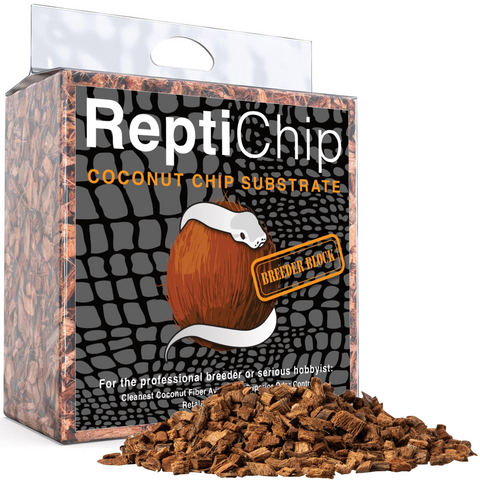
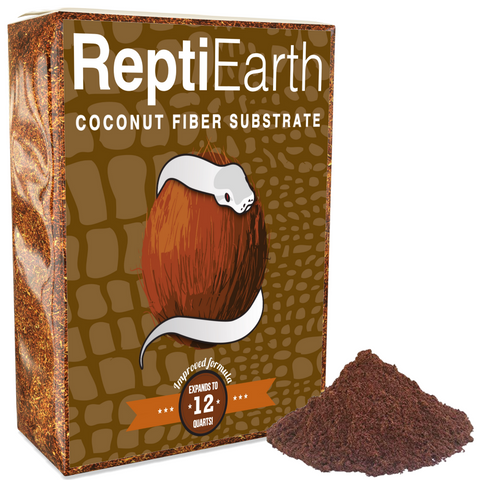
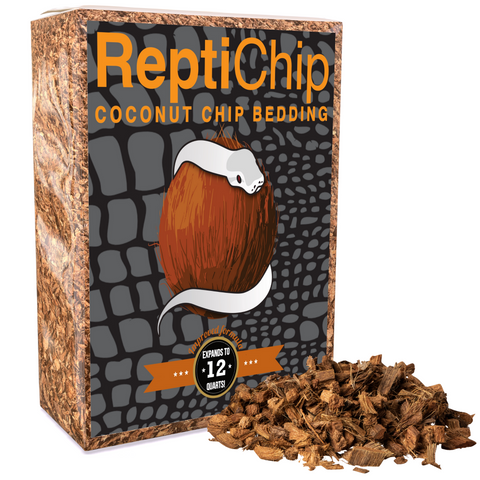
Substrate selection plays a significant role in shell development and hydration status, especially for hatchlings. A moisture-retentive yet well-draining substrate is ideal for young tortoises to promote smooth shell growth and reduce pyramiding. A mixture of ReptiEarth and ReptiChip coconut chip substrate works well, providing structure while holding moderate humidity and improving burrowing consistency. Substrate depth should be at least three to four inches for juveniles to allow light digging behavior.
For larger juveniles and adults kept outdoors, natural soil and grass are preferred. Avoid sandy substrates, walnut shells, or fine particulate materials that increase impaction risk. Reptile carpet should never be used, as it inhibits natural digging behavior and harbors bacteria. Indoor substrates must be spot-cleaned daily and fully replaced on a regular schedule to maintain hygiene.
Enrichment for sulcata tortoises centers on encouraging natural grazing and exploratory behavior. Outdoor enclosures should include pesticide-free grasses such as Bermuda or orchard grass to allow continuous foraging. Placement of edible weeds like dandelion or plantain promotes activity. Slight changes in terrain, including gentle slopes and packed soil mounds, encourage muscle development.
Juvenile enclosures should include visual barriers, low logs, and flat rocks to stimulate exploration. Rearranging enclosure furnishings periodically prevents habituation and boredom. Offering food in multiple locations encourages movement rather than stationary feeding. Safe, sturdy objects can be provided for pushing behaviors, which are natural in this species.
Enrichment can come in many forms and is for the stimulation of your animal. The five types of enrichment you can offer are food related, sensory, physical habitat, cognitive, and social. These categories have a vast variety of options to choose from that are appropriate for the species being enriched.
Reproduction
Sulcata tortoises reach sexual maturity based more on size and overall growth rate than strictly on age. In well-raised animals, males typically become reproductively active when they reach approximately 12 to 14 inches in straight carapace length and weigh several dozen pounds, though full physical maturity may not occur until they are larger. Females generally require a larger body size, often at least 14 to 16 inches in shell length, to safely sustain reproductive cycling. Sexual dimorphism is pronounced. Males have longer, thicker tails with a more elongated and tapered tip, pronounced gular scutes that project forward from the plastron, and a concave plastron that facilitates mounting. Females have shorter, blunt tails, flatter plastrons, and a more rounded shell profile. During the breeding season, males become highly territorial and exhibit increased roaming, head bobbing, ramming, and aggressive interactions with rival males.
Courtship behavior is direct and often forceful. A male will approach a female while emitting guttural vocalizations and persistent head movements. He may circle her, nudge her hind legs, and attempt repeated mounting. Biting at the female’s forelegs or shell margin is common as he attempts to position her. The female may resist by walking away, withdrawing into her shell, or attempting to wedge herself against enclosure barriers to prevent mounting. Successful copulation requires firm footing and adequate space, as mating can be physically vigorous. Mate selection appears influenced by size and health; robust, well-conditioned individuals are more likely to engage successfully. Observations suggest that females may show preference by tolerating specific males, though choice is limited in small settings.
Environmental cues are critical in stimulating reproductive cycling. In their native range, breeding follows seasonal rainfall patterns and associated fluctuations in food availability. A period of slightly reduced irrigation and marginally cooler nighttime temperatures during a simulated dry season, followed by a gradual increase in ambient humidity and the introduction of fresh, lush forage, can stimulate reproductive behavior. Daytime temperatures in the primary enclosure should consistently range between 85℉ and 95℉ with a basking area of 100℉ to 105℉. Nighttime temperatures may drop to 70℉ to 75℉ but should not fall lower for extended periods. Photoperiod adjustments can assist in cycling; gradually increasing daylight exposure to 12 to 14 hours per day after a shorter daylight period may help trigger hormonally driven behaviors. Stable barometric conditions and access to outdoor sunlight, when weather permits, often enhance reproductive success.
Sulcata tortoises are oviparous and require no complex courtship enclosures beyond adequate space and environmental stability. However, breeding groups must be carefully structured. A single male housed with multiple females often yields better outcomes than pairing two males with one female, as male-to-male aggression can be intense and result in serious injury. Enclosures should provide several hundred square feet per animal, with visual barriers and multiple retreat zones to minimize chronic stress. Females require access to areas with well-draining, diggable substrate at least 12 to 18 inches deep to support natural nesting behaviors later in the reproductive cycle. Even before egg deposition, access to appropriate substrate plays a role in reducing stress and supporting normal reproductive physiology.
Breeding challenges frequently stem from spatial restriction, improper environmental cycling, or nutritional imbalance. Obesity in females can impair follicular development, while calcium or vitamin deficiencies may disrupt normal reproductive function. Chronic stress from overhandling, overcrowding, or persistent male harassment can suppress ovulation or result in repeated unsuccessful mating attempts. Incompatibility between individuals may present as relentless aggression or complete avoidance. To mitigate these issues, males and females can be housed separately outside of the active breeding season, with introductions occurring only after environmental cues have been adjusted. Careful weight management through high-fiber, grass-based diets and regular outdoor exercise is essential. Close observation during introductions allows keepers to intervene if aggression exceeds normal courtship intensity. By replicating seasonal patterns, maintaining ample space, and ensuring optimal nutrition, breeding of this species can be consistently achieved with healthy adult animals.
Incubation & Neonate Care
Sexual maturity is typically reached between 10 and 15 years of age, depending on diet, growth rate, and overall husbandry. Breeding activity is most common during warmer months, when environmental temperatures and extended daylight stimulate reproductive behaviors. Males often become territorial and may ram or attempt to flip females during courtship. After successful copulation, females develop shelled eggs internally and begin seeking appropriate nesting sites.
Gravid females display restlessness, reduced appetite, and repeated exploratory digging before oviposition. It is critical to provide a deep nesting area with at least 12 to 18 inches of slightly moist, well-draining soil or a sand-soil mix. The substrate should be firm enough to hold a burrow without collapsing but loose enough for excavation. Nest excavation may take several hours. The female typically deposits between 15 and 30 eggs per clutch, although large, mature females can produce even more. Multiple clutches may be laid in a single breeding season, spaced several weeks apart.
Once laid, the eggs should be carefully removed for artificial incubation unless the climate reliably replicates their natural nesting conditions. Eggs must be handled gently and kept in the exact orientation in which they were found to prevent embryo detachment. A pencil mark on the upper surface immediately after removal helps maintain correct orientation. The optimal incubation temperature range is between 86℉ and 90℉. Consistency is critical, as temperature fluctuations can negatively impact development. Relative humidity inside the incubation container should remain around 70% to 80%. A common and effective substrate for incubation is slightly moistened vermiculite or perlite, mixed at a ratio that maintains high humidity without free-standing water. The medium should feel damp but not wet when squeezed.
The typical incubation period ranges from 90 to 120 days, depending largely on temperature. Warmer incubation, within the safe range, often results in shorter incubation times, while slightly cooler conditions prolong development. This species exhibits temperature-dependent sex determination. Generally, higher incubation temperatures tend to produce more females, while lower temperatures favor males. Maintaining stable temperatures is therefore critical not only for viable hatch rates but also for influencing sex ratios in breeding programs. Excessively high temperatures above 93℉ can cause deformities or embryonic death.
As hatching approaches, the eggs may slightly dent or collapse as internal moisture is absorbed by the developing hatchling. The neonate uses a specialized egg tooth to slit the shell, a process known as pipping. Hatchlings may remain partially inside the egg for 24 to 48 hours while they absorb the remainder of the yolk sac. It is important not to assist the hatching process unless there is clear evidence of distress, such as foul odor or visible mold compromising the egg. Premature intervention can cause fatal bleeding or improper yolk absorption. Once fully emerged, hatchlings typically weigh between one and one and a half ounces and measure approximately one and a half to two inches in carapace length.
The yolk sac should be fully absorbed before hatchlings are moved to their rearing enclosure. Any residual yolk must remain clean and intact; exposure to dirty substrate can lead to infection. If a small yolk remnant is present, placing the hatchling on slightly damp, sterile paper towels until absorption is complete reduces risk. After full absorption, neonates should be housed separately from adults. Adult sulcata tortoises may inadvertently injure small hatchlings through trampling or competitive feeding.
The neonate enclosure should prioritize hydration and controlled environmental conditions. A secure indoor enclosure measuring at least 3 feet by 2 feet for a small group is appropriate initially. As they grow rapidly, more space must be provided. Substrates should be moisture-retentive yet clean, such as a mix of organic topsoil and coconut coir, maintained slightly damp beneath the surface. Hatchlings are prone to dehydration and pyramiding if humidity is inadequate. Ambient enclosure temperatures should range from 80℉ to 85℉, with a basking area of 95℉ to 100℉. Nighttime temperatures should not drop below 75℉. Relative humidity should remain between 70% and 80% for the first year of life to promote smooth shell growth and proper hydration.
Proper UVB exposure is essential from the first days of life to ensure adequate calcium metabolism and skeletal development. High-output UVB lighting designed for desert reptiles should be positioned at the manufacturer’s recommended distance and replaced according to schedule, as UVB output diminishes over time even if visible light remains.
Neonates typically begin feeding within several days of hatching, after yolk absorption. Their first meals should consist of finely chopped, high-fiber grasses and weeds such as dandelion greens, plantain, and pesticide-free lawn grasses. Commercial grass-based tortoise diets soaked to a soft consistency may also be offered. Food should be provided daily. Protein-rich foods, fruits, or high-sugar vegetables should be strictly avoided, as they can cause rapid, unhealthy growth and digestive imbalance. A light dusting of calcium carbonate without added phosphorus may be provided several times per week.
Hydration is critical during early development. Hatchlings should be soaked in shallow, lukewarm water for 15 to 20 minutes at least four to five times per week, and daily during the first few months is ideal. Water depth should reach just below the chin, allowing safe drinking without risk of drowning. Fresh drinking water must also be available in a shallow dish at all times.
Common health concerns in neonates include dehydration, retained yolk infections, pyramiding due to improper humidity, metabolic bone disease from inadequate calcium or UVB exposure, and failure to thrive caused by low temperatures. Close monitoring of weight gain, shell firmness, and activity levels is essential. Any signs of lethargy, soft shelling, swollen eyes, or nasal discharge require prompt veterinary evaluation.
Handling of neonates should be minimal and gentle. While brief interaction for health checks is acceptable, excessive handling can cause stress and dehydration. With correct environmental management, sulcata tortoise hatchlings grow rapidly and steadily, establishing the foundation for a long-lived and resilient adult.
Conclusion
The comprehensive care sheet provided on the sulcata tortoise offers an in-depth understanding of the intricate needs and behaviors of this remarkable reptile species. From the early life stages marked by rapid growth and shell development to the extensive behavioral adaptations such as burrowing and territoriality, the sulcata tortoise showcases an array of natural traits that must be mirrored under human care to promote health and longevity. The detailed enclosure design highlights the importance of providing ample space for exercise and emulating a natural habitat to mitigate stress and encourage natural behaviors.
By addressing specific needs in lighting, heating, and humidity, this care guide ensures that critical physiological processes such as thermoregulation and calcium metabolism are supported effectively. The importance of a high-fiber, grass-based diet closely aligns with the tortoise’s natural feeding habits, emphasizing the need for proper nutrition to prevent common health issues. The consideration of breeding and reproductive behaviors underscores the challenges in maintaining genetic diversity and achieving successful breeding outcomes, while the detailed guidance on neonate care reflects the sensitivity required for early development stages.
Threats to wild populations, as indicated by the sulcata tortoise's Vulnerable status on the IUCN Red List, highlight the essential role that breeding and conservation efforts play in sustaining this species. By integrating conservation strategies with informed care, we can contribute to the preservation of the sulcata tortoise and its ecological role in its native range. The harmonization of environmental stimuli, diet, and habitat management fosters an enriched quality of life for these tortoises, paving the way for continued survival and promoting awareness of conservation needs among reptile enthusiasts and the broader community.