Free Shipping to the Lower 48!

Free Shipping to the lower 48!

id="mega-catalog" name="no-js-main-navigation">

This section doesn’t currently include any content. Add content to this section using the sidebar.

Image caption appears here

Add your deal, information or promotional text

Cyclura cornuta

Rhinoceros Iguana

Best Su...
Order

What Makes ReptiChip The BestRhino Iguana Bedding

Best Substrates for Juvenile Rhino Iguanas

Best Enclosures for Juvenile Rhino Iguanas

Best Lighting Products for Juvenile Rhino Iguanas

Best Heating Products for Juvenile Rhino Iguanas

The Rhinoceros Iguana (Cyclura cornuta) is a fascinating species known for its distinctive horn-like structures on the snout, which give it an impressive appearance reminiscent of a rhinoceros. This large lizard can reach lengths of up to 54 inches (136 centimeters) and typically displays a color palette that ranges from steely gray to dark green or brown. Found predominantly on the island of Hispaniola and surrounding areas, the Rhinoceros Iguana thrives in arid habitats, favoring rocky terrains and scrub woodlands. Their adaptability is remarkable; as human activity and invasive species have encroached upon their natural coastal habitats, these iguanas have been known to migrate inland, demonstrating phenotypic plasticity to survive in different environments.

In addition to their impressive size and unique morphology, Rhinoceros Iguanas play a crucial ecological role as seed dispersers within their habitats. Their diet is primarily herbivorous, consisting of leaves, flowers, and fruits, but they are also opportunistic feeders and have been observed consuming small animals, insects, and carrion. This diverse diet contributes to their importance in maintaining the balance of their ecosystem. Interestingly, both male and female Rhinoceros Iguanas exhibit less sexual dimorphism than many other lizard species; both sexes possess well-developed dewlaps and horns, which they use in social interactions and competition, particularly among females competing for nesting sites. Their docile nature makes them popular in captivity, but they face numerous threats in the wild, including habitat loss and predation from invasive species, emphasizing the need for continued conservation efforts to ensure their survival.

Why ReptiChip?

A yello...
INNOVATIVE PRODUCTS
MADE IN THE USA
ALL NATURAL
FREE SHIPPING
EXPERT SUPPORT
VETERAN OWNED

ReptiChip is made by rhino iguana lovers, for rhino iguana lovers. It’s what the pros use, and it’s what you can use, too.

Our product line includes BabiChip, RediChip, TropicalBase, MicroChip, and ReptiEarth, so you can be sure to find the perfect rhino iguana bedding for your pet.

Ready to switch to the ultimate rhino iguana bedding? Check out ReptiChip today.

Common Rhino Iguana ReptiChip Questions

The scientific name of the Rhino Iguana is Cyclura cornuta.


Rhino Iguanas are native to Hispaniola:, Hati, and Dominican Republic.

Adult Rhino Iguanas typically reach about 4.5+ ft.

Rhino Iguanas live about 40-60 years with proper care.

Recommended temperatures for a Rhino Iguana: 70-80°F cool side, 85-90°F warm side, and 115-120°F basking spot.

Rhino Iguanas need 60-80% humidity.

Yes. Recommended lighting for Rhino Iguanas: UVA/UVB required.

Recommended enclosure sizes for a Rhino Iguana: Baby-Young: 36”x18”x36” (<6 months+), 48”x24”x48”; Sub Adult-Adult: 72”x48”x72” (sub-adult), 96”x48”x96” (single adult). Always go as big as possible for Cyclura species. Minimum of 12’x12’x8’ would be great for a bonded pair.

Rhino Iguanas eat: Primarily Herbivorous; Small amounts of animal protein.

Rhino Iguanas are not usually recommended for beginners; they are rated Advanced for keeper experience.

Rhino Iguanas are diurnal (active during the day).

Common Rhino Iguana behavior traits: Food motivated; Hand feeding helps bond; Very curious; Can be skittish when young; Calm down with consistent and confident handling; Even though they are shoreline animals, they will still climb trees; Younger iguanas are actively arboreal; Social with their own kind; Communal (when proper space can be provided).

Yes. Rhino Iguanas are oviparous, meaning they lay eggs.

A Rhino Iguana clutch is typically about 2-34 eggs.

Rhino Iguana eggs typically incubate for about 90-120 days before hatching.

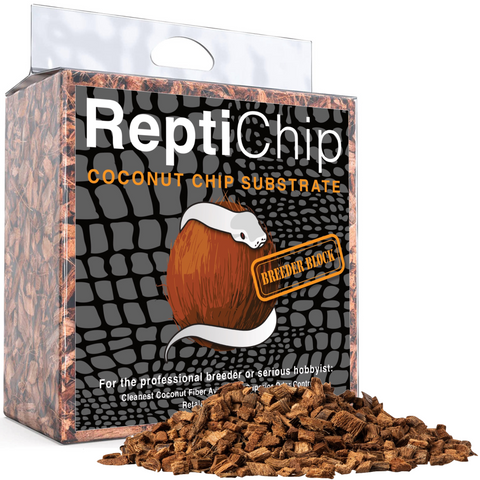
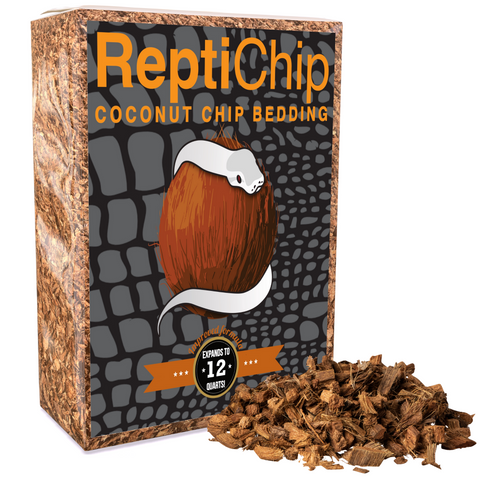
Recommended substrates for juvenile Rhino Iguanas: ReptiChip Breeder Blocks and Bundles and ReptiChip Coarse Coconut Chip Mix; Ready to Use.

Recommended substrates for adult Rhino Iguanas: ReptiChip Breeder Blocks and Bundles and ReptiEarth Breeder Blocks and Bundles.

Recommended enclosures for Rhino Iguanas: Vivarium 48" Sliding Door Reptile Terrariums (4'x2').

Recommended lighting products for Rhino Iguanas: Arcadia 12% UVB D3 Desert Lighting.

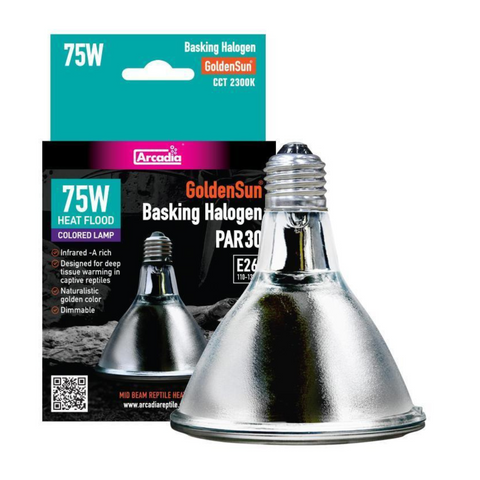
Recommended heating products for Rhino Iguanas by age. Juvenile: Arcadia GoldenSun Basking Halogen Heater and Vivarium Electronics Ceramic Dome Reflector. Adult: Arcadia GoldenSun Basking Halogen Heater.

Search