Free Shipping to the Lower 48!

Free Shipping to the lower 48!

id="mega-catalog" name="no-js-main-navigation">

This section doesn’t currently include any content. Add content to this section using the sidebar.

Image caption appears here

Add your deal, information or promotional text

Pterinochilus murinus

Orange Baboon Tarantula

Best su...
Order

What Makes ReptiChip The BestOrange Baboon Tarantula Bedding

Filter by age:

Best Substrates for Adult Orange Baboon Tarantulas

Best Enclosures for Adult Orange Baboon Tarantulas

Best Substrates for Subadult Orange Baboon Tarantulas

Best Enclosures for Subadult Orange Baboon Tarantulas

The Orange Baboon Tarantula, Pterinochilus murinus, is a striking and fascinating species known for several noteworthy characteristics. First, its vivid orange coloration, particularly in younger individuals and males, makes it visually striking among tarantula species. As they mature, males typically develop a more subdued orange-brown hue, while females retain a deeper orange coloration. This tarantula species is also notable for its defensive behavior; when threatened, it may adopt a defensive posture, lifting its front legs and displaying its fangs as a warning. Additionally, Pterinochilus murinus lacks urticating hairs, relying instead on its agility and potent venom for defense against predators and threats.

Secondly, Pterinochilus murinus is renowned for its unique feeding habits and hunting techniques. It is an ambush predator, waiting patiently at the entrance of its burrow or on the ground near its retreat for passing prey. Once detected, the tarantula swiftly captures its prey using its sharp fangs and venom, which immobilizes and begins to digest the prey. This species is known to consume a variety of small invertebrates and occasionally small vertebrates that venture near its burrow. Their feeding behavior and ability to thrive in semi-arid environments highlight their adaptability and ecological role as predators, contributing to the balance of prey populations in their native African habitats.

Why ReptiChip?

A yello...
INNOVATIVE PRODUCTS
MADE IN THE USA
ALL NATURAL
FREE SHIPPING
EXPERT SUPPORT
VETERAN OWNED

ReptiChip is made by orange baboon tarantula  lovers, for orange baboon tarantula  lovers. It’s what the pros use, and it’s what you can use, too.

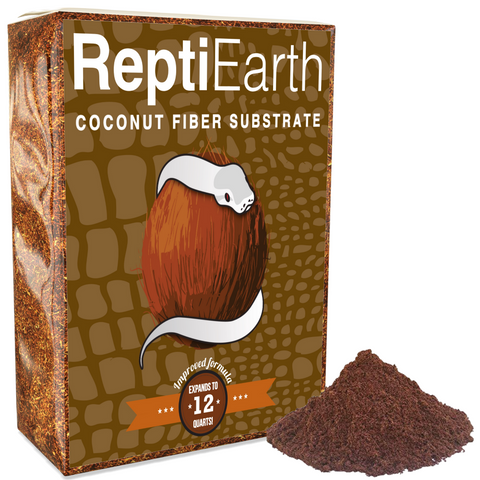
Our product line includes BabiChip, RediChip, TropicalBase, MicroChip, and ReptiEarth, so you can be sure to find the perfect orange baboon tarantula  bedding for your pet.

Ready to switch to the ultimate orange baboon tarantula  bedding? Check out ReptiChip today.

Common Orange Baboon Tarantula ReptiChip Questions

The scientific name of the Orange Baboon Tarantula is Pterinochilus murinus.


The Orange Baboon Tarantula is also known as Mombasa golden starburst tarantula.

Orange Baboon Tarantulas are native to Africa (Sub–Saharan), Angola, Kenya, Tanzania, and Uganda.

Adult Orange Baboon Tarantulas typically reach 4-6 inches.

Orange Baboon Tarantula lifespan: Females: 10-15 years Males: 3-4 years.

Recommended temperatures for an Orange Baboon Tarantula: 70-75°F cool side, 80-85°F warm side, and No basking spot.

Orange Baboon Tarantulas need 60-70% humidity.

UVB lighting is recommended because it benefits Orange Baboon Tarantulas. Lighting spec: UVA/UVB benefits animal.

Recommended enclosure sizes for an Orange Baboon Tarantula: Adult; 18”x18”x18”. Always base adult size enclosure off of adult size and activity level.

Orange Baboon Tarantulas eat: Carnivores; Insects; Invertebrates.

Orange Baboon Tarantulas are not usually recommended for beginners; they are rated Intermediate/Advanced for keeper experience.

Orange Baboon Tarantulas are nocturnal (active at night).

Common Orange Baboon Tarantula behavior traits: Old World; Fossorial; Very defensive; Known for their aggressive behavior; Quick moving; Skilled burrowers; Create an underground tunnel; Reinforces burrows with web; Not medically significant venom; Bites can cause discomfort and pain; Solitary.

Yes. Orange Baboon Tarantulas are oviparous, meaning they lay eggs.

An Orange Baboon Tarantula clutch is typically about 50-200 eggs.

Recommended substrates for juvenile Orange Baboon Tarantulas: ReptiEarth Fine Coconut Fiber Mix; Ready to Use.

Recommended substrates for sub-adult Orange Baboon Tarantulas: ReptiEarth Fine Coconut Fiber Mix; Ready to Use.

Recommended substrates for adult Orange Baboon Tarantulas: ReptiEarth Fine Coconut Fiber Mix; Ready to Use.

Recommended enclosures for Orange Baboon Tarantulas by age. Sub-adult: HabiStat 12" Glass Terrariums. Adult: HabiStat 18" Glass Terrariums.

Search