Free Shipping to the Lower 48!

Free Shipping to the lower 48!

id="mega-catalog" name="no-js-main-navigation">

This section doesn’t currently include any content. Add content to this section using the sidebar.

Image caption appears here

Add your deal, information or promotional text

Lepidodactylus lugubris

Mourning Gecko

Best su...
Order

What Makes ReptiChip The BestMourning Gecko Bedding

Filter by age:

Best Bundles for Adult Mourning Geckos

Best Substrates for Adult Mourning Geckos

Best Enclosures for Adult Mourning Geckos

Best Diets for Adult Mourning Geckos

Best Lighting Products for Adult Mourning Geckos

Best Heating Products for Adult Mourning Geckos

Best Bundles for Subadult Mourning Geckos

Best Substrates for Subadult Mourning Geckos

Best Enclosures for Subadult Mourning Geckos

Best Diets for Subadult Mourning Geckos

Best Lighting Products for Subadult Mourning Geckos

Best Heating Products for Subadult Mourning Geckos

Best Bundles for Juvenile Mourning Geckos

Best Substrates for Juvenile Mourning Geckos

Best Enclosures for Juvenile Mourning Geckos

Best Diets for Juvenile Mourning Geckos

Best Lighting Products for Juvenile Mourning Geckos

Best Heating Products for Juvenile Mourning Geckos

The Mourning Gecko (Lepidodactylus lugubris) is a fascinating species primarily known for its parthenogenetic reproduction, meaning females can produce offspring without the need for males. In fact, nearly all individuals of this species are female, and they reproduce through a process called parthenogenesis. This unique reproductive strategy allows populations to rapidly establish and expand in new environments, making them excellent colonizers. As a result, Mourning Geckos have successfully spread to a wide range of locations across the Indo-Pacific and beyond, including tropical islands, coastal regions, and even urban areas. Despite their small size, typically reaching just 3.5 to 4 inches in length, these geckos are remarkably resilient and adaptable.

Another interesting aspect of the Mourning Gecko is its social behavior. These geckos are known to form small colonies, often sharing communal spaces with multiple individuals. Within these colonies, they display a unique hierarchy, with dominant females exhibiting more aggressive behaviors to assert their status. Despite their parthenogenetic nature, Mourning Geckos still engage in pseudo-mating behaviors, which are thought to stimulate egg production. This social and reproductive adaptability, along with their ability to thrive in a wide variety of habitats, has contributed to their successful spread across numerous islands and regions. Additionally, they are nocturnal, feeding on a varied diet of insects, fruit, and nectar, which helps them thrive in both natural and urban settings.

Why ReptiChip?

A yello...
INNOVATIVE PRODUCTS
MADE IN THE USA
ALL NATURAL
FREE SHIPPING
EXPERT SUPPORT
VETERAN OWNED

ReptiChip is made by mourning geckos lovers, for mourning geckos lovers. It’s what the pros use, and it’s what you can use, too.

Our product line includes BabiChip, RediChip, TropicalBase, MicroChip, and ReptiEarth, so you can be sure to find the perfect mourning geckos bedding for your pet.

Ready to switch to the ultimate mourning geckos bedding? Check out ReptiChip today.

Common Mourning Gecko ReptiChip Questions

The scientific name of the Mourning Gecko is Lepidodactylus lugubris.


The Mourning Gecko is also known as Common smooth-scaled gecko, Dwarf velvet gecko, and Tropical house gecko.

Mourning Geckos are native to Indo-Pacific, Indonesia, Philippines, Malaysia, Thailand, Western Pacific, Fiji, Samoa, Tonga, Solomon Islands, Hawaii, Florida, and Various Islands in the Caribbean.

Adult Mourning Geckos typically reach about 3-4 inches.

Mourning Geckos live about 10-15 years with proper care.

Recommended temperatures for a Mourning Gecko: 70-75°F cool side, 75-80°F warm side, 80-84°F basking spot, and 65-72°F nighttime.

Mourning Geckos need 60-80% humidity.

Yes. Recommended lighting for Mourning Geckos: UVA/UVB required.

Recommended enclosure sizes for a Mourning Gecko: Baby-Young: 12”x12”x18” (<6 months); Sub Adult: 18”x18”x24” (>6 months +), OR, 24”x24”x24”; Adult: 18”x18”x36” (recommended), 24”x24”x48” (groups). Can always go bigger.

Mourning Geckos eat: Insects; Fruit: Powdered fruit diet (made specifically for geckos).

Yes. Mourning Geckos are considered a beginner-level species.

Mourning Geckos are nocturnal (active at night).

Common Mourning Gecko behavior traits: Quick Moving; Vocalization; Arboreal; Tail-wagging/Tail Autotomy; Regenerative Ability; Parthenogenesis; Social & Communal; Some get used to cage maintenance and do not flee as much.

Yes. Mourning Geckos are oviparous, meaning they lay eggs.

A Mourning Gecko clutch is typically about 2 eggs.

Mourning Gecko eggs typically incubate for about 60-90 days before hatching.

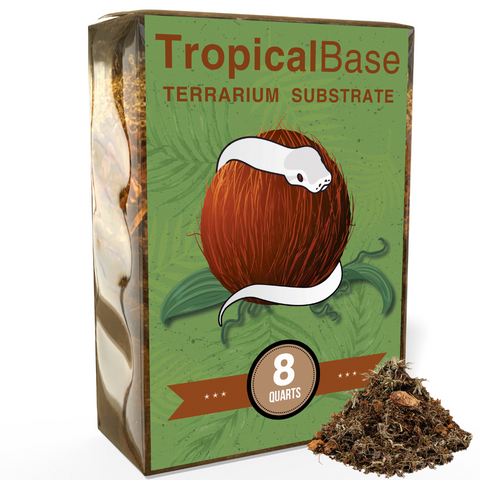
Recommended substrates for juvenile Mourning Geckos: TropicalBase Terrarium Mix; Bioactive Ready to Use.

Recommended substrates for sub-adult Mourning Geckos: TropicalBase Terrarium Mix; Bioactive Ready to Use.

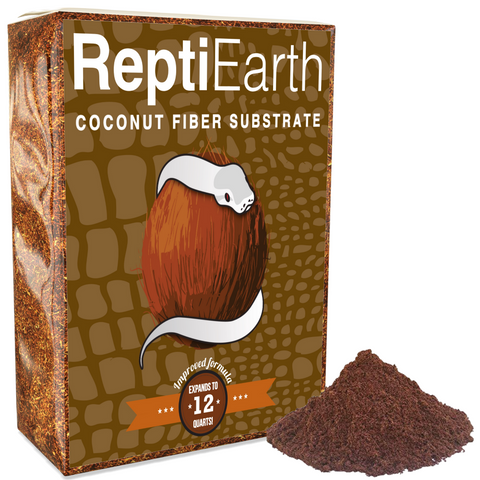
Recommended substrates for adult Mourning Geckos: ReptiEarth Fine Coconut Fiber Mix; Ready to Use and TropicalBase Terrarium Mix; Bioactive Ready to Use.

Recommended enclosures for Mourning Geckos by age. Juvenile: HabiStat 12" Glass Terrariums. Sub-adult: HabiStat 18" Glass Terrariums. Adult: HabiStat 24" Glass Terrariums.

Recommended lighting products for Mourning Geckos: Arcadia 7% UVB D3 ShadeDweller Lighting, 12".

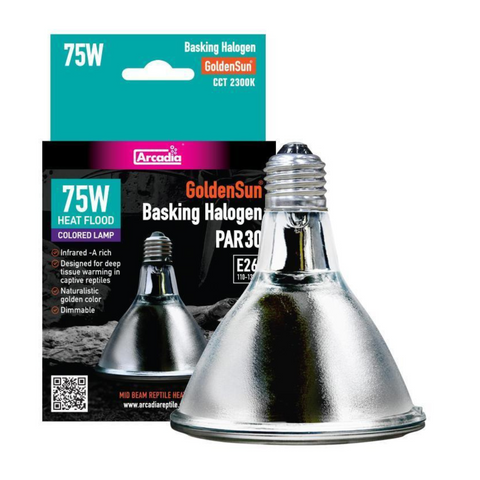
Recommended heating products for Mourning Geckos: Arcadia GoldenSun Basking Halogen Heater and Vivarium Electronics Ceramic Dome Reflector.

Yes. Recommended habitat bundles for Mourning Geckos by age. Juvenile: Juvenile Mourning Gecko Bundle. Sub-adult: Subadult Mourning Gecko Bundle. Adult: Adult Mourning Gecko Bundle.

Recommended food products for Mourning Geckos by age. Juvenile: Pangea Complete Gecko Diet, Papaya and Pangea Complete Gecko Diet with Insects. Sub-adult: Pangea Complete Gecko Diet, Papaya and Pangea Complete Gecko Diet with Insects. Adult: Pangea Complete Gecko Diet with Insects and Pangea Complete Gecko Diet, Papaya.

Search