Natural History
The Madagascar ground boa is a nonvenomous constrictor native to the forests, savannas, and scrublands of Madagascar. This terrestrial species is one of the island’s largest native snakes and plays an important role in the stability of its ecosystem .In the wild, the Madagascar ground boa's average lifespan is around 15 to 20 years, but individuals in human care have been documented living over 25 years when conditions are ideal.
Ecologically, the Madagascar ground boa serves as both predator and prey, occupying a mid-to-high tier in the island’s food web. Its role in controlling populations of small vertebrates, particularly rodents, makes it an important natural pest regulator in forested and rural areas. This balancing function helps preserve vegetation health and limits the spread of disease by reducing rodent infestations. In turn, young boas fall prey to larger birds, mongooses, and feral cats, while adults face few natural predators aside from humans and large raptors. Its presence in a habitat is often an indicator of environmental health, as the species requires a stable availability of prey and intact natural cover for survival. Adaptations such as a heat-sensitive labial pit system allow it to detect warm-blooded prey in the dark, while its muscular body and scale configuration permit silent movement through dense litter, making it a highly effective nocturnal hunter.
In summary, the Madagascar ground boa is a resilient and ecologically significant species, deeply adapted to its environment and exhibiting a diverse array of biological traits that reflect its evolutionary history on the isolated island of Madagascar. Understanding its life cycle, behavior, and ecological importance provides vital context for its successful care and sheds light on its crucial role in maintaining the balance of Madagascar’s unique ecosystems.
Conservation Status
The Madagascar ground boa is currently classified as "Least Concern" according to the International Union for Conservation of Nature (IUCN) Red List with the last assessment taken in 2011. This status suggests that the species is relatively stable in population numbers and maintains a wide geographic distribution throughout its native range across Madagascar. While "Least Concern" indicates that the species is not presently at risk of extinction, it does not mean the population is immune to pressures. Population trends are considered stable in much of its range, but localized declines have been observed due to escalating environmental pressures. The "Least Concern" designation reflects the boa’s adaptability to a range of forest habitats, including degraded and secondary growth forests, which may help buffer the species against some of the more immediate threats faced by other endemic wildlife on the island.
Despite its relatively secure conservation status, the Madagascar ground boa faces numerous threats that could affect its long-term survival if left unaddressed. Habitat destruction remains the most pressing issue. Slash-and-burn agriculture, logging for timber and charcoal, and the conversion of forested areas into farmland have resulted in widespread habitat fragmentation. The boa depends on dense forest cover during daylight hours for thermoregulation and ambush hunting. The loss of this vegetation limits its access to suitable microhabitats and prey, especially small mammals and birds, which are also impacted by ecosystem degradation.
In addition to habitat loss, the species is occasionally targeted by local populations due to cultural myths and fear-based killings. Although rarely hunted for commercial purposes, incidental killings stemming from negative perceptions contribute to localized declines. Invasive species such as feral cats and dogs may prey on juveniles, compromising recruitment into the adult population. Climate change also poses a long-term threat through alterations in rainfall patterns and seasonal temperatures, which can disrupt reproductive behavior and prey availability. While not widely traded, individuals are sometimes collected for the illegal pet trade, although this is not yet considered a major driver of population decline.
Conservation efforts to protect the Madagascar ground boa include legal protections under Malagasy law, which prohibits the capture and export of wild individuals. The species is included in Appendix I of CITES (the Convention on International Trade in Endangered Species of Wild Fauna and Flora), affording it the highest level of protection from international trade. Several protected areas and national parks in Madagascar, including Andasibe-Mantadia and Ankarafantsika, support viable populations. These reserves act as vital refuges and provide opportunities for ecotourism, which can raise awareness and generate funding for conservation.
Habitat restoration projects, particularly those involving native forest replanting and community-based forest management, help reconnect fragmented habitats and improve environmental conditions for the boa and other endemic species. Breeding programs, though limited in scope, exist in both Madagascar and international zoos. These initiatives promote genetic diversity and serve as educational ambassadors to inspire conservation action. While reintroduction efforts have not yet been widely applied for this species due to its current status, maintaining a managed captive population provides a safety net against sudden environmental catastrophes or rapid population declines in the wild. Continued research and monitoring, combined with public education and habitat protection, are essential to ensuring the species remains out of danger in the decades to come.
Native Range
The Madagascar ground boa is endemic to the island of Madagascar and is restricted to that geographic range, making it a species with a limited natural distribution. Within Madagascar, it is most commonly found in the western and northwestern parts of the island, though its range extends periodically into central and northern regions. This distribution means it exists across a mosaic of habitats, depending on availability of shelter, prey, and environmental stability. While not as widespread as some other Malagasy reptiles, this species maintains a presence in areas undisturbed by extensive human activity, though habitat fragmentation has increasingly affected its population dynamics.
In terms of macrohabitat, the Madagascar ground boa is primarily associated with dry deciduous forests, a common biome across the island’s western expanse. These forests are characterized by seasonal leaf drop and prolonged dry periods, interspersed with a distinct wet season. In addition to these dry forests, the species may also occur in areas of spiny forest and transitional zones bordering savanna and scrubland regions. Although it thrives in lowland environments, it can be found at elevations up to around 3,600 feet, with a more routine presence between sea level and 2,000 feet. Its elevation range is thus considered low to mid-elevation.
Microhabitat preferences include terrestrial environments with ample ground cover. This species is strongly associated with leaf litter, hollow logs, the bases of large trees, and occasionally within shallow underground retreats such as burrows made by other animals. It relies on these microhabitats for daytime shelter, thermoregulation, and ambush predation. Rocky outcrops and areas with loose, friable soil are also utilized for hiding and possibly egg laying. The species exhibits a tendency toward remaining close to ground-level features that offer concealment and humidity retention, favoring partly shaded zones beneath forest canopy or in patches of dense shrubbery.
Climatic conditions in its native habitat are strongly seasonal, shaped by a tropical monsoonal pattern. Average daily temperatures within its ecosystems typically range from the low 70s to mid-80s, with dry season lows occasionally dipping into the high 60s at night and hot season highs reaching into the low 90s. The relative humidity varies significantly with season; during the wet season, typically November through April, humidity levels can exceed 80%, accompanied by frequent, intense rainfall. By contrast, the dry season sees humidity drop to between 50% and 60%, with very limited precipitation. These seasonal shifts heavily influence the snake’s behavior, including feeding, breeding, and periods of decreased activity or brumation-like states during the cooler, drier months.
Access to water is not only beneficial but essential; though the species does not require standing water in every instance, temporary pools and access to moist microhabitats help maintain hydration and support prey availability. Vegetation structure is critically important, particularly the presence of hardwood trees that provide stable leaf litter and shade. The ground cover maintains humidity levels near the substrate and supports populations of the small mammals and birds that make up the boa’s prey base. Soil composition plays a further role, with friable, loose substrates being preferred over compact or sandy soils, particularly for thermoregulation and potential nesting.
In summary, the Madagascar ground boa is a habitat-specialist within the terrestrial zones of Madagascar’s western dry forests. It is closely tied to forest-floor features in warm, humid, and seasonally dynamic ecosystems. Key environmental factors essential to its survival include stable leaf-litter cover, suitable prey density, moderate elevation, variable humidity, and seasonal access to water and suitable shelter. Its dependence on intact forest floor microhabitats and vulnerability to habitat disturbance highlight the importance of preserving Madagascar’s increasingly threatened native forest systems.
Behavior
The Madagascar ground boa is primarily nocturnal, exhibiting most of its activity during the night hours in both its native range and in managed care. In natural settings, it remains concealed during the heat of the day, either under leaf litter, in burrows, or inside hollow logs. Activity increases significantly after dusk, when temperatures drop and prey becomes more active. Seasonal changes, particularly those linked to Madagascar’s wet and dry seasons, influence this species' activity. During cooler months, they may enter a period of decreased activity resembling brumation, although this is less intense than in temperate species. Under human care, a simulated seasonal cycle that includes slight temperature drops and adjusted photoperiods can help mimic this behavior and promote natural rhythms, especially useful when initiating breeding.
Socially, the Madagascar ground boa is solitary by nature. Individuals do not display social bonding or group interactions except during breeding events. Males can demonstrate territorial or competitive behaviors during the breeding season, occasionally engaging in ritualized combat such as pushing or intertwining to establish dominance. There is no true social hierarchy observed outside of these temporary interactions. Courtship behavior is subtle but can involve tongue flicking, body alignment, and the use of spurs found near the cloaca, which males may use to stimulate females. After mating, females do not engage in parental care. This boa species gives birth to live young, and neonates are independent from birth.
In response to environmental stimuli, the Madagascar ground boa is highly sensitive to thermal gradients and light cycles. It utilizes heat-sensing pits located along its upper lip to detect endothermic prey, allowing it to hunt effectively in complete darkness. This pit organ function makes it extremely efficient at detecting even slight changes in temperature, guiding strike accuracy. In the wild, humidity and ground moisture impact their activity levels and preferred shelter locations. They favor high-humidity microhabitats and will adjust their position in response to shifts in ambient moisture levels. In a managed setting, incorrect humidity can result in changes in behavior such as increased hiding, refusal to feed, or difficulty shedding.
This species relies heavily on chemosensory cues, using frequent tongue flicking to detect females during the breeding season, assess prey items, and explore its environment. Response to predation threats includes coiling and body posturing, loud hissing, and in some cases bluff strikes. If further threatened, it may retreat rapidly or seek concealment. While not venomous, it has an intimidating appearance and substantial girth, which serve as a deterrent to predators. Like many boas, it is a non-venomous constrictor and uses its strong, muscular body to overpower and suffocate prey. Feeding behavior includes a characteristic ambush strategy, lying hidden until prey steps within striking distance, then executing a rapid strike followed by coiling. In contrast to some arboreal relatives, this species exhibits primarily terrestrial locomotion, favoring a stealthy, deliberate movement style through undergrowth or across the forest floor.
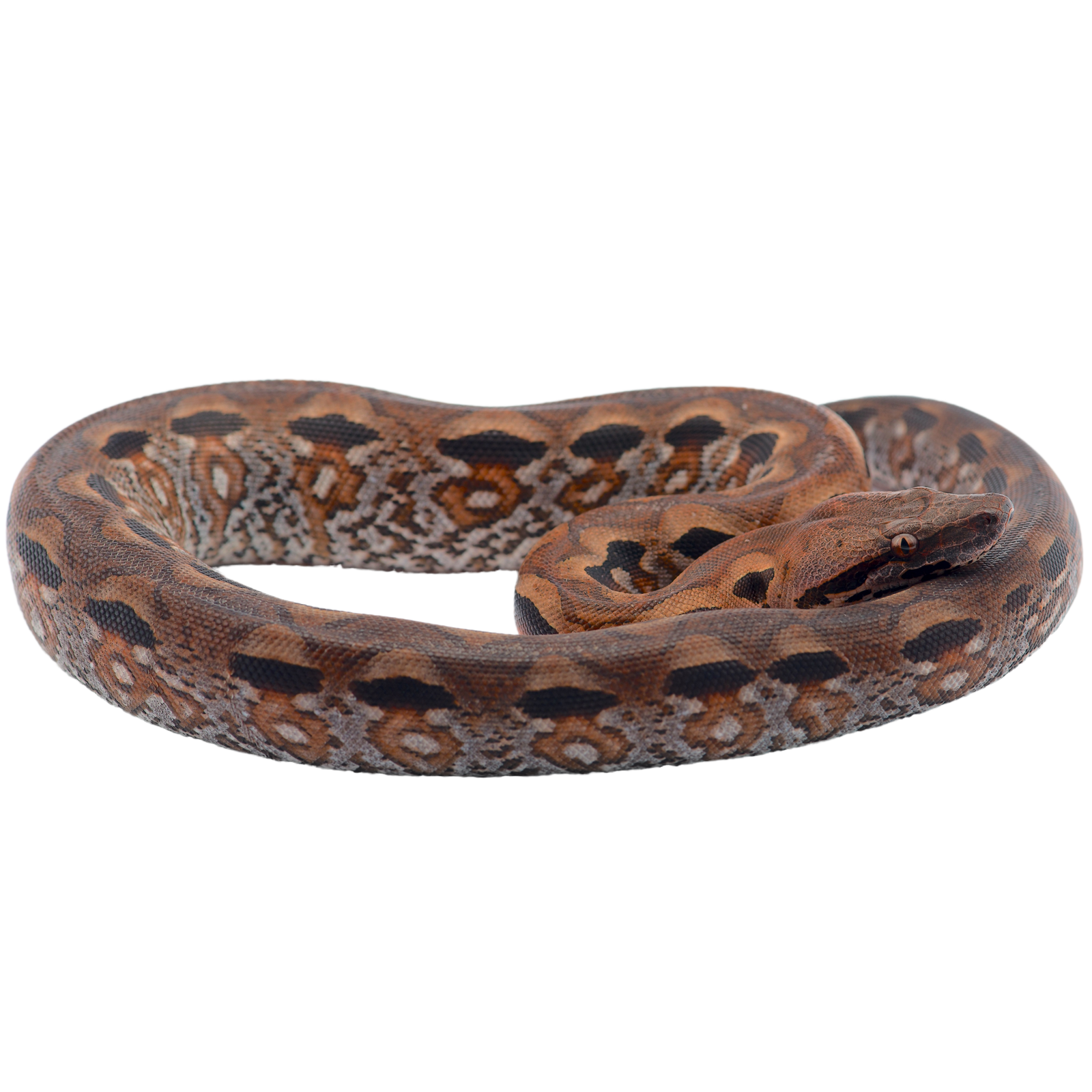
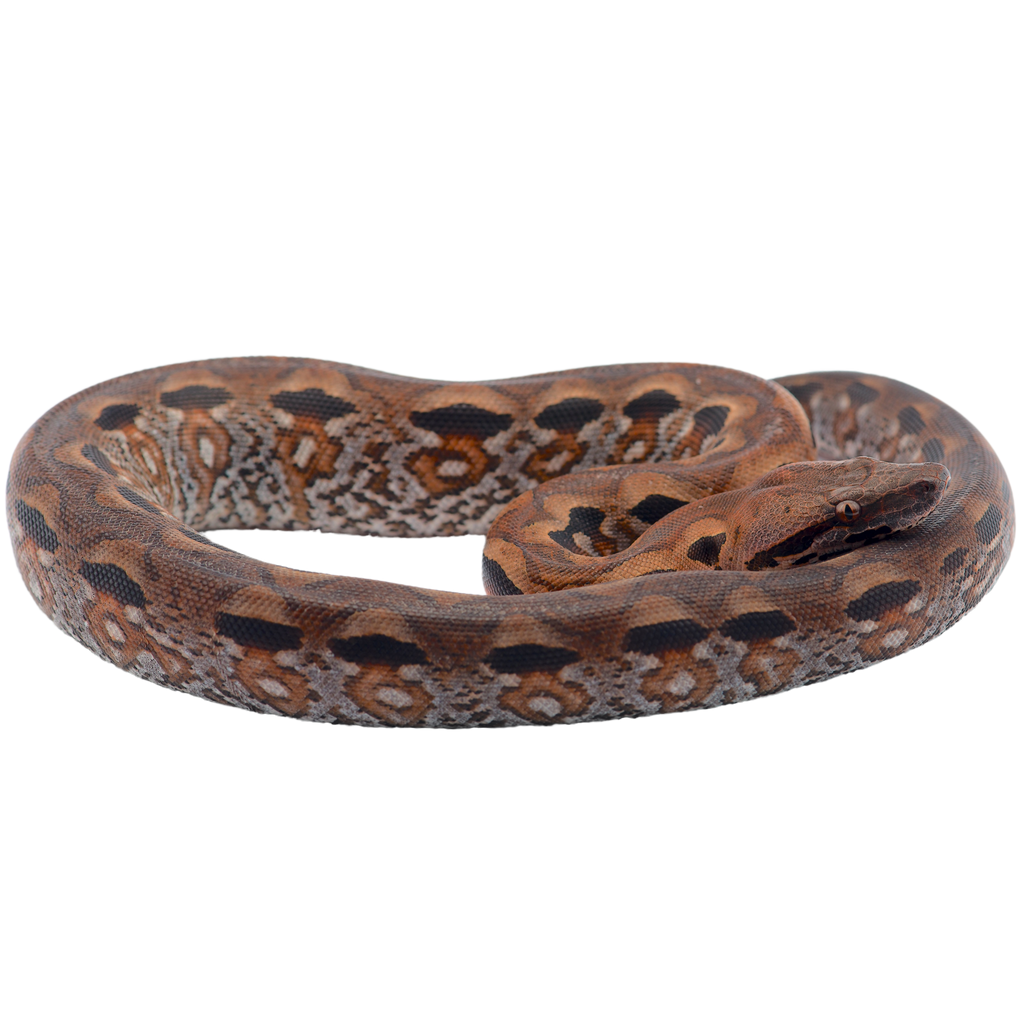
Unique behavioral adaptations include utilization of cryptic coloration for camouflage, a mottled brown and black pattern that blends into the leaf litter and rocky soils of its habitat. This camouflage makes it both an effective predator and elusive target for larger predators. Thermoregulation is largely achieved through behavioral methods such as basking during cooler morning hours before seeking shaded or underground refugia as temperatures rise. In captivity, offering a gradient from 75°F on the cool end to a basking spot of around 88°F allows the snake to engage in these natural behaviors.
When comparing behaviors, some differences become evident. Under human care, aggression levels are typically minimal due to reduced competition and absence of mating rivals. Stress responses, however, may become more pronounced if environmental parameters, such as humidity, light cycles, or enclosure space, are inadequate. In these cases, behaviors like excessive hiding, refusal to eat, or defensive posturing can occur. Feeding is generally more routine, with many individuals adapting well to pre-killed prey items. However, care must be taken to retain naturalistic feeding techniques such as simulated ambush opportunities to promote engagement and maintain behavioral health. Enrichment through variable hides, substrate depth, and environmental complexity supports natural foraging and locomotion behaviors, ensuring a life that more closely mirrors natural conditions.
Husbandry Requirements
Enclosure Design
Madagascar ground boas are large terrestrial snakes that require ample space to accommodate their full length and allow for natural movement and behavior. Juveniles up to around three feet in length can be housed temporarily in enclosures measuring at least 36 inches long by 24 inches wide by 18 inches tall. However, they grow rapidly, and proper long-term housing for an adult must be significantly larger. Mature individuals, which can reach lengths of 5 to 8 feet, should be housed in a minimum enclosure size of 6 feet long by 3 feet wide by 2.5 feet tall. For particularly large adults or very active individuals, enclosures measuring 8 feet in length or more may be necessary to support optimal welfare.
Enclosure materials must be suited to retain humidity, facilitate ease of cleaning, and resist warping from moisture and heat. PVC or High-Density Polyethylene (HDPE) enclosures are recommended due to their durability, water-resistance, and effective insulation. Glass enclosures can also be used but are less efficient at retaining heat and humidity, necessitating closer environmental control. Proper ventilation is critical; screened or louvered vents positioned at both the lower and upper sections of the enclosure provide effective airflow without causing excessive humidity loss.
The layout should reflect the Madagascar ground boa’s natural forest floor environment, providing sufficient ground space with features that encourage exploration and thermoregulation. Secure hiding spots must be present on both the warm and cool sides of the enclosure. These hides should be snug to provide a sense of security. Climbing structures like thick branches or secured driftwood should be included, as the species is known to occasionally ascend low vegetation in the wild. A large, stable basking area should be established at one end using a broad platform such as slate or a resin rock under the basking lamp. Always ensure that all structural elements are securely fixed in place to prevent shifting or collapse under the weight of the animal.
Security is paramount, since Madagascar ground boas are powerful and inquisitive. Enclosures should be escape-proof, with secure locking mechanisms on all access points. Sliding glass doors should have locking handles or clips to prevent accidental opening. All vents should be firmly attached, and any access holes for wiring must be sealed or covered with mesh to prevent the snake’s escape.
Lighting and Heating
Unlike many strictly nocturnal snakes, the Madagascar ground boa demonstrates crepuscular activity, being active during dawn and dusk, and benefits from a defined day-night cycle. A photoperiod of 12 hours of light followed by 12 hours of darkness is suitable year-round, though this can be adjusted seasonally with a slight reduction in daytime light (to 10 hours) during the cooler months to simulate natural seasonal shifts.
While not obligate baskers, these snakes benefit from access to UVB lighting, which enhances vitamin D₃ synthesis and supports calcium metabolism, immune health, and overall vitality. A UVB output of 5.0 (similar to mid-intensity tropical sunlight) is appropriate. UVB fixtures should be mounted above a mesh screen or at a height of 10 to 12 inches from the basking surface if the fixture is located inside the enclosure. Replace UVB bulbs every 12 months or as recommended by the manufacturer to maintain effective output.
Temperature gradients are essential for thermoregulation. The basking area should reach 90°F to 95°F during the day, while the ambient temperature across the rest of the enclosure should remain between 78°F and 84°F. Nighttime temperatures can drop safely to 72°F to 75°F. Heating should be provided using overhead radiant heat panels, ceramic heat emitters, or halogen basking bulbs, all regulated by a high-quality thermostat and paired with a digital probe thermometer to monitor localized temperatures accurately. Under no circumstances should heat rocks be used, as they pose a significant risk of burns due to uneven surface heating.
Substrate and Enrichment
To mimic the humid forest floor environment these boas inhabit, substrates must retain moisture while remaining clean and safe for ingestion. A suitable option is ReptiChip, which is a larger mixed coarse coconut husk capable of holding humidity well while minimizing particulate risks. This can be used alone or mixed with ReptiEart for additional texture and moisture retention. Avoid dusty or loose substrates that pose a risk of respiratory irritation or gastrointestinal obstruction. Sand, bark, and reptile carpet are not recommended due to poor humidity retention and health risks.
These snakes benefit from a complex environment that encourages natural behaviors. While they are primarily terrestrial, they will climb low branches or elevated surfaces in human care. Thick, rough-textured branches should be added to provide stimulation and assist with shedding. A multi-layered layout using various hide sizes, leaf litter, and terrain elevations promotes exploration and reduces stress. Burrowing is not a significant behavior in this species, but they will occasionally push under soft material or use shallow substrate depressions to rest, so a substrate depth of three to four inches helps facilitate this behavior and maintain stable humidity.
Place a variety of hides on both the cool and warm ends of the enclosure. These can include resin caves, cork rounds, or improvised shelters made from food-safe containers. Additionally, naturalistic items like clean rocks, moss patches, and artificial foliage provide sensory enrichment and shelter from direct light. Periodically rearranging furniture or introducing safe items with new scents helps maintain mental stimulation.
Enrichment can come in many forms and is for the stimulation of your animal. The five types of enrichment you can offer are food related, sensory, physical habitat, cognitive, and social. These categories have a vast variety of options to choose from that are appropriate for the species being enriched.
Humidity and Hydration
Madagascar ground boas require moderate to high humidity levels, ideally maintained between 60% and 75%. During the shedding cycle, humidity may be temporarily increased to 80% to assist with complete skin separation. Maintain ambient humidity by misting the enclosure once or twice daily using distilled or dechlorinated water. Automated misting systems or ultrasonic foggers can be installed to stabilize humidity in large enclosures or drier environments. Adequate airflow is still vital to prevent mold growth and respiratory issues, so ensure ventilation remains open and balanced.
Substrate choices play a large role in humidity control. ReptiChip or ReptiEarth mixed with sphagnum moss efficiently holds moisture and helps stabilize local humidity around hides and basking areas. Humid hides should be provided using sealed containers or natural décor filled with damp sphagnum moss. These hides allow the boa to self-regulate moisture exposure, especially during dry periods or pre-shed phases.
Hydration should be ensured with a large, sturdy water basin placed in the cool side of the enclosure to avoid rapid evaporation. The dish should be heavy enough to prevent tipping and large enough for the snake to soak its body if desired. Some individuals will routinely submerge themselves, particularly before shedding. Ensure the water is changed regularly and sterilize the bowl weekly to prevent bacterial buildup. While these boas do not typically drink from droplets, occasional misting on their bodies may prompt drinking behaviors in dehydrated specimens. Observing regular soaking, refusal to drink, or dry skin may indicate a need to reevaluate environmental humidity and hydration practices.
Use accurate digital hygrometers with data logging features to monitor and maintain the proper humidity range. Place humidity sensors on both the warm and cool sides of the enclosure to understand microclimate variations. Avoid analog dials, which tend to give unreliable readings. Maintaining correct hydration and humidity parameters is essential for successful shedding, respiratory health, and metabolic function.
Diet & Supplementation
The Madagascar ground boa is a carnivorous constrictor that feeds primarily on vertebrate prey. In the wild, its diet is diverse and includes small to medium-sized mammals such as native rodents and tenrecs, as well as birds, reptiles, and occasionally amphibians. Juvenile boas typically target smaller prey, including lizards and frogs, while adults are capable of subduing larger prey like lemur juveniles and ground-dwelling birds. Being a terrestrial species, the Madagascar ground boa hunts primarily at night, utilizing keen chemical reception and heat-sensing pits located along its upper lip to detect warm-blooded prey in low-light environments. Its reliance on olfactory cues via the Jacobson’s organ and thermal imaging allows precise targeting even in complete darkness.
This species employs ambush predation as its primary hunting strategy. It will typically take up a position along a known animal trail or at the entrance of a mammal burrow, remaining motionless for extended periods until a suitable prey item passes within striking range. The strike is rapid and followed by constriction, where the snake coils tightly around the prey and applies pressure to disrupt circulation and respiratory function. Unlike venomous species, the Madagascar ground boa relies entirely on mechanical force to subdue its prey. This method is highly efficient, allowing it to safely consume animals that may be strong or potentially aggressive if not quickly subdued.
Dietary composition can fluctuate based on seasonal availability. During Madagascar’s dry season, when prey is less abundant, feeding frequency may decrease, and the species may exhibit prolonged fasting behavior. Juveniles require more frequent feedings due to faster metabolic rates necessary for growth, and they tend to consume smaller prey more often. Adults, conversely, have slower metabolisms and may go several weeks or even months between large meals, especially during cooler periods. While primarily terrestrial, individuals have occasionally been observed climbing low branches in pursuit of avian prey, indicating an opportunistic feeding approach when resources are scarce.
The Madagascar ground boa thrives when provided a diet that closely mimics its wild counterparts. Pre-killed, appropriately sized rodents such as mice for juveniles and rats for adults serve as the staple food source. Offering prey items that are no larger than the widest part of the snake's body is essential to prevent regurgitation or injury during feeding, but you can safely offer prey as large as one and a half times the widest part of the snake's body. Though rodents are nutritionally sufficient in most cases, diets may lack certain minerals found in wild prey. For juvenile boas in particular, supplementation with calcium and vitamin D3 may be necessary, especially if they are housed without access to full-spectrum lighting that provides UVB exposure, which is important for calcium metabolism.
Maintaining proper feeding schedules is critical to avoid common issues such as obesity and overfeeding, particularly in adult boas which can easily gain excessive weight due to decreased activity. Feeding adult snakes every three to four weeks and juveniles every 7 to 10 days is typically sufficient. Food refusals may occur during the cooler months, during pre-shed cycles, or under stress conditions such as enclosure changes. Ensuring stable environmental conditions and minimal handling during feeding times can improve response. Variety in prey, such as offering chicks, quail, or occasional amphibians, can stimulate appetite and encourage natural feeding behaviors, although feeding birds often can cause obesity due to the high caloric storage they have in their yolks. Using tongs to simulate lifelike movement of the prey or lightly warming the prey item to mimic body heat can also entice feeding.
Environmental enrichment can play a crucial role in promoting healthy feeding behaviors. Providing naturalistic enclosure setups with cluttered ground cover such as logs, rocks, and leaf litter not only reduces stress but also encourages exploratory and hunting behavior. Feeding in different parts of the enclosure or partially concealing prey can stimulate natural foraging instincts. However, care must be taken to monitor feeding responses, aggressive feeding behavior may necessitate use of feeding tools to prevent accidental bites. By closely replicating environmental cues and dietary variety, keepers can support the nutritional and behavioral well-being of the Madagascar ground boa throughout its life stages.
Reproduction
The Madagascar ground boa reaches reproductive maturity at approximately three to four years of age in females, with males typically becoming sexually mature earlier, around two and a half to three years. Sexual dimorphism in this species is subtle but present, females grow significantly larger than males and typically have a more robust body. Males also possess slightly more prominent spurs near the cloaca, remnants of hind limbs used during courtship. Reproductive behavior occurs once appropriate physical and environmental triggers are met, and it involves a complex array of interactions including courtship and mate selection. Males often exhibit tongue-flicking, body alignment, and tactile stimulation using their pelvic spurs to gain the female’s receptivity. Competition between males may sometimes occur when multiple males are introduced to a receptive female, with dominance behaviors such as pressing or coiling being used to outcompete rivals.
Environmental factors play a critical role in initiating reproductive behavior in this species. In the wild, breeding typically coincides with the onset of the wet season, which follows an extended dry period. Breeders must mimic these seasonal shifts to stimulate courtship. This is most effectively accomplished by imposing a “cool down” period for two to three months in the fall or early winter, during which time daytime ambient temperatures should be reduced to approximately 75°F, with nighttime drops to 68°F to 70°F. Additionally, photoperiod should be decreased to about 10 hours of light per day. Humidity should be moderately reduced during this phase but should rise with the reintroduction of warmer temperatures, simulating the start of the rainy season. Once temperatures are increased to 82°F to 85°F during the day and humidity levels are raised to 70°F to 80%, reproductive activity is typically initiated.
The Madagascar ground boa is ovoviviparous, meaning females give live birth to fully developed offspring rather than laying eggs. Successful copulation typically requires a period of cohabitation in which the pair is observed for pre-breeding interactions to ensure compatibility. While males are usually kept separate outside the breeding season, introducing a selected male into the female’s enclosure once post-brumation conditions are met is the preferred strategy. Some breeders opt to rotate several males through one receptive female’s enclosure to encourage mating behavior and to increase the probability of successful fertilization, although this tactic must be closely monitored to avoid male conflict or female stress. A single male and female pairing is generally most effective and significantly reduces stress-related complications.
Breeding enclosures should be spacious enough to allow room for courtship behavior and prevent excessive stress. A 6-foot by 2-foot enclosure with visual barriers and ample substrate is ideal to provide both individuals with appropriate space and retreat options. Additionally, the enclosure should offer thermal gradients with basking spots at 88°F to 90°F and cooler areas around 78°F to 80°F. A humidity-retentive substrate such as cypress mulch or coconut fiber can help replicate conditions in the species’ natural habitat.
One of the most common challenges in breeding this species is mate incompatibility. This may manifest as avoidance, aggression, or disinterest. Solutions include introducing the animals at dusk or early evening, when they may be more receptive, and increasing environmental humidity slightly to simulate rainfall. Another frequent issue relates to improper cycling schedules; if the cooling or warming periods are not well-managed or are too brief, ovulation or sperm production may not occur. Carefully tracking environmental parameters is essential to prevent failed breeding attempts. Additionally, high stress due to improper enclosure size, frequent handling, or incompatible cohabitation can suppress reproductive behavior. Limiting disturbances and monitoring behavior during introductions can help reduce stress-associated reproductive failure.
Overall, breeding the Madagascar ground boa requires precise management of environmental variables, close behavioral observation, and appropriate timing. With meticulous planning, successful pairing and reproduction can be achieved, contributing positively to the conservation and understanding of this unique species.
Incubation & Neonate Care
The Madagascar ground boa is a viviparous species, meaning it gives birth to live young rather than laying eggs. In this reproductive mode, the embryos develop inside the female’s body, where they are sustained by yolk sacs. Unlike ovoviviparous species, which retain eggs internally until hatching but provide little additional nourishment, the Madagascar ground boa retains developing young in membranous sacs until fully formed and ready to be born live. This method of reproduction provides a stable developmental environment, reducing the young’s exposure to external environmental fluctuations during gestation.
The gestation period for Madagascar ground boas ranges from 5.5 to 6.5 months, depending on the female’s environmental conditions, particularly temperature and photoperiod. Gestation typically follows a successful mate pairing during the rainy season, often between November and March, mimicking their natural breeding season in Madagascar. During this time, gravid females should be monitored closely and kept in enclosures offering a stable thermal gradient, with a warm side reaching 90°F and a cooler side around 78°F to 80°F. Ambient humidity should be maintained between 60% and 70% to replicate conditions of their native habitat and support healthy fetal development.
Shortly before parturition, the female may become increasingly inactive and spend more time in secluded, secure portions of the enclosure. Birth typically occurs over several hours and may be preceded by visible muscular contractions and restlessness. During this process, healthy neonates are expelled encased in a clear, moist membrane from which they emerge shortly after, usually unassisted. Litter size can range from 6 to 20 neonates, though litters of 10 to 12 are most common. Incidences of dystocia (difficulty giving birth) are rare but can occur if the female is underweight, dehydrated, or kept in suboptimal conditions. Proper hydration and access to thermal gradients are crucial to minimize stress and ensure smooth birthing.
Once born, neonates should be removed from the adult’s enclosure to prevent accidental injury or stress. While maternal aggression is uncommon in this species, adults do not exhibit parental involvement and may pose a risk if kept in a shared space. Each neonate should be individually housed in a secure, escape-proof container approximately 18 inches by 12 inches, with adequate ventilation. A warm side temperature of 88°F to 90°F and a cool side of around 78°F should be maintained to allow thermoregulation. A simple substrate such as moist paper towels or unprinted newspaper is recommended for the first few weeks to allow easy monitoring of health and waste.
Humidity levels between 60% and 70% should be maintained to promote healthy skin and support the initial shed cycle, which typically occurs 7 to 10 days post-birth. Each neonate should have access to a small, shallow water dish cleaned and refilled daily to ensure proper hydration. First feedings usually occur after this initial shed, at which point healthy neonates can be offered appropriately sized, pre-killed or thawed pinky mice. Feeding should occur once every 5 to 7 days, and neonates reluctant to feed should be monitored closely and potentially offered fresh prey scents or alternative prey items. Handling should be minimal during the first month to reduce stress and allow for proper acclimation and digestion.
Common health issues in neonates include dehydration, incomplete sheds, and refusal to feed. These can largely be mitigated by ensuring stable humidity targets, providing secure hides, and minimizing unnecessary disturbances. With proper care, Madagascar ground boa neonates are hardy and thrive, reaching independence shortly after their first few meals. Regular monitoring of weight, response to feeding, and skin condition provides valuable indicators of early health and developmental success.
Conclusion
The Madagascar ground boa is a uniquely adapted, ecologically valuable snake species with specific care requirements that reflect its evolutionary origins on the island of Madagascar. Its role as both a regulator of prey populations and a prey species itself underscores its importance in maintaining ecosystem balance, particularly within Madagascar’s dry forests and transitional scrublands. Despite being classified as "Least Concern," this status does not negate the need for thoughtful conservation, especially in light of increasing threats such as habitat fragmentation, environmental degradation, and human-wildlife conflict.
The Madagascar ground boa is a species that thrives under knowledgeable, science-based husbandry practices. Its manageable disposition, ecological significance, and remarkable adaptations make it not only a compelling species to keep but also a reminder of the importance of conserving Madagascar’s irreplaceable natural heritage. Through careful stewardship in both managed and wild contexts, this species can be preserved for future generations to study, admire, and protect.