Free Shipping to the Lower 48!

Free Shipping to the lower 48!

id="mega-catalog" name="no-js-main-navigation">

This section doesn’t currently include any content. Add content to this section using the sidebar.

Image caption appears here

Add your deal, information or promotional text

Varanus kingorum

King's Monitor

Best su...
Order

What Makes ReptiChip The BestKing's Monitor Bedding

Filter by age:

Best Substrates for Subadult King's Monitors

Best Enclosures for Subadult King's Monitors

Best Substrates for Juvenile King's Monitors

Best Enclosures for Juvenile King's Monitors

King's Monitors (Varanus kingorum) are a fascinating species of monitor lizard endemic to the Kimberley region of Western Australia. These lizards are characterized by their striking coloration, typically featuring a mix of dark browns and yellows, which provides excellent camouflage among the rocky outcrops and forested areas of their habitat. King's Monitors are primarily arboreal, adept at climbing trees and shrubs to forage for food and evade predators. This climbing ability allows them to access a diverse diet, primarily consisting of insects, small mammals, and bird eggs. Their opportunistic feeding strategy is enhanced by their keen eyesight, enabling them to spot potential prey from considerable distances. This adaptability to both arboreal and terrestrial environments makes them versatile hunters within their ecosystem.

Another intriguing aspect of King's Monitors is their social behavior, particularly during the breeding season. Males often engage in elaborate courtship displays, which may include head bobbing, body posturing, and vocalizations to attract females. These displays not only showcase their fitness but also establish dominance among competing males. The breeding season typically coincides with the warmer months when food availability is at its peak, further encouraging reproductive success. After mating, females will lay clutches of eggs in concealed locations to protect them from potential predators. The incubation period, which usually lasts about two to three months, requires specific humidity and temperature levels to ensure the eggs develop properly. Once hatched, neonate King's Monitors are fully independent and must quickly adapt to their surroundings, using their innate climbing skills to escape danger and begin their journey of survival in the wild.

Why ReptiChip?

A yello...
INNOVATIVE PRODUCTS
MADE IN THE USA
ALL NATURAL
FREE SHIPPING
EXPERT SUPPORT
VETERAN OWNED

ReptiChip is made by king's monitor lovers, for king's monitor lovers. It’s what the pros use, and it’s what you can use, too.

Our product line includes BabiChip, RediChip, TropicalBase, MicroChip, and ReptiEarth, so you can be sure to find the perfect king's monitor bedding for your pet.

Ready to switch to the ultimate king's monitor bedding? Check out ReptiChip today.

Common King's Monitor ReptiChip Questions

The scientific name of the King's Monitor is Varanus kingorum.


The King's Monitor is also known as King’s Monitor, King’s Goanna, King’s Rock Monitor, and Pygmy Rock Monitor.

King's Monitors are native to Northern Australia, Western Australia, and Kimberley region.

Adult King's Monitors typically reach about 12-16 inches.

King's Monitors live about 10-15 years with proper care.

Recommended temperatures for a King's Monitor: 70-80°F cool side, 80-90°F warm side, and 120-130°F basking spot.

King's Monitors need 50-70% humidity.

Yes. Recommended lighting for King's Monitors: UVA/UVB required.

Recommended enclosure sizes for a King's Monitor: Baby-Young: 36”x18”x18” (hatchling- <1 year); Sub Adult-Adult: 48”x24”x24” (minimum), 48”x24”x48” (active adult/pair). Larger enclosures encourage animals to exhibit natural behaviors.

King's Monitors eat: Insectivores/Invertebrates: Crickets, dubia roaches, calcium worms (black soldier fly larvae), mealworms, hornworms, waxworms, silkworms, shrimp, earthworms, snails, etc., Animal Protein.

King's Monitors are not usually recommended for beginners; they are rated Advanced for keeper experience.

King's Monitors are diurnal (active during the day).

Common King's Monitor behavior traits: Can be very skittish when young/new; Food motivated; Hand/tong feeding helps bond; High metabolism; Very curious; Primarily arboreal; Calm down with consistent and confident handling; Have nocturnal tendencies when daytime temperatures are too hot.

Yes. King's Monitors are oviparous, meaning they lay eggs.

A King's Monitor clutch is typically about 2-4 eggs.

King's Monitor eggs typically incubate for about 90-120 days before hatching.

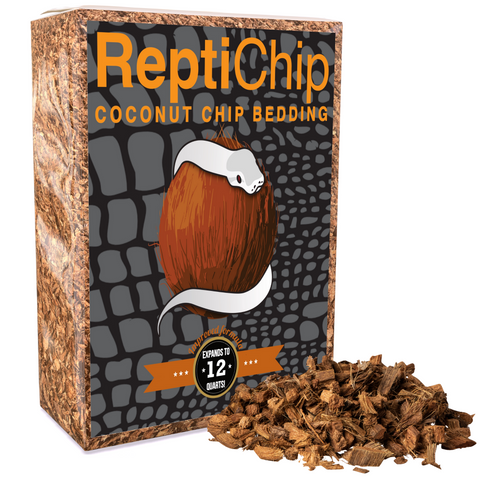
Recommended substrates for juvenile King's Monitors: ReptiChip Coarse Coconut Chip Mix; Ready to Use and ReptiEarth Fine Coconut Fiber Mix; Ready to Use.

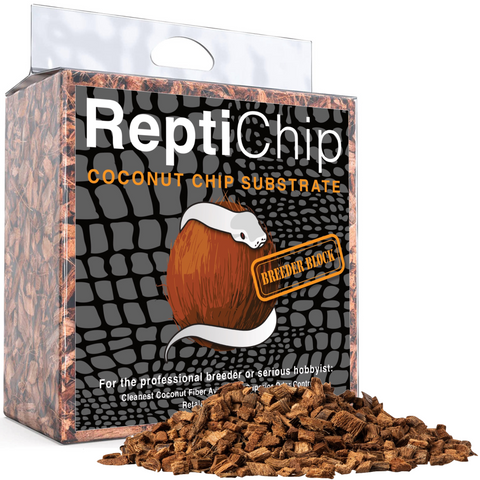
Recommended substrates for sub-adult King's Monitors: ReptiChip Breeder Blocks and Bundles and ReptiEarth Fine Coconut Fiber Mix; Ready to Use.

Recommended substrates for adult King's Monitors: ReptiChip Breeder Blocks and Bundles and ReptiEarth Breeder Blocks and Bundles.

Recommended enclosures for King's Monitors by age. Juvenile: Vivarium 36" Sliding Door Reptile Terrariums. Sub-adult: Vivarium 48" Sliding Door Reptile Terrariums (4'x2').

Recommended lighting products for King's Monitors: Arcadia 12% UVB D3 Desert Lighting.

Recommended heating products for King's Monitors: Arcadia GoldenSun Basking Halogen Heater.

Search