Free Shipping to the Lower 48!

Free Shipping to the lower 48!

id="mega-catalog" name="no-js-main-navigation">

This section doesn’t currently include any content. Add content to this section using the sidebar.

Image caption appears here

Add your deal, information or promotional text

Morelia spilota mcdowelli

Coastal Carpet Python

Best su...
Order

What Makes ReptiChip The BestCoastal Carpet Python Bedding

Filter by age:

Best Bundles for Subadult Coastal Carpet Pythons

Best Substrates for Subadult Coastal Carpet Pythons

Best Enclosures for Subadult Coastal Carpet Pythons

Best Lighting Products for Subadult Coastal Carpet Pythons

Best Heating Products for Subadult Coastal Carpet Pythons

Best Substrates for Juvenile Coastal Carpet Pythons

Best Enclosures for Juvenile Coastal Carpet Pythons

Best Lighting Products for Juvenile Coastal Carpet Pythons

Best Heating Products for Juvenile Coastal Carpet Pythons

The Coastal Carpet Python (Morelia spilota mcdowelli) is a striking and widely recognized subspecies known for its beautiful coloration and impressive size. Found along the northeastern coast of Australia, from Queensland to New South Wales, these pythons inhabit a range of environments including rainforests, woodlands, and even urban areas. They exhibit significant variability in appearance, with some individuals displaying vibrant patterns of cream, yellow, and black, while others may have darker hues with intricate markings. Coastal Carpet Pythons are adept climbers and can often be found in trees, where they hunt birds and small mammals, utilizing their strong bodies and sharp teeth to secure prey.

One fascinating aspect of Coastal Carpet Pythons is their adaptability to various habitats, including human-altered landscapes. They are known to thrive in suburban areas where they can coexist with humans, feeding on rodents and occasionally taking shelter in gardens or buildings. These pythons play an essential ecological role by controlling pest populations naturally. Coastal Carpet Pythons are generally docile but can display defensive behaviors if threatened, such as hissing or coiling. They are popular in the reptile pet trade due to their manageable size and calm demeanor, making them suitable for experienced snake keepers looking to care for a visually striking and adaptable species.

Why ReptiChip?

A yello...
INNOVATIVE PRODUCTS
MADE IN THE USA
ALL NATURAL
FREE SHIPPING
EXPERT SUPPORT
VETERAN OWNED

ReptiChip is made by coastal carpet python lovers, for coastal carpet python lovers. It’s what the pros use, and it’s what you can use, too.

Our product line includes BabiChip, RediChip, TropicalBase, MicroChip, and ReptiEarth, so you can be sure to find the perfect coastal carpet python bedding for your pet.

Ready to switch to the ultimate coastal carpet python bedding? Check out ReptiChip today.

Common Coastal Carpet Python ReptiChip Questions

The scientific name of the Coastal Carpet Python is Morelia spilota mcdowelli.


The Coastal Carpet Python is also known as Eastern carpet python and McDowell’s carpet python.

Coastal Carpet Pythons are native to Northeastern coast of Australia, from Queensland to New South Wales.

Adult Coastal Carpet Pythons typically reach about 7-9+ ft.

Coastal Carpet Pythons live about 20-30 years with proper care.

Recommended temperatures for a Coastal Carpet Python: 70-75°F cool side, 80-85°F warm side, and 90-92°F basking spot.

Coastal Carpet Pythons need 50-60% humidity.

UVB lighting is recommended because it benefits Coastal Carpet Pythons. Lighting spec: UVA/UVB benefits animal.

Recommended enclosure sizes for a Coastal Carpet Python: Baby-Young: 36”x18”x18” (<6 months +); Sub Adult-Adult: 48”x24”x48” (<4 ft minimum), 72”x48”x48” (<6ft minimum), 96”x48”x48” (<8ft minimum), 120”x48”x48” (<10ft minimum), 144”x48”x48” (<12ft minimum). Always base adult size enclosure off of snake size. They should be able to stretch out in length completely & turn around comfortably.

Coastal Carpet Pythons eat: Carnivorous: Whole Prey, Rodents, Chicks, Quail.

Coastal Carpet Pythons are not usually recommended for beginners; they are rated Intermediate for keeper experience. If previously established on F/T rodents.

Coastal Carpet Pythons are nocturnal (active at night).

Common Coastal Carpet Python behavior traits: Generally docile; Warm up easily with consistent handling; Not huge burrowers; May utilize natural crevices or burrows for shelter and security; Ambush predators; Arboreal python; Can be territorial in their cage; Warm up easily with consistent handling; Need confident keepers; If not familiar with arboreal python behavior these snakes can be seen as “unpredictable”.

Yes. Coastal Carpet Pythons are oviparous, meaning they lay eggs.

A Coastal Carpet Python clutch is typically about 10-30 eggs.

Coastal Carpet Python eggs typically incubate for about 60-70 days before hatching.

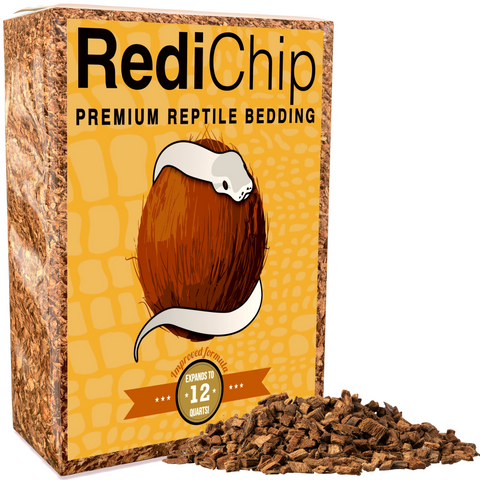
Recommended substrates for juvenile Coastal Carpet Pythons: RediChip Premium Medium Sized Coconut Chips; Ready to Use.

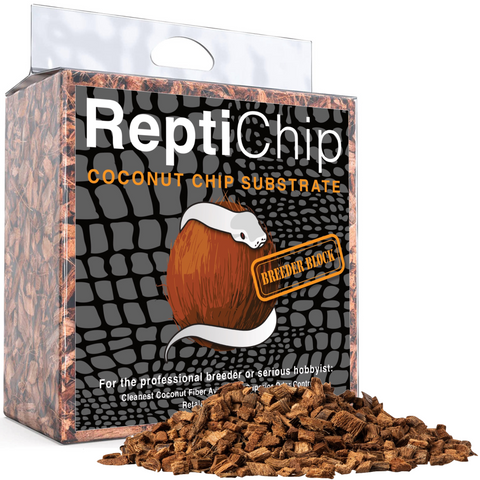
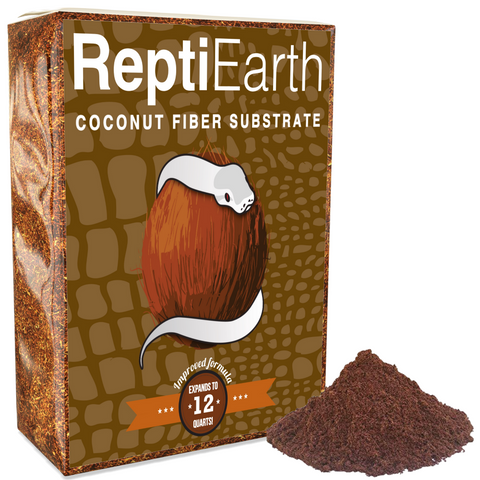
Recommended substrates for sub-adult Coastal Carpet Pythons: ReptiChip Breeder Blocks and Bundles, ReptiEarth Fine Coconut Fiber Mix; Ready to Use, and ReptiChip Coarse Coconut Chip Mix; Ready to Use.

Recommended substrates for adult Coastal Carpet Pythons: ReptiChip Breeder Blocks and Bundles.

Recommended enclosures for Coastal Carpet Pythons by age. Juvenile: HabiStat 24" Glass Terrariums. Sub-adult: Vivarium 48" Sliding Door Reptile Terrariums (4'x2').

Recommended lighting products for Coastal Carpet Pythons: Arcadia 6% UVB D3 Forest Lighting.

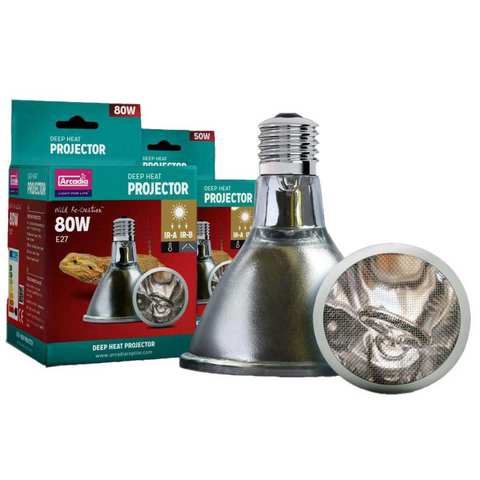
Recommended heating products for Coastal Carpet Pythons by age. Juvenile: Arcadia Deep Heat Projectors and Vivarium Electronics Ceramic Dome Reflector. Sub-adult: Arcadia Deep Heat Projectors and Vivarium Electronics Ceramic Dome Reflector. Adult: Vivarium Electronics Radiant Heat Panels and Vivarium Electronics Thermostats.

Yes. Recommended habitat bundles for Coastal Carpet Pythons by age. Juvenile: Juvenile Coastal Carpet Python Ultimate Habitat Bundle. Sub-adult: Subadult Coastal Carpet Python Ultimate Habitat Bundle.

Search