Natural History
The California red-sided garter snake is a highly adaptable colubrid native to the western United States, particularly in coastal and wetland regions of California. This species produces a mild neurotoxin that is completely harmless to humans but helps subdue prey. In the wild, their lifespan is often between five and ten years, though individuals under human care, when provided with optimal husbandry, can live over a decade. This species is skilled swimmers and often frequent aquatic habitats such as marshes, ponds, and slow-moving streams, though they also occupy grasslands and coastal dunes. Social behavior is most evident during the breeding season and communal overwintering periods, when multiple individuals will brumate together in shared hibernacula to conserve energy. When threatened, they rely on an array of defensive mechanisms, one of them being to release a foul-smelling musk from their cloacal glands.
The ecological role of this species is critical to its native environment. As a mid-tier predator, it plays an essential role in controlling populations of amphibians, fish, and invertebrates, helping to maintain healthy ecosystem balance. These snakes are notable predators of introduced species such as American bullfrog tadpoles, which have been known to disrupt native ecosystems. In turn, they serve as a food source for a variety of larger predators, including birds of prey, larger snakes, and mammals such as raccoons and foxes. Their ability to thrive in both aquatic and terrestrial environments provides important ecological connectivity and nutrient cycling between different habitats. Furthermore, they demonstrate remarkable environmental adaptations, including physiological resistance to the toxins of certain amphibians, such as rough-skinned newts, which many other predators cannot consume. This evolutionary advantage allows them to exploit food sources unavailable to less specialized species. Despite being resilient in the face of environmental change, habitat destruction, pollution, and human activity pose increasing threats to wild populations.
Conservation Status
The California red-sided garter snake is classified as a subspecies of a broader species that is currently listed as Least Concern on the IUCN Red List with the last assessment in 2007. This designation indicates that, on a global scale, the species is not currently at immediate risk of extinction and maintains a relatively stable population across a wide geographic range. However, when examined at a regional level, certain subspecies, including the California red-sided garter snake, face localized declines due to habitat degradation and other environmental pressures. While populations in some areas remain stable, others have suffered significant reductions, particularly in regions where urban expansion and agricultural development have fragmented their natural habitat. The species as a whole is still relatively widespread, but some localized populations are vulnerable and require conservation attention to prevent further declines.
One of the primary threats facing the California red-sided garter snake is habitat destruction. Wetlands, marshes, and riparian zones, which serve as crucial habitats for this species, are frequently drained or altered to accommodate agricultural and urban development. As these ecosystems disappear, so do the resources that the snake depends on, such as amphibians for prey and dense vegetation for shelter. Pollution, particularly from pesticides and herbicides, also affects the species by contaminating water sources and reducing prey availability. Climate change compounds these threats by altering precipitation patterns and reducing the availability of suitable wetland habitats. Additionally, human disturbance, including collection for the pet trade, road mortality, and intentional killing due to fear or misunderstandings about snakes, can contribute to regional population declines. While collection for the pet trade is not as widespread as with some more conspicuous snake species, it remains a potential concern, particularly if wild populations are harvested unsustainably.
Several conservation efforts are in place to help protect the California red-sided garter snake and its habitat. Many wetlands and riparian areas within the species' range fall under state and federal protection, helping to maintain some level of habitat stability. Wildlife reserves and protected areas play a crucial role in preserving healthy populations, while habitat restoration projects work to rehabilitate degraded ecosystems by reintroducing native vegetation and improving water quality. Legal protections exist in certain states to prevent over-harvesting and habitat destruction, and public awareness campaigns aim to educate communities about the ecological benefits of this snake. Breeding programs have not been a major focus for this subspecies, as wild populations are still viable in many areas, but responsible captive breeding by experienced reptile keepers and institutions can help reduce pressure on wild populations and maintain genetic diversity. Continued conservation efforts, including habitat preservation and public education, will be essential to ensuring that this strikingly patterned snake remains a thriving component of its ecosystem.
Native Range
The species is native to the western United States, primarily found in California, where it occupies a range of habitats within the state's diverse ecosystems. Its distribution extends from the coastal regions of central and northern California to parts of the inland valleys and foothills. While it has a more restricted range compared to some other garter snake species, it is locally abundant in suitable environments where water sources are present. The species is often associated with riparian zones, wetlands, and grasslands, though it is also known to inhabit forested areas with sufficient moisture and cover.
At the macrohabitat level, the species thrives in temperate environments, particularly along freshwater wetlands, marshes, streams, and ponds where amphibian prey is abundant. It is commonly found in grasslands with seasonal water availability and lowland woodlands that provide both shelter and basking opportunities. The species exhibits strong associations with aquatic habitats, often remaining close to water even when it ventures into adjacent meadows or shrubby areas. During the warmer months, it may be found near slow-moving water bodies with dense vegetation, which provide both hunting grounds and concealment from predators.
Microhabitat selection is dictated by the species' need for thermoregulation and concealment. It often shelters under leaf litter, within dense grass, or beneath logs and rocks to avoid desiccation and predation. Along streambanks, it may take refuge in rodent burrows or beneath debris, emerging to bask in open sunny areas before retreating to cooler cover during the hottest part of the day. In regions with seasonal droughts, the species seeks out moist refuges to avoid desiccation and may enter a state of brumation during colder months in underground burrows or deep within rock crevices.
The species prefers moderate temperatures, with an ideal range between 60°F and 85°F. Seasonal fluctuations play a crucial role in its activity patterns. During spring and early summer, it is most active when temperatures provide optimal conditions for metabolism and prey availability. In hotter summer months, it may adjust its activity to cooler parts of the day, such as early morning or late afternoon. Winters are often mild in coastal and lowland regions, but in areas with more pronounced seasonal variation, the species may enter dormancy during colder months. Humidity levels vary by location, but the species generally thrives in environments with moderate to high moisture, particularly when associated with marshes and riparian corridors.
Elevation range for this species is typically low to mid-elevation, occurring from near sea level up to approximately 5,000 feet. It is more commonly found in lowland areas where water-rich habitats persist year-round, though it may venture into foothills and lower mountain regions if suitable water sources and prey availability are maintained.
Key environmental factors for this species' survival include the presence of permanent or seasonal freshwater sources, abundant vegetation for cover, and access to sunny basking sites. Coastal and inland wetlands, grassy meadows adjacent to water bodies, and riparian woodlands provide the necessary conditions for sustenance and reproduction. Amphibians, particularly frogs, constitute a significant part of its diet, making the availability of amphibian-rich habitats a crucial factor in its distribution and abundance. Substrate preference varies based on habitat, but the species readily utilizes soft, moist soil for burrowing activities and denning. Within its native range, conservation of wetlands, grasslands, and riparian corridors is essential for maintaining healthy populations.
Behavior
The California red-sided garter snake is a diurnal species, meaning it is most active during the day. In its natural habitat, it is especially active in the morning and late afternoon when temperatures are moderate, often basking in the early hours to raise its body temperature before foraging. Seasonal patterns strongly influence its behavior, with the species showing peak activity during the warmer months of spring and summer. During colder months, it may enter a state of brumation, seeking shelter in rock crevices, rodent burrows, or other insulated locations to conserve energy. As temperatures drop in late autumn, this species gradually reduces its activity and feeding, resuming normal behavior as temperatures rise in the following spring.
Social interactions among this species are primarily limited to the breeding season. Though generally solitary, individuals may gather in large numbers at communal hibernation sites, where they share overwintering refuges. In the spring, males emerge first and wait for females to appear, often resulting in mating aggregations known as "mating balls," where multiple males compete for a single female. Males rely on pheromone detection to locate receptive females. These snakes do not establish long-term pair bonds, and females give birth to live young without providing parental care. Juveniles are completely independent at birth and must immediately fend for themselves. Outside of the breeding season, this species does not form social bonds and generally avoids prolonged interactions with conspecifics.
Environmental stimuli heavily influence behavior. Being ectothermic, individuals regulate their body temperature through basking and seeking shade as needed. This species responds strongly to changes in humidity, since it often inhabits moist environments such as wetlands, grasslands near streams, or coastal regions. Sudden declines in humidity or prolonged exposure to excessively dry conditions can lead to heightened stress and increased hiding behaviors. When faced with threats, these snakes rely on a combination of rapid escape, bluffing displays, and, if necessary, defensive actions such as flattening their bodies, releasing musk, or engaging in erratic movements to deter predators. Their primary mode of prey detection is chemosensory, using their forked tongue and Jacobson’s organ to track scent trails left by amphibians, fish, and small invertebrates. Unlike some other colubrid snakes, which rely heavily on constriction or venomous bites, this species subdues prey primarily by grasping and swallowing it alive.
One of the most notable behavioral traits of this species is its strong swimming ability. While many terrestrial snakes avoid water, this species is an adept swimmer and frequently hunts aquatic prey, such as frogs, salamanders, and small fish. It is also remarkably tolerant of colder temperatures compared to many other snakes, which allows it to remain active in conditions that would render other species sluggish. Additionally, when threatened, it may adopt a series of rapid, unpredictable movements to evade predators, often flattening its body to make itself appear larger. Some individuals exhibit warning coloration, with bright red lateral stripes contrasting sharply against their dark background, which may serve as a form of Batesian or Müllerian mimicry to deter predators that associate bright colors with toxicity.
Behavior under humane care differs in several ways from wild individuals. Specimens often become more tolerant of handling over time, though some retain their strong flight responses when disturbed. Unlike in the wild, where they must actively forage for prey, individuals often become conditioned to associate humans with feeding and may exhibit heightened food responses, striking at perceived movement. Stress-related behaviors, such as excessive hiding, defensive posturing, and musk release, are more common in inadequately enriched enclosures or environments with improper temperature gradients. Over time, however, well-kept individuals can adapt to captivity and display predictable routines, engaging in basking, active exploration, and frequent tongue flicking as they assess their surroundings. The absence of natural predators may result in increased boldness, though individual variation in temperament is common. Environmental enrichment, such as varying the enclosure layout, providing different textures and objects for exploration, and offering live or moving prey, can help maintain natural behaviors and reduce the risk of stress or obesity due to inactivity.
Husbandry Requirements
Enclosure Design
Housing requirements for California red-sided garter snakes must provide adequate space for movement while maintaining appropriate environmental conditions. A single juvenile can be housed in a 20-gallon long enclosure, but as it grows, a minimum of 48”x24”x24” enclosure should be provided for an adult. Horizontal space is more critical than height, though incorporating climbing elements is beneficial given their semi-arboreal tendencies. If keeping multiple individuals, an enclosure with at least 48”x24” of floor space is preferable to allow for adequate movement and to reduce competition for basking or hiding spots.
The enclosure should be made of materials that maintain warmth and humidity while providing sufficient ventilation. PVC or high-quality wood enclosures with sealed interiors work well, though glass terrariums with mesh lids can be used if humidity is carefully managed. The lid or panels should be escape-proof, as these snakes are adept at slipping through small gaps. Secure latches or sliding locks are strongly advised to prevent escapes.
Inside the enclosure, it is important to replicate elements of the species’ natural habitat, which includes grasslands, marshes, and forests. At least two or more hides should be placed, one in the warm zone and another in the cooler zone, to provide security. A basking platform or rock under a heat source is essential, as is a shallow pool or a sufficiently large water dish for soaking. Additional landscape features, such as cork bark, branches, and artificial or live plants, provide visual barriers and enrichment, reducing stress and encouraging natural behaviors.
Lighting and Heating
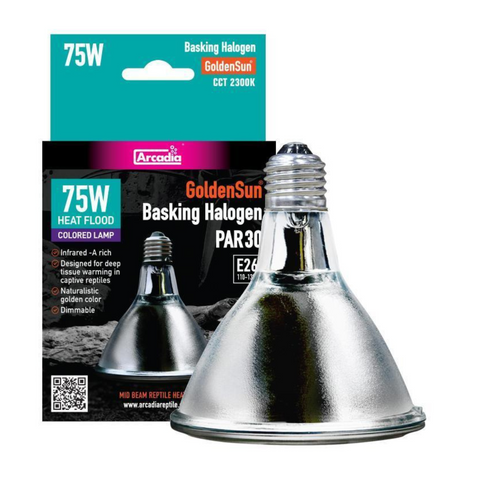
Proper temperature gradients are essential for thermoregulation. The basking area should be maintained at approximately 85°F to 88°F, while the ambient temperature across most of the enclosure should range between 72°F to 78°F. At night, temperatures can safely drop to 65°F, mirroring their natural environment. A heat source, such as a low-wattage heat lamp or an under-tank heating pad regulated with a thermostat, should be placed on one side of the enclosure to create a gradient rather than heating the entire space uniformly. Heat rocks should be avoided, as they pose a risk of burns.
UVB lighting, though not strictly necessary for survival, has been shown to improve immune function and overall health in diurnal snakes, including this species. A 5% to 7% UVB fluorescent tube, such as a T5 HO bulb, should be mounted in a fixture across the top third of the enclosure, ideally spanning at least two-thirds of its length. The bulb should be replaced every six to twelve months, even if light output remains visible, as UVB degradation occurs over time. A 12-hour daylight cycle is recommended, with seasonal variations implemented if preferred, particularly to encourage natural breeding behaviors.
Substrate and Enrichment
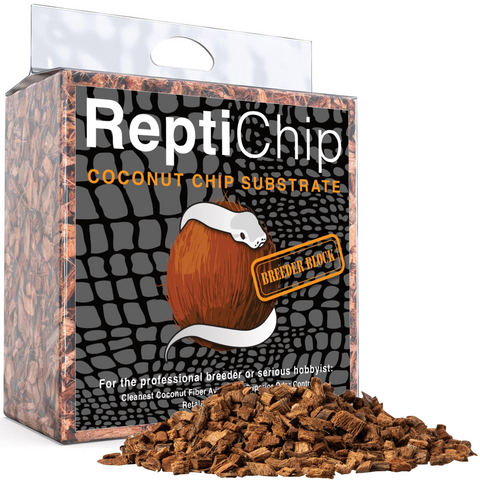
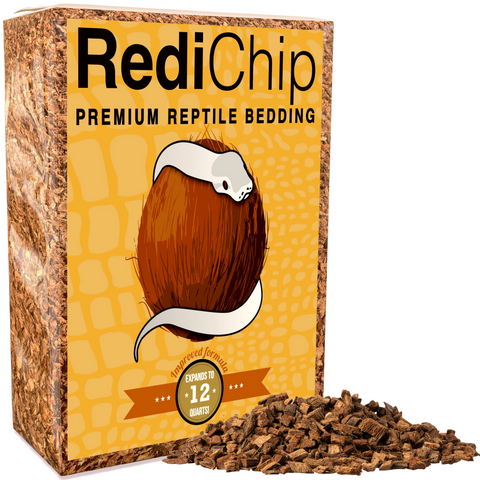
Selecting the right substrate is essential for maintaining humidity levels and facilitating natural behaviors. Coconut fiber, or a soil-sand mixture closely replicates their natural environment and provides burrowing opportunities. ReptiChip is a great choice overall for this species as it holds humidity well. TropicalBase will support the humidity and replicate the riparian habitat for this species. Mixing ReptiEarth with both TropicalBase and ReptiChip allows for great digging opportunities along with assisting with humidity retention. Reptile carpet should not be used as it can harbor bacteria. Avoid substrates such as pine or cedar shavings, as the oils can be toxic to reptiles.
Providing environmental enrichment is key to maintaining a healthy and stimulated snake. Various climbing structures, such as branches, driftwood, or sturdy artificial vines, encourage movement and exploration. Hide boxes should be snug and placed in both the warmer and cooler parts of the enclosure to allow temperature regulation while staying concealed. A large, shallow water dish promotes natural soaking behavior and should be cleaned and refilled regularly. Introducing new objects or subtle enclosure changes periodically can enhance mental stimulation.
Enrichment can come in many forms and is for the stimulation of your animal. The five types of enrichment you can offer are food related, sensory, physical habitat, cognitive, and social. These categories have a vast variety of options to choose from that are appropriate for the species being enriched.
Humidity and Hydration
Maintaining appropriate humidity levels is crucial, with the ideal range between 50% to 60%. Higher humidity is necessary during shedding cycles, reaching 65% to 70% to ensure proper ecdysis. To regulate humidity, the substrate should retain some moisture without becoming overly damp. Regular misting, particularly in a corner of the enclosure where humidity-sensitive substrates are located, can help maintain these conditions. A digital hygrometer should be placed at both the warm and cool ends of the enclosure to track fluctuations accurately.
Water should always be readily available, both for drinking and soaking. A large, stable water dish should be provided, as these snakes have a strong affinity for water and will occasionally bathe. The dish should be cleaned frequently to prevent bacterial buildup. Some individuals may prefer drinking from droplets after misting rather than directly from standing water, so light misting a few times a week can encourage proper hydration. By maintaining both an adequate water source and appropriate humidity levels, the risk of dehydration and shedding complications is minimized.
Diet & Supplementation
The diet of this species is highly varied, reflecting its opportunistic feeding habits in the wild. It is a carnivorous reptile with a strong preference for aquatic and semi-aquatic prey. In its natural habitat, it primarily consumes amphibians such as frogs, toads, and salamanders, with a particular affinity for tadpoles and juvenile amphibians. It is also known to prey on small fish, earthworms, slugs, and leeches, making it a highly adaptable feeder. On occasion, it will consume small mammals, birds, reptile eggs, or insects, though these make up a smaller portion of its overall diet. This dietary flexibility allows it to thrive in diverse environments, ranging from freshwater marshes to woodlands.
This snake employs an active foraging strategy rather than remaining stationary and ambushing prey. It relies heavily on its keen sense of smell, using its forked tongue and Jacobson’s organ to detect chemical cues from potential food sources. It is a proficient swimmer, capable of pursuing fish and amphibians in the water, where it can strike quickly and seize prey with its sharp, recurved teeth. Unlike some other snakes, it does not use constriction or venom to subdue its meals; instead, it relies on its strong grip and rapid ingestion to overpower prey. Some populations show resistance to amphibian toxins, allowing them to consume prey species that would be harmful to other predators.
Dietary needs and feeding behaviors shift with age and seasonal availability of food. Juveniles primarily consume small prey such as earthworms and tiny fish, gradually transitioning to larger vertebrates as they grow. During the warmer months, when amphibians and fish are more abundant, feeding activity is high, with individuals taking advantage of seasonal prey booms. In colder months, as activity levels decrease, food consumption slows, particularly in regions where the species enters a state of brumation. In captivity, feeding schedules may need to be adjusted based on temperature regulation, as metabolic rates decline in cooler conditions.
Feeding must carefully replicate the nutritional profile of the wild diet to ensure health and longevity. Small feeder fish, such as guppies, minnows, and smelt, are excellent dietary staples, though fatty fish like goldfish should be avoided due to their high levels of thiaminase, an enzyme that breaks down vitamin B1 and can lead to deficiencies. Earthworms and amphibians, such as commercially available frogs or amphibian-safe reptile diets, can also supplement the diet. Calcium and vitamin supplementation is especially important in captivity, where a lack of dietary diversity can lead to metabolic bone disease or vitamin imbalances. Dusting food items with a reptile-specific calcium powder or occasionally offering prey gut-loaded with essential nutrients helps prevent deficiencies. Fresh, dechlorinated water should always be available, as hydration is crucial to digestion and overall health.
Feeding difficulties and dietary imbalances can arise if captive conditions do not meet the snake’s natural preferences. Some individuals may refuse food after relocation, particularly if environmental parameters such as temperature or hiding spots are inadequate. Switching prey types, such as offering live vs. pre-killed fish or varying between worms and amphibians, may help stimulate feeding responses. Obesity can become a concern if overfed, particularly when rodents or fatty fish are introduced too frequently, since these are not natural dietary staples. Conversely, underfeeding or improper food selection can lead to malnutrition or stunted growth. To encourage natural feeding behaviors, live prey movements can be mimicked by using tongs to wiggle fish or worms in the water, closely replicating the stimuli that trigger a hunting response. Providing an enriched environment with varied feeding locations, access to water for aquatic hunting, and opportunities to exhibit natural behaviors enhances wellbeing and supports a healthy feeding regimen.
Reproduction
California Red-sided Garter Snakes reach sexual maturity between two and three years of age, depending on factors such as diet, growth rate, and overall health. Sexual dimorphism is present in this species, with females typically growing larger and more robust than males, while males exhibit longer, more slender tails due to the presence of hemipenes. During the breeding season, males actively seek out receptive females using pheromone detection, often engaging in competitive behaviors if multiple males are present. In the wild, large mating aggregations can form, with several males attempting to court and breed with a single female. In captivity, introductions should be carefully managed to prevent excessive stress or injury.
Successful breeding is strongly influenced by seasonal environmental cues. In their natural habitat, reproduction is typically triggered by cooling periods followed by a gradual increase in temperature and daylight duration in spring. To replicate these conditions in captivity, a brumation period lasting between eight and ten weeks is often necessary. Snakes should be gradually cooled to approximately 50°F to 55°F while reducing photoperiod to mimic winter conditions. During this time, feeding should be ceased several weeks beforehand to ensure proper digestion and prevent complications such as regurgitation or impaction. After brumation, temperature and light exposure should be slowly increased to stimulate breeding behavior. Humidity adjustments may also play a role, as slight increases in moisture levels following the cold period can mimic early spring rainfall that corresponds with breeding activity in the wild.
This species is ovoviviparous, meaning that females internally incubate fertilized eggs and give birth to live young. For successful copulation, males typically engage in persistent courtship behavior, which includes tongue flicking, tactile stimulation along the female’s body, and attempts to align their tails for copulation. If a female is receptive, she will allow the male to insert one of his hemipenes to transfer sperm. Copulation can last anywhere from several minutes to an hour, and females have the ability to store sperm for delayed fertilization, sometimes producing offspring months or even a year after mating. While breeding can occur in standard enclosures, some keepers prefer to introduce pairs into a neutral or larger breeding enclosure to minimize territoriality or stress. Providing multiple hiding spots and visual barriers within the enclosure can increase comfort and improve breeding success.
Breeding challenges include incompatibility between mates, stress-related breeding failure, and improper environmental conditions. Some females may reject males due to inadequate courtship stimulation or prior sperm storage, and in such cases, introducing a different male or allowing additional time for bonding may improve success. Additionally, breeding attempts outside of a proper seasonal cycle or without adequate environmental triggers often fail, as the snakes may not recognize the conditions as suitable for reproduction. Stress can also play a major role in breeding difficulty, particularly in females who may become defensive or avoid copulation if handled excessively or kept in a high-traffic environment. To maximize breeding success, keepers should provide a quiet, secure enclosure, simulate seasonal shifts properly, and ensure both snakes are in peak health before pairing. Regular monitoring of interactions is essential to prevent injuries or aggression, as some pairings may result in defensive behaviors rather than successful mating.
Incubation & Neonate Care
Unlike oviparous reptiles that deposit eggs in a nest for external incubation, this species retains developing embryos within the female’s body until they are fully developed. This reproductive strategy allows for internal temperature regulation, which can provide an advantage in cooler or fluctuating environmental conditions. Mating typically occurs in the spring, with females storing sperm for extended periods before fertilization. Gestation lasts approximately two to three months, though this can vary depending on environmental factors such as temperature and food availability.
As the birthing period approaches, the female will often seek out a secluded, humid, and warm environment. In captivity, it is important to provide a well-structured enclosure with adequate hiding spaces and a moist substrate to facilitate a comfortable birthing process. A container with damp sphagnum moss or moistened coconut fiber can serve as an ideal birthing area, helping to maintain the proper humidity and support neonate hydration. The female may exhibit restlessness and reduced appetite in the days leading up to birth, which is a normal behavioral indicator that parturition is imminent.
During birth, the female will expel fully developed neonates encased in thin, transparent embryonic sacs. In most cases, the neonates break through these membranes independently within minutes of birth. However, if any young remain encased for an extended period, gentle intervention with a moistened cotton swab may be necessary to ensure they do not suffocate. Brood size varies depending on the size and condition of the female but typically ranges from 10 to 25 individuals. Cannibalism is uncommon in this species, but neonates are highly independent at birth and should be separated from the mother and each other soon after delivery to prevent stress and competition.
Neonates should be housed in appropriately sized enclosures with a secure lid, as they are small and agile enough to escape through gaps. A well-ventilated plastic or glass enclosure with a paper towel substrate is recommended initially for easy monitoring and hygiene. A temperature gradient should be established, with a warm side maintained between 80°F to 84°F and a cooler side around 72°F to 75°F. Humidity should be kept at approximately 50% to 60%, with a shallow water dish available for hydration. Fresh, dechlorinated water is essential, as neonates are prone to dehydration.
Feeding can begin once the neonates have shed their first skin, which typically occurs within one to two weeks after birth. Unlike some snake species that require live prey to trigger feeding responses, newborns readily accept appropriately sized food items. They can be offered small, thawed fish such as guppies or feeder minnows, as well as cut pieces of earthworms. Ensuring that fish are free of thiaminase, an enzyme that depletes vitamin B1, is critical to avoiding nutritional deficiencies. Regular feeding every three to four days will support proper growth, and as neonates mature, their diet can be diversified to include appropriately sized amphibians or other protein sources.
Handling should be kept to a minimum during the first few weeks to reduce stress and encourage regular feeding. While this species is generally docile, neonates may exhibit defensive behaviors such as rapid movement or mild musking when handled. Over time, gentle and infrequent handling can help them acclimate to human interaction. Monitoring for signs of respiratory infections, improper shedding, or refusal to eat is crucial in the early stages of life, as neonates are more sensitive to environmental imbalances than adults. With proper care, neonates will grow steadily and develop the species’ distinctive bright coloration, making them a rewarding and vibrant addition to a well-maintained reptile collection.
Conclusion
Proper husbandry and an in-depth understanding of the California red-sided garter snake’s natural history are essential to successfully maintaining this species. Its active nature, striking coloration, and complex behaviors make it an engaging species for dedicated reptile keepers who are prepared to meet its specific needs. A well-designed enclosure that provides adequate space, appropriate substrate, and environmental enrichment is crucial to encouraging natural behaviors and reducing stress. Ensuring the correct temperature gradient, humidity levels, and water availability further promotes overall health and well-being.
Understanding the ecological significance of this species highlights the importance of conservation efforts. The protection of wetland and riparian habitats is vital to maintaining wild populations, and responsible breeding can help alleviate pressure on natural populations when conducted ethically. Public awareness and education about the role of this species in controlling prey populations and contributing to ecosystem balance further reinforce its value to native environments.
Keeping this species requires commitment, but for those willing to provide the proper care, it can be a highly rewarding and fascinating reptile to observe. With a well-maintained environment and a scientifically informed approach to husbandry, this species thrives in captivity and allows keepers to appreciate its dynamic behaviors and ecological adaptations. By promoting responsible reptile keeping and supporting conservation efforts, enthusiasts can contribute to the long-term well-being of both captive and wild populations of this remarkable snake.