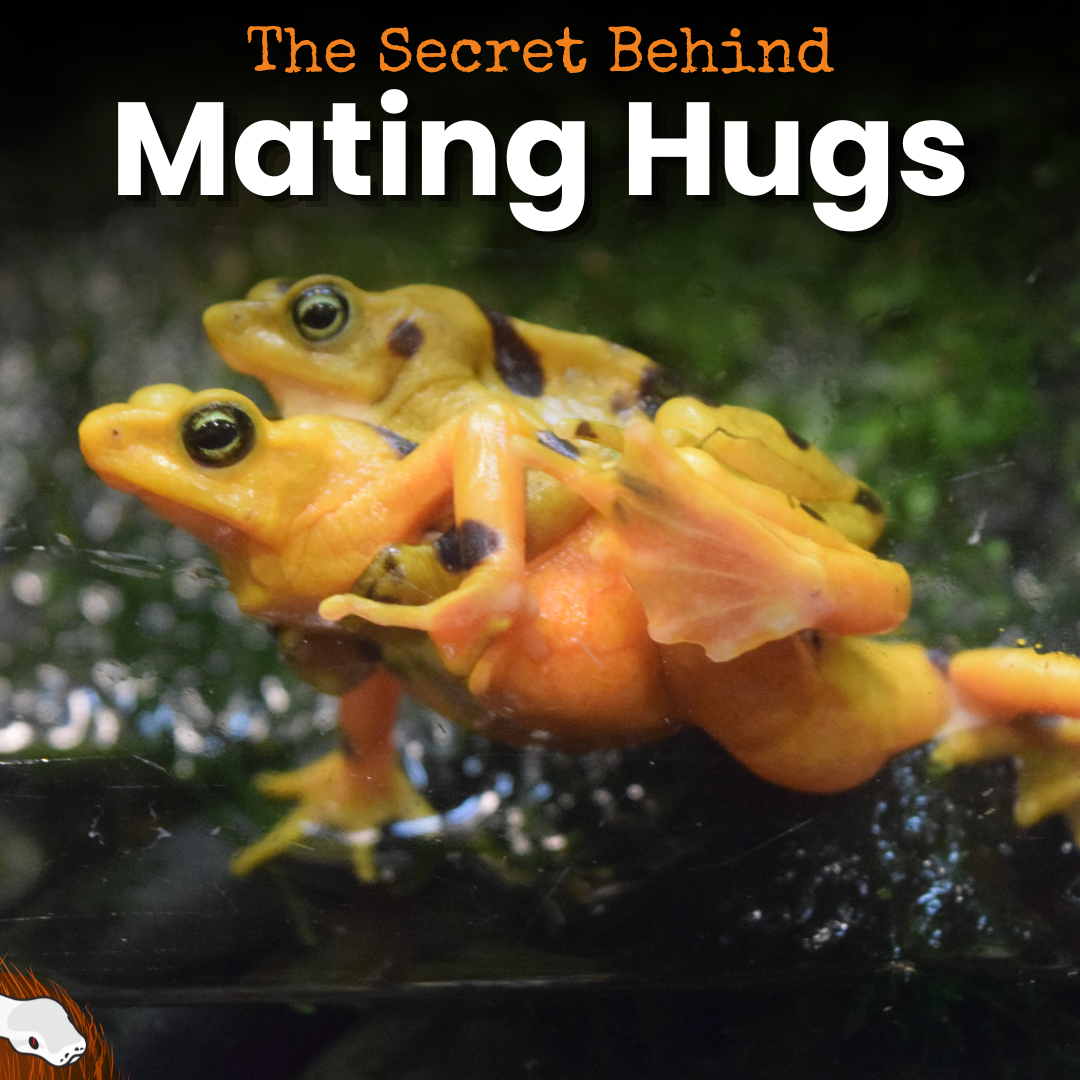

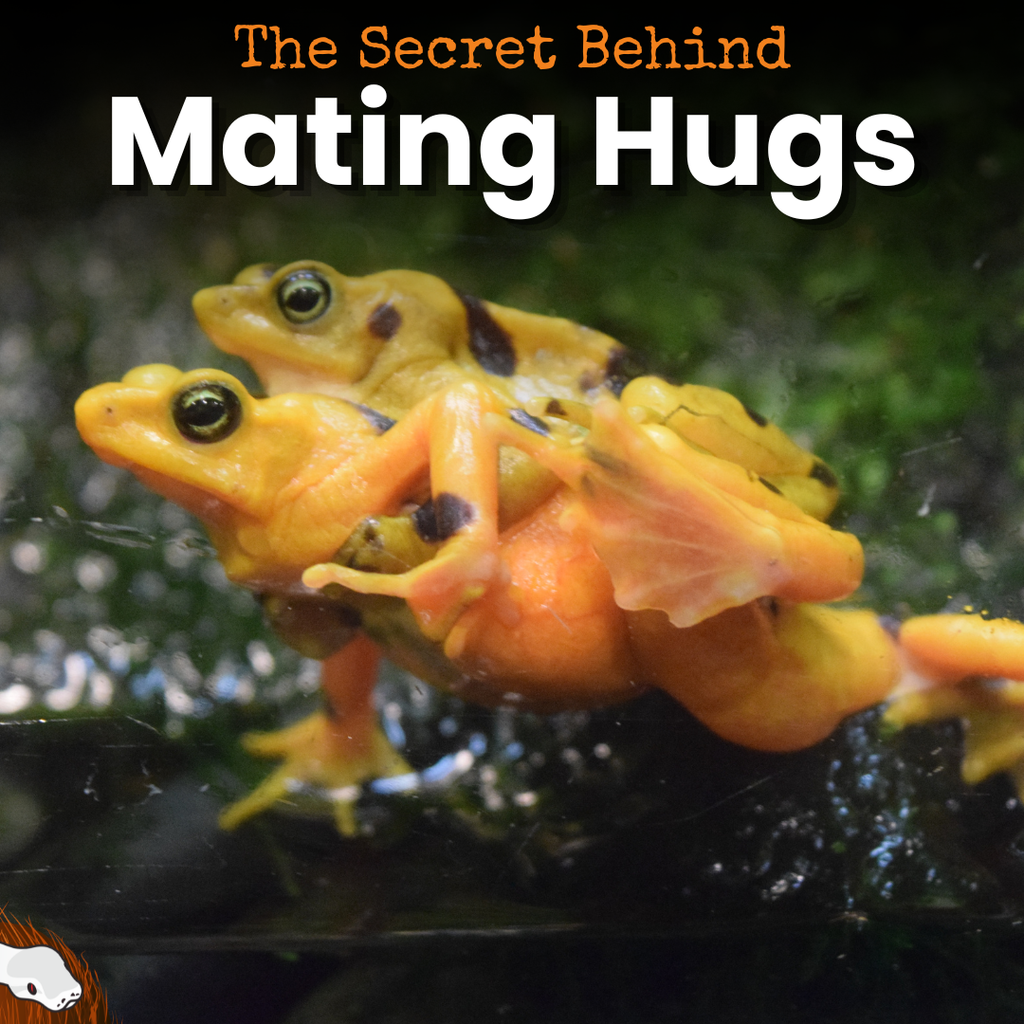
Ever wondered why frogs seem to be giving each other piggyback rides during breeding season? If you’ve ever peeked into your amphibian enclosure and spotted one frog clinging tightly to another, you’re witnessing a fascinating behavior called amplexus. It’s a classic move in the world of amphibians, but it’s often misunderstood by new keepers and even seasoned hobbyists.
Understanding amplexus isn’t just about satisfying curiosity, it’s key to successful breeding and the overall well-being of your amphibians. Whether you’re hoping for tadpoles or just want to make sure your pets are happy and healthy, knowing what’s normal (and what’s not) can make all the difference.
What Is Amplexus, Anyway?
Amplexus is the unique mating embrace used by many amphibians, especially frogs and toads. The male clasps the female, usually around her waist or behind her front legs, and holds on tight. This isn’t just a show of affection, it’s a clever way to make sure the male is in the perfect spot to fertilize the eggs as the female lays them.
“Amplexus is nature’s way of making sure the timing is just right for new life to begin.”
Why Does Amplexus Matter for Keepers?
Spotting amplexus in your enclosure is a great sign that your animals are comfortable and ready to breed. It also means your habitat setup is working! But it’s important to keep an eye on things. Sometimes, males can get a little too enthusiastic, which can stress out females or even lead to injuries if not monitored.
Types of Amplexus: Not All Hugs Are the Same
Did you know there are different styles of amplexus? The most common is axillary amplexus, where the male grabs the female just behind her front legs. Some species use inguinal amplexus, holding around the waist. Each species has its own preferred method, so it’s worth researching your specific frogs or toads.
- Axillary amplexus: Male grips behind the female’s front legs (common in most frogs)
- Inguinal amplexus: Male holds around the waist (seen in some toads and primitive frogs)
- Cephalic amplexus: Male clasps the female’s head (rare, but fascinating!)
Tips for Supporting Healthy Amplexus
If you’re hoping for successful breeding, or just want to keep your amphibians stress-free, try these tips:
- Provide plenty of hiding spots and plants so females can escape if needed.
- Maintain proper humidity and temperature to mimic natural breeding conditions.
- Watch for signs of stress or exhaustion, especially in females.
- Separate overly aggressive males if necessary.
Why It’s Memorable (and a Little Bit Wild)
Amplexus can last for hours, or even days! Some males are so determined they’ll hold on through thick and thin, waiting for the perfect moment. It’s a quirky, memorable part of amphibian life that never fails to surprise new keepers but keeping an eye on the conditions of all frogs involved is the most important part.
Bringing It All Together
Understanding amplexus helps you create a happier, healthier environment for your amphibians. It’s a sign your care is on point and your animals are thriving. Next time you spot that classic frog embrace, you’ll know exactly what’s going on and how to make the most of it.