

Free Shipping to the Lower 48!
Free Shipping to the lower 48!
Menu title
This section doesn’t currently include any content. Add content to this section using the sidebar.
Your headline
Image caption appears here
$49.00
Add your deal, information or promotional text
ReptiTips
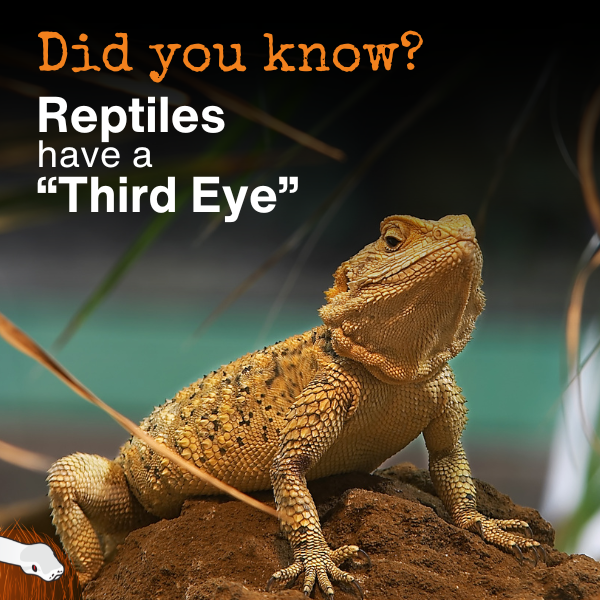

Ever wonder why your bearded dragon seems to sense you coming, even when you’re as quiet as a mouse? Or maybe you’ve heard the myth that reptiles have a “third eye” and thought it was just a tall tale. Well, it turns out there’s some truth to the story, and it’s called the parietal eye!
If you’re passionate about giving your reptiles the best life possible, understanding the parietal eye is a game-changer. This tiny, light-sensitive organ sits on top of the head in many lizards and some other reptiles. It’s not just a quirky evolutionary leftover, it plays a real role in your pet’s health and behavior.
What Exactly Is the Parietal Eye?
The parietal eye, sometimes called the “pineal eye,” is a small, scale-covered spot that looks like a faded dot or tiny bump. Unlike the main eyes, it doesn’t form images. Instead, it detects changes in light and dark, helping reptiles keep track of day and night cycles. In some species, it even helps regulate body temperature and hormone production!
Why Does This Matter for Your Reptile?
Think of the parietal eye as your reptile’s built-in weather app. It helps them know when to bask, when to hide, and when it’s time to wind down for the night. If your enclosure lighting isn’t dialed in, your pet might get confused, stressed, or even sick.
“A well-tuned light cycle isn’t just about seeing your reptile, it’s about letting your reptile see the world the way nature intended.”
Did you know?
- Some lizards, like iguanas and bearded dragons, have a very visible parietal eye, while in others it’s almost hidden.
- The parietal eye can sense shadows from above, helping reptiles spot predators, even if they can’t see them with their regular eyes!
- In ancient times, this “third eye” was even more developed in some extinct reptiles, hinting at its importance in survival.
Tips for Reptile Keepers
- Use a consistent day-night lighting schedule to support your reptile’s natural rhythms.
- Avoid placing bright lights directly above the parietal eye for long periods, as this can cause stress.
- Observe your reptile’s behavior, if they seem restless or hide more than usual, check your lighting setup.
- Customize your approach for each species. Some reptiles rely on the parietal eye more than others.
Make It Work for Your Pets
Every reptile is unique, and so is their relationship with the parietal eye. Take the time to watch how your pet responds to changes in light and adjust your care routine. A little attention to this tiny organ can make a big difference in your reptile’s happiness and health.
Curious about what else your reptile is hiding? Sometimes, the smallest details—like a “third eye”—hold the biggest secrets to thriving reptile care.
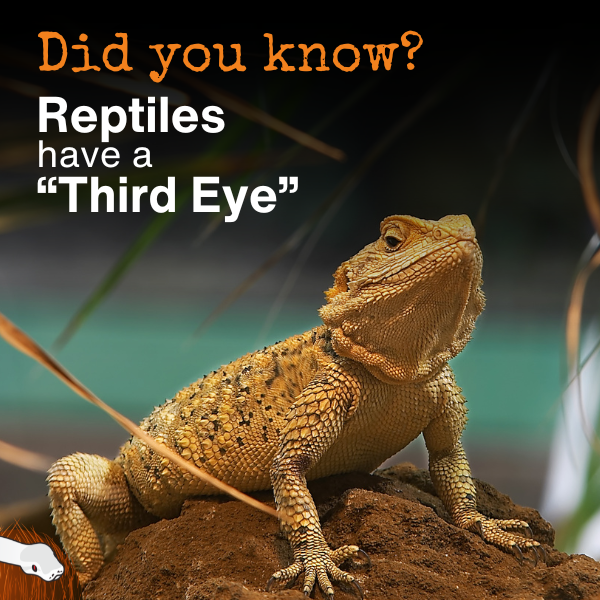
Ever wonder why your bearded dragon seems to sense you coming, even when you’re as quiet as a mouse? Or maybe you’ve heard the myth that reptiles have a “third eye” and thought it was just a tall tale. Well, it turns out there’s some truth to the story, and it’s called the parietal eye!
If you’re passionate about giving your reptiles the best life possible, understanding the parietal eye is a game-changer. This tiny, light-sensitive organ sits on top of the head in many lizards and some other reptiles. It’s not just a quirky evolutionary leftover, it plays a real role in your pet’s health and behavior.
What Exactly Is the Parietal Eye?
The parietal eye, sometimes called the “pineal eye,” is a small, scale-covered spot that looks like a faded dot or tiny bump. Unlike the main eyes, it doesn’t form images. Instead, it detects changes in light and dark, helping reptiles keep track of day and night cycles. In some species, it even helps regulate body temperature and hormone production!
Why Does This Matter for Your Reptile?
Think of the parietal eye as your reptile’s built-in weather app. It helps them know when to bask, when to hide, and when it’s time to wind down for the night. If your enclosure lighting isn’t dialed in, your pet might get confused, stressed, or even sick.
“A well-tuned light cycle isn’t just about seeing your reptile, it’s about letting your reptile see the world the way nature intended.”
Did you know?
- Some lizards, like iguanas and bearded dragons, have a very visible parietal eye, while in others it’s almost hidden.
- The parietal eye can sense shadows from above, helping reptiles spot predators, even if they can’t see them with their regular eyes!
- In ancient times, this “third eye” was even more developed in some extinct reptiles, hinting at its importance in survival.
Tips for Reptile Keepers
- Use a consistent day-night lighting schedule to support your reptile’s natural rhythms.
- Avoid placing bright lights directly above the parietal eye for long periods, as this can cause stress.
- Observe your reptile’s behavior, if they seem restless or hide more than usual, check your lighting setup.
- Customize your approach for each species. Some reptiles rely on the parietal eye more than others.
Make It Work for Your Pets
Every reptile is unique, and so is their relationship with the parietal eye. Take the time to watch how your pet responds to changes in light and adjust your care routine. A little attention to this tiny organ can make a big difference in your reptile’s happiness and health.
Curious about what else your reptile is hiding? Sometimes, the smallest details—like a “third eye”—hold the biggest secrets to thriving reptile care.