

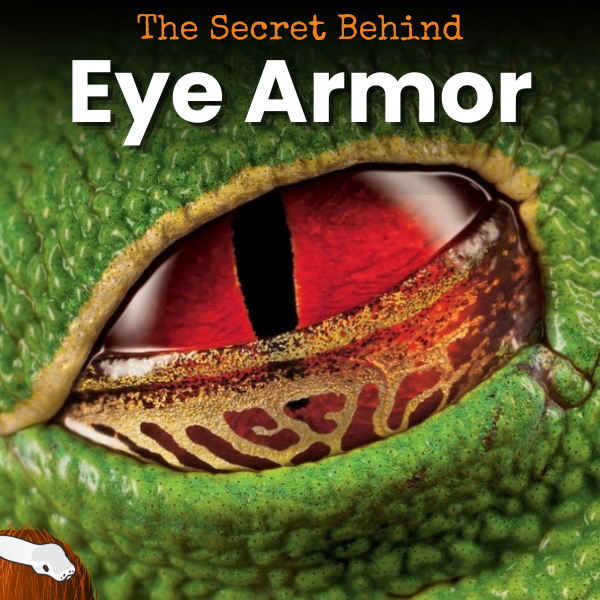

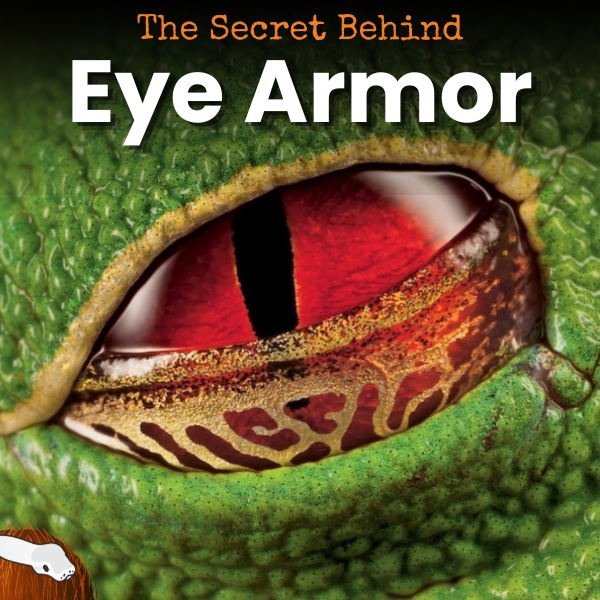
Ever caught your lizard blinking and wondered, “Wait, do reptiles even have eyelids?” If you’ve spent any time peering into their eyes, you might have noticed a thin, almost ghostly film sliding across the surface. That’s not your imagination, it’s the nictitating membrane! It’s one of the coolest features in the herpetology world.
Why Should You Care About Nictitating Membranes?
Understanding the nictitating membrane isn’t just trivia for reptile and amphibian nerds. This tiny, often-overlooked structure plays a huge role in their health and comfort. Knowing how it works can help you spot early signs of illness, improve your husbandry, and even deepen your appreciation for your companion.
What Exactly Is a Nictitating Membrane?
Think of the nictitating membrane as a built-in pair of safety goggles. It’s a transparent or translucent third eyelid that sweeps sideways across the eye, offering protection without blocking vision. Many birds, and even some mammals have them, but in herps, it’s especially important for keeping their eyes moist and debris-free.
“The nictitating membrane is like a windshield wiper for your herps eyes! Always on duty, always protecting.”
Why Do Animals Need This Extra Eyelid?
Reptiles and amphibians live in environments where dust, substrate, and debris are part of daily life. The nictitating membrane helps:
- Shield the eye from injury during hunting or burrowing
- Keep the eye moist in dry habitats
- Remove debris and tiny pests
For aquatic reptiles, it’s even more crucial. Turtles, for example, rely on their nictitating membrane to see clearly underwater, almost like built-in swim goggles.
Spotting the Nictitating Membrane in Action
You might catch a glimpse of this membrane when your reptiles or amphibians blink or when it’s startled. In lizards, turtles, and frogs, you’ll sometimes see a quick, milky membrane sweep across the eye. If you notice the membrane staying closed or looking cloudy, it could signal a health issue. That may mean it’s time to check your humidity, substrate, and overall enclosure cleanliness.
Tips for Supporting Healthy Nictitating Membranes
- Maintain proper humidity for your species
- Use clean, dust-free substrate
- Offer regular misting or soaking opportunities
- Watch for signs of irritation or infection
Every reptile and amphibian is different, so tweak your care routine to fit their natural habitat and behaviors.
Why This Matters for Keepers
A healthy nictitating membrane means comfortable, thriving herpetofauna. It’s a small detail, but paying attention to it can help you catch problems early and keep your pet’s eyes sparkling clear.
Have you ever spotted your pet’s nictitating membrane in action? They’re equipped with some seriously cool survival gear, it’s little things that make our herpetofauna amazing!