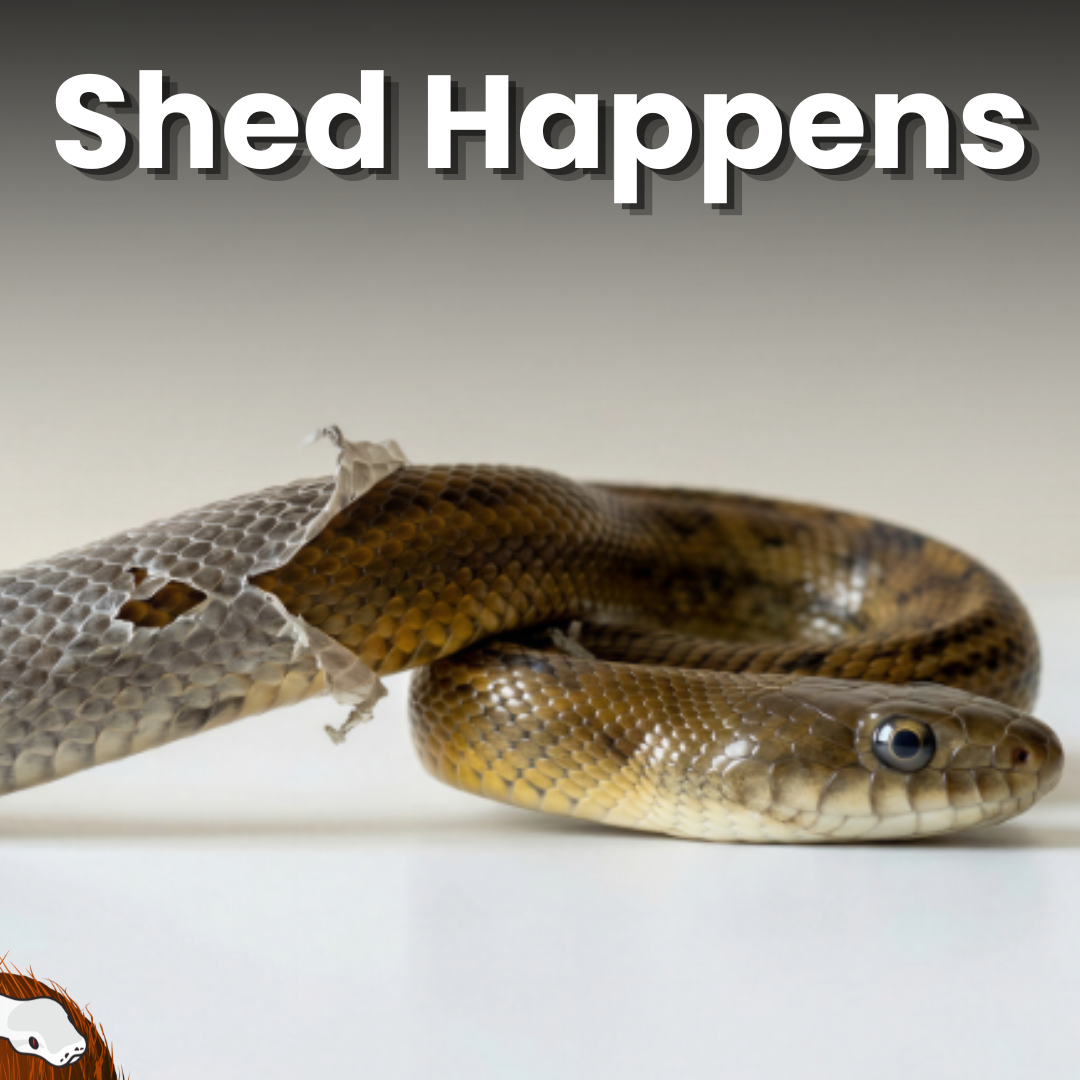

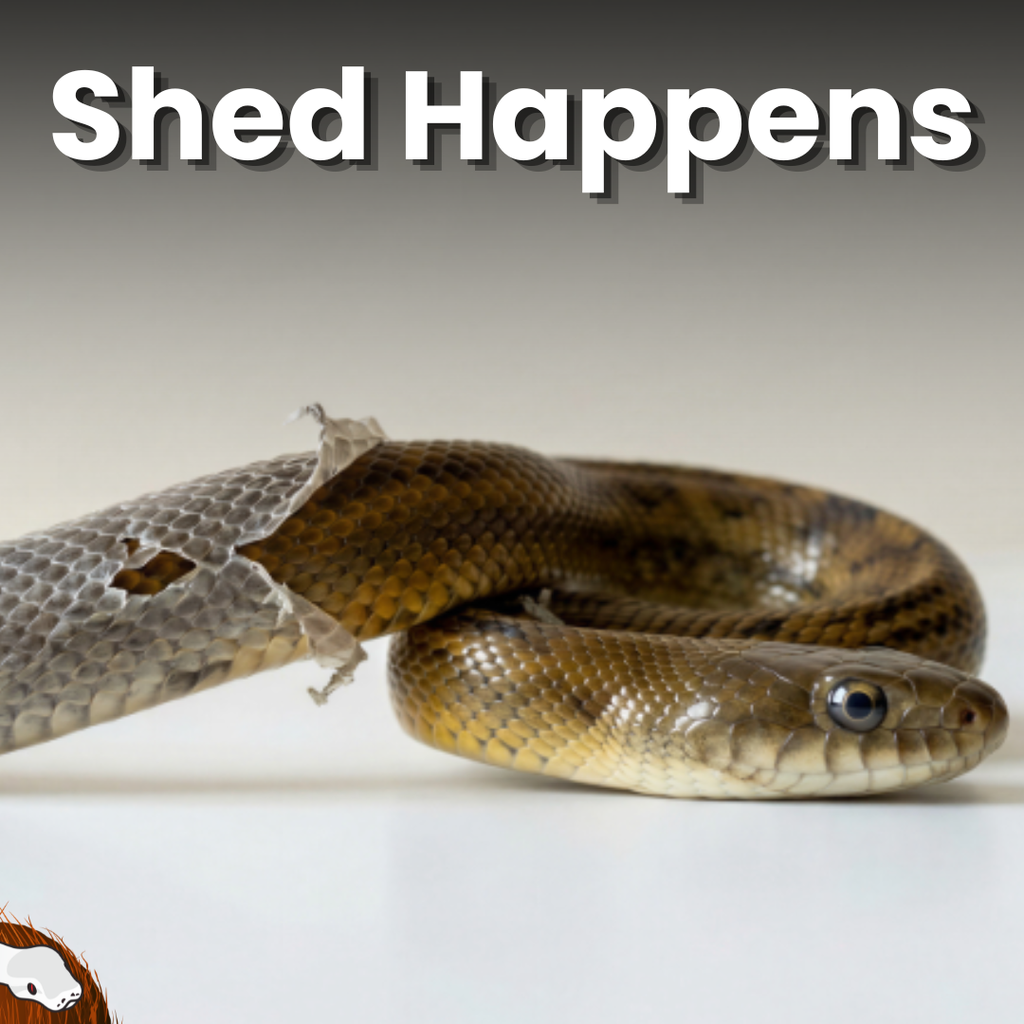
Ever noticed your reptiles or amphibians looking a little dull or acting extra cranky? Maybe you’ve wondered why your gecko suddenly looks like it’s wearing a wrinkly old sock. Shedding is one of those fascinating, sometimes messy, and totally normal parts of life that every herp keeper should understand.
Why Shedding Matters
Shedding isn’t just about looks, it’s a vital process for your reptile and amphibian's health. Old skin doesn’t stretch as your pet grows, so they must shed it to stay comfortable and infection-free. Plus, a smooth shed is a sign that your husbandry is on point. If you want your critters to thrive, knowing the ins and outs of shedding is a must.
What Actually Happens During Shedding?
Shedding, or ecdysis, is when your reptile’s body produces a new layer of skin underneath the old one. As the new skin forms, the old layer loosens and eventually peels away. This can take anywhere from a few hours to several days, depending on the species and environment.
“A healthy shed is a reptile or amphibian's version of a spa day—out with the old, in with the new!
Signs Your Animal Is About to Shed
Keep an eye out for these classic pre-shed signals:
- Dull or faded coloration
- Cloudy or bluish eyes (especially in snakes)
- Reduced appetite
- Hiding more than usual
- Restlessness or rubbing against objects
These changes are totally normal, but they’re your cue to double-check your setup.
Why Do Some Sheds Go Wrong?
Incomplete sheds (stuck shed or “dysecdysis”) can happen if humidity is too low, the enclosure is too dry, or your reptile is stressed or unwell. Stuck sheds can cause problems, especially around the eyes, toes, or tail tips. That’s why it’s so important to create the right environment.
Tips for a Smooth Shed
- Boost humidity: Mist the enclosure or add a humid hide.
- Provide rough surfaces: Branches, rocks, or textured décor help your animals rub off old skin.
- Offer a shallow water dish: Some animals like to soak before or during shedding.
- Never peel stuck skin: Instead, try a gentle soak or consult an exotic vet if needed.
Customize your approach based on your species, ball pythons love humid hides, while bearded dragons might prefer a good soak. Some reptiles and amphibians even eat their shed skin! It’s a way to recycle nutrients and avoid attracting predators in the wild.
Shedding Success = Happy Herps
Understanding the shedding process means fewer surprises and healthier pets. When you dial in the right humidity, provide enrichment, and watch for trouble spots, you’re setting your animals up for success.
Ready to help your friends shed like a pro? Check out ReptiChips substratesand misting systems to help build the perfect setup for them.