

Free Shipping to the Lower 48!
Free Shipping to the lower 48!
Menu title
This section doesn’t currently include any content. Add content to this section using the sidebar.
Your headline
Image caption appears here
$49.00
Add your deal, information or promotional text
ReptiTips
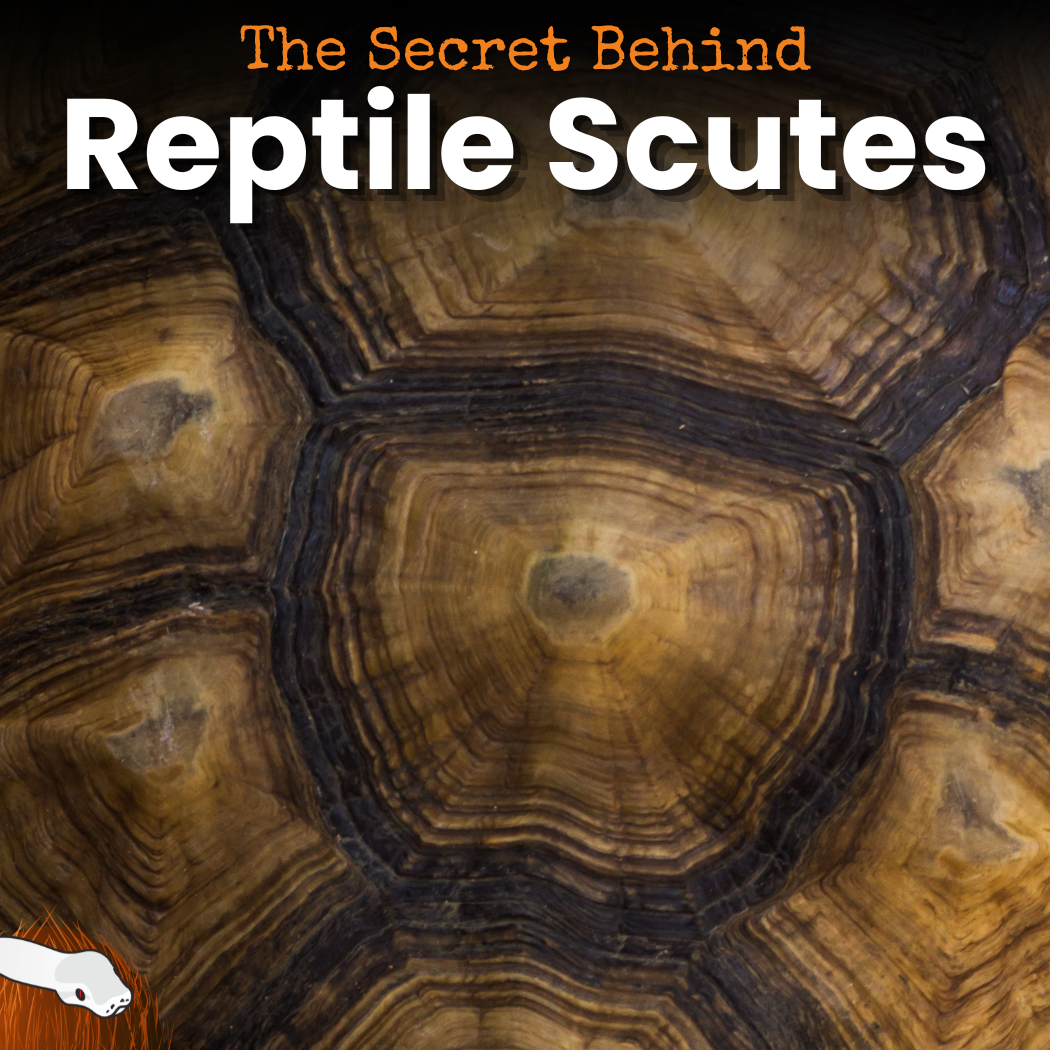

Have you ever studied how your turtle’s shell sometimes looks like it’s peeling, or why it feels so tough yet smooth? If you’ve spent any time around turtles or tortoises, you’ve probably noticed those shiny, puzzle-like plates on their shells. These are called scutes, and they’re a lot more fascinating, and important, than most people realize.
Why Should You Care About Scutes?
Scutes aren’t just for show. They’re the first line of defense for your shelled buddy, protecting the sensitive bone underneath from bumps, scrapes, and even infections. Understanding how scutes work can help you spot health issues early and keep your turtle or tortoise looking and feeling their best.
What Exactly Are Scutes?
Think of scutes as your turtle’s armor. Each scute is made of keratin, the same protein that makes up your fingernails and hair! These plates overlap like shingles on a roof, giving the shell its strength and flexibility. Underneath, the bony shell provides structure, but it’s the scutes that take the brunt of daily wear and tear.
Why Do Scutes Peel?
It’s totally normal for turtles to shed their scutes as they grow. This process helps them get rid of old, damaged layers and make room for new, healthy ones. But if you notice excessive peeling, soft spots, or a funky smell, it could be a sign of trouble, like shell rot or a vitamin deficiency.
“A healthy turtle will shed scutes in thin, clear layers, almost like a snake shedding its skin.”
How Can You Support Healthy Scutes?
Here are some practical tips to keep those scutes in top shape:
- Provide a basking area with proper UVB lighting to help with keratin production.
- Offer a balanced diet rich in calcium and vitamins.
- Keep the enclosure clean and dry to prevent shell infections.
- Avoid handling your turtle too much during shedding, let nature do its thing!
Fun Fact: Scutes Tell a Story
Did you know you can sometimes estimate a turtle’s age by counting the growth rings on its scutes? While it’s not as accurate as counting tree rings, it’s a fun way to get to know your pet a little better.
Customize for Your Species
Different turtles and tortoises have different scute patterns and needs. For example, aquatic turtles shed more frequently than land-dwellers. Always research your specific species to tailor their care.
- Red-eared sliders: Need lots of UVB and clean water for healthy shedding.
- Russian tortoises: Benefit from regular soaks and a dry basking spot.
- Box turtles: Appreciate a humid hide to help with scute health.
Story To Shell
Keratin scutes are more than just a cool feature, they’re essential for your turtle’s health and happiness. By understanding how they work and what they need, you’ll be better equipped to spot problems early and give your reptile the best life possible.
So, go out there and count those scutes, ask yourself: does the count add up with their age?
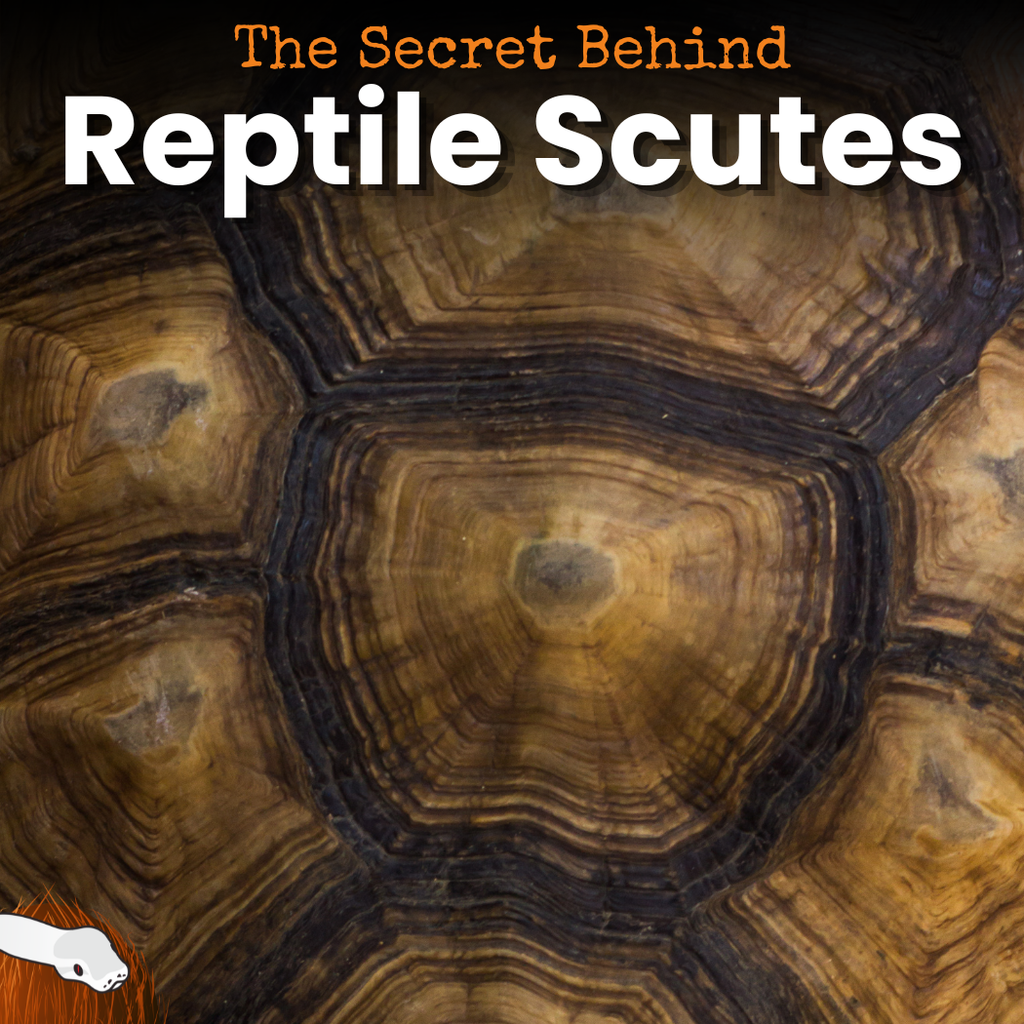
Have you ever studied how your turtle’s shell sometimes looks like it’s peeling, or why it feels so tough yet smooth? If you’ve spent any time around turtles or tortoises, you’ve probably noticed those shiny, puzzle-like plates on their shells. These are called scutes, and they’re a lot more fascinating, and important, than most people realize.
Why Should You Care About Scutes?
Scutes aren’t just for show. They’re the first line of defense for your shelled buddy, protecting the sensitive bone underneath from bumps, scrapes, and even infections. Understanding how scutes work can help you spot health issues early and keep your turtle or tortoise looking and feeling their best.
What Exactly Are Scutes?
Think of scutes as your turtle’s armor. Each scute is made of keratin, the same protein that makes up your fingernails and hair! These plates overlap like shingles on a roof, giving the shell its strength and flexibility. Underneath, the bony shell provides structure, but it’s the scutes that take the brunt of daily wear and tear.
Why Do Scutes Peel?
It’s totally normal for turtles to shed their scutes as they grow. This process helps them get rid of old, damaged layers and make room for new, healthy ones. But if you notice excessive peeling, soft spots, or a funky smell, it could be a sign of trouble, like shell rot or a vitamin deficiency.
“A healthy turtle will shed scutes in thin, clear layers, almost like a snake shedding its skin.”
How Can You Support Healthy Scutes?
Here are some practical tips to keep those scutes in top shape:
- Provide a basking area with proper UVB lighting to help with keratin production.
- Offer a balanced diet rich in calcium and vitamins.
- Keep the enclosure clean and dry to prevent shell infections.
- Avoid handling your turtle too much during shedding, let nature do its thing!
Fun Fact: Scutes Tell a Story
Did you know you can sometimes estimate a turtle’s age by counting the growth rings on its scutes? While it’s not as accurate as counting tree rings, it’s a fun way to get to know your pet a little better.
Customize for Your Species
Different turtles and tortoises have different scute patterns and needs. For example, aquatic turtles shed more frequently than land-dwellers. Always research your specific species to tailor their care.
- Red-eared sliders: Need lots of UVB and clean water for healthy shedding.
- Russian tortoises: Benefit from regular soaks and a dry basking spot.
- Box turtles: Appreciate a humid hide to help with scute health.
Story To Shell
Keratin scutes are more than just a cool feature, they’re essential for your turtle’s health and happiness. By understanding how they work and what they need, you’ll be better equipped to spot problems early and give your reptile the best life possible.
So, go out there and count those scutes, ask yourself: does the count add up with their age?