

Free Shipping to the Lower 48!
Free Shipping to the lower 48!
ReptiTips
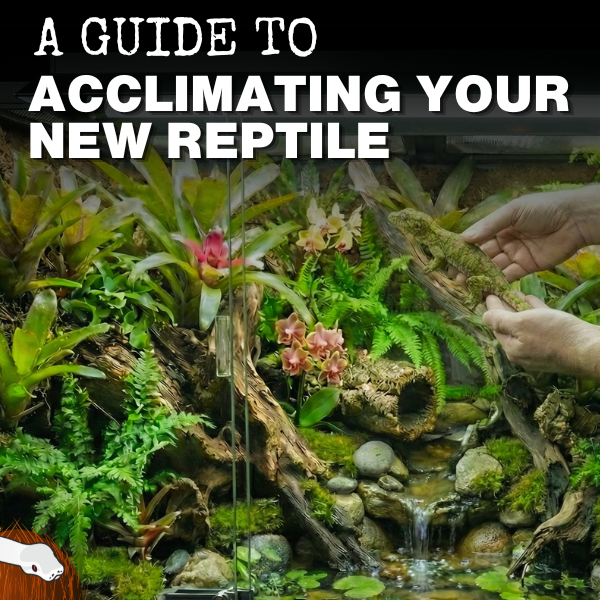

Thinking of bringing home a new friend? “Herps are easy pets, they just sit there!” If only it were that simple. The truth is, bringing home a new scaly friend is a big adventure, and there’s a lot more to it than picking out a cool-looking lizard, frog, or snake. Whether you’re a first-timer or a seasoned keeper, getting things right from the start makes all the difference for your new companion and for you.
Why Preparation Matters
Reptiles and amphibians aren’t like cats or dogs. They have unique needs, and a little prep work goes a long way. Setting up the right environment, understanding their quirks, and knowing what to expect can mean the difference between a thriving pet and a stressed-out one. Plus, it’s way more fun to watch your reptile explore, eat, and show off natural behaviors when they feel at home.
Knowing Where They Came From
It is very important when getting your companion to know exactly where they came from. Were they wild caught? Bred under human care? Rescued? These are all key questions to ask. It could mean the difference of what your animal will eat, how they will react, or even if they may need some preemptive vet care for parasites. Overall it gives you a baseline of how to best care for your new house guest.
Home Sweet Habitat
Before your pet even sets foot (or belly) in your home, their enclosure should be ready to go. Think of it as setting up a mini ecosystem. The right size tank, secure lid, and proper substrate are just the beginning. Lighting, heating, and humidity are crucial, get these wrong, and your pet could get sick or refuse to eat and it could be a costly mistake.
“A well-prepared habitat is the best welcome home gift you can give your reptile.”
Don’t forget to add hiding spots, climbing branches, and water dishes. Each species has its own preferences, so research what your specific reptile or amphibian loves. For example, a Bearded Dragon will want basking rocks, while a Crested Gecko prefers vertical space and foliage. A dart frog will want cooler temperatures while a Uromastyx will want high temperatures.
No two animals are exactly alike. Some love to climb, others burrow. Some bask in the sun, others hide in the shade. Tailor your setup and care routine to your pet’s personality and species. Don’t be afraid to tweak things as you learn what makes your companion happiest.
The First Few Days: Patience is Key
It’s tempting to handle your new pet right away, but reptiles and amphibians need time to settle in. Moving is stressful, and a few days of peace helps them adjust. Keep handling to a minimum, and let them explore their new home at their own pace. Watch for signs of stress, like hiding all the time or refusing food, and make small adjustments if needed.
Feeding: More Than Just Crickets
Diet is a big one. Some herps are picky eaters, while others will gobble up anything. Know what your species needs, live insects, fresh greens, or thawed rodents, and have food ready before your pet arrives. Dust insects with calcium, offer a variety of veggies, and always provide fresh water.
- Research your reptile or amphibians favorite foods
- Prep meals in advance
- Monitor eating habits for any changes
Routine and Observation
Herps thrive on routine. Feed them at the same time each day, keep their enclosure clean, and check temperatures and humidity regularly. The more you observe, the better you’ll understand their normal behavior, and spot problems early!
Enjoy Your New Friend
Bringing home a reptile is the start of a fascinating journey. With a little planning and a lot of curiosity, you’ll create a safe, enriching home for your new friend, and discover just how rewarding herp keeping can be. If you need information on your potential new friend visit ReptiChip's Animal and Product pages for a vast array of care sheets and equipment to help guide you to specific specific needs!
What’s the first thing you’ll do to make your companion feel at home?
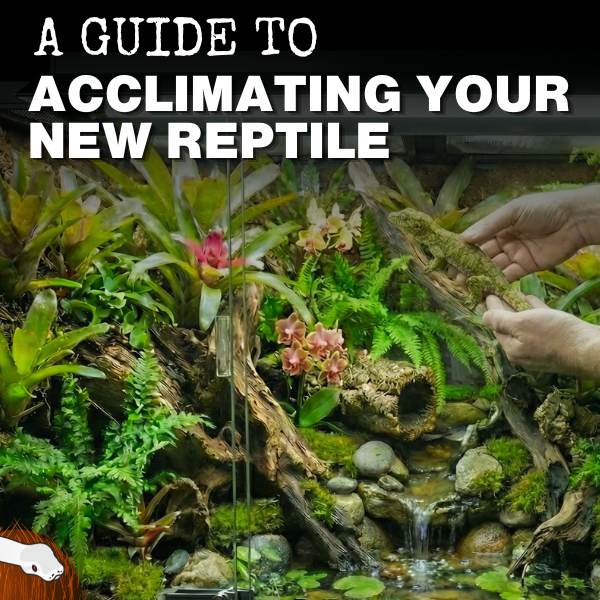
Thinking of bringing home a new friend? “Herps are easy pets, they just sit there!” If only it were that simple. The truth is, bringing home a new scaly friend is a big adventure, and there’s a lot more to it than picking out a cool-looking lizard, frog, or snake. Whether you’re a first-timer or a seasoned keeper, getting things right from the start makes all the difference for your new companion and for you.
Why Preparation Matters
Reptiles and amphibians aren’t like cats or dogs. They have unique needs, and a little prep work goes a long way. Setting up the right environment, understanding their quirks, and knowing what to expect can mean the difference between a thriving pet and a stressed-out one. Plus, it’s way more fun to watch your reptile explore, eat, and show off natural behaviors when they feel at home.
Knowing Where They Came From
It is very important when getting your companion to know exactly where they came from. Were they wild caught? Bred under human care? Rescued? These are all key questions to ask. It could mean the difference of what your animal will eat, how they will react, or even if they may need some preemptive vet care for parasites. Overall it gives you a baseline of how to best care for your new house guest.
Home Sweet Habitat
Before your pet even sets foot (or belly) in your home, their enclosure should be ready to go. Think of it as setting up a mini ecosystem. The right size tank, secure lid, and proper substrate are just the beginning. Lighting, heating, and humidity are crucial, get these wrong, and your pet could get sick or refuse to eat and it could be a costly mistake.
“A well-prepared habitat is the best welcome home gift you can give your reptile.”
Don’t forget to add hiding spots, climbing branches, and water dishes. Each species has its own preferences, so research what your specific reptile or amphibian loves. For example, a Bearded Dragon will want basking rocks, while a Crested Gecko prefers vertical space and foliage. A dart frog will want cooler temperatures while a Uromastyx will want high temperatures.
No two animals are exactly alike. Some love to climb, others burrow. Some bask in the sun, others hide in the shade. Tailor your setup and care routine to your pet’s personality and species. Don’t be afraid to tweak things as you learn what makes your companion happiest.
The First Few Days: Patience is Key
It’s tempting to handle your new pet right away, but reptiles and amphibians need time to settle in. Moving is stressful, and a few days of peace helps them adjust. Keep handling to a minimum, and let them explore their new home at their own pace. Watch for signs of stress, like hiding all the time or refusing food, and make small adjustments if needed.
Feeding: More Than Just Crickets
Diet is a big one. Some herps are picky eaters, while others will gobble up anything. Know what your species needs, live insects, fresh greens, or thawed rodents, and have food ready before your pet arrives. Dust insects with calcium, offer a variety of veggies, and always provide fresh water.
- Research your reptile or amphibians favorite foods
- Prep meals in advance
- Monitor eating habits for any changes
Routine and Observation
Herps thrive on routine. Feed them at the same time each day, keep their enclosure clean, and check temperatures and humidity regularly. The more you observe, the better you’ll understand their normal behavior, and spot problems early!
Enjoy Your New Friend
Bringing home a reptile is the start of a fascinating journey. With a little planning and a lot of curiosity, you’ll create a safe, enriching home for your new friend, and discover just how rewarding herp keeping can be. If you need information on your potential new friend visit ReptiChip's Animal and Product pages for a vast array of care sheets and equipment to help guide you to specific specific needs!
What’s the first thing you’ll do to make your companion feel at home?